Content List
Diagnosis of polycystic ovary syndrome
Polycystic ovary syndrome (PCOS), commonly known as ovarian laziness, is a condition that affects a woman's hormone levels.
Women with polycystic ovary syndrome produce higher than normal amounts of male hormones. This hormone imbalance makes them miss their periods and makes it harder for them to get pregnant.
Polycystic ovary syndrome also causes hair growth on the face and body. And it can help with long-term health problems such as diabetes and heart disease.
Contraceptive pills and diabetes medications can help correct hormone imbalances and improve symptoms.

What is polycystic ovary syndrome?
Polycystic ovary syndrome is a hormonal problem that affects women during their reproductive years (15 to 44 years old).
Many women have polycystic ovary syndrome but they don't know about it!!!! In a study, it has been shown that 70% of women with polycystic ovary syndrome have not been diagnosed, so the people themselves do not know anything about this issue.
In what parts does ovarian laziness affect?
Polycystic ovary syndrome affects a woman's ovaries, the reproductive organs that produce estrogen and progesterone -- the hormones that regulate the menstrual cycle. Ovaries also produce a small amount of male hormones called androgens.
What does polycystic mean?
Polycystic ovary syndrome is a "syndrome" or group of symptoms that affects the ovaries and ovulation. Its three main features are:
cysts in the ovaries
- High level of male hormones
- irregular or filled periods
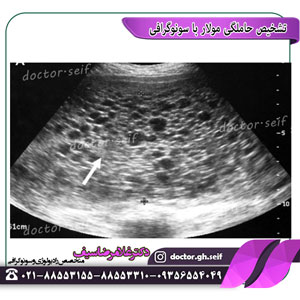
In polycystic ovary syndrome, many fluid-filled sacs develop inside the ovaries. The word "polycystic" means "many cysts".
These sacs are actually follicles, each of which contains an immature egg. The eggs never mature enough to trigger ovulation.
Lack of ovulation changes the amount of estrogen, progesterone, FSH and LH. Estrogen and progesterone levels are lower than normal, while androgen levels are higher than normal.
Extra male hormones disrupt the menstrual cycle, so women with PCOS will get fewer periods than usual.
For more information about Pregnancy ultrasounds can be done with the radiology center and sonography of Dr. Seif or visit Instagram of the doctor.
Dr. Saif's ultrasound center contact numbers: 88553310
What factors cause polycystic ovary syndrome?
Doctors do not know exactly what causes polycystic ovary syndrome. They believe that high amounts of male hormones prevent the ovaries from producing eggs and creating eggs normally.
Genes, insulin resistance, and inflammation have all been linked to androgen overproduction.
Genes
Studies show that polycystic ovary syndrome is hereditary in people.
insulin resistance
Up to 70 percent of women with PCOS have insulin resistance, which means their cells cannot use insulin properly.
Obesity is the main cause of insulin resistance. Both obesity and insulin resistance can increase the risk of type 2 diabetes.
Common symptoms of polycystic ovary syndrome
Some women notice their symptoms around their first period. Others only developed polycystic ovary syndrome after they gained a lot of weight or had trouble conceiving.
The most common symptoms of polycystic ovary syndrome are:
Irregular periods of non-ovulation prevent uterine shedding every month. Some women with polycystic ovary syndrome have less than eight periods per year.
Heavy bleeding. The lining of the uterus grows over a longer period of time, so your periods are heavier than usual.
Hair growth
More than 70 percent of women with this disease grow hair on their face and body - including on their back, abdomen and chest.
Acne
Male hormones can cause acne on the skin.
Weight gain
Up to 80% of women with polycystic ovary syndrome are overweight or obese.
male pattern baldness
The hair on the scalp may fall out severely.
Darkness of the skin
Dark spots on the skin can appear in body wrinkles such as the neck, in the groin, and under the breasts.
headache
Hormonal changes can cause headaches in some women.
Complications of polycystic ovary syndrome
Infertility
To get pregnant, you need to ovulate. Women who do not ovulate regularly do not release eggs that are fertilized. Polycystic ovary syndrome is one of the main causes of infertility in women.
Metabolic syndrome
Up to 80% of women with polycystic ovary syndrome are overweight or obese. Both obesity and PCOS increase the risk of high blood sugar, high blood pressure, low "good" HDL cholesterol, and high LDL cholesterol.
Together, these factors are called metabolic syndrome and increase the risk of heart disease, diabetes and stroke.
Sleep apnea
This condition causes frequent pauses in breathing during the night, which interrupts sleep.
Sleep apnea is more common in women who are overweight - especially if they also have polycystic ovary syndrome. The risk of sleep apnea in obese women with polycystic ovary syndrome is 5 to 10 times higher than in people without polycystic ovary syndrome.
Endometrial cancer
During ovulation, the uterine lining is shed. If you don't ovulate every month, the lining can develop.
The thick layer of the uterus can increase the risk of endometrial cancer.
Depression
Both hormonal changes and symptoms such as unwanted hair growth can negatively affect your mood. Many people with polycystic ovary syndrome eventually suffer from depression and anxiety.
Diagnosis of polycystic ovary syndrome
Doctors usually diagnose polycystic ovary syndrome in women who have at least two of these three symptoms:
- high androgen level
- Irregular menstrual cycles
- Cysts in the ovaries
The doctor should ask you if you have symptoms such as acne, facial and body hair growth, and weight gain.
A pelvic exam can look for problems with your ovaries or other parts of your reproductive system.
The blood test checks the level of male hormones above normal. Blood tests may also be done to check cholesterol, insulin, and triglyceride levels to assess your risk of developing disease-related conditions such as heart disease and diabetes.
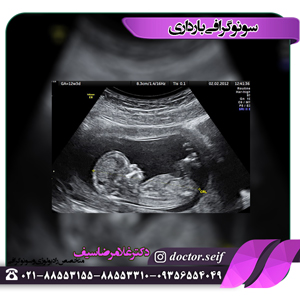
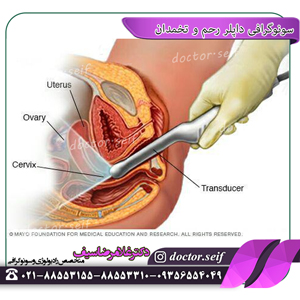
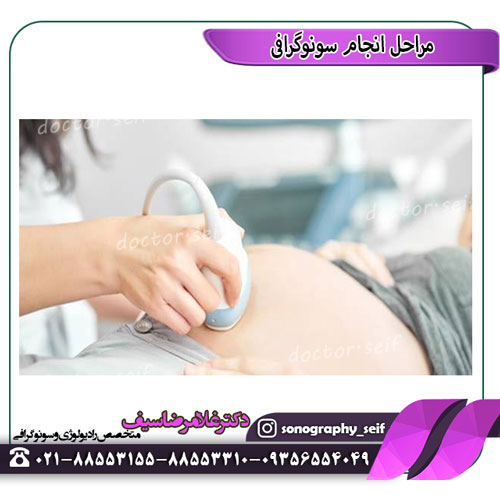
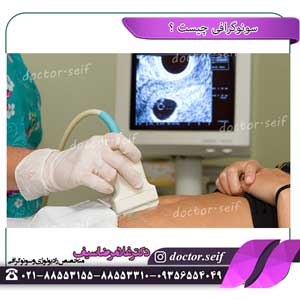
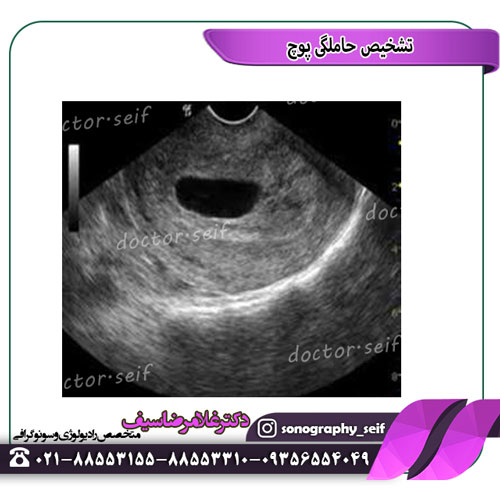
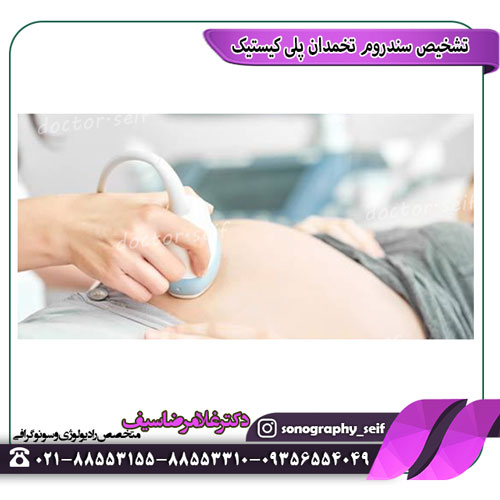
An ultrasound uses sound waves to look for abnormal follicles and other problems with the ovaries and uterus. This method is one of the best and least dangerous methods for diagnosing ovarian laziness.
Pregnancy and polycystic ovary syndrome
Polycystic ovary syndrome interrupts the menstrual cycle and makes pregnancy more difficult. Between 70 and 80 percent of women with polycystic ovary syndrome have fertility problems.
This condition can also increase the risk of pregnancy complications. Women who have polycystic ovary syndrome.
What activities should people with polycystic ovary syndrome do for fertility?
However, women with PCOS can get pregnant using fertility treatments that improve ovulation. Losing weight and lowering blood sugar can improve the chances of having a healthy pregnancy.
Diet and lifestyle tips for treating polycystic ovary syndrome
The treatment of polycystic ovary syndrome usually starts with lifestyle changes such as weight loss, diet and exercise.
Losing just 5 to 10 percent of your body weight can help regulate your menstrual cycle and improve symptoms of PCOS. Losing weight can also increase cholesterol levels, reduce insulin and reduce the risk of heart disease and diabetes.
Any diet that helps you lose weight can help your condition. However, some diets may have advantages over others.
Studies comparing polycystic ovary syndrome diets have shown that low-carb diets are effective for weight loss and insulin reduction. A low glycemic index diet that gets most of its carbohydrates from fruits, vegetables, and whole grains helps regulate the menstrual cycle better than a typical weight loss diet.
Several studies have shown that 30 minutes of moderate-intensity exercise at least three days a week can help women with PCOS lose weight. Losing weight with exercise also increases ovulation and insulin.
Exercise is even more beneficial when combined with a healthy diet. Exercise plus diet can help you lose more weight than either intervention alone, and it lowers your risk for diabetes and heart disease.
There is some evidence that acupuncture can help improve polycystic ovary syndrome, but more research is needed.
Other articles