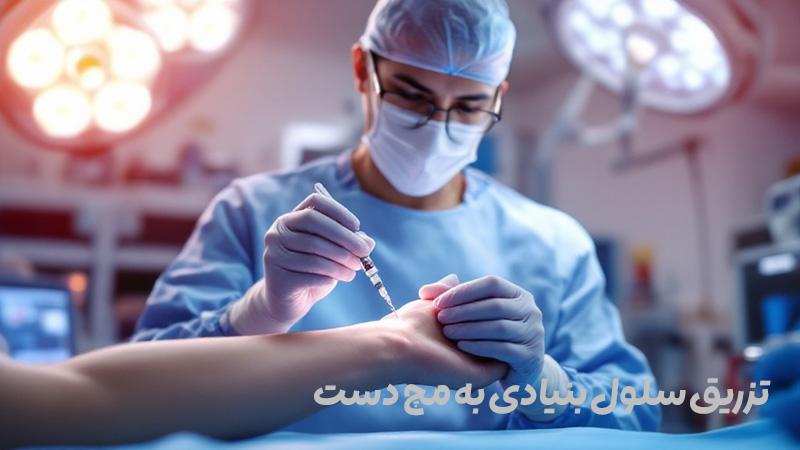
🩺 Frequently asked questions about blood plasma injection in knee Yes, you read that right! Knee PRP, or plasma therapy, has created a revolution in the world of orthopedics that revives painful knees without a surgical knife.This method is like a "suicide therapy"! how about The doctor takes a few cc of your own blood, puts it in a special juicer-like machine (centrifuge) to separate the golden part of your blood - the platelet-rich plasma.
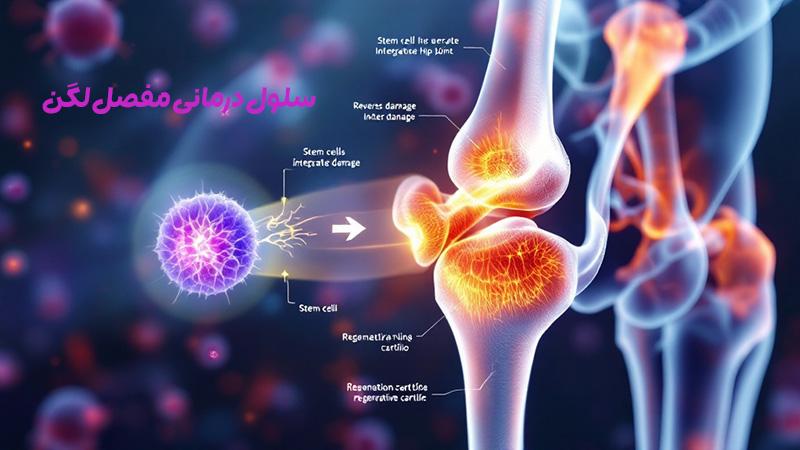
This golden liquid is a treasure trove of growth factors and healing proteins that, when injected into your knee, acts like a mini army of regeneration. Platelets are the messengers that tell the cells in the knee, “It's time to rebuild!”
Unlike painkillers that only mask the pain, PRP attacks the root of the problem – reducing inflammation, strengthening cartilage, and telling damaged tissue to rejuvenate!
The result? A knee that can climb the stairs again without pain!
Steps of plasma injection into the knee, step by step guide Injection of plasma into the knee (PRP of the knee) is a relatively simple but precise process that is performed in several key steps It can be:
1. Initial Consultation and Assessment First, your doctor will examine you, review imaging, and confirm your suitability for this treatment. In this session, the medications that you should stop before the injection (such as blood thinners) will be determined.
2. Blood draw On the day of the injection, your doctor will draw about 15 to 60 cc of blood (equivalent to 1 to 4 tablespoons) from a vein in your arm – just like a regular blood test!
3. Plasma separation Your blood sample is placed in a centrifuge that spins rapidly (about 3,500 rpm) to separate platelets from other blood components. This process takes about 15 minutes.
4. Preparing the injection site The doctor will numb your knee with a clean antiseptic solution and then numb the area with a numbing spray or cream.
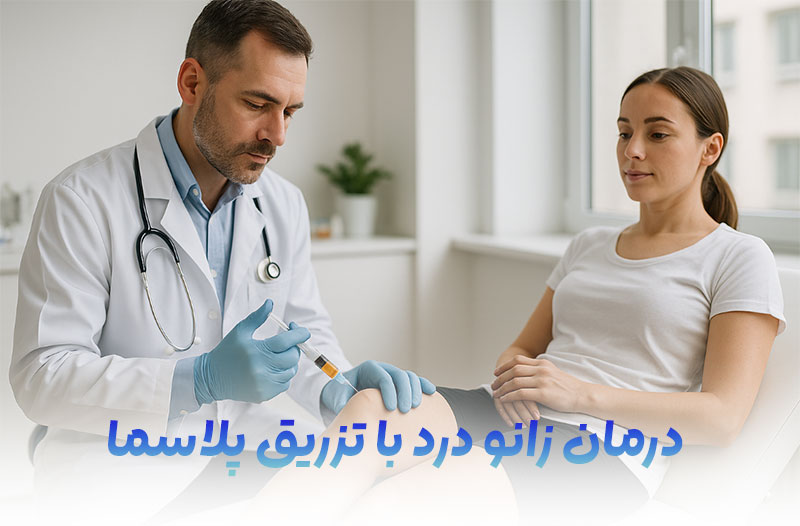
5. Precision injection Using a fine needle, the doctor injects enriched plasma directly into the knee joint. Sometimes ultrasound guidance is used for more accuracy. This step only takes a few minutes.
6. Short rest After the injection, you rest for 15-20 minutes in the office to ensure the absence of allergic reactions.
7. Recommendations after injection The doctor tells you to avoid heavy activities for 24-48 hours, use cold compresses and, if necessary, take simple pain relievers.
Usually 2-3 injection sessions are recommended with an interval of 2-4 weeks, and the gradual results will appear in 2-6 months.
Special: The best Orthopedic specialist
Step Description Approximate time 1. Initial consultation Checking the patient's condition and determining the appropriateness of the method 30-45 minutes 2. Blood drawing taking 15-60 cc of blood from the arm vein 5 minutes 3. Plasma separation spinning the blood in a centrifuge 15 minutes 4. Site preparation disinfection and local anesthesia of the knee area 5-10 minutes 5. Injection introducing enriched plasma into the knee joint 2-5 minutes 6. Rest after injection Monitor to ensure no adverse reaction 15-20 minutes 7. Follow-up Control visit after 2-4 weeks 20-30 minutes
Comparison of treatment methods of knee problems Treatment method Advantages Disadvantages Recovery period Relative cost PRP injection • Use of the patient's own blood• Low risk of infection• No need for surgery• Aid in tissue repair• Cause treatment Main not just symptoms • Need for several treatment sessions• Gradual results• Different effect on different people. Limited insurance coverage 2-6 months Not specified Hyaluronic acid injection • Joint lubrication• Reduced friction• Few side effects• Suitable for osteoarthritis • Relatively high cost• Needs to be repeated every 6-12 months• Relieving only, not Restorative 2-5 months Not specified Arthroscopic surgery • Direct observation of damage• Accurate repair of lesions• Small incision• More definitive solution • Invasive• Need for anesthesia• Risk of infection and complications• Long recovery period 1-6 months Specified Not Joint replacement • Definitive solution of the problem• Dramatic improvement of function• Reduction of permanent pain • The most invasive method 3-12 months Certain Not
Who are good candidates for PRP injections? Suitable for Not suitable For • Patients with mild to moderate osteoarthritis • Severe osteoarthritis with complete cartilage destruction • Tendon and ligament injuries • Cancer or active tumors • Mild joint instability • Active infection in the area Knee • Chronic inflammations • Severe blood diseases • Sports injuries • Anticoagulant drug users • Patients wishing to avoid surgery • Pregnancy and breastfeeding
This treatment method can be polybetween in many cases conservative treatments (such as physical therapy) and invasive procedures (surgery), especially for patients who have not responded adequately to initial treatments.
Related: What is knee stem cell?
Number of plasma injection sessions to treat knee pain Number of PRP injection sessions (PRP
factors affecting the number of sessions The exact number of sessions required depends on several factors:
Factor Influences the number of sessions Injury severity More severe injuries usually require 33 or more sessions Patient age Older people may need more sessions Be Speed of recovery The initial response to treatment determines the next sessions Type of injury Chronic injuries usually require more sessions than acute ones Platelet concentration The quality of PRP prepared can be effective in the number of sessions be
types of treatment protocols single-session protocol :suitable for: minor injuries or young patients with high recovery power results Usually appears 44 to 88 weeks after injection Two-session protocol (most common):Suitable for: most cases of mild to moderate osteoarthritis Interval of sessions: 33 to 44 weeks Durable results: 66 months Up to 11 years Three-session protocol : Suitable for: moderate to severe arthritis or chronic injuries Session interval: every 22 to 33 weeks Permanence of results: usually 11 to 22 years Protocols Maintenance :After completing the main course, some doctors recommend annual injections Aim: to maintain treatment results in the long term Follow-up and evaluate response to treatment The doctor usually, after the first injection, in a follow-up visit (usually 33 to 44 weeks later), evaluates response to treatment and decides on further sessions based on improvement. Recovery less than 30%30% after the first session usually indicates the need for more sessions.
How much is the cost of knee PRP (blood plasma) injection? Everyone is talking about how much water does he drink? To be honest, there is a price range that might be interesting for you! The price of this magical treatment usually fluctuates between 800 thousand and 3 million tomans - of course, this is only the price of one session! Many factors affect the price; For example, where is the clinic? North of Shahrah or South of Shahrah? How many names does the doctor have? Does it use advanced equipment or not?
An important point is that usually for a good result, you have to go to 2-3 sessions, which naturally increases your cost by 2-3 times! So when they ask "How much?" The answer is a bit complicated!
The good news is that some insurances cover part of the cost, especially for arthritis and cruciate ligament injuries. So before taking action, check with your insurance!
I recommend that you call several clinics in your area and get an accurate price - because these prices, like the gold market, go up and down every day! 💉
👵I have arthritis, will this treatment help me? Honey, if your arthritis is not too severe (meaning you still have some cartilage), it will probably help! But if the doctor told you, "You're breaking bone into bone", maybe don't expect miracles.
I am an athlete and I tore a ligament, will PRP help me? Many of Professional athletes use this method! It can be helpful for ligament, tendon and even minor meniscus tears. Of course, it is not a substitute for surgery for complete rupture.
🧠How long will it take to get results? Patience is the key to success, my friend! Usually, 3-4 weeks after the injection, you will feel the initial improvement. But the full result takes about 3-6 months. PRP is not like a pain pill that works for an hour - it is rebuilding your tissues and it takes time!
💰How much do I have to empty my wallet for this treatment? Now (1404) Each injection session costs between 800 thousand and 3 million tomans, depending on the clinic, the expertise of the doctor and the quality of the devices. Remember, you usually need 2-3 sessions, so plan your budget accordingly!
🚶♂️What should I do before and after the injection? How many days before the injection Stop aspirin, ibuprofen and anti-inflammatory drugs (with your doctor's permission). On the day of the injection, eat a light breakfast and wear comfortable clothes. Drink a lot of water to make vein removal easier! Can I go to work after the injection?
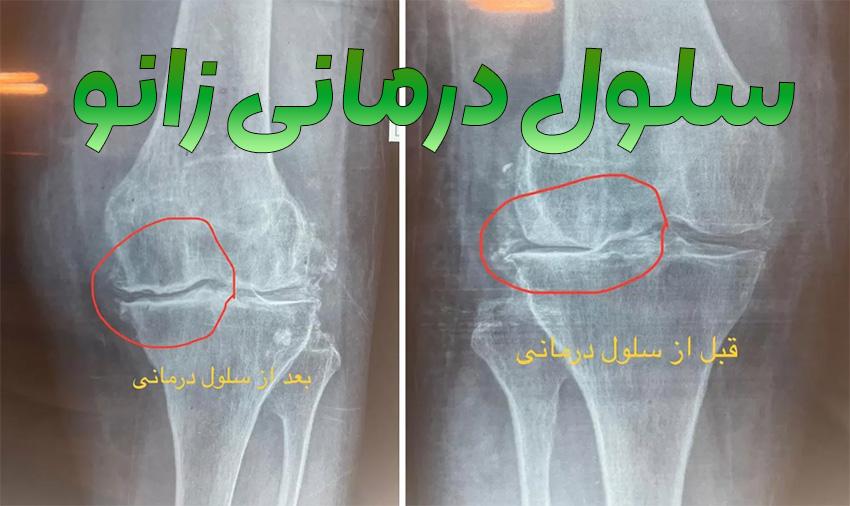
🔍Why do some say it works miracles and others say it's God? Look, it's not as miraculous as tomorrow Wake up in the morning like your youth, don't you! Results vary from person to person - it has a good to excellent effect on 60-70% of people. The most important factor is to be correctly diagnosed and have realistic expectations.
Rate this post