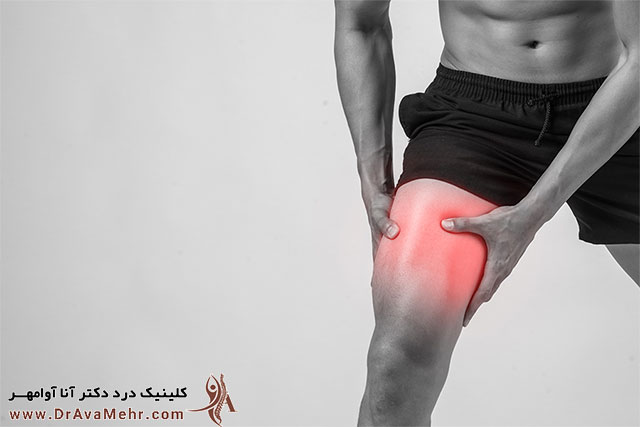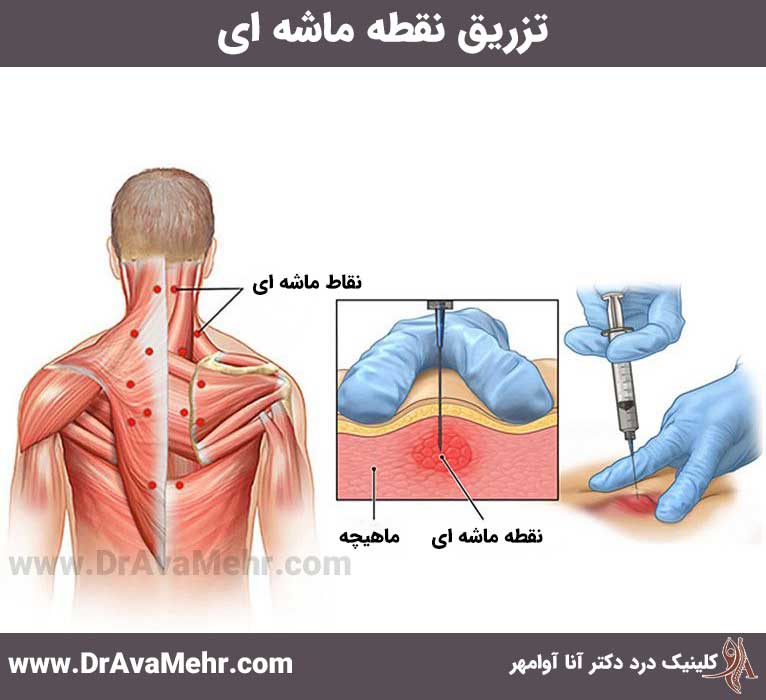

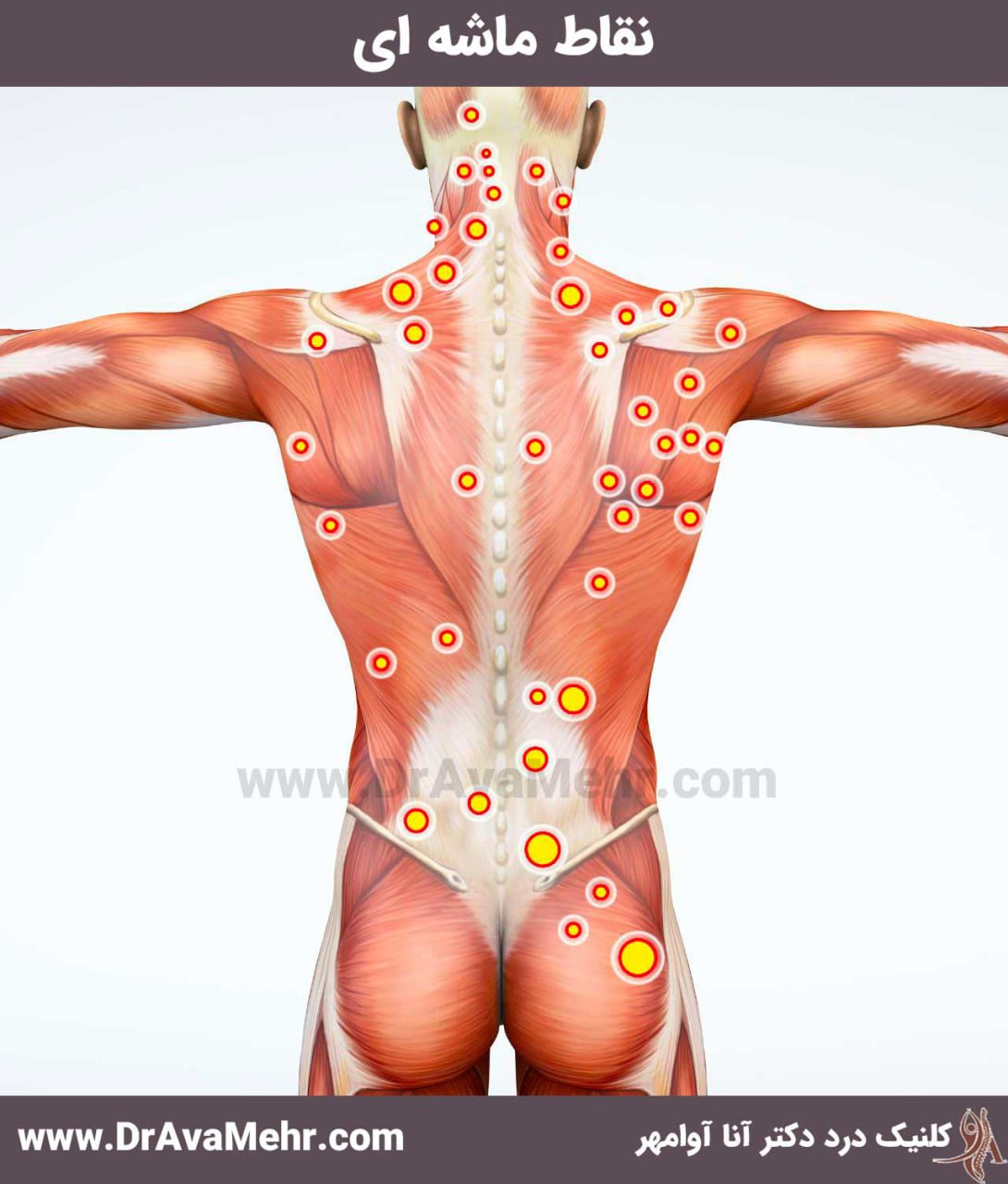
Trigger point or trigger point (in English: Trigger point) is a muscle stiffness as a result of small contractile knots in the skeletal muscle or muscle fascia that is sensitive to touch, so that applying pressure on that part leads to pain in the same area.
Trigger Point Injection (TPI) can help relieve myofascial pain, which is usually caused by a "knot" in the muscle (trigger point). TPIs are common and generally safe.
Injection What is a trigger point?
Trigger point injections can help relieve myofascial pain, especially in the neck, shoulders, arms, legs, and back.
Trigger points or trigger points are painful "knots" in the muscles that can be very sensitive to touch or pressure. They may develop after acute trauma or as a result of repeated microtrauma that will result in stress on the muscle fibers. In this way, the muscle fibers are stuck in the state of contraction. Sometimes you can feel these knots when rubbing the muscle.
Trigger point injections usually involve injecting a local anesthetic with or without corticosteroids, botox, or no injectables (dry needling).
Specialists use trigger point injections to help treat myofascial pain. "Myo" means muscle and "fascial" means fascia. Your fascia is the thin, white connective tissue that wraps around each muscle.
Pain and tenderness in myofascial pain is usually due to one or more trigger points. When touched, trigger points can be felt as small bumps, nodules or knots in the muscle.
Trigger points can develop in any muscle, but the most common muscle groups treated with trigger point injections are:
- Masticator (a muscle in the jaw).
- Scapular levator (a muscle on the sides of the neck).
- Middle pelvis (a muscle in the pelvis).
- Lumbar quadriceps (deep muscle in the back).
- trapezius (large muscle behind the neck and between the shoulder blades).
- Mammary sternum (a muscle in the front of the neck).
- Temperature (a muscle on the sides of the head).
Trigger points can cause certain types of pain or problems. For example, trigger points affecting the trapezius muscle may cause tension headaches. A trigger point affecting the piriformis muscle (a muscle in the buttock) can cause piriformis syndrome, when the piriformis muscle presses on the sciatic nerve and pain or numbness is felt in the buttock and back of the leg.
Trigger point injections may be right for you if trigger point pain has not improved with other treatments, including over-the-counter pain medications, heat therapy, massage therapy, myofascial therapy, and physical therapy.
Doctors usually use trigger point injections along with physical therapy and stretching exercises to reduce pain.
This strategy can be especially useful when trigger point injections are initially used to reduce pain in people who are unable to do physical therapy or stretching because of severe pain. Injection of trigger point can cause a better effect of physiotherapy.
Before a doctor can recommend trigger point injections, he or she must perform a thorough physical examination and rule out other possible causes of pain, including:
- Muscle tension.
- Structural causes of pain.
- Spinal problems that cause back pain, such as degenerative arthritis, herniated discs, or spinal stenosis.
- radiculopathy (pain caused by nerve compression).
Myofascial pain and trigger points are very common. These pains occur among approximately 85% of people at some point in their lives.
Many doctors and specialists regularly diagnose and treat myofascial pain, their treatments can include trigger point injections or physical therapy and stretching exercises.
What should I do to prepare for a trigger injection?
There is nothing you need to do to prepare for a trigger point injection. However, as with any treatment, it is important to discuss your current medications, symptoms, and overall health with your doctor before undergoing this procedure.
What happens during the trigger point injection procedure?
You can expect the following during the trigger point injection procedure:
Depending on the location of the trigger point, you may be sitting or lying down.
- The doctor will clean your skin in the affected area with an alcohol pad.
- Maybe mark the trigger point with a skin marker.
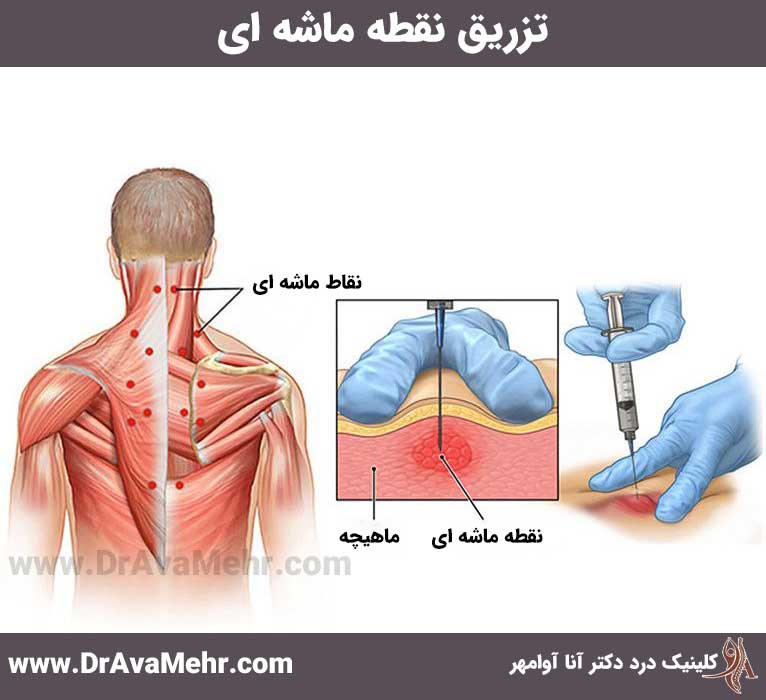
- When he detects a trigger point by feeling it, he presses that point between his fingers and stabilizes the tissue. This may feel uncomfortable.
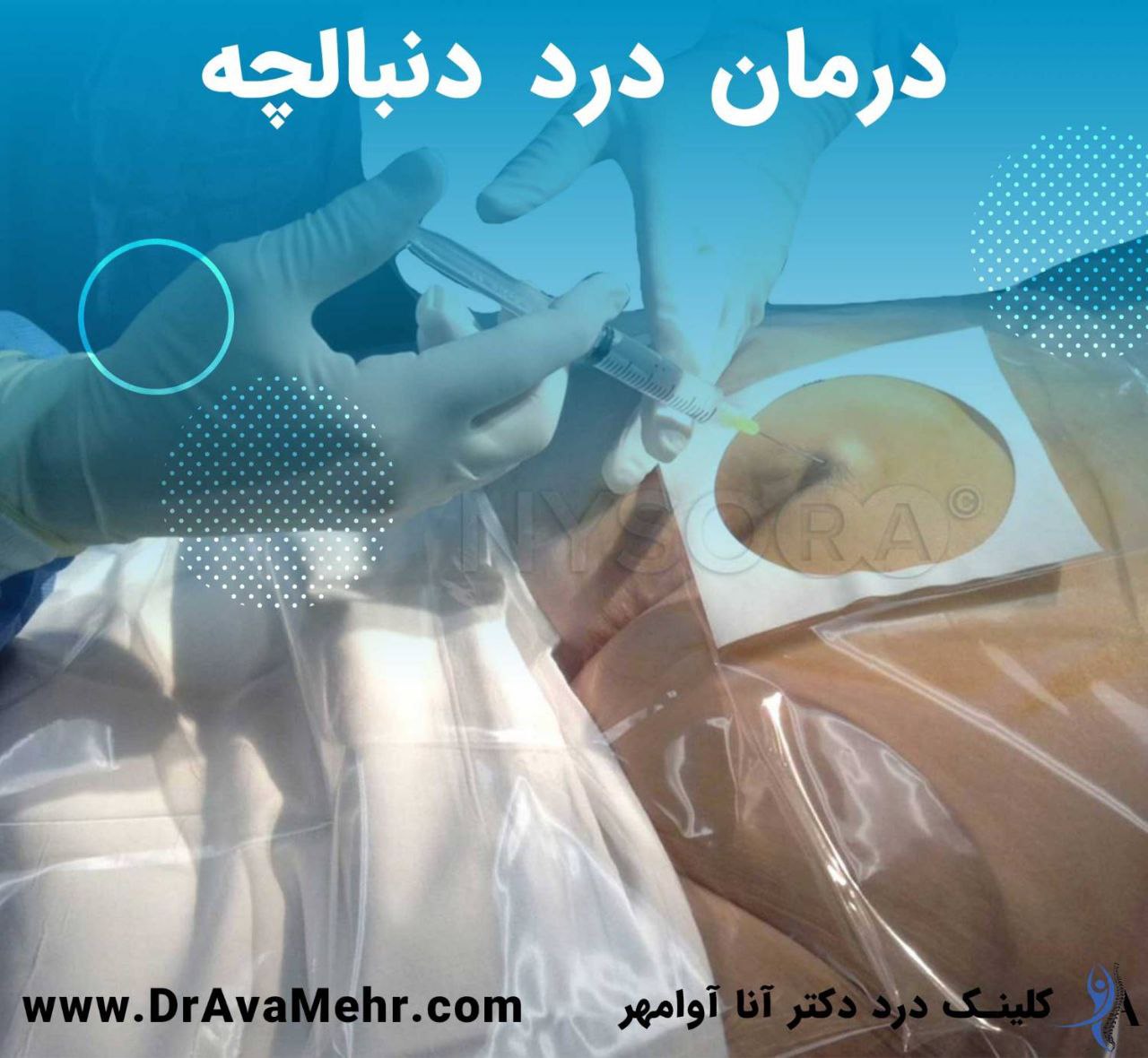
- The doctor inserts a thin needle attached to a syringe into the trigger point and continues needling the area by repeatedly inserting and rotating the needle without pulling it completely out of the muscle or skin.
- You will probably feel your muscles spasm or contract. The doctor continues the movement in different directions until the muscle contraction stops or until the muscle relaxes enough.
- He then injects a local anesthetic into the site with or without corticosteroids or Botox.
- This process ends and you can go home.
How painful is trigger point injection?
Trigger points are usually painful to the touch, so you will probably feel a little pain when the doctor marks the trigger point with his hand before the injection.
When your doctor inserts the needle and medicine, you may feel burning and pain. When the tip of the needle hits the trigger point, you will feel a slight increase in pain. Although this can be uncomfortable, pain is a good sign that the needle is in the right place.
What should I expect after trigger point injection?
After the trigger point injection, you can go home and actively use the affected muscle. However, you should avoid vigorous activities for the first few days.
Trigger point injections are generally safe and can provide pain relief for people who experience pain associated with trigger points and have not been relieved by more conservative treatments such as over-the-counter pain relievers or physical therapy.
Trigger point injections can also produce significant improvements in range of motion and overall muscle function, depending on which muscle is affected.
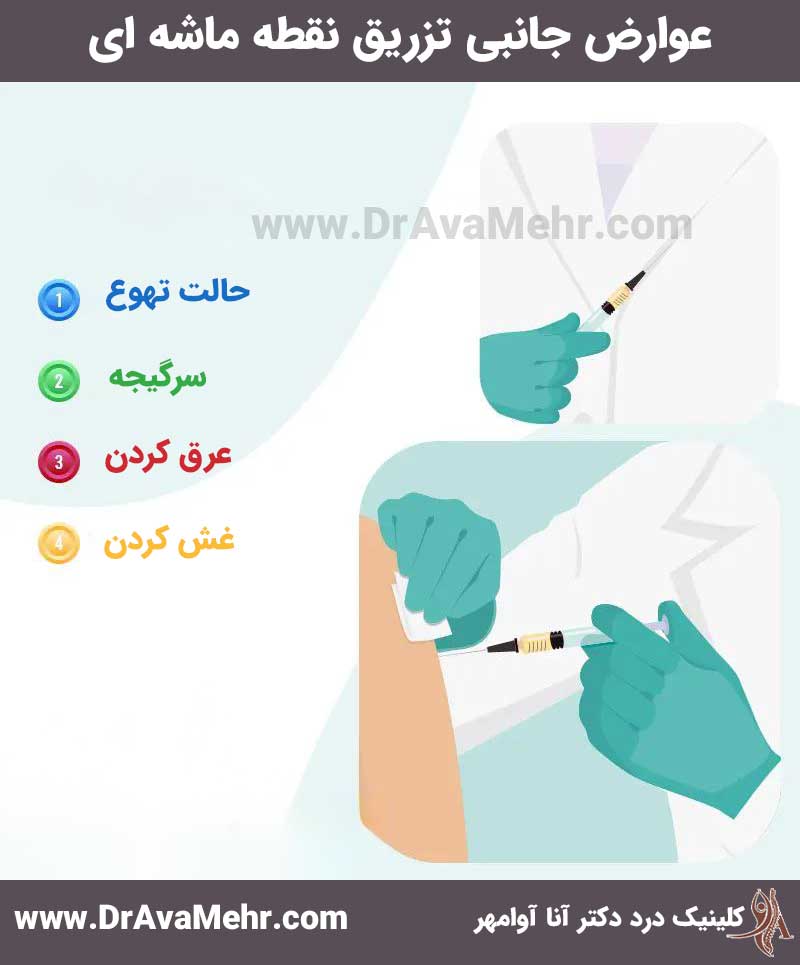
Trigger point injection is generally safe and has few side effects. The most common side effect is temporary discomfort or numbness around the injection site. Your doctor may prescribe an anti-inflammatory and muscle relaxant, acetaminophen (Tylenol®) or ibuprofen (Advil®). You can also use ice compresses on injection sites to reduce the risk of bruising.
Complications of trigger point injections, which are rare, will include:
- Bleeding
- nausea
- dizziness
- bruising
- Allergic reaction to the anesthetic agent
era Recovery from trigger point injection
How long does a trigger point injection take?
Most people experience pain relief between 24 and 72 hours after a trigger point injection. Pain relief usually lasts about a month. If you still experience pain after this time, your doctor will sometimes recommend additional injections to achieve long-term pain relief.
When to call a doctor
When should I see my doctor?
If you get a trigger point injection and experience symptoms of infection, such as fever or heat at the injection site, call your doctor.
A tip from Dr. Ana Avamehr's pain clinic
Trigger point injection is a common and generally safe method of treating myofascial pain caused by trigger points. Although the procedure can be temporarily painful, the injection can provide pain relief for about a month. If you also have muscle spasms that do not respond to non-invasive treatment such as painkillers, you can ask your questions about trigger point injection with the office of Dr. Anna Avamehr the best physical medicine specialist in Tehran and if necessary Take your turn. In order to choose a good doctor for trigger point injection, you can use the experience of other people who have done this before on sites and discussion forums such as Ni Ni Site.