Grinding is one of the common dental habits that can affect the health of teeth and the success of orthodontic treatment. This habit can put extra pressure on brackets, wires, and retainers, slow tooth movement, increase jaw and facial muscle pain, and even cause enamel wear and partial treatment reversal. با ما همراه شوید تا تاثیر دندان قروچه بر درمان ارتودنسی را به صورت جامع بررسی کنیم.
دندانقروچه چیست؟
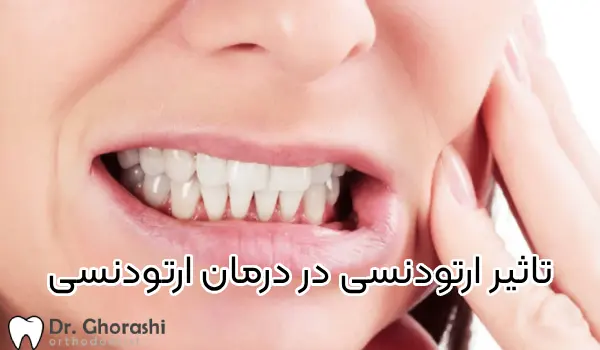
دندانقروچه یا Bruxism به عادت فشردن یا ساییدن دندانها گفته میشود که اغلب غیرارادی رخ میدهد. This habit can happen during the day or while sleeping and over time causes pressure on the teeth, jaw and facial muscles. Many people are not even aware of this habit until physical symptoms such as tooth wear or jaw pain appear.
Causes of teeth grinding class="ez-toc-section-end">There is no single cause for bruxism, but the following factors usually cause it:
Stress
People who are anxious, worried or under pressure may unconsciously clench their teeth. This behavior is often a mechanism to endure strong emotions such as anger or tension.
Medical Conditions
Certain medications or certain medical disorders, such as temporomandibular joint problems (TMJ/TMD) or ear infections, can cause teeth grinding.
sleep disorders
Nocturnal bruxism is common and usually the patient is not aware of it. People who have sleep apnea or whose breathing is disturbed during sleep, are more prone to this habit.
mechanical problems
Misalignment of teeth and jaws (malocclusion), broken or missing teeth can also cause teeth wear.
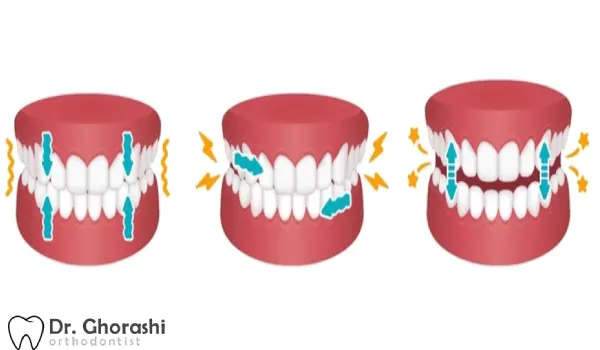
Effect Grinding teeth on orthodontic treatment
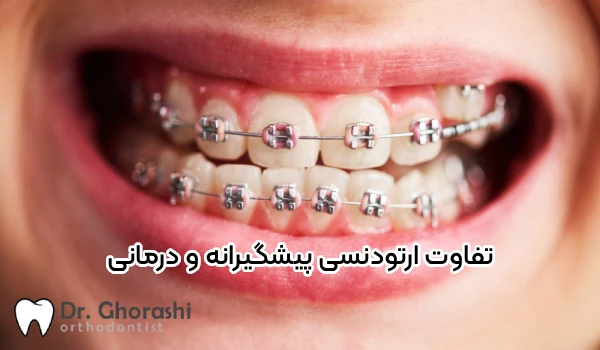
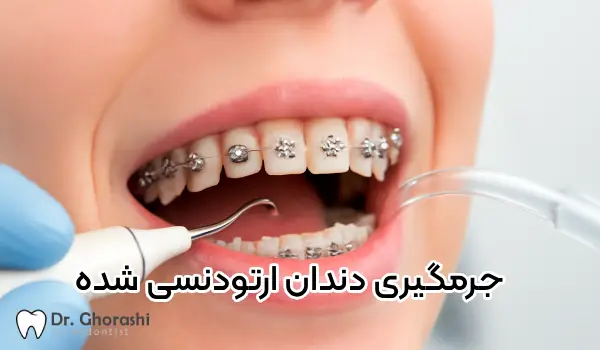
In orthodontic treatment, the goal is the controlled and gradual movement of teeth using tools such as brackets, wire and invisalign. Grinding teeth can disrupt this natural process and cause the following problems:
to orthodontic instruments
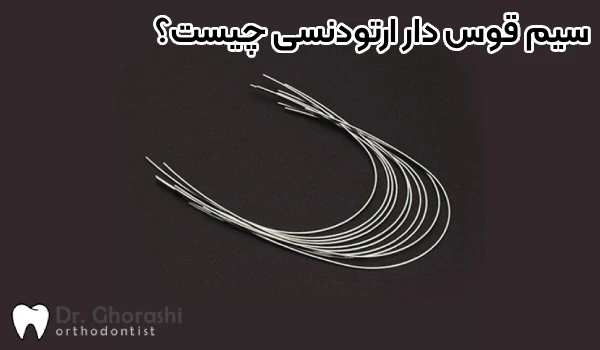
Constant pressure from teeth grinding can cause brackets and wires to break, bend, or loosen. In addition to increasing treatment costs, this event may disrupt the timing of teeth movement.
Teeth
Grinding teeth causes the teeth to resist natural movement. This issue can increase the length of treatment and cause a delay in the correction of abnormalities.increasing pain and discomfort
People who grind their teeth may feel more pressure and pain in the jaw and facial muscles. This pressure, combined with braces or Invisalign, can cause muscle fatigue, pain when chewing, and headaches, making the treatment experience more difficult.and teeth damage
Continuous grinding of teeth causes erosion of tooth enamel and can change the shape of teeth. In some cases, even after the end of orthodontic treatment, teeth may return to their previous position or be slightly misaligned, especially if retainers are not used properly.
In the final result of treatment
Grinding teeth can cause unwanted tooth movement, even in the final stages of treatment. This issue may need to be corrected again or additional treatment.ways Bruxism treatment to improve the orthodontic process
Managing this habit during treatment plays a very important role in achieving a successful and sustainable result.
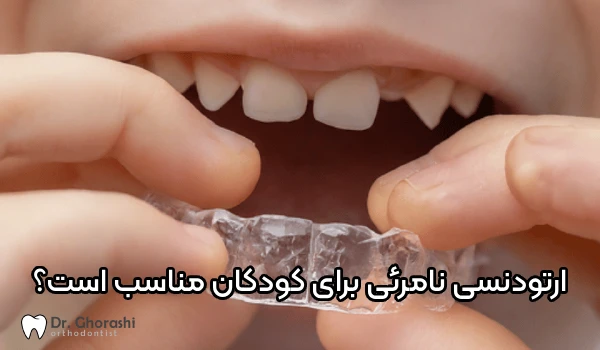
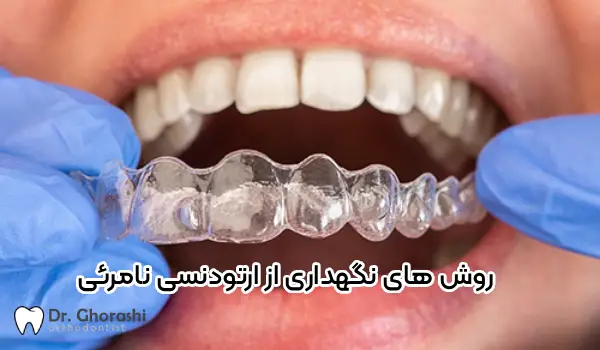
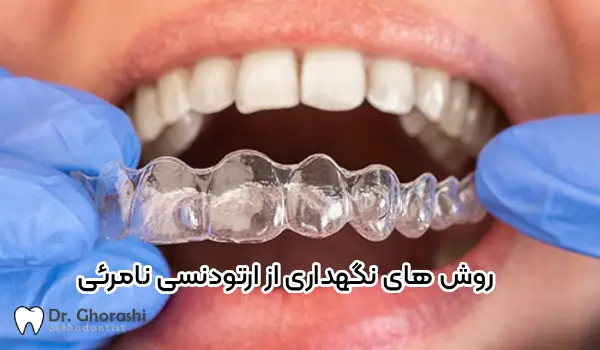
Teeth guards, usually made of durable plastic, reduce the stress caused by teeth grinding and prevent damage to brackets and wires. These guards can be custom made by the orthodontist to fit the individual's teeth perfectly.
Stress and anxiety control
Stress is one of the most common causes of teeth grinding. Stress reduction methods such as:
- breathing exercises and meditation
- Regular exercise
- Psychological consultation
They can reduce the intensity and frequency of teeth grinding, and as a result, the pressure on the orthodontic tools is reduced.
Correction of sleep disorders
If teeth grinding is associated with sleep apnea or sleep quality disorders, treating these problems can reduce bruxism. Using CPAP devices or changing sleep patterns in cases of need has an effective role.
Edit Dental and jaw abnormalities
In some patients, problems such as malocclusion or teeth misalignment cause involuntary pressure and teeth grinding. Orthodontics can correct these abnormalities and help reduce bruxism.
Oral hygiene and dental care
Grinding the teeth causes tooth enamel erosion and increased sensitivity. Compliance with oral hygiene, regular use of fluoride and periodic examinations can prevent further damage and improve the orthodontic treatment process.regular by the orthodontist
Periodic visits allow the orthodontist to quickly identify and correct any damage caused by grinding or changes in tooth movement. These follow-ups guarantee that the orthodontic treatment goes without interruption and with high quality.
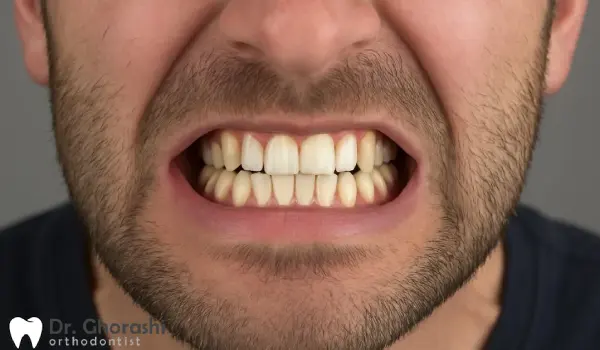
Grinding teeth can happen in two main times. During the day (awake) and during the night (sleep). Each has different characteristics, causes and effects on teeth and orthodontic treatment.
teeth grinding Awake Bruxism
During the day, teeth grinding is usually accompanied by pressing or grinding the teeth, and the person is usually half-aware of doing it. This type of bruxism often occurs during times of intense concentration, stress, anger, or precision work. Constant pressure on the teeth and jaw can cause facial muscle fatigue, jaw pain and even headaches. In orthodontic patients, daily teeth grinding can increase the pressure on brackets and wires and slow down the movement of teeth, so it is very important to control it with relaxation exercises and awareness of daily habits.
Teeth grinding In sleep (Sleep Bruxism)
Nocturnal teeth grinding is usually involuntary and the patient is not aware of doing it. This type of bruxism can be more severe than daily teeth grinding and can be repeated several times during the night. Factors such as sleep disorders, apnea, family history and neurological conditions can cause this habit. In orthodontic patients, night grinding puts a lot of pressure on the tools and teeth, causing enamel wear and damage to the brackets. Using night guard and managing sleep problems is necessary to reduce the effects of this type of bruxism.
| attribute | Teeth grinding in wakefulness | teeth grinding in sleep |
| Individual awareness | semi-conscious or conscious | Uninformed |
| common cause | Stress, concentration, behavioral habits | Sleep disorders, genetics, neurological factors |
| pressure intensity | usually less | Usually more |
| impact on orthodontics | Constant pressure on instruments, slow movement of teeth | Severe wear, damage to brackets and tooth enamel |
| Easy control | More manageable with daily techniques | Need night guard and sleep management |
This habit can put extra pressure on brackets, wires and retainers, slow down the movement of teeth, increase pain in the jaw and facial muscles, and even cause enamel wear and partial treatment reversal.
What is tooth grinding?
Common causes include stress and anxiety, sleep disorders such as apnea, dental and jaw abnormalities, medical conditions or medications, and family history.
Is tooth protection necessary for orthodontics?
Yes, the night guard reduces the pressure caused by teeth grinding and prevents damage to orthodontic tools and teeth.
Does the treatment of bruxism improve the orthodontic process?
Yes, the correct management of bruxism reduces the pressure on the teeth and orthodontic tools, optimizes the movement of the teeth and makes the treatment process shorter and more effective.