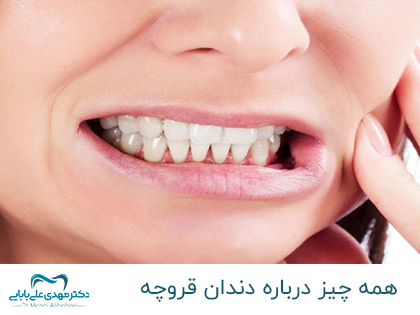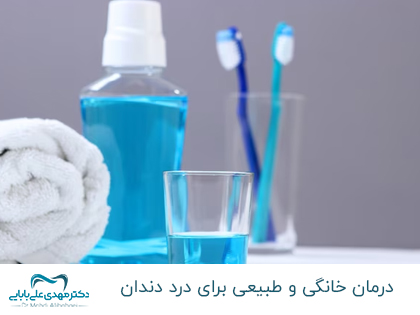

درد دندان به درد خفیف تا شدید در داخل یا اطراف دندانها و فک گفته میشود. ممکن است نشان دهنده این باشد که شما مشکل دندان یا لثه دارید. اگر دندان درد دارید، مهم است که بفهمید ریشه ناراحتی و درد شما چیست. از آنجا، میتوانید تعیین کنید که چگونه هر گونه درد، تورم یا علائم دیگر را به بهترین نحو تسکین دهید. The best thing is to visit a dental specialist.
9 and natural
Table of Contents
Table of Contents
Regular brushing with salt water and applying cold compresses can usually relieve minor irritations, but more serious toothaches may require dental intervention. If your symptoms persist for more than a day or two, see your dentist. They can provide advice on how to relieve symptoms and prevent future pain.
Also, if you are pregnant, breastfeeding, or have any medical condition that may be affected by herbal ingredients, you should talk to your dentist before using any of the following medications or refer to the article Treatment of toothache during pregnancy.
- Washing with salt water
For many people, rinsing with salt water is an effective first-line treatment. Salt water is a natural disinfectant and can help loosen food particles and debris that may be stuck between your teeth.
Treating a toothache with salt water can also help reduce inflammation and heal any mouth sores. To use this method, mix 1/2 teaspoon of salt in a glass of warm water and use it as a mouthwash.
-
Hydrogen flushing Peroxide
-
Cold compress
You can use a cold compress to relieve any pain you are experiencing, especially if an injury caused your toothache. When you use a cold compress, it constricts the blood vessels in that area and makes the pain less intense. Cold can also reduce swelling and inflammation. To use this method, keep an ice pack wrapped in a towel on the affected area for 20 minutes at a time. You can repeat this every few hours.

- Tea bags
Tea bags can be used to numb pain and soothe sensitive gums. Allow the tea bag to cool slightly before applying it to the affected area. But it should still be a little warm. You can also use this method to cool rather than heat the area. To do this, put a used tea bag in the freezer for a few minutes to cool and then rub the bag on your teeth.
-
Garlic
Garlic has been known and used for its medicinal properties for thousands of years. It is also antibacterial and not only can it kill harmful bacteria that can cause dental plaque, it can even act as a pain reliever.
To use garlic for toothache, crush a clove of garlic to make a paste and apply it on the affected area. You may want to add a pinch of salt. You can also slowly chew a clove of fresh garlic.
-
Vanilla extract
Vanilla extract contains a small amount of alcohol that can help reduce pain. Antioxidants have been proven to make it an effective treatment. Just make sure to use real vanilla rather than artificial vanilla. To use this treatment, apply a small amount of vanilla extract to your finger or a cotton ball. Apply it directly on the affected area several times a day.
> Herbal methods
You can make the above treatments at home, but you may need to get the ingredients from your local grocery or health store.
-
Clove
Cloves have been used throughout history to treat toothaches. Clove oil can effectively reduce pain and inflammation. Clove oil contains eugenol, which is a reliable source of natural antiseptic.
To use this method, dilute clove oil with a carrier oil such as sunflower oil. Use a ratio of about 15 drops of clove oil to one ounce of carrier oil. Then, apply a small amount of the diluted oil on a cotton ball and apply it to the affected area several times a day. You can also add a drop of clove oil to a small glass of water and make a mouthwash.
-
Wheat
Wheat green has countless healing properties such as anti-inflammatory and immune system boosting properties. Wheat contains many nutrients, including a high chlorophyll content, which helps fight bacteria.
-
thyme
To use it, dilute thyme essential oil with a carrier oil and then apply it to the affected area. You can also add a drop of oil to a small glass of water and make a mouthwash.
If your toothache is severe or the result of a more serious medical condition, it is important to see your dentist so that it can be properly treated. Many toothaches require medical attention. An over-the-counter pain reliever such as ibuprofen can help until you see a dentist.
Also, if you see any of the following symptoms, you should visit your dentist:
- Fever
- Difficulty breathing or swallowing
- General pain that lasts more than a day or two
- Inflation
- Pain when biting
- Abnormal red gums
- Bad-tasting secretions or pus
Possible causes of toothache
During the appointment, the dentist will examine your mouth to find out the cause of your toothache. They may also take x-rays of your teeth.
How to treat your toothache depends on its cause:
Tooth decay: If a cavity or tooth decay is causing your tooth pain, your dentist will likely remove the decay and restorate.
Filling: When a cavity is removed from your tooth, the dentist fills the space with tooth-colored material. If the existing filling is causing you pain, they may replace it with a new filling.
Abscess: A tooth abscess is a tooth infection that can occur if the cavity is not treated. If you have an abscess, your dentist may prescribe antibiotics, perform a root canal, or pull your tooth.
Teeth grinding (bruxism): If grinding or clenching your teeth causes pain, your dentist may recommend a mouth guard.
Periodontal disease: You may develop periodontal disease when plaque build-up leads to gum inflammation. This gum infection needs professional attention to clean your teeth and prevent the progression of the disease.
By observing oral and dental hygiene, you can prevent the possibility of toothache. Floss at least once a day and brush your teeth for 2 minutes at least twice a day. You can also use mouthwash. Also, visit your dentist twice a year for a regular examination and cleaning of the teeth.
Some foods can cause plaque, including:
- Compounds
- bread
- sour candy
- Potato chips
- Dried fruits
- carbonated drinks
- Alcohol
- Ice
Brush and floss after eating these foods to prevent plaque formation or limit them in your diet.
To get rid of a toothache at night, you may reduce the pain with the following:
- Washing with fluoride mouthwash
- Using numbing gel
- Using a cold compress
To reduce swelling and prevent blood pooling in the head, try to sleep with your head up. You can also use over-the-counter pain relievers such as ibuprofen, acetaminophen, or aspirin.