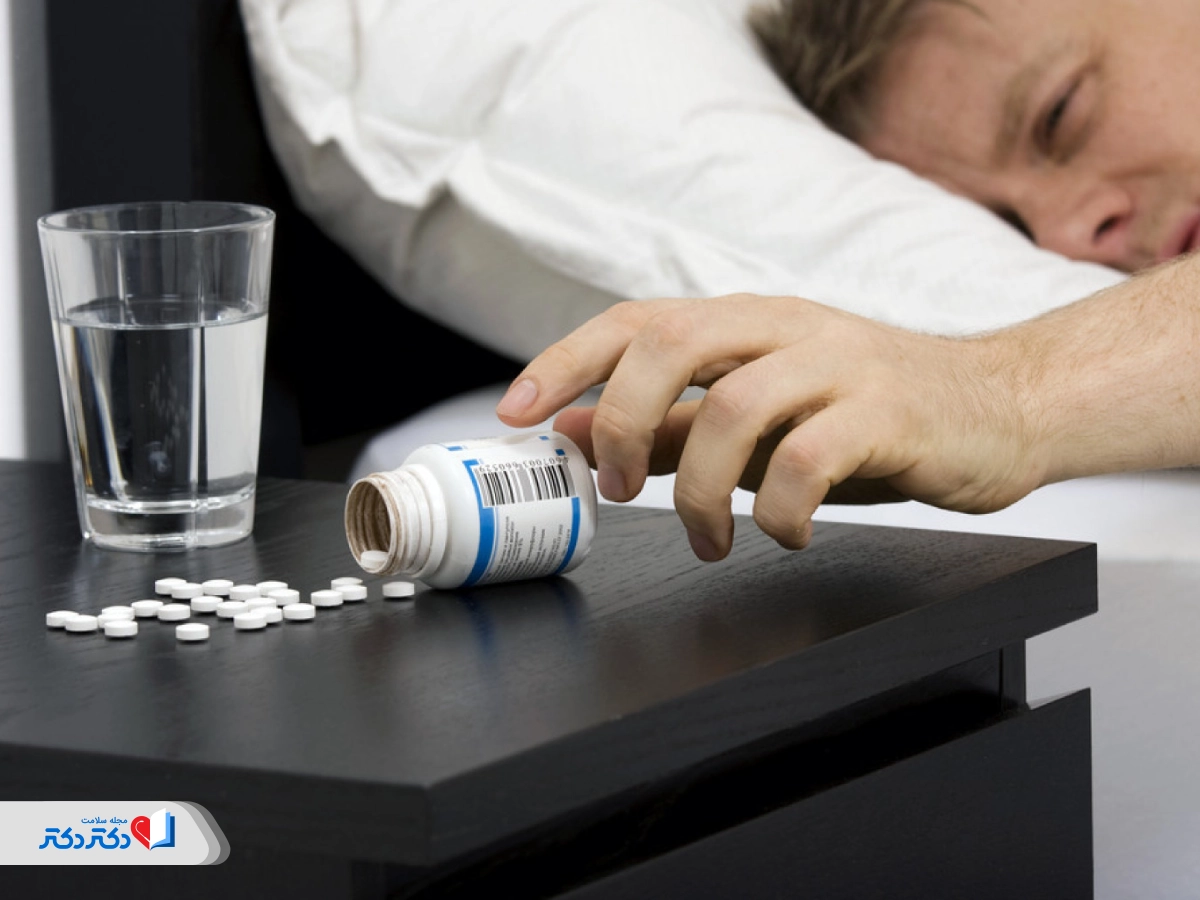
بیخوابی مشکل رایجی است که بسیاری از افراد را درگیر میکند. اختلال خواب میتواند دلایل مختلفی داشته باشد، مانند افزایش سن یا استرس و اضطراب. ولی گاهی نیز نشانه مشکل جدیتری است که به رسیدگی نیاز دارد. معمولا اولین مرحله مواجهه با این مشکل استفاده از داروهای بدون نسخه و گیاهی است ولی اگر با این داروها و مکملها مشکل برطرف نشود باید به پزشک مراجعه کنیم. پزشک میتواند دلایل احتمالی بیخوابی شما را بررسی کند و در یافتن بهترین داروی اختلال خواب به شما کمک کند. In the following, we review the best non-prescription, prescription and herbal sleeping pills and describe the non-drug solutions for insomnia. class="lwptoc_i">
مقاله تخصصی
The best sleep disorder medicine: herbal, over the counter, and the newest pills
1 day ago
168 بازدید

Dr. Reza Bahadur
MashhadOrthopedic specialist
Sleep Disorders and Insomnia: Why Do We Need Medication?
sleep disorder doesn't just make us spend the next day with difficulty; Insomnia can affect our emotional and physical health. Disrupted sleep negatively affects memory, concentration, and mood, and increases the risk of depression, obesity, type 2 diabetes, heart disease, and high blood pressure.
For decades, insomnia was considered a "symptom," not a "disorder." Insomnia was only a symptom of medical or psychiatric diseases. It was believed that treatment of the underlying disorder was sufficient and could lead to resolution of insomnia. But today, this view has changed: when insomnia is chronic, it should be recognized as a primary disorder, and when it is associated with other medical and psychiatric diseases, it should be considered a comorbidity (not a secondary symptom). Therefore, chronic insomnia should be treated in a targeted manner.
In the following, we will explain why sleep disorder needs medication and treatment.
Consistency of insomnia
Studies on the natural course of insomnia show that chronic insomnia does not go away by itself and the current form of insomnia Time is unstable or variable. The current form of insomnia can be one of the following:
- difficulty falling asleep (initial insomnia);
- middle insomnia: a state in which the person wakes up after falling asleep and cannot go back to sleep;
- late insomnia: the person wakes up much earlier than the intended time and cannot. sleep.

Disabling Insomnia
Studies show that people with Chronic insomnia, compared to those who do not have insomnia problem or suffer from insomnia sometimes, have more problems in intellectual, social or occupational performance.
- Intellectual performance: Many studies have shown that patients with chronic insomnia have impaired cognitive performance. In fact, this type of complaint during the day is one of the defining characteristics of insomnia.
- Social functioning: Patients with chronic insomnia are less interested in interpersonal relationships and social interactions, it is more difficult for them to establish these relationships and interactions, and it creates less satisfaction in them. For example, chronic insomnia can reduce the ability to manage minor discomforts and enjoy family and social life, and weaken interpersonal relationships.
- Job performance: Many studies have shown that sleep disorders and chronic insomnia are associated with lower job satisfaction, lower performance scores, lower productivity, and higher absenteeism rates from the workplace.
Costiness Insomnia
Insomnia can impose direct and indirect costs on a person. Direct costs include the costs of doctor's visits, purchase of drugs and medical procedures, and indirect costs can also include costs related to vehicle and workplace accidents, reduced productivity, and absenteeism. It is thought that people who have various sleep disorders are more at risk of car accidents. In particular, patients with insomnia have been found to be 2.5 times more likely than others to have car accidents due to fatigue.
Insomnia coverage
The National Institutes of Health (NIH) 2005 Scientific Conference Statement on the Manifestations and Management of Chronic Insomnia in Adults states:
…Chronic insomnia is common. Population-based studies show that about 30% of the general population complains of a sleep disorder, while approximately 10% have symptoms of daytime dysfunction consistent with a diagnosis of insomnia, although it is unclear what proportion of that 10% has chronic insomnia. It shows that chronic insomnia is one of the important risk factors for medical and mental diseases and their recurrence.
The available data show that patients with insomnia suffer more from pain and gastrointestinal discomfort, and untreated insomnia exposes sufferers to the risk of high blood pressure and heart diseases. It is also said that insomnia can be a risk factor for diabetes. Experimental data in people who sleep well has shown that sleep deprivation is associated with decreased insulin sensitivity. Observational data in patients with type 2 diabetes have shown that poor sleep quality is associated with poor blood sugar regulation. Finally, there is data that shows that insomnia and short sleep time are associated with increased mortality.
Regarding mental illnesses, there is also a lot of data that shows that insomnia increases the risk of disease and disease recurrence. This is especially true for depression/major depressive disorder (MDD). There are now at least 14 longitudinal studies that show that the probability of developing a new or recurrent episode of depression (within 6 months to 3 years) in people with chronic insomnia is 2 to 6 times higher than in those who do not have chronic insomnia. Some of them require a prescription, while others can be obtained without a prescription. In general, prescription sleeping pills are stronger than over-the-counter sleeping pills. Experts recommend combining cognitive-behavioral therapies with drug therapy if possible.
Determining the best sleep disorder medication depends on the needs of each patient. Therefore, to choose
Prescription sleeping pills
Some sleeping pills require a doctor's prescription and cannot be obtained over the counter. In the following, we will examine some of these drugs.
Antidepressants
Drowsiness is a side effect of some antidepressants. Therefore, these drugs can be used for sleep problems. Doxepin (Cylnor) is a tricyclic antidepressant that is FDA-approved to treat insomnia in which a person has trouble staying asleep. Other tricyclic antidepressants (such as amitriptyline and nortriptyline) are prescribed off-label to treat insomnia. However, these drugs are rarely prescribed because they have many potential side effects.
The FDA has not approved trazodone and mirtazapine (Remeron) for the treatment of insomnia (these drugs are approved for the treatment of depression), but they are sometimes prescribed over-the-counter to treat insomnia. Both drugs require a prescription.
Antipsychotic drugs
The US Food and Drug Administration (FDA) has not approved any antipsychotic drugs for the treatment of insomnia. The American Academy of Sleep Medicine also does not recommend the use of these drugs for sleep problems. However, they may be useful for some patients undergoing treatment for mental disorders due to their sedative effects. Some antipsychotic medications that may be prescribed for insomnia include quetiapine (Seroquel), olanzapine (Zyprexa), and risperidone (Risperdal). Among them:
- Stazolam;
- Flurazepam;
- Quazepam;
- Tamazepam (Restoril);
- Triazolam (Halcion).
Benzodiazepines vary in terms of shelf life, but they are usually only recommended for short-term use (for example, a few weeks). These drugs work by increasing the effects of a neurotransmitter called gamma-aminobutyric acid or GABA (GABA) in the brain. It has a sedative effect that can reduce anxiety and improve sleep.
Benzodiazepine receptor agonists
Benzodiazepine receptor agonists are also called non-benzodiazepines or "Z drugs". These drugs include eszopiclone (Lonesta), zolpidem (Ambien), and zaleplon (Sonata). Non-benzodiazepines also interfere with GABA receptors, but in a more specific way. Ezopiclone can be used for long-term treatment of insomnia, while the others are approved for short-term use.
Melatonin receptor agonists
Ramelteon (Rozerem) is currently the only prescription melatonin receptor agonist approved by the FDA for the treatment of insomnia. Instead of interacting with GABA receptors (like benzodiazepines and non-benzodiazepines), ramelteon targets melatonin receptors in the brain. This drug is approved to treat insomnia, where a person has trouble falling asleep.
Orexin receptor antagonists
A newer class of prescription drugs called orexin receptor antagonists has recently hit the market. Suvorexant (Belsomra), lemborexant (Dayvigo) and ardorexant (Quviviq) are examples of these drugs. The FDA has approved these drugs to treat insomnia, in which a person has trouble falling asleep and staying asleep. Orexin receptor antagonists work by blocking orexin receptors in the brain (which are thought to be involved in wakefulness).

Best herbal medicine for sleep disorder
Many people consider natural supplements as the best herbal medicine for They are known as sleep disorders because they have fewer side effects than prescription sleep medications. These supplements are also attractive to those who prefer natural products or are concerned about addiction to prescription sleeping pills.
L-Theanine
L-Theanine is an amino acid that occurs naturally in the leaves of the tea plant. L-theanine may be responsible for the relaxation that many people feel when drinking tea. Studies show that L-theanine supplements can reduce stress and anxiety, increase relaxation, and improve sleep.
L-theanine does not seem to make a person fall asleep faster, but it may increase the quality of sleep by reducing the number of times you wake up during the night. Therefore, it is a good choice for people who often wake up at night or suffer from sleep-maintenance insomnia. Studies also show that L-theanine inhibits the harmful effects of caffeine on sleep. Combining L-theanine with magnesium can increase its sleep benefits.
Many sleeping pills cause daytime sleepiness, but L-theanine does not appear to have this effect. Taking L-theanine up to 200 mg per day is safe for most people. Daily consumption of L-theanine in children with ADHD can also improve sleep and behavior.
Glycine
Glycine is an amino acid and neurotransmitter that plays an important role in many body functions, such as metabolism, nutrient absorption, disease prevention, and sleep. The human body naturally produces glycine through chemical reactions. You can also get this amino acid from the diet by consuming foods such as beans, meat, and dairy products.
Recent research has shown that taking a small dose of glycine supplement before going to bed can improve sleep quality and reduce daytime sleepiness in people with insomnia symptoms. Evidence shows that glycine supplements improve sleep by helping the circadian rhythms involved in sleep. Specifically, glycine facilitates a slight decrease in body temperature, a physical change associated with falling asleep and staying asleep.
Daily consumption of up to 30 grams of glycine has no side effects (or few side effects). Of course, 3 grams is enough to improve sleep.
Valerine
Valerine is a sleep-inducing herbal medicine that is prepared from the root and stem of the valerian or valerian plant. Evidence shows that taking 300 to 600 mg of valerian up to an hour before bedtime can be beneficial for falling asleep and improving sleep quality. Of course, in a small percentage of people, valerian has the opposite effect and causes insomnia.
Valerine is a good choice for people who have sleep problems during menopause, because some studies show that valerian can reduce menopausal hot flashes and be useful for menopausal insomnia.
The sedative effects of valerian can be long-lasting and sometimes cause morning sleepiness. Therefore, you should not drive or operate machinery after taking valerian. Also, you should not take valerian with alcohol or sedatives. Some studies show that valerian is more likely than other herbal sleep medications to cause unwanted side effects, including irregular heartbeat, dizziness, stomach upset, and headaches. There are also documented cases of valerian-related liver damage. Of course, this side effect rarely occurs.

Chamomile
Some people use chamomile as a natural remedy for insomnia. But studies have not confirmed the therapeutic effects of chamomile on sleep.
In a clinical trial in 2017, the effects of chamomile on the sleep quality of the elderly were investigated. Participants in this study received 200 mg of chamomile extract twice a day for 28 days. The sleep quality of these people was significantly improved compared to participants who took a placebo.
An older study in 2011 examined the effectiveness of chamomile extract on sleep in adults with insomnia. In this study, one group of participants received 270 mg of chamomile twice a day for 28 days, and the second group was given a placebo. The researchers did not see any improvement in the chamomile group compared to the placebo group. Chamomile usually has no side effects, but it may cause the following effects in some people: nausea; dizziness; allergic reactions, especially in people who are sensitive to the following plants: ragweed or elderflower; chrysanthemum. (chrysanthemum);
Consumption of chamomile in the form of tea or pills is safe in the short term, but the possible effects of its long-term use are still unknown.

Lavender
Lavender is a popular plant for relaxation and sleep. Most of the studies that have investigated lavender's effect on sleep have focused on silexan. Silexan is the active ingredient derived from lavender.
In a 2015 study, the effects of Silexan on anxiety-related restlessness and disturbed sleep were investigated. A significant reduction in anxiety and improved sleep was observed in people who took Silexan (compared to the placebo group).
Findings of a 2019 study show that Silexan's beneficial effect on sleep is due to its ability to reduce anxiety. This may explain the absence of the side effect of drowsiness after using lavender oil.
Lavender supplements are available as oral extracts and capsules. You can take 20 to 80 mg of lavender orally daily. You can also use lavender essential oil in a humidifier or spray it on your pillow. Lavender tea is also a good option.
Lavender is usually safe to consume. Its oral consumption can cause headache, constipation or nausea.

Passionflower
Little research has been done on the effect of passionflower on sleep. However, some research shows that calendula can be useful in combination with other medicinal plants.
In a 2013 study, the effectiveness of a combination of calendula, calendula, and hops in the treatment of insomnia was investigated. The researchers compared this herbal combination to the drug zolpidem, which doctors sometimes prescribe to reduce insomnia.
Participants in both groups showed significant improvement in the following measures:
- sleep time;
- time taken to fall asleep;
- number of awakenings during sleep;
- intensity. Insomnia.
Researchers concluded that short-term use of a combination of valerian, calendula and hops is beneficial. Most of the side effects reported by participants were mild and did not pose a serious health risk.
Natural does not always mean safe for everyone. Many supplements cannot be used by people with allergies or certain medical conditions, or those taking other medications.

Critical points in the use of sleeping drugs
Before determining the best drug for your sleep disorder, various points You should consider points such as possible side effects, medical conditions and diseases, other medications you are taking, the risk of drug addiction, the possibility of drug resistance and rebound insomnia. Even over-the-counter sleeping pills can have side effects. For example, those taking melatonin have reported headaches, dizziness, and nausea. Antihistamines also have many potential side effects such as dry mouth, dizziness, and constipation. Prescription sleep medications such as zolpidem and eszopiclone carry the risk of impairing next-day functioning and complex sleep behaviors. Newer drugs, such as daridorexant, have been associated with headaches. Some sleeping pills also cause drowsiness the next day. Avoid taking these medications if you must drive or do activities that require alertness. Be sure to talk to your doctor or pharmacist about the possible side effects of the drug.
Medical conditions
Inform your doctor about your complete medical history before taking sleeping pills. Some medications are not recommended for people with certain medical conditions. For example, drugs such as ramelteon are not prescribed for patients with severe liver problems, but some others, such as eszopiclone, doxepin, ardorexant and zolpidem, may be prescribed in lower doses for liver patients. It is often not recommended to take sleeping pills with other medications or sedatives. These drugs or sedatives include alcohol, pain relievers (such as opioids), and muscle relaxants. Taking them at the same time can increase the risk of serious side effects such as dizziness, breathing problems and falling.
In addition, liver enzymes break down some sleeping pills. If you are taking another drug that affects these enzymes, it is possible that the level of the sleeping drug in your body will increase or decrease. This can lead to more side effects or loss of effectiveness of the drug. Inform your doctor about all the drugs you are taking so that he can check the possibility of possible drug interactions.
Sometimes, as a result of taking some sleeping drugs, resistance is created in the body, which means you have to take a higher dose of the drug to achieve the same effects. If you have a history of substance abuse, depression, or other mood problems, talk to your doctor about the best sleep disorder medication.

Rebound Insomnia
Sometimes after stopping the use of sleeping pills, you experience rebound insomnia, which means that the sleep problems return and become worse than before. This is more likely if you have been using sleeping pills for a long time. If it's a "short-acting" drug, talk to your doctor about the risk of insomnia returning. Rapid discontinuation of some medications can also lead to withdrawal symptoms.
Antihistamines, dual orexin receptor antagonists, and melatonin receptor agonists have the lowest risk of rebound insomnia and withdrawal symptoms after drug discontinuation. If you have been taking sleeping pills for a long time or at high doses, ask your doctor if it is safe to stop taking them suddenly. Sometimes you need to gradually reduce the dose of the drug so that stopping the drug does not cause you problems.
Contraindications
Many dietary supplements and drugs are not recommended for children, the elderly, or pregnant or lactating women because there may not be enough evidence that they are safe for these vulnerable groups.
Mislabeling
Studies have shown that the amount of active ingredients in many natural medicines often does not match what is written on the label, and sometimes much more. It is better to start with the lowest dose of medicine or supplement to be careful.
Possibility of overdose
Some food supplements are toxic in high doses. Be sure to follow the dosage instructions written on the label or recommended by your doctor. Keep sleeping pills out of the reach of children to prevent accidental overdoses.
Non-Drug Approaches to Insomnia
You don't always have to take medication to treat your insomnia. Sometimes you can sleep better by following simple tips and advice. Sometimes you can also use a combination of sleeping medicine with a lower dose and the following methods.
Mindfulness meditation
Mindfulness meditation involves slow and continuous breathing in a sitting and relaxed position. In this type of meditation, you pay attention to your breathing, body, thoughts, feelings and senses. Mindfulness meditation has countless health benefits; It reduces stress, increases concentration, and strengthens the immune system.
In a 2011 study, researchers found that meditation significantly improved insomnia and overall sleep patterns. You can meditate as many times as you want. If you don't have enough time for a long meditation session, try doing it for 15 minutes in the morning or in the evening.
Meditation is generally safe, but sometimes it evokes strong emotions. If you feel that meditation is making you more anxious or agitated, stop doing it.

Yoga
Yoga has a positive effect on the quality of sleep. Yoga can reduce stress, improve physical performance, and increase mental focus. Choose a style that focuses more on moving meditation or breathing, rather than difficult physical movements. Slow and controlled movements help you stay in the present moment and focus. Yin yoga and restorative yoga are great options.
Try to do a few long sessions every week and at least 20 minutes of daily practice. Doing yoga before going to bed can help you relax.
Drinking liquids
If you have trouble sleeping, you can try drinking warm milk, chamomile tea, and cherry juice. Warm milk is thought to contain chemicals that mimic the effects of tryptophan on the brain. Amino acid tryptophan is one of the building blocks of serotonin, and serotonin also plays a role in the transition between sleep and wakefulness. Chamomile tea also contains flavonoids that may interact with benzodiazepine receptors in the brain, which are involved in the transition between sleep and wakefulness. In addition, chamomile tea has no caffeine, unlike green tea or Earl Gray. Cherry juice can also be effective in creating a healthy sleep cycle by helping to produce melatonin.
Exercise
Physical activity can improve sleep. Researchers still don't know why, but we do know that moderate aerobic exercise increases the amount of slow-wave sleep (deep sleep).
Participants in a 2015 study exercised at least 150 minutes a week for 6 months. During this period, the insomnia symptoms of the participants decreased significantly. The symptoms of depression and anxiety also decreased in them.
To benefit from these benefits, you should do at least 20 minutes of moderate exercise a day. You can also include strength training or intense aerobic exercise in your schedule a few times a week.
You should set the right time for exercise because aerobic exercise releases endorphins. Endorphins are chemicals that keep a person awake. (This is why you feel so energized after a run.) These hormones also increase your core body temperature. This sudden increase signals the body that it is time to wake up and start working. If you have trouble sleeping, you should not exercise until two hours before going to bed.
Behavioral therapy
With behavioral therapy, you can create habits in yourself that improve the quality of your sleep. The therapist tries to understand which thoughts and behaviors negatively affect your sleep patterns.
Cognitive-behavioral therapy program can include the following:
- Sleep restriction;
- Relaxation therapy;
- Sleep hygiene education;
- Sleep scheduling;
- Stimulus control. control).
Behavioral therapy usually has better long-term results than using drug therapy alone.
Additional tips
- Avoid substances that disrupt sleep, such as nicotine, caffeine, and alcohol.
- At night, eat dinner at least 2 hours before sleep and make your dinner light.
- Take a warm shower or bath at the end of the day.
- Avoid screens one to two hours before bed.
- Keep your bedroom dark and cool and try to use it only for sleeping.
- Go to bed only when you are tired.
- Get out of bed if you do not fall asleep within 20 minutes.

Doctor's Final Word
The best sleep disorder medication can be different for everyone. Some people need strong sleeping pills, and some can be cured with herbal teas. Remember, the information provided here is not all you need to know about the safe and effective use of sleeping pills and is not a substitute for your doctor's advice and instructions. Always read the information on the drug label carefully and share this information and any questions you have with your doctor or pharmacist.
Sometimes insomnia and sleep disorders are a sign of an underlying disease. If your insomnia is chronic and does not respond to over-the-counter medications and herbal remedies, be sure to see your doctor. Your doctor can review your current condition, medications, family history, and possible underlying medical conditions to help you find the best sleep disorder medication. By using DoctorDoctor online visit, you can communicate with the best doctors in the country and get help from them. If you prefer an in-person visit, it is also possible to search for specialist doctors and get an appointment at Dr.Doctor. href="https://www.sleepfoundation.org/sleep-aids/natural-sleep-aids" rel="nofollow noopener" target="_blank">sleepfoundation
Tags:
The content of this article is for your general information only and does not constitute medical prescription.