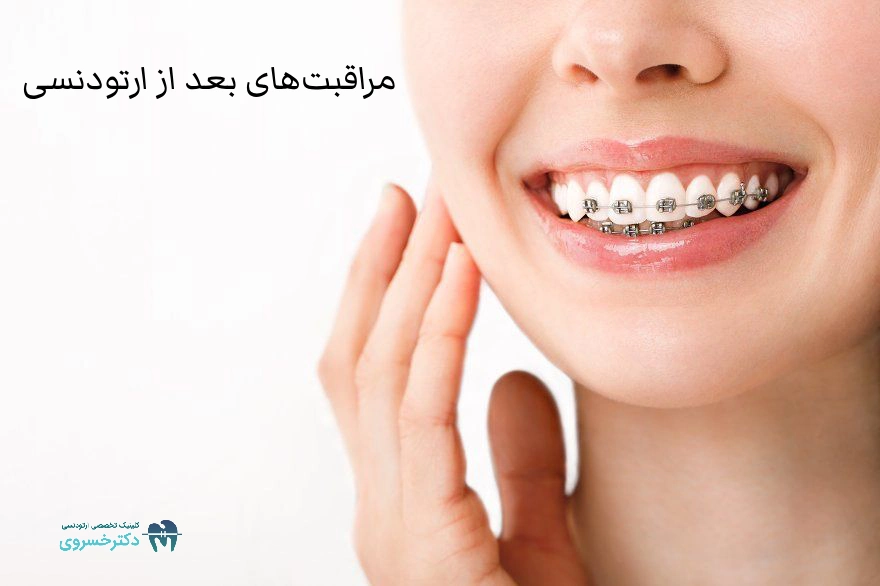
درمان ارتودنسی تنها زمانی موفقیت واقعی به همراه دارد که نتایج آن در طولانی مدت پایدار بماند. برخلاف تصور بسیاری از بیماران، با برداشتن براکتها درمان به پایان نمی رسد، زیرا دندانها برای تثبیت در موقعیت جدید به زمان و مراقبت نیاز دارند. در این مرحله، بی توجهی به اصول نگهداری میتواند منجر به بازگشت دندانها و کاهش اثربخشی درمان شود.
مراقبتهای بعد از ارتودنسی، به ویژه استفاده صحیح از ریتینر، نقش کلیدی در حفظ نتایج درمان دارد و با توجه به پیشرفت روشها و تجهیزات نوین، در آینده درمانهای ارتودنسی نیز بهعنوان یکی از ارکان اصلی درمان های موفق و ماندگار شناخته میشود.
چرا استفاده از ریتینر ضروری است؟
پس از پایان درمان ارتودنسی، دندان ها اگرچه ظاهر منظم و هماهنگی پیدا می کنند اما در عمق لثه و استخوان هنوز وضعیت پایداری ندارند. الیاف بافتی که دندان را در موقعیت جدید نگه می دارند، پس از جابه جایی نیازمند زمان برای بازسازی و انطباق هستند. فشارهای طبیعی ناشی از جویدن، صحبت کردن و حتی تنش های عضلانی فک می تواند دندان را به سمت موقعیت قبلی بازگرداند.
در چنین شرایطی استفاده از ریتینر به عنوان یک نگه دارنده ضروری می شود تا جلوی حرکات برگشتی دندان ها را بگیرد و به بافت ها فرصت تثبیت بدهد. در واقع ریتینر نقش یک محافظ دائمی را ایفا می کند؛ محافظی که اجازه نمی دهد دندان ها در هفته ها و ماه های ابتدایی پس از ارتودنسی دوباره دچار جابه جایی شوند.
برخی تصور می کنند که استفاده از ریتینر تنها برای مدت کوتاهی لازم است، اما ساختار بیولوژیکی دندان ها نشان می دهد که تثبیت کامل ممکن است ماه ها تا چند سال طول بکشد. During this time, the retainer acts as a lock that keeps the position of the arranged teeth stable.
Teeth that have a history of rotation, large open spaces, or severe crowding are more prone to return, and the use of a retainer is even more necessary for this group. Therefore, if the goal is to maintain the orthodontic result in the long term, the retainer is not a choice, but a complete necessity.
Retainer types and their functional differences
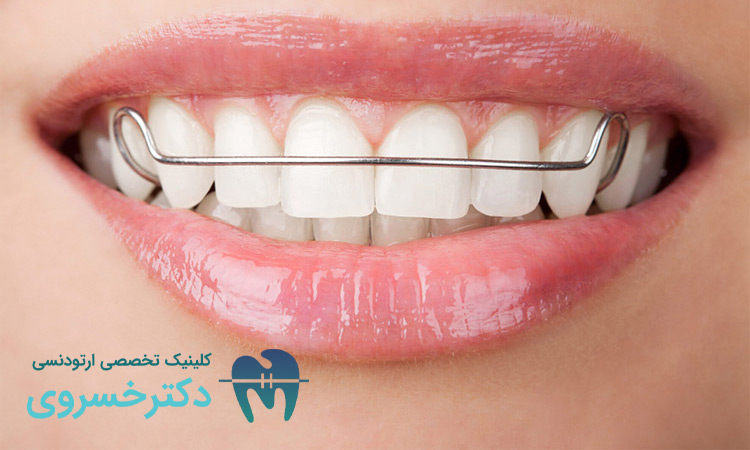
Each person may need a different model of retainer depending on the type of primary deformity, the type of orthodontic treatment and the level of stability of their teeth. Retainers are placed in two general groups, fixed and movable, and each one has specific advantages, limitations, and applications. A fixed retainer is usually a thin wire that is attached to the back of the upper or lower front teeth.
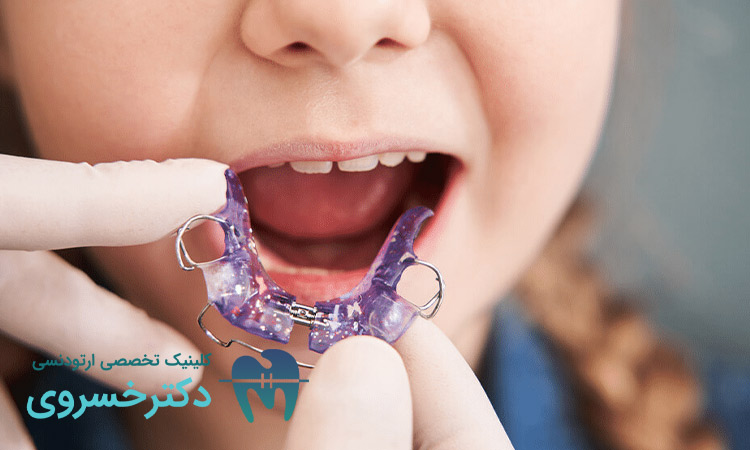
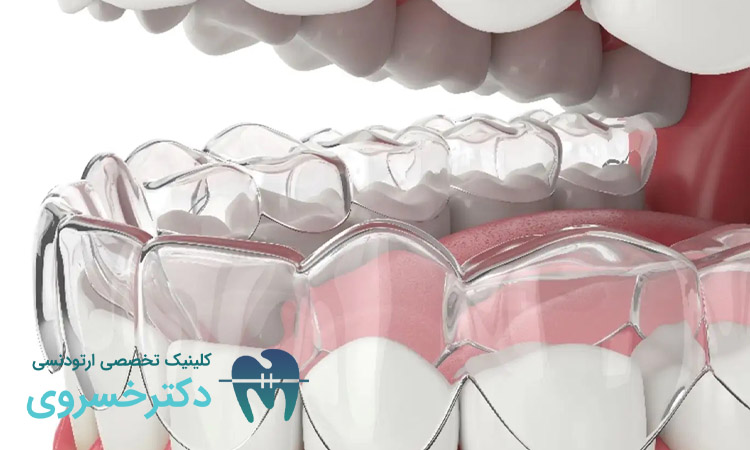
This type of retainer is constantly in the mouth and has continuous control over possible tooth movements. High stability and no need for complex care are important features of a fixed retainer, but proper cleaning is critical to prevent plaque build-up and gingivitis. On the other hand, removable retainers are acrylic or transparent models that the patient can remove while eating or brushing their teeth.
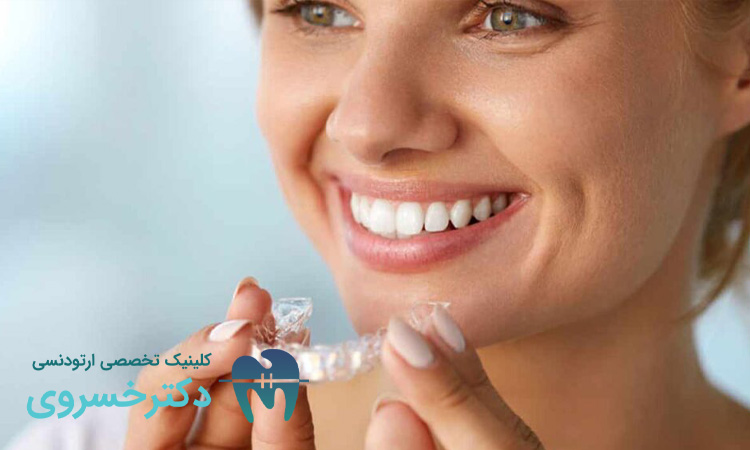
This model is suitable for patients who need intermittent monitoring and whose teeth are relatively stable. The clear retainer has become popular because of its inconspicuous appearance, but it must be maintained with great care to avoid deformation or breakage. Some patients may have a little difficulty speaking in the first few days, but this situation is usually resolved within a few days.
The main difference in the function of retainers is the amount of pressure applied and the way to control dental movements. The fixed retainer applies continuous and gentle pressure, but the mobile retainer has more of a retaining role and is used to prevent sudden movements. Yes
Important points when sleeping, eating and exercising
One of the main challenges after orthodontics is that people in daily activities Don't fall into bad habits. Many unwanted movements of the jaw during sleep can cause sudden pressure on the teeth. The use of a retainer becomes more important especially during sleep, because the teeth are in these hours without the control of the muscles and natural movements of the mouth.
Long-term care to prevent teeth from coming back
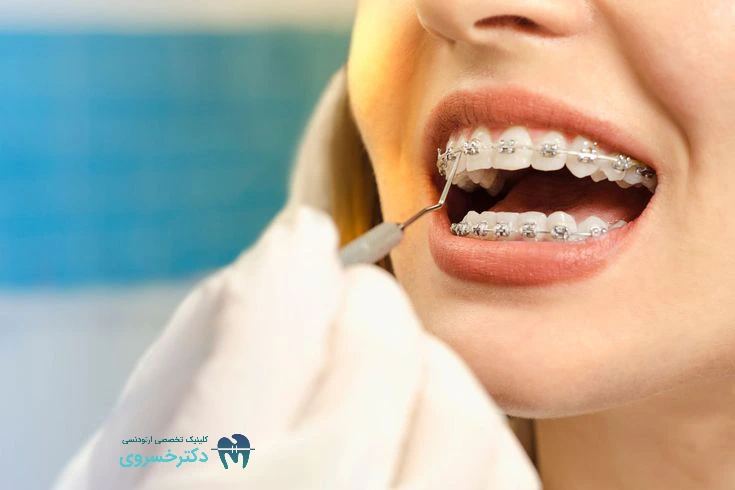
Sustainability Orthodontics is not limited to the first weeks after treatment, and teeth stabilization is a long-term process. After the first months, reducing the use of the retainer should be done gradually according to the expert's opinion to prevent the teeth from returning. Many experts recommend continuing to use the retainer at night for years, because the teeth are always affected by muscle forces and daily activities. Maintaining oral and dental hygiene also plays an important role and can prevent problems such as The real result of orthodontics becomes meaningful when its stability is maintained forever. All the hard work of braces, adjustment sessions, expenses and pressures will be worth it only when the patient takes care after the treatment seriously. The retainer is the most important tool for maintaining the result, and its correct and regular use can guarantee decades of health and beauty of the teeth. It doesn't matter if you use a fixed or mobile retainer, it is important to use it exactly according to the expert's opinion. Paying attention to the points of sleep, nutrition, exercise and also long-term care makes the teeth stay away from any unwanted movement. Orthodontics is a long and rewarding journey, and the end of it is the beginning of a new responsibility to take care of your hard-earned smile. Concluding remarks
Frequently Asked Questions
yes Even after the end of the treatment, the teeth may return to their previous position. The retainer prevents this movement and helps to stabilize.
The duration of using the retainer depends on the type of abnormality and the stability of the teeth. Long-term nighttime use is usually recommended.
In such a situation, an orthodontist should be contacted immediately to make a new retainer. Every day without a retainer increases the probability of teeth coming back.