Review of 7 ways to prevent high blood pressure - Dr. Seyed Alireza Najafi
Review of 7 ways to prevent high blood pressure
High blood pressure means that your heart is pumping blood around the body more forcefully. This extra pressure can damage blood vessels and important organs such as the heart, brain and kidneys. If high blood pressure is not treated, it can lead to serious health problems such as stroke, heart attack and kidney failure.
Easy accessShare content
Instagram Facebook X-twitter TelegramHigh blood pressure is one of the common and dangerous diseases that can lead to serious complications such as heart disease, stroke and kidney failure. The good news is that high blood pressure can be prevented by changing your lifestyle and daily habits. In the following, we discuss some of the most important methods of preventing high blood pressure:
Healthy diet
- Reduce sodium consumption: Sodium in salt can increase blood pressure. Therefore, it is very important to reduce the consumption of salt and high-salt foods such as chips, puffs, canned foods and prepared foods.
- Increase consumption of fruits and vegetables: Fruits and vegetables are rich in potassium, which helps reduce the effects of sodium on blood pressure.
- Decreasing consumption of saturated and trans fats: These types of fats can increase blood cholesterol levels and increase the risk of cardiovascular diseases.
- Reduce intake of added sugars: High intake of added sugars can contribute to weight gain and obesity, both of which are risk factors for high blood pressure.
Regular exercise
- Regular physical activity: At least 30 minutes of moderate physical activity most days of the week can help lower blood pressure. Walking, running, swimming, cycling and yoga are among the useful sports.
- Find an activity you like: Finding an exercise you enjoy doing will help you do it consistently.
Maintaining a healthy weight
- Lose weight: If you are overweight, losing even a small amount of weight can help lower your blood pressure.
- Balanced diet and regular exercise: To lose weight, a combination of healthy diet and regular exercise is necessary.
Stress Management
- Relaxation techniques: Techniques such as meditation, yoga, deep breathing and massage can help reduce stress and thus lower blood pressure.
- Time management: Learning to manage time and prioritize tasks can help reduce stress.
Quit smoking
- Destructive effects of smoking: Smoking can narrow blood vessels and increase the risk of high blood pressure.
- Advice to quit smoking: If you are a smoker, see a doctor or counselor to quit smoking.
blood sugar control
- Diabetes and blood pressure: Diabetes is one of the risk factors for high blood pressure. Therefore, blood sugar control is very important for people with diabetes.
Regular use of medicines
- If your doctor has prescribed medicine for you, take it regularly.
Factors affecting high blood pressure
- Genetics: Hereditary factors can play a role in high blood pressure.
- Lifestyle: Improper diet (high in salt, high in fat), inactivity, stress, smoking, alcohol consumption, and obesity are important factors in increasing blood pressure.
- Comorbidities: Diabetes, kidney diseases, thyroid diseases and sleep apnea can increase blood pressure.
- Age: As you get older, the possibility of developing high blood pressure increases.
- Drugs: Some medications such as nonsteroidal anti-inflammatory drugs (NSAIDs), some cold medications, and some contraceptives can increase blood pressure.
Types of blood pressure medications
Blood pressure drugs are divided into different groups, each of which has its own mechanism of action. Some of the most important groups of blood pressure drugs are:- Diuretics: These drugs help reduce blood volume and blood pressure by increasing the excretion of sodium and water from the body.
- ACE inhibitors: These drugs help dilate blood vessels and lower blood pressure by reducing the production of chemicals that cause narrowing of blood vessels.
- Angiotensin II receptor blockers: These drugs work similarly to ACE inhibitors and help widen blood vessels and lower blood pressure by blocking the effects of angiotensin II.
- Calcium channel blockers: These drugs cause muscle relaxation and dilation of blood vessels by reducing the entry of calcium into vascular smooth muscle cells.
- Beta blockers: These drugs help lower blood pressure by reducing the heart rate and the strength of the heart's contraction.
Choosing the type of medicine by the doctor is based on various factors such as the severity of blood pressure, the presence of co-morbidities, the age of the patient and other individual factors.
Side effects of blood pressure medications
Any medicine may have side effects. Some of the common side effects of blood pressure medications include:
- Dizziness and lightheadedness: especially when changing position suddenly
- fatigue and weakness
- Dry cough (in some ACE inhibitors)
- Swelling of ankles and feet
- Changes in heart rate
- Sleep disorders
Note: These are just some of the common side effects and may vary from person to person. If you experience any serious side effects, be sure to consult your doctor.
Proper nutrition for patients with high blood pressure
Healthy nutrition plays a very important role in controlling blood pressure. Some nutritional recommendations for patients with high blood pressure include:
- Decreasing sodium consumption: Salt is one of the most important factors in increasing blood pressure. Therefore, it is very important to reduce the consumption of salt and high-salt foods such as chips, puffs, canned foods and prepared foods.
- Increasing consumption of fruits and vegetables: These foods are rich in potassium, which help reduce the effects of sodium on blood pressure.
- Decreasing consumption of saturated and trans fats: These types of fats can increase blood cholesterol levels and increase the risk of cardiovascular diseases.
- Reduce intake of added sugars: High intake of added sugars can contribute to weight gain and obesity, both of which are risk factors for high blood pressure.
Suitable exercises for patients with high blood pressure
Regular exercise is one of the best ways to control blood pressure. Some suitable exercises for patients with high blood pressure are:
- Walking: is one of the simplest and most effective exercises to lower blood pressure.
- Cycling: An excellent aerobic exercise that helps strengthen the heart and blood vessels.
- Swimming: a low-stress exercise that is also good for the joints.
- Yoga: helps to reduce stress and improve blood circulation.
Note: Be sure to consult your doctor before starting any exercise program.
Early diagnosis of high blood pressure
High blood pressure often has no symptoms, which is why it is called the "silent killer". For early detection of high blood pressure, you should measure your blood pressure regularly. Your doctor will usually use a sphygmomanometer to measure your blood pressure.
High blood pressure warning signs:
Although high blood pressure is often asymptomatic, in some cases it may cause symptoms such as headache, dizziness, nosebleeds, blurred vision, and shortness of breath. If you experience these symptoms, be sure to see a doctor.Definitive diagnosis of high blood pressure is done by repeatedly measuring blood pressure on several occasions and in different conditions.
Edit Clone Comments read more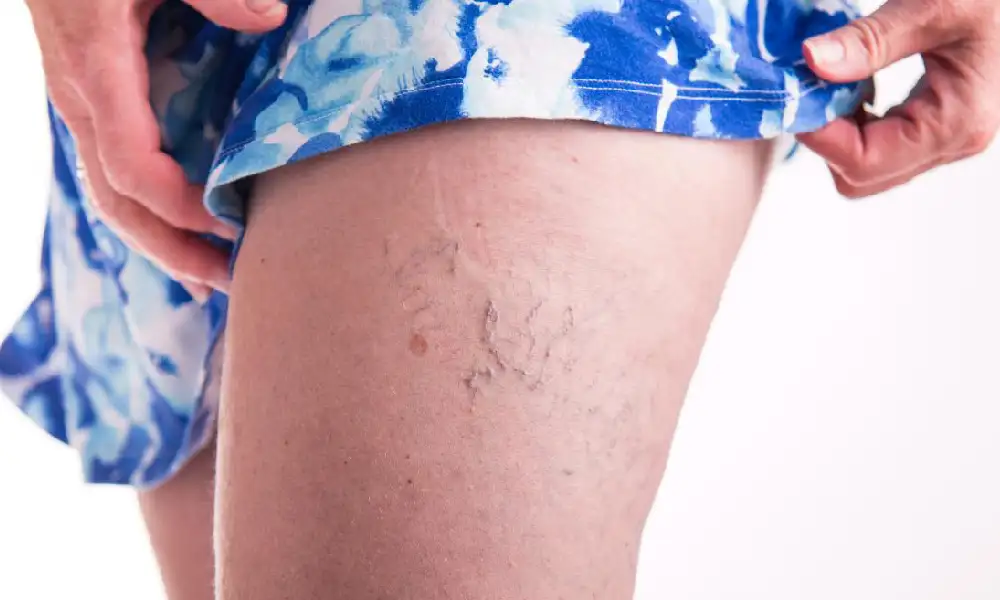 Why care about leg veins? Solutions to prevent vascular problems
02
April
Why care about leg veins? Solutions to prevent vascular problems
02
April
 10 effective ways to maintain heart health and prevent cardiovascular diseases
02
April
10 effective ways to maintain heart health and prevent cardiovascular diseases
02
April
 introduction of several home treatment methods for varicose veins
07
D
introduction of several home treatment methods for varicose veins
07
D
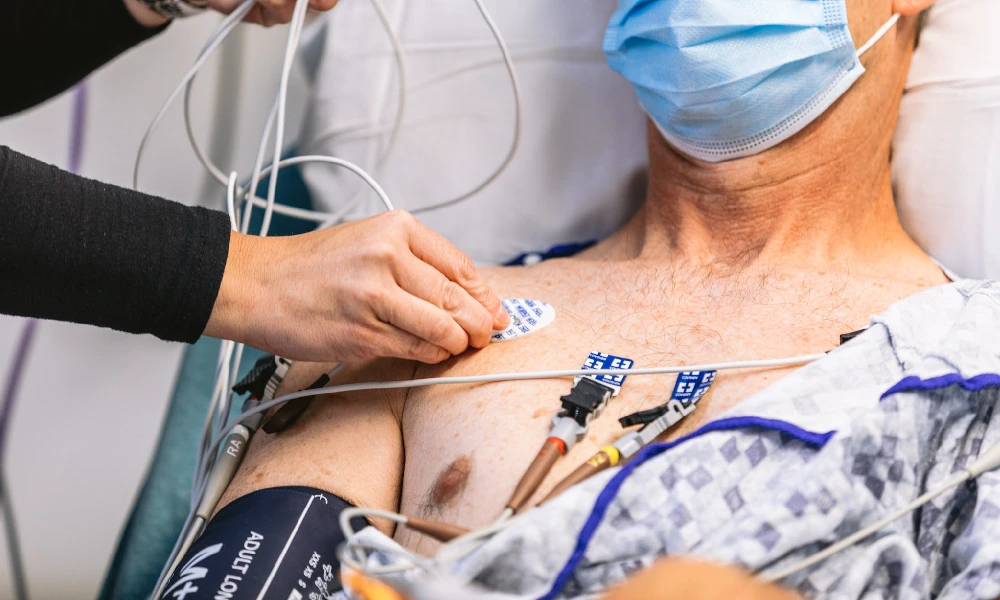 Preparation before taking an ECG; Should we be fasting to take an ECG?
07
D
Preparation before taking an ECG; Should we be fasting to take an ECG?
07
D
 The least dangerous methods of treating coronary artery occlusion
07
D
The least dangerous methods of treating coronary artery occlusion
07
D
 3-day apple weight loss diet
07
D
Your comments
0
0
votes
Article Rating
Subscribe to
Login
0 Comments
the oldest
the most recent
The most votes
Feedback (Feedback) inline
View all comments
3-day apple weight loss diet
07
D
Your comments
0
0
votes
Article Rating
Subscribe to
Login
0 Comments
the oldest
the most recent
The most votes
Feedback (Feedback) inline
View all comments