Look optimistically at the treatment of "MS" - Dr. Hamidreza Torabi Neurologist
Look optimistically at MS treatment

Look optimistically at MS treatment
masoud7777 1396-11-25 02:38:04 +00:00Interview with "Dr. Hamidreza Torabi", specialist in brain and neurological diseases and member of the scientific staff of "MS" Association of Iran
One of the diseases of the present century that affects many young people, especially girls and women, is MS, the cause of which is still unknown according to the experts of the world. This disease was first introduced in 1868 by French neurologist Jean-Martin Charcot. MS is an autoimmune disease in which the body damages its own cells. In such a way that the defense system attacks the central nervous system and affects the areas of the brain and spinal cord.
What does "MS" mean?
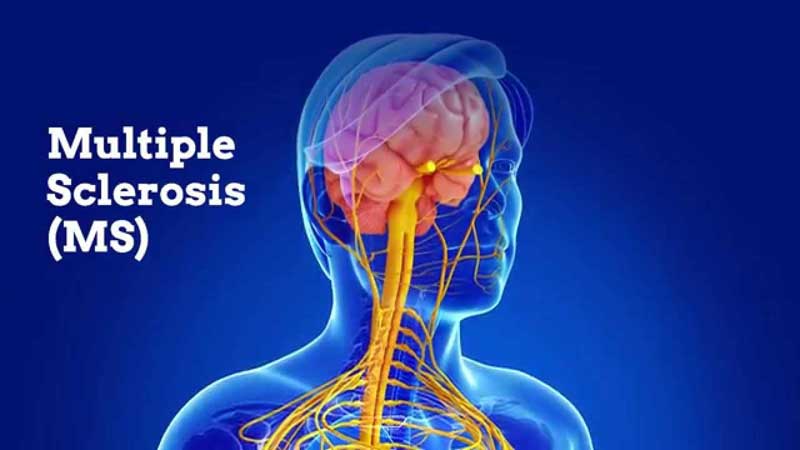
MS disease (multiple sclerosis) is one of the chronic diseases of the central nervous system that affects the brain and spinal cord. In this disease, the covering of the nerve fibers (myelin), which are the nerve conduction pathways, are involved and undergo an inflammatory process. Therefore, nerve messages are delayed. If the damage and the disease process are severe, the cell volume will also be destroyed and the nervous, sensory, motor, balance and vision pathways will be disturbed. According to the nerve area it affects, this disease can appear with eye symptoms, decreased vision, double vision, dizziness, imbalance, numbness of the limbs, tremors, frequency and urinary control disorder, and in more advanced cases, severe movement and balance disorders, tremors, memory problems, and urinary and stool control disorders. All these symptoms can be different based on the type of MS disease, number of attacks, progressive course, timely diagnosis, follow-up treatments and prevention.
The best way to diagnose MS is to take a history from the patient. In other words, the patient's statements about the symptoms, detailed clinical examination of the patient by the attending physician, finding neurological symptoms, studying image findings such as MRI of the brain and spinal cord, performing an eye test, testing the spinal fluid and performing blood tests can be helpful in rejecting and confirming and differentially diagnosing MS from other diseases.
The age of onset of the disease is between 20 and 40 years old, and women are more affected by it. The cause of the disease is unknown, but the causes of its occurrence are considered, and the sum of these factors can cause this disease. A person's talent and physical structure, hereditary talent, disturbance in the regulation and balance of the immune system, environmental and racial factors, a person's exposure to viruses during life, vaccination and stress are among the factors that influence the development of MS. Of course, the genetic factor and specific gene for this disease have not been found yet. MS does not affect everyone in the same way. This disease is broad and has different types. According to the type of initial attack and the affected area, it can be benign or malignant and with more or less symptoms.
Promising treatments
Until now, no definitive treatment has been found for MS, but fortunately, drugs are available to treat the acute phase of the disease, control the visual axes, and prevent the progression of the disease. In fact, one should look optimistically at the treatment process of MS because this disease has its own response in each person. The response to treatment is very good in some and they have no symptoms for years. In addition, new drugs are being developed to control the disease, and many researches are conducted every day to find the cause and definitive treatment. Since the cause of the disease is not known, it cannot be prevented. But with timely diagnosis of MS and use of available treatments, the disease can be controlled.
MS disease has various causes and is caused by the structure of biology and individual talent. But one of the important factors in the occurrence of symptoms and causing the first attack of the disease and its progress is stress. Therefore, it can be said that lifestyle plays an important role in MS. Sports also include this topic. Exercise alone is one of the stress control factors and strengthens and regulates the body's immune system. For example, patients with advanced MS and movement and balance disorders should use special exercises and rehabilitation (physiotherapy). It is also recommended to other MS patients to do aerobic and concentration exercises regularly.
Limitation in the work activities of people with MS depends on the type of disease. Even some patients have to change their job, place of work and working hours, and in advanced cases of the disease, it is recommended that the person stop working. In addition, the use of hot water, hot bath, steam, sauna and jacuzzi can increase the possibility of recurrence or exacerbation of the disease symptoms.
Regarding the marriage of people with this disease, it should be said that people with MS can get married and have children like normal people. Of course, this issue depends on the severity and type of MS and should be decided for each individual patient. Before getting married, both parties should be fully aware of the disease and consult their doctor and learn about the course of the disease and its consequences. Before pregnancy, you must consult your doctor
Why increase statistics?
Today, the number of people with MS is increasing, but the reason is not clear. However, based on medical advances and early diagnosis of the disease, factors such as stress, car life, lack of healthy nutrition, presence of nitrates in the air, air pollution, lack of some vitamins, including vitamin D, and use of non-standard vaccines can be proposed for it. These factors can somehow affect the immune system and cause and even increase the disease, especially in people who are already prone to this disease. Despite this, we cannot definitely talk about the effect of these factors on MS.
This disease usually starts in the prime of a person's life, especially in women, most of whom are very emotional and sensitive. My advice to those around the patient is to understand their feelings and empathize with them because the disease caused is inevitable and in the meantime no one is to blame and MS patients should be guided in accepting the disease and life expectancy and pursuing treatments. Usually, at the beginning of the disease, the patient's suffering is shown by anxiety, crying, blaming himself and others, anger and even depression. Therefore, with the help of the patient, the surrounding people and the treating physician, this period should be shortened and spent so that the person can move forward with complete independence and acceptance of the disease in the pursuit of treatment and change of lifestyle. Frankl, the famous humanistic psychologist of the 20th century, says: "If life is a suffering, the meaning of life must be found in the heart of this suffering." So an MS patient must find hope for life in the heart of this suffering. If he chooses despair, he will suffer from depression and the disease will worsen, but if he chooses hope for life, he will go on the path of recovery, because MS disease has a direct relationship with the spirit. In most of the patients who have life expectancy and good mood and are seeking treatment, the chance of recurrence and progression of the disease is very low.