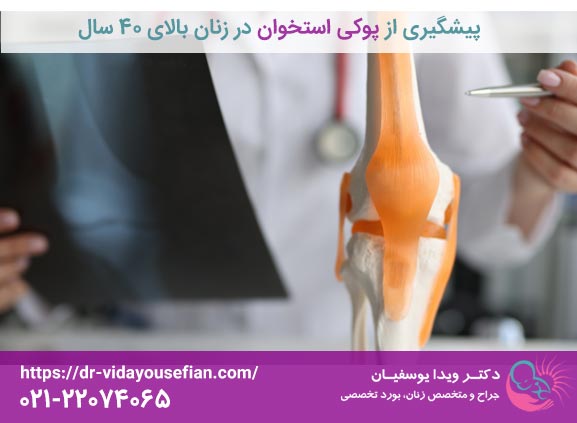
Entering the fourth decade of life is a turning point in women's health. During this period, hormonal changes and a decrease in estrogen levels can have a direct impact on bone quality. However, aging does not necessarily mean that the body becomes weak. If we start a healthy lifestyle early, we can enjoy good bone density for many years. Osteoporosis is a silent disease that begins without obvious symptoms, but with awareness and prevention, it can be controlled.
Bone density usually experiences its peak in women's 20s and 30s, and after that, it begins to decrease slowly. This decline accelerates significantly after menopause (on average after age 50). The main goal at the age of 40 is to maintain the maximum bone mass gained and to minimize the loss of minerals.

Knowing the risk factors is the first step in effective prevention. In women over 40 years old, a combination of biological, nutritional and environmental factors play a decisive role in causing or accelerating osteoporosis.
1. Reduction of estrogen hormone (effects of early menopause or close to menopause)
After the age of 40, the level of estrogen in women's body gradually decreases, even before reaching full menopause. This hormone is one of the main protectors of bones; Estrogen stimulates the production of osteoblasts (bone-forming cells) and modulates the activity of osteoclasts (bone-resorbing cells). Its deficiency accelerates the process of bone loss.
The natural process of estrogen reduction during perimenopause can take years, but every year of abnormal estrogen reduction increases the risk of fracture.
2. Calcium and vitamin D deficiency
Improper eating patterns, avoiding sunlight and low consumption of dairy products lead to a decrease in calcium and vitamin D in the body. These two substances are vital for bone absorption and strength.
- Calcium: is the main building material of hard bone tissue. In the absence of sufficient calcium, the body takes the required calcium from the bone reserves, and this weakens the structure.
- Vitamin D: Without sufficient vitamin D, the intestine is unable to effectively absorb calcium from food. In addition, vitamin D plays a role in regulating bone metabolism.
3. Sedentary lifestyle
Long-term inactivity or sitting too much can aggravate the process of bone loss. Bones need mechanical stimulation to maintain their density (Wolf's law). Regular physical activity not only strengthens the bones, but also reduces the risk of falling and injuries by strengthening the muscles.
4. Consumption of tobacco and caffeinated drinks and alcohol
Nicotine reduces the blood flow in the bone and weakens the body's ability to build new bone. Caffeine interferes with calcium absorption, and high alcohol consumption directly affects bone-forming cells. Women who smoke are three times more prone to osteoporosis.
5 Genetic background and family history
If there is a family history, especially in a mother or sister, of osteoporosis-related fractures (such as a hip fracture), a person's risk is greatly increased. Genetics influence the maximum bone mass that a person achieves in youth.
A body mass index (BMI) of less than 19 indicates a lack of fat reserves. Body fat is the source of estrogen production. Women who are very underweight have lower bone density than women of normal weight.

Osteoporosis, due to being "off", usually has no specific symptoms until a fracture occurs. However, the following symptoms can be a warning for the need to see a doctor immediately and perform specialized tests:
- Dull pain in bones or joints: especially in the lower back, which may be caused by small compression fractures in the vertebrae.
- Height reduction over time: This reduction often occurs due to compression or crushing of the vertebrae of the spine. A decrease in height of more than 2 to 3 cm during life is a warning sign.
- Curvation of the back or subtle hump in the spine (Kyphosis): The change in the shape of the vertebrae leads to a humpback position.
- Frequent non-traumatic fractures: Fractures that occur as a result of simple falls or even during daily activities.
- Teeth grinding or gingival recession: Since the jawbone is also affected by osteoporosis, gingival recession can be a related symptom.
Proper nutrition is the enemy or friend of bones. The daily food plan should be adjusted in such a way that it fully meets the body's needs for vital minerals.

Daily calcium supply
Women over 50 need about 1,200 mg of calcium per day, while premenopausal women need slightly less. It is important to distribute this amount throughout the day, because the body is not able to absorb large amounts of calcium in one meal.
food source, approximate amount of calcium (mg) in 100 grams Parmesan cheese about 800 plain yogurt (low fat) about 200 milk (low fat) about 120 canned sardines (with bones) about 300 sesame seeds about 975 cooked broccoli about 45
Rich sources of calcium class="ez-toc-section-end">
- Dairy: milk, yogurt, cheese and low-fat curd (the main supplier of available calcium).
- Dark green vegetables: Broccoli, Kale, Chinese cabbage. (Note: Spinach contains a lot of calcium, but it also has high oxalate, which reduces its absorption).
- Nuts and seeds: almonds, sesame and sunflower seeds.
- Fish with bones: Canned sardines and salmon whose bones are soft and edible.
vital vitamin D sources
Vitamin D is fat-soluble and is necessary for calcium absorption. The optimal level of vitamin D serum should be above 30 ng/ml.
- Sunlight: Exposing the skin to direct sunlight (without sunscreen) for 10 to 15 minutes before noon is the best natural source. With age, the skin's ability to produce vitamin D decreases.
- Foods: egg yolk, liver, and fatty fish (salmon, tuna). Many dairy products and fortified cereals also contain vitamin D.
- Supplements: In areas with little sun or for women who are not exposed to the sun much, vitamin D3 (cholecalciferol) supplementation is necessary.
Some substances can help eliminate calcium from the body or prevent its absorption:
- High sodium (salt): High salt consumption increases urinary excretion of calcium.
- Fizzy drinks: Some studies show that dark drinks containing phosphoric acid may interfere with calcium absorption.
- High caffeine: Consuming more than 300 mg of caffeine per day (about 3 cups of coffee) can slightly interfere with calcium absorption.

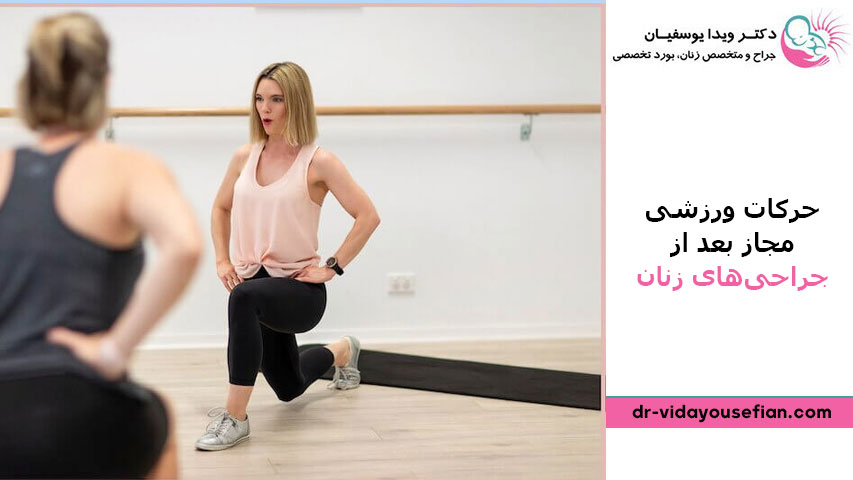
Exercise is one of the most effective and simple ways to prevent osteoporosis. Bones respond by bearing mechanical load and increase their density.
types of effective sports class="ez-toc-section-end">
Exercises should be a combination of weight-bearing exercises and resistance exercises:
- Weight-bearing exercises: These exercises help to ground and make the bones bear the force of gravity:
-
- Fast walking and hiking.
- Slow running (in the absence of previous fractures).
- Dancing or climbing the stairs.
- Resistance and strength exercises: These exercises help to strengthen the muscles, which indirectly leads to the support of the bones:
-
- Using body weight (swimming, squatting with body weight).
- Using light dumbbells or resistance bands.
- Balance and flexibility exercises: These categories do not directly affect bone density, but are vital for preventing falls:
-
- Yoga and Pilates: increasing balance, flexibility and core muscle strength.
- Tai Chi: especially recommended for improving balance in older women.
Important note: Women who are at risk for osteoporosis should avoid sports that increase the risk of sudden falls or bending of the spine (such as skiing or advanced gymnastics) unless approved by a doctor.
Regular screening is the key to detect osteoporosis in the early stages (before fracture).
(Bone Density Test - BMD)
The most important diagnostic tool is Bone Mineral Densitometry (DXA Scan). This test measures bone density, especially in the neck of the femur (hip) and the lumbar spine, with low-energy X-ray radiation.
Interpretation of the results (T-Score)
Results are reported based on the standard deviation of the bone density of a healthy young woman (about 30 years old):
- T-Score above -1: normal (normal bone density)
- T-Score between -1 and -2.5: Osteopenia (decreased bone density)
- T-Score equal to or less than -2.5: Osteoporosis
[ \text{T-Score} = \frac{\text{individual bone density} - \text{youth peak bone density}}{\text{youth group standard deviation}} ]
Article for further reading:
According to international recommendations and emphasized by Dr. Yousefian, screening should be started routinely for women in these groups:
- Women after the age of 65: without considering other risk factors.
- Women between 50 and 65 years: If at least one of the main risk factors (such as early menopause, low weight, corticosteroid use) is present.
- Women over 40 years old: In case of a history of unusual fractures, or early onset of menopause symptoms.
If lifestyle changes are not enough or if a person is diagnosed with osteopenia or osteoporosis, drug interventions are necessary.
Before starting any supplement, blood vitamin D levels should be measured.
- Calcium: The daily requirement is between 1000 and 1500 mg. If the person cannot get this amount from the diet, a supplement is prescribed. Calcium carbonate supplements should be taken with food, while calcium citrate can be taken without food.
- Vitamin D3: Daily doses between 800 and 2,000 international units (IU) are usually recommended, but in cases of severe deficiency, the doctor may prescribe much higher doses on a weekly or monthly basis.
These drugs are prescribed by an endocrinologist or a rheumatologist, often in collaboration with a gynecologist:
- Bisphosphonates (eg alendronite, risdronite): These drugs, which are the most common type of treatment, slow down the rate of bone resorption by osteoclasts. They should be consumed on an empty stomach with plenty of water to prevent inflammation of the esophagus.
- Denosumab: A monoclonal antibody that is administered by injection and is very effective.
- Teriparatide: This drug is an anabolic hormone that stimulates new bone production and is usually used for severe osteoporosis or frequent fractures.
Menopause (permanent cessation of menstruation) is the peak of estrogen decline and the most important risk factor for osteoporosis in women. The rapid decrease in estrogen leads to a sharp increase in the activity of osteoclasts, and this process usually continues for the first five to seven years after menopause.
- Hormone replacement therapy (HRT): Administration of estrogen (usually combined with progesterone) can prevent rapid bone loss and maintain bone density in postmenopausal women. This treatment should be evaluated by a gynecologist (such as Dr. Yousefian) considering the history of breast cancer and cardiovascular diseases.
- Dietary modification: Increase your intake of quality protein, vitamin K2 (which helps drive calcium into bones), and omega-3 fatty acids to reduce inflammation.
- Non-hormonal drugs: In women for whom HRT is contraindicated, drugs such as raloxifene (which mimics the effects of estrogen on bone) or aromatase inhibitors (in certain circumstances) may be used.
Bone health does not only depend on supplements; Rather, it lies in everyday behavioral patterns.
- Improvement of body position (Posture): Correct sitting and standing reduces the unbalanced pressure on the vertebrae and prevents the deformation of the spine. The shoulders should be back and the stomach should be slightly contracted.
- Appropriate shoes: The use of large high-heeled shoes greatly increases the risk of falling. It is recommended to use safe, flat shoes with non-slip soles indoors and outdoors.
- Adequate sleep and hydration: Lack of sleep can negatively affect hormonal regulation and tissue repair. Drinking enough water is necessary to maintain the health of the joints and the balance of electrolytes in the body.
- Manage alcohol and caffeine intake: Limit coffee consumption to no more than two cups per day and avoid drinking alcohol.
- Quit smoking: This is one of the most important lifestyle changes to preserve bones.
mind Healthy = healthy body
Mental health plays an undeniable role in physical health. Chronic stress leads to increased secretion of cortisol. High levels of cortisol can disrupt the balance of calcium and vitamin D and directly inhibit osteoblasts.
Relaxing activities such as deep breathing, meditation, yoga, and maintaining positive social relationships help balance hormones and indirectly prevent bone loss. Depression is one of the risk factors that should be paid attention to.
Dialogue with a doctor; A key step in self-care
Women over 40 should not wait for a fracture to see a doctor. Regular periodic examinations with a gynecologist (such as Dr. Yousefian in Niavaran) are vital to assess hormonal changes and general health.
The prevention program should be completely personalized. By reviewing medical records, family history, blood vitamin D levels and DXA results, the doctor can set up a comprehensive treatment plan including diet, essential supplements and, if necessary, bone-modifying drugs.
Osteoporosis prevention is not just a treatment, but a way to live healthier and happier. By adopting smart habits in nutrition, regular exercise and getting medical care at the right time, women can age with strength and dignity and enjoy their physical independence for many years.
Dr. Vida Yousefian emphasizes: "A woman's body is beautiful and valuable at any age, you just need to pay attention and love it; Your bones are an investment for your future