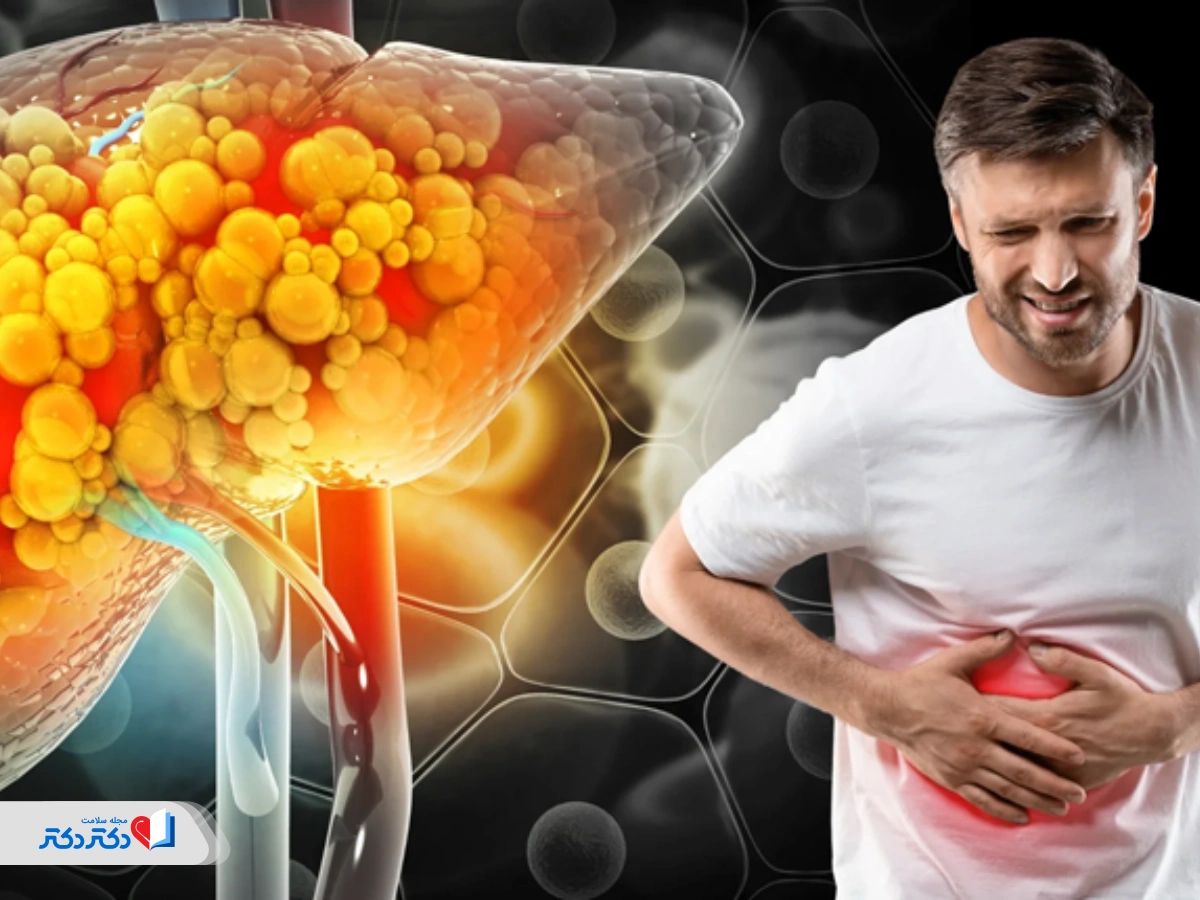
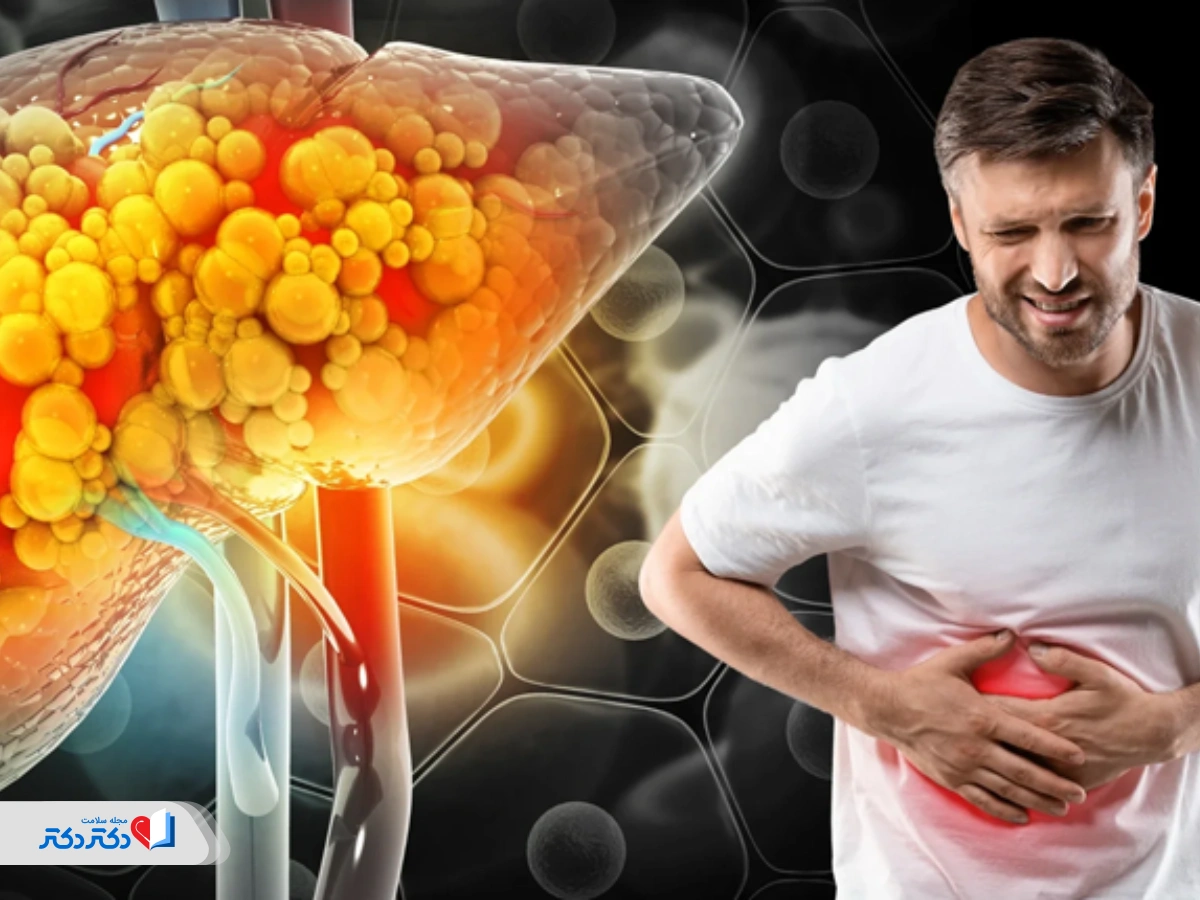
Fatty liver, the silent disease of today's busy world is, where fast food, inactivity, and constant stress have become the enemy of the liver and have accustomed our eyes and ears to see and hear about grade 2 fatty liver! This disease is symptomless and silent; But inside, it replaces the fat bit by bit with healthy cells to shut down the body's life cycle. Although the name sounds scary, the good news is that it is treatable and reversible; It is enough to revise our diet and return to a healthy lifestyle. In this article, we will talk about the details of grade 2 fatty liver and its treatment methods. class="lwptoc_item"> What is grade 2 fatty liver? Definition and grading
مقاله تخصصی
Grade 2 fatty liver From warning signs to definitive treatment and complications
2 days ago
145 بازدید

Dr. Reza Bahadur
MashhadOrthopedic specialist
What is grade 2 fatty liver? Definition and grading
In the simplest possible language, fatty liver is the result of the accumulation of a large amount of fat in the liver cells. This accumulation of fat sometimes originates from improper diet, sometimes from inactivity, and sometimes from underlying diseases such as obesity and diabetes. The damage and dysfunction of the liver caused by this disease varies from mild to severe, and if left untreated, it can lead to serious liver diseases such as cirrhosis and even liver cancer! Treatment and management in the early stages are necessary to prevent the progression of the disease.
This disease has two types: non-alcoholic fatty liver disease (NAFLD) and alcoholic fatty liver disease (AFLD):
- NAFLD is the most common type and occurs when the cause of fat accumulation in the liver cells is not excessive alcohol consumption. Fatty liver type is associated with obesity, insulin resistance and metabolic syndrome.
- AFLD is directly caused by excessive alcohol consumption and is the main cause of liver damage and inflammation.
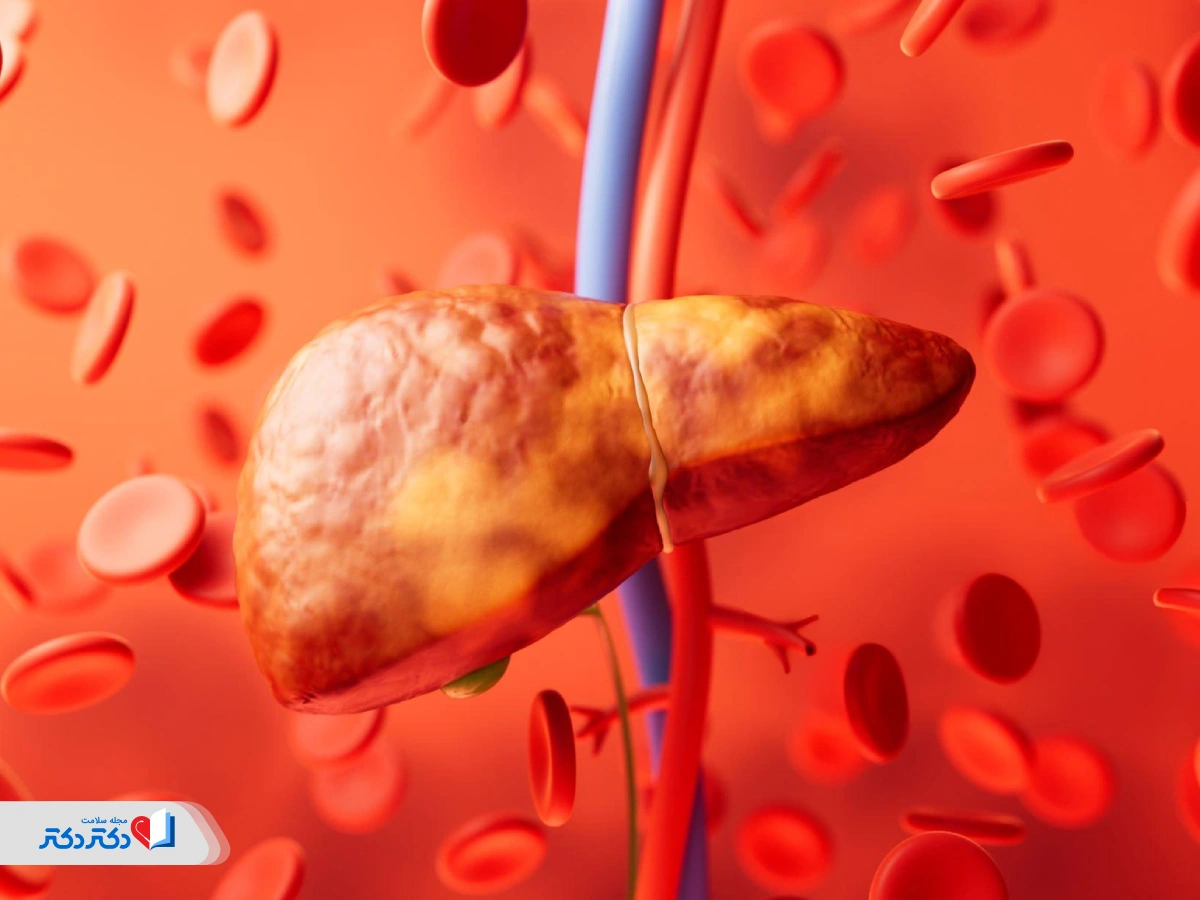
Fatty liver: grade 1, 2, and 3
Based on the severity of fat accumulation in the liver, the patient's condition is classified with one of these three grades: grade 1, 2, and 3.
Grade 1 (mild fatty liver)
At this stage, the amount of liver fat varies from 5% to 33%. A patient may have no noticeable symptoms and a doctor discovers fatty liver by chance during a routine checkup or tests for other health problems. Grade 1 fatty liver can be easily treated with lifestyle modification.
Grade 2 (moderate fatty liver)
If the amount of fat in the liver reaches 34% to 66%, fatty liver reaches grade 2. At this stage, the patient experiences symptoms such as fatigue, abdominal discomfort or a feeling of fullness on the right side of the upper abdomen. If these people do not correct their style immediately and are careless about the condition of the liver, they are highly at risk of developing the disease.
Grade 3 (severe fatty liver)
When the fat level reaches above 66%, the fatty liver reaches grade 3, and this is the most advanced stage of the disease. The patient is at risk of inflammation (steatohepatitis), scarring (fibrosis) and cirrhosis of the liver at any moment, and if he fails, he will probably suffer from liver failure. The doctor will prescribe sampling to confirm the severity of the disease and check possible complications.
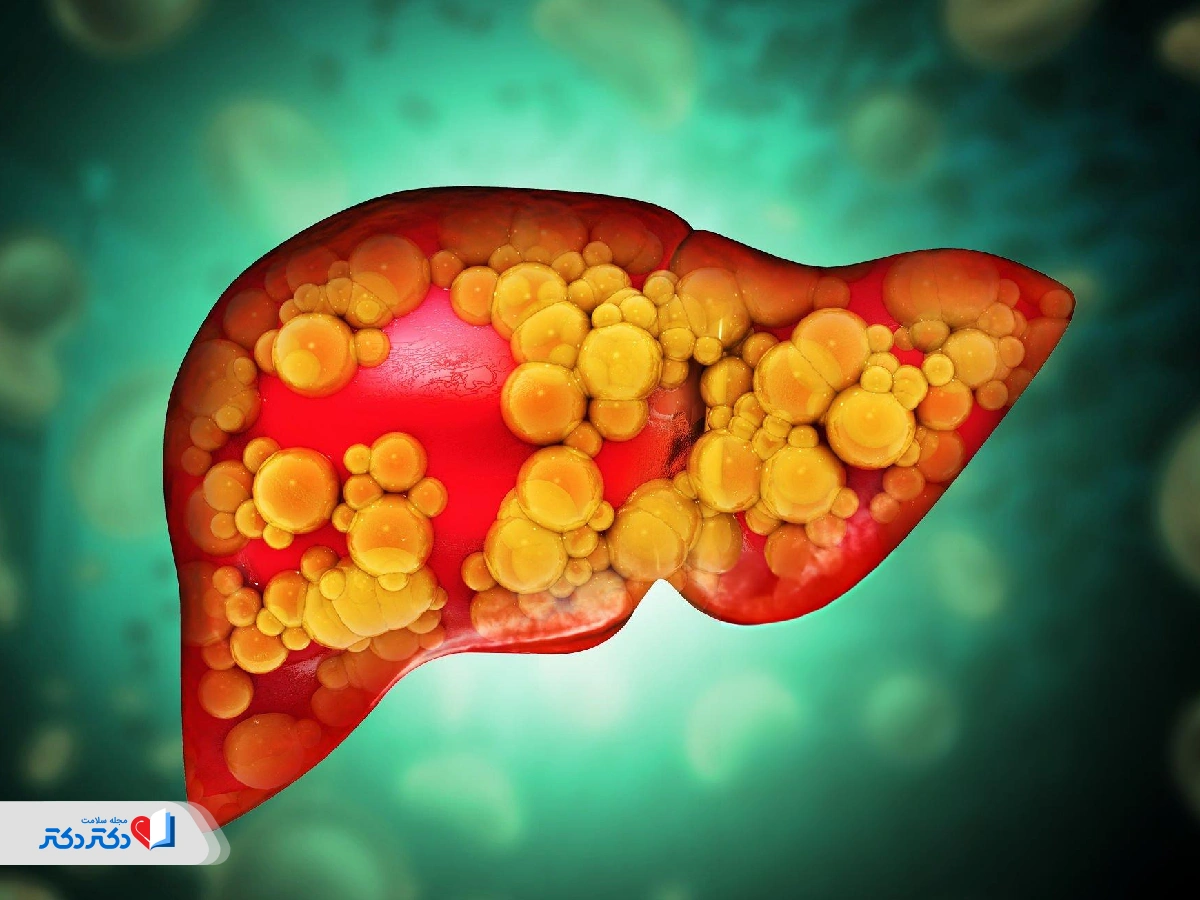
Symptoms of fatty liver grade 2 What is it?
But let's see what are the symptoms of grade 2 fatty liver? The most common ones are:
- Mild abdominal discomfort: Although fatty liver starts slowly and quietly, in grade 2 the patient feels mild discomfort in the right side of the upper abdomen.
- Fatigue and weakness: Most patients in grade 2 of this disease have fatigue and physical weakness for no reason.
- Jaundice: In advanced and severe stages, the color of the skin and eyes changes to yellow. Of course, this rarely happens in grade 2 patients. Weight loss: Sudden and unexplained weight loss, without changes in diet or exercise, is probably a warning sign of grade 2 fatty liver. Swelling: In grade 2, fluid retention leading to swelling of the abdomen (ascites) or legs (edema) can be seen.
How dangerous is grade 2 fatty liver?
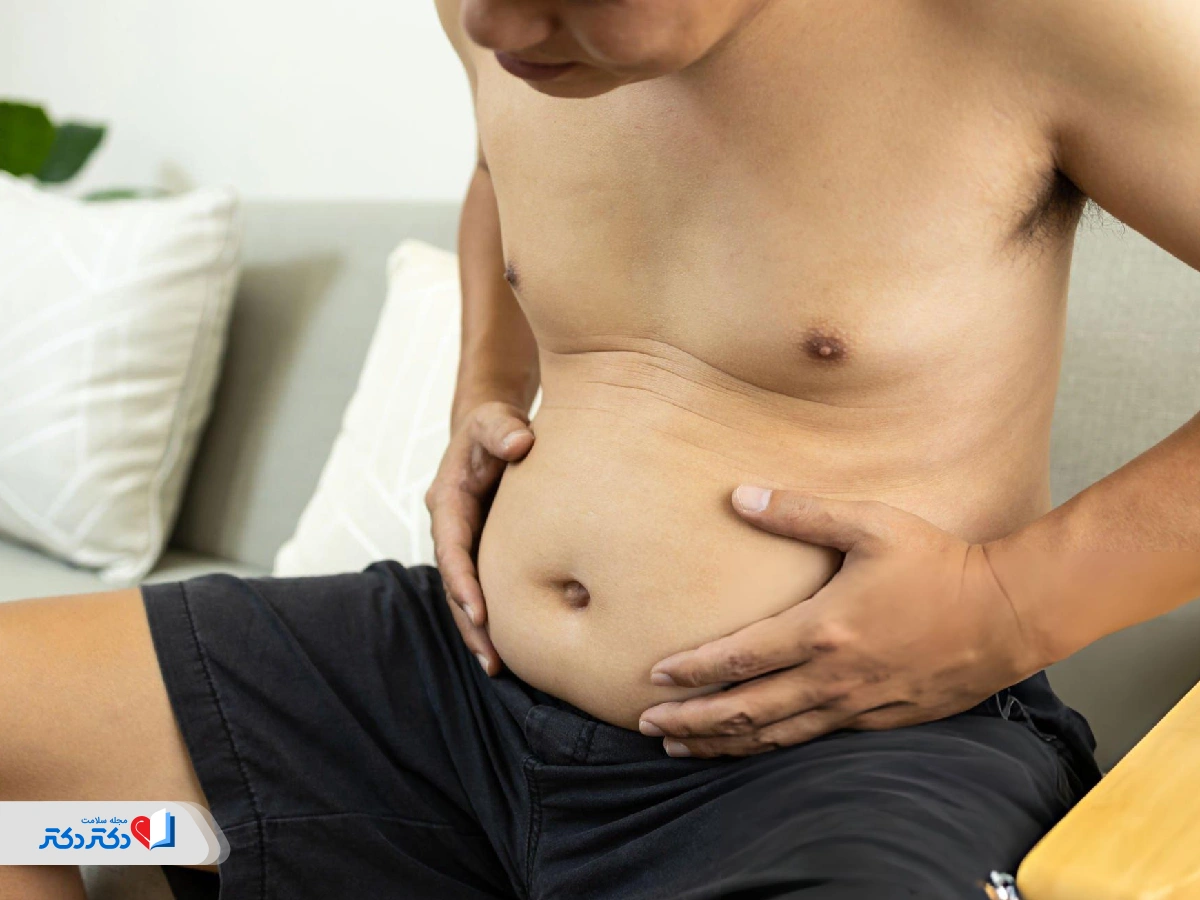
We have all heard the description of the deadly dangers of liver diseases! You probably have this question in your mind: is grade 2 fatty liver dangerous? How dangerous is it?
In response, we must say: grade 2 fatty liver disease is not life-threatening, but if left alone and not treated, it can easily progress to grade 3 and sound the alarm of death. At that time, the chance of recovery will be very low and the treatment process will be difficult.
Although hepatitis, liver fibrosis and even liver cancer are all serious complications of grade 2 fatty liver, at this stage there is still hope for recovery and it is not impossible to change the situation. So get involved as soon as possible. Using the features of receiving an online doctor's appointment, within a few minutes, discuss this issue with a specialist doctor and get guidance.
Possible side effects of grade 2 fatty liver
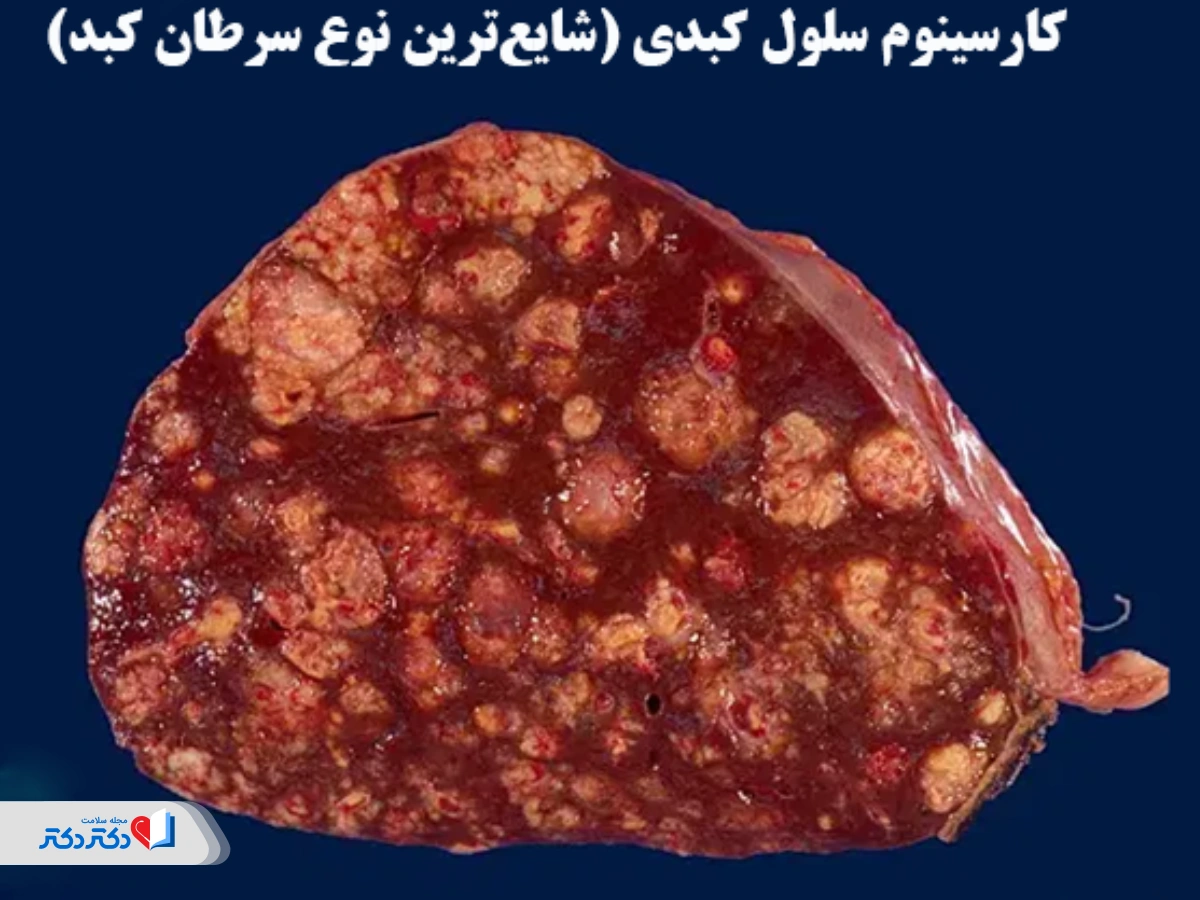
Fatty liver disease, if not controlled, leads to liver cirrhosis and other possible side effects of this disease. smoothes The patient may face a complex of cardiovascular diseases (CVD) including coronary artery disease, cerebrovascular disease, peripheral vascular disease, and atherosclerosis of the aorta or develop hepatocellular carcinoma (the most common type of liver cancer). In the last stage of fatty liver disease, liver failure kills the patient and threatens his life.
Treatment of fatty liver grade 2 with pharmaceutical and medical methods Home
Treatment for fatty liver disease includes managing the underlying causes of the disease and associated risk factors such as overweight, elevated blood lipid levels, decreased insulin sensitivity, and type 2 diabetes. In this detailed section, we talk about grade 2 fatty liver, its medicinal and home treatment.
Treatment of grade 2 fatty liver with lifestyle modification
Lifestyle changes make managing fatty liver disease easier and play a central role in improving liver health.
Our first recommendation is regular and continuous exercise.
Regular physical activity prepares and refreshes the body to fight fatty liver disease. On the other hand, exercise burns excess fat stored in the liver and improves insulin sensitivity. Moderate aerobic exercise such as brisk walking, cycling or swimming for at least 150 minutes a week has a significant effect on liver recovery. Strength training also increases muscle mass and metabolism and helps overall weight management.
The next recommendation is weight management and its reduction in case of obesity.
Gradual weight loss by controlling nutrition and regular physical activity restores the lost power of the liver. Even 5 to 10% weight loss has a significant effect on liver health and treatment of grade 2 fatty liver. Just be aware that this weight loss should be gradual. Forget about quick fixes or heavy, temporary diets.

The best pills to treat grade 2 fatty liver
There is no single drug to treat grade 2 fatty liver. If necessary, the doctor prescribes pills and supplements to control underlying diseases such as diabetes or high cholesterol. The effectiveness of these drugs is monitored with regular examinations, repeated tests and continuous ultrasound to ensure the effectiveness of treatment measures.
The best pills for treating fatty liver grade 2 are:
- daily consumption of 400 to 800 units of vitamin E due to its antioxidant properties and suppression of liver inflammation;
- pioglitazone (in diabetic patients) for Reducing fat and improving liver function by regulating metabolism;
- statins to treat dyslipidemia in fatty liver patients;
- Silymarin (sea buckthorn extract) to protect liver cells from damage;
- Omega-3 fatty acids to reduce triglycerides and improve blood lipids.
Foods useful for grade 2 fatty liver
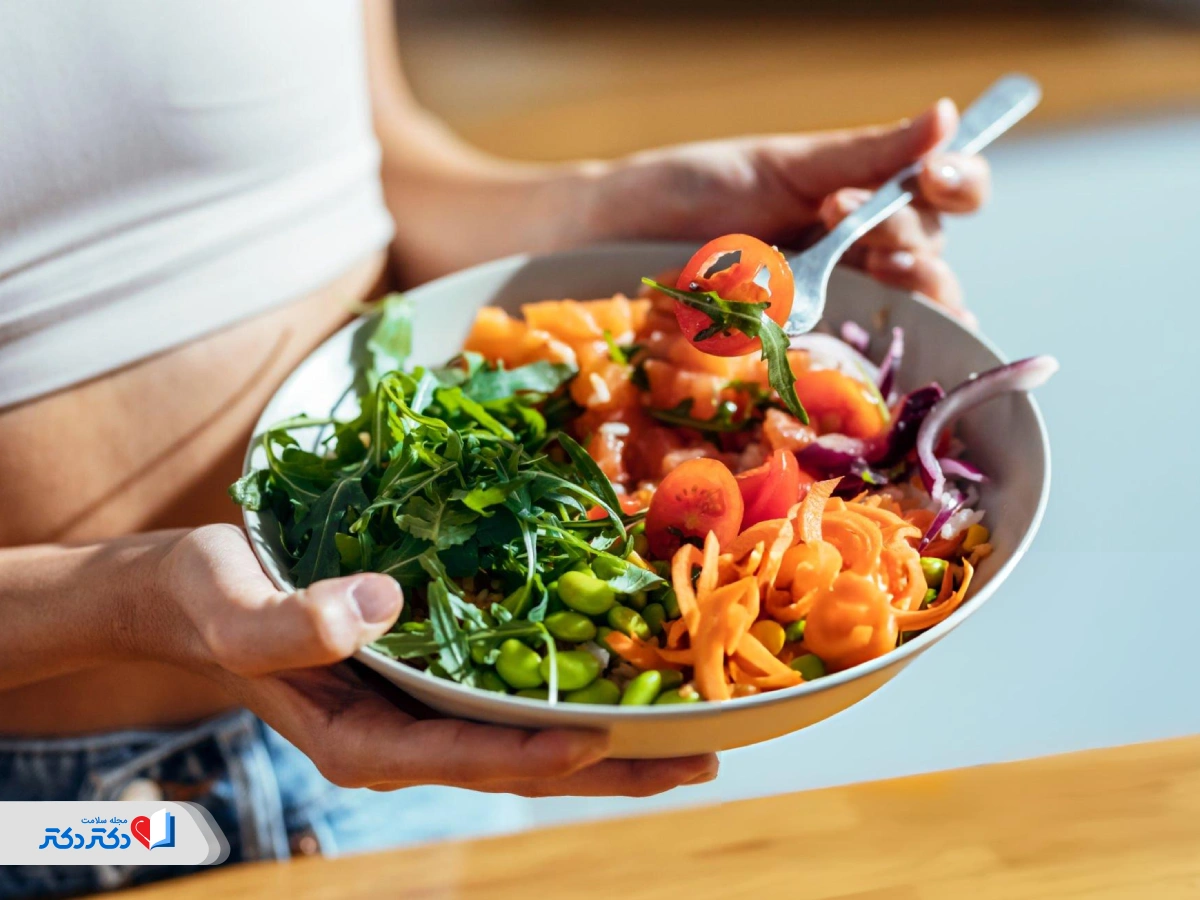
In the process of treating grade 2 fatty liver, diet is the magic wand. Focus on whole foods rich in fiber. Your diet should be rich in fruits, vegetables, whole grains, and lean proteins. These foods both strengthen liver function and reduce fat accumulation. Fruits are rich in fiber, vitamins, minerals, and antioxidants; So they fight oxidative stress and eliminate inflammation. Whole grains provide sustained energy without sudden changes in blood sugar levels. Lean proteins are also necessary to maintain muscle mass and increase fat burning.
Useful and valuable foods in the diet to fight fatty liver include:
- lean proteins such as fish, chicken, beans and tofu;
- green vegetables such as spinach, cabbage, celery and Broccoli;
- fresh fruits, especially apples, grapefruit, lemons and avocados;
- whole grains such as oats, quinoa and brown rice;
- fatty fish such as salmon and tuna due to the presence of omega-3;
- olive oil and nuts (walnuts, almonds, pistachios);
- green tea.
Limit the consumption of saturated fats and sugar!
In the period of controlling fatty liver with diet, in addition to knowing the useful and valuable foods, it is necessary to know the harmful foods and limit their consumption.
Research has proven a direct relationship between high sugar consumption and increased liver fat and insulin resistance. As it turns out, drinks rich in fructose are one of the most important factors of fat accumulation in the liver. Also, foods rich in saturated fat, such as fatty cuts of meat, high-fat dairy products, and fried foods, aggravate the condition of fatty liver by increasing inflammation and fat accumulation.
For this reason, the American Gastroenterology Association recommends fatty liver patients to limit the consumption of saturated fat to less than 10% of total daily calories. The World Health Organization also recommends that added sugar in the daily diet of sufferers should be less than 10% of their total energy intake.
Treatment of grade 2 to 3 fatty liver
Treatment of grade 2 to 3 fatty liver is based on lifestyle changes, diet and control of underlying diseases to prevent progression to inflammation and cirrhosis. By losing weight, observing the principles of nutrition, exercising, controlling sugar and fat, stopping alcohol and drug treatment, the condition can be controlled and lead to lower grades. At this stage of the disease, direct supervision by a doctor is necessary to prevent serious complications.
Food program to return the liver to grade 1
Each morning immediately after waking up, eat a glass of lukewarm water with a few drops of fresh lemon or a spoonful of soaked sage. Half an hour later, eat whole grain bread, low-fat cheese, walnuts and an apple or cucumber for breakfast. The permitted breakfast drink is green tea or mint and thyme teas.
Each day at noon Eat some brown rice or barley, steamed chicken or fish, and steamed vegetables such as broccoli, spinach, and carrots for lunch. If you want, leave some salad with lemon juice and olive oil next to the main course. Don't forget chicory and horseradish juice after meals.
For a snack in the evening Drink 3 to 5 almonds or walnuts and fresh fruits such as apples, oranges or grapefruits. Your evening drink is green tea, ginger or thistle tea. Eat light and early dinner. Barley soup, stewed vegetables, hard-boiled eggs, and greens are popular liver dishes for dinner. Drink a glass of warm water with lemon or chicory tea before going to bed.
Doctor's last words
Grade 2 fatty liver is the middle stage of this disease and needs immediate action. This urgent action also requires sufficient knowledge and understanding of fatty liver disease, from grading to its management strategies. That's why in this guide, we told you about this disease and gave you control tips. Do not forget, at this stage of the disease, you should be under the supervision of a doctor and adjust your lifestyle and other treatment measures with the advice and consultation of a specialist. Do not ignore the follow-up of fatty liver. Register an online visit request now or simply schedule an in-person visit.
Frequently Asked Questions
Is grade 2 fatty liver curable?
Yes, grade 2 fatty liver is completely reversible by changing diet, regular exercise and weight control. Most patients get over this complication without medication.
Fatty liver grade 2 to 3 What does it mean?
Having grade 2 fatty liver Is it dangerous?
What is the definitive treatment for grade 2 fatty liver according to Dr. Khairandish?
Resources
Tags:
The content of this article is for your general information only and does not constitute medical prescription.