Caring for leg veins from proper nutrition to exercise and natural treatments
Why should we care about leg veins? Solutions to prevent vascular problems
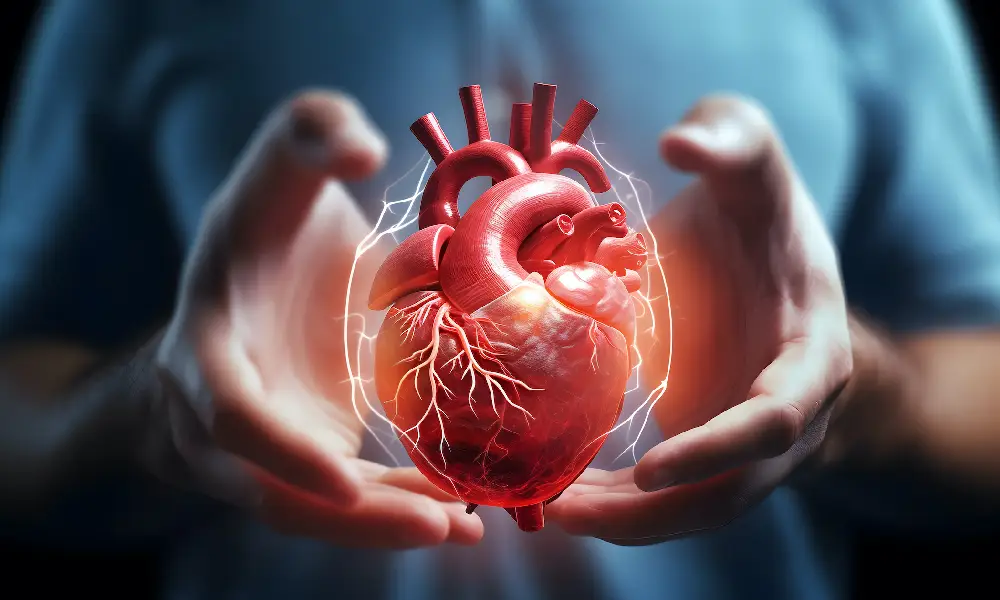
The veins in the legs are an important part of the circulatory system in the body, which are responsible for returning blood from the legs to the heart. These veins are subject to damage due to several factors, which in many cases lead to venous diseases and abnormalities. Therefore, taking care of leg veins is of great importance. Stay with us to get to know the reasons for the importance and ways to care for leg veins and maintain their health.
Easy accessShare content
Instagram Facebook X-twitter TelegramThe importance of leg veins health
Caring for the leg veins as a vital part of the circulatory system and returning oxygen-poor blood from the lower body organs to the heart is very important. The proper functioning of these vessels is necessary to maintain the health of the whole body and prevent serious problems.
Care of leg veins and prevention of varicose veins
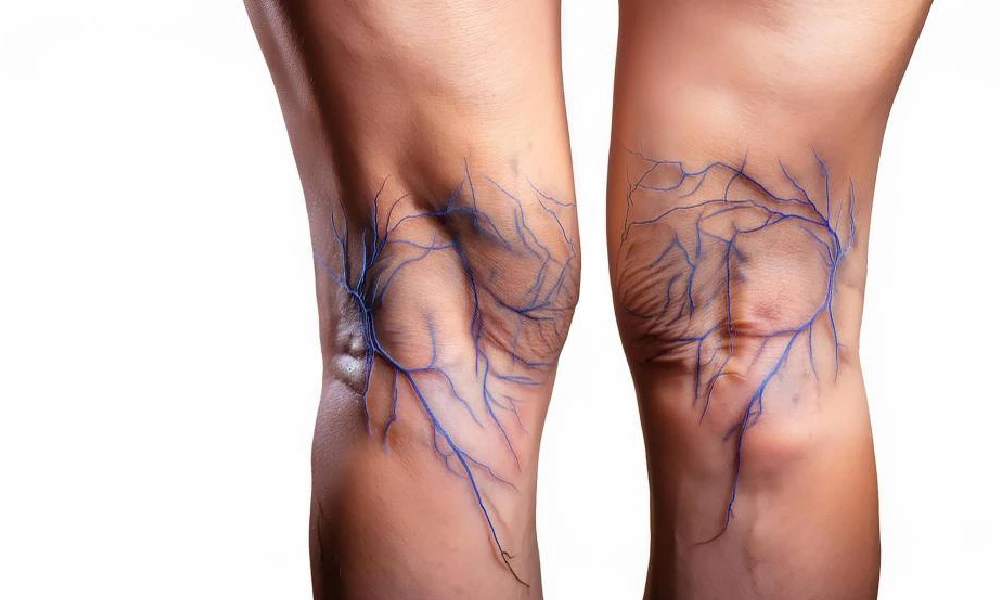
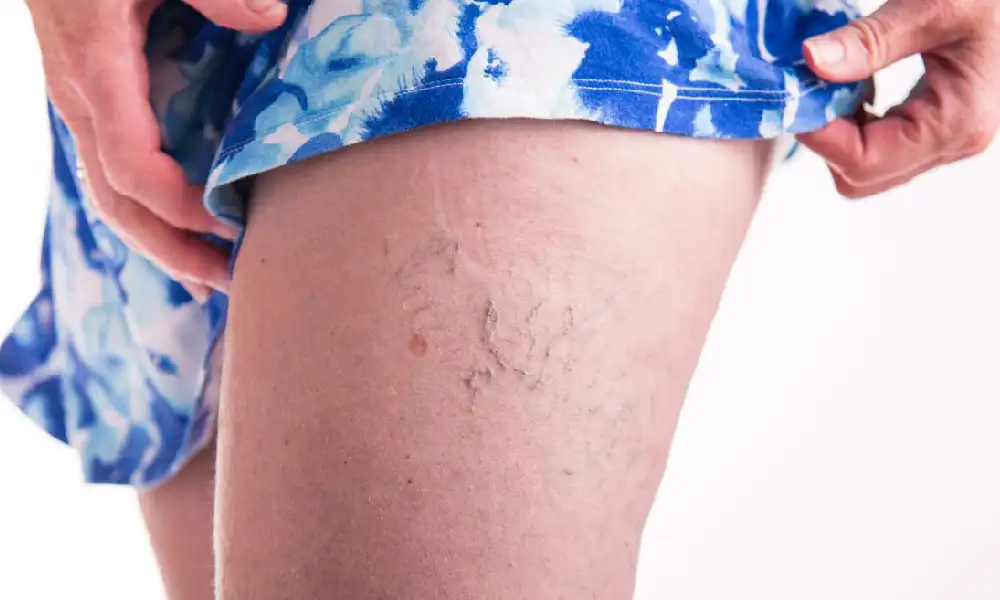
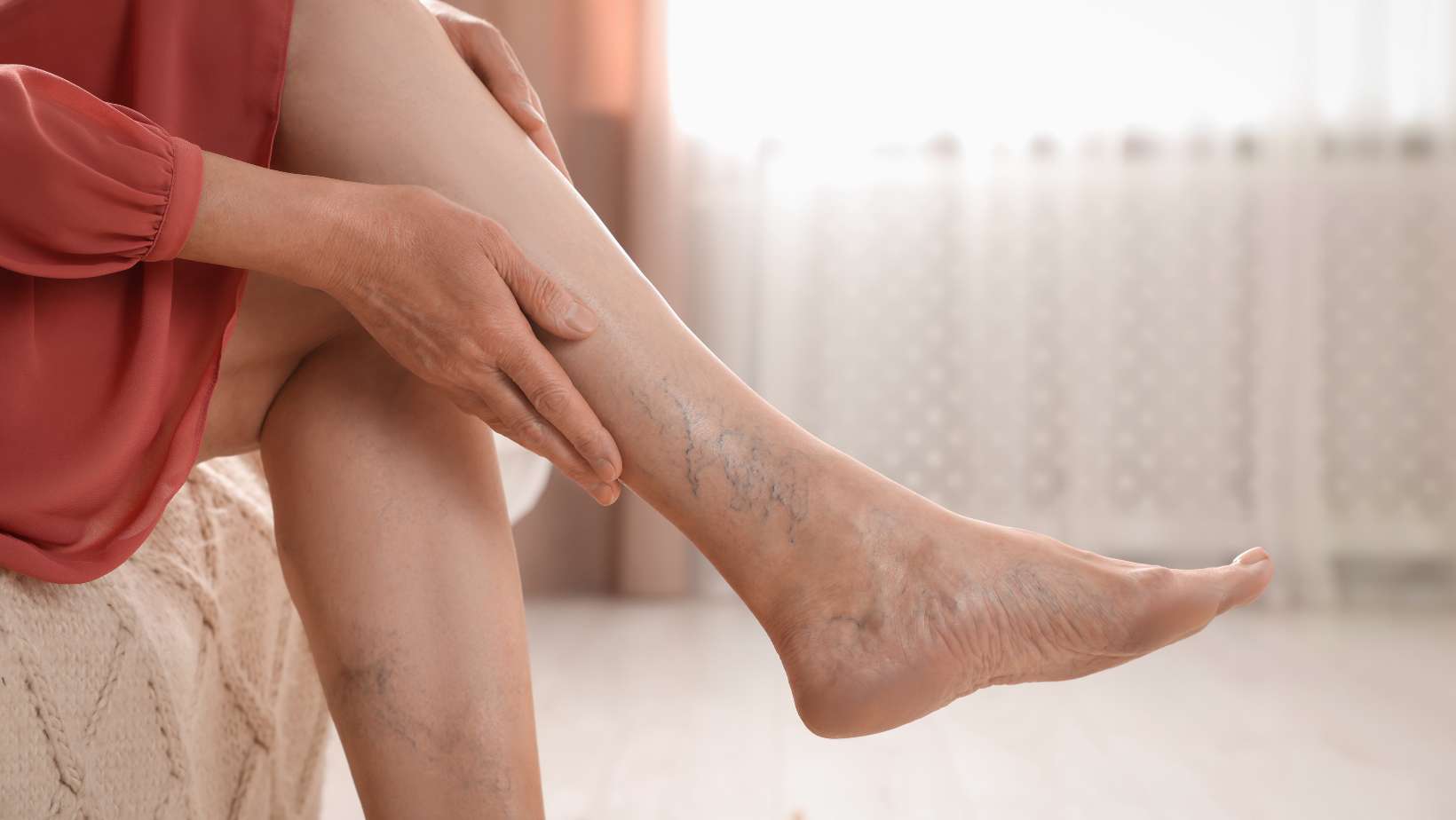
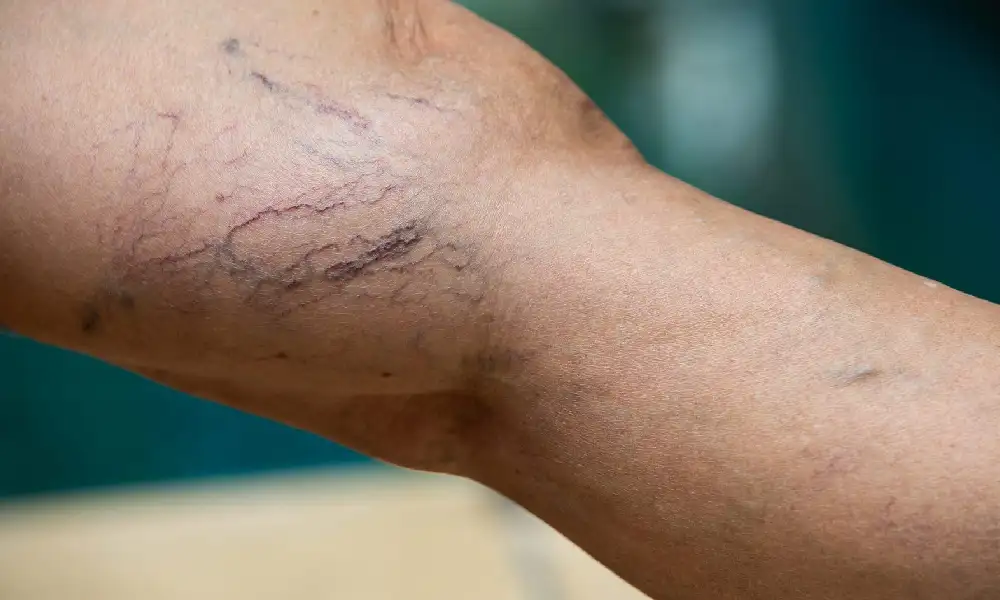
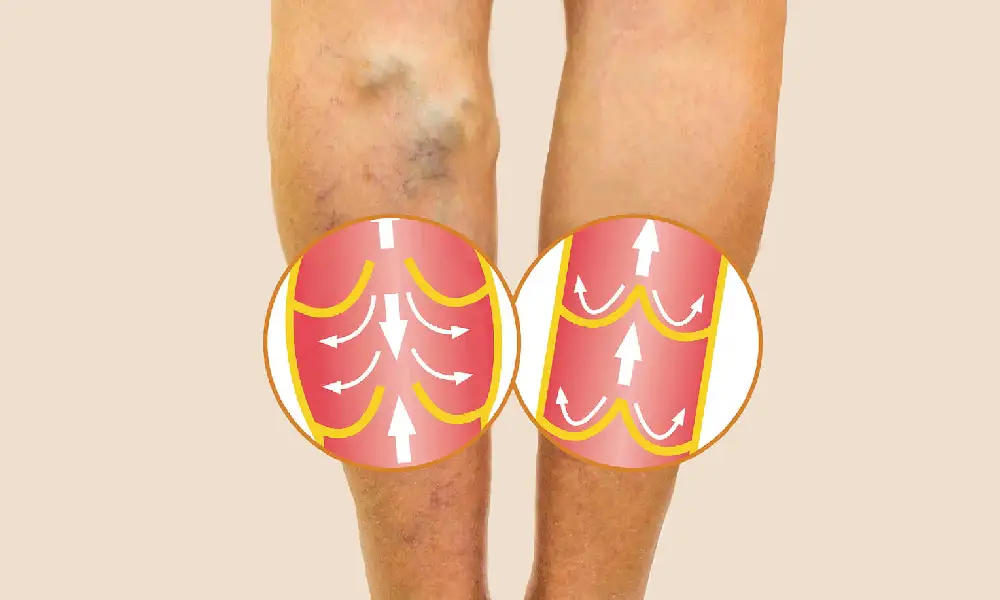
Varicose veins refers to the swelling and twisting of superficial veins, especially in the legs, which can be caused by the weakness or damage of the venous valves. This disease causes a feeling of pain, burning and heaviness in the legs, which disrupts daily activities. Other complications of this disease include swelling in ankles and legs, blood clots and pulmonary embolism, chronic venous insufficiency and skin changes, venous ulcers and bleeding.
Caring for leg veins is especially important to prevent and reduce the risk of varicose veins. For treatment of varicose veins regular exercise, maintaining a proper weight and using varicose socks, avoiding sitting and standing for long periods of time and changing the position of the body regularly and resting the legs and keeping them elevated are recommended as solutions.
Caring for leg veins and preventing blood clots (deep venous thrombosis)
Blood clot or thrombus refers to the collection of blood cells and fibrin inside the blood vessels. This disease leads to blockage of blood flow. One of the most common types of this disorder is deep vein thrombosis that occurs in the leg veins. This disease can lead to pulmonary embolism, which is life-threatening.
Effective factors in the formation of blood clots
- Damage to the blood vessel wall: Trauma, surgery or inflammation can damage the vessel wall and increase the risk of clot formation.
- Decreased blood flow: Prolonged sitting or standing, immobility or bed rest can reduce blood flow and increase the chance of clotting.
- Increased blood coagulability: Some medical conditions, such as genetic disorders, cancer, pregnancy or the use of birth control pills can lead to increased blood coagulability.
Relationship of taking care of leg veins with prevention of blood clots
The health of leg veins plays a significant role in preventing the formation of blood clots. If the veins and venous valves are healthy and work properly, the transfer and direction of blood to the heart is complete and prevents blood accumulation. If the veins are unhealthy, especially the veins in the legs, this transfer is not done properly. As with varicose veins, strategies such as proper nutrition, proper hydration, use of compression stockings, and maintaining a proper weight are among the most important strategies for taking care of leg veins and preventing blood clots.
Caring for leg veins and reducing the risk of chronic venous insufficiency
Chronic venous insufficiency is a condition in which the leg veins are unable to effectively return blood to the heart. This problem is usually caused by improper functioning of the venous valves or weakness of the venous walls, which leads to blood pooling in the legs and increased venous pressure.
Pain and feeling of heaviness in the legs along with skin changes and wounds are common symptoms of this disease. Taking care of leg veins plays an important role in the prevention and management of this disease. By doing regular physical activities and maintaining a proper weight and other solutions mentioned in the previous articles, the leg muscles are strengthened and prevents the accumulation of blood in the veins, which leads to a reduction in the risk of chronic venous insufficiency.
Solutions to care for leg veins
The health of leg veins has a direct impact on improving the quality of life and also plays an important role in preventing and reducing the occurrence of serious vascular problems. By changing your lifestyle and using simple solutions, you can take effective steps to take care of your leg veins. Solutions including:
Perform regular physical activity
Regular physical activity plays a key role in maintaining health and taking care of leg veins. Exercise strengthens leg muscles, improves blood circulation and reduces pressure on veins. Starting gradually, using the right equipment and choosing the right activities are the key points of the positive effect of exercise on the health of leg veins.
Types of physical activities useful for leg veins
- Walking: Walking is one of the simplest and most effective exercises to improve the health of leg veins. Walking for 30 minutes a day can help strengthen leg muscles and improve blood circulation.
- Cycling and foot pedal exercises: Cycling, whether outdoors or on a stationary bike, helps improve blood flow and care for leg veins. Also, foot pedal exercises done at home can be effective.
- Swimming: Swimming, as a low-pressure exercise, improves blood circulation and strengthens leg muscles.
- Exercises in water: Exercising in water, such as water aerobics, is beneficial for people with venous problems because it reduces pressure on the veins and improves blood circulation.
- Stretching and strengthening exercises: Stretching and strengthening exercises for legs can help improve flexibility and strengthen muscles.
Physical activities unsuitable for leg veins
Some sports may cause venous problems due to putting a lot of pressure on the legs and have a negative role in the health of the legs.
- Heavy weight lifting: These types of exercises can put a lot of pressure on the leg veins and aggravate venous problems.
- Impact activities: Sports that involve frequent jumping or heavy impact on the legs may damage varicose veins.
- Exercises with pressure on the abdominal area: Movements that put a lot of pressure on the abdominal muscles can reduce blood flow to the legs and be harmful to the veins.
Maintaining a healthy weight
Since obesity and overweight are an effective factor in threatening the health of leg veins, maintaining a balanced weight plays an important role in preventing venous problems such as varicose veins and venous insufficiency and taking care of leg veins.
Among the effects of excess weight on the health of leg veins, factors such as increased pressure on the veins, decreased effective blood circulation, and increased inflammation and hormonal changes can be mentioned. Weight control reduces the pressure on the veins, improves blood circulation and reduces inflammation and improves metabolism, which is one of the positive effects of maintaining the health of the feet. Weight control can be done by applying methods such as a healthy diet (eating foods containing fiber, avoiding fatty and salty foods, and consuming healthy proteins), physical activity, drinking enough water, and having quality sleep.
proper nutrition
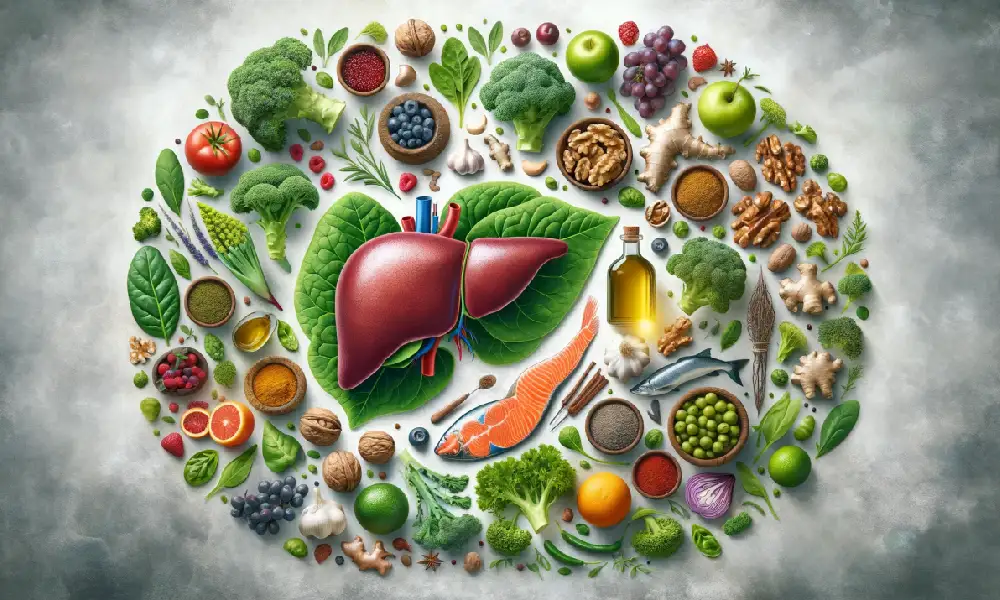
Having a proper diet can help strengthen the walls of the vessels and improve blood circulation. Therefore, following a proper diet will play an important role in taking care of leg veins.
Important nutrients for the health of leg veins
- Fiber: to reduce pressure on the arteries, found in green leafy vegetables (spinach, cabbage, lettuce), fresh fruits (apples, pears, berries, oranges), whole grains (oats, brown rice, whole grain bread) and legumes (lentils, beans, chickpeas).
- Antioxidants: To strengthen the walls of blood vessels and reduce the damage caused by free radicals, which are present in vitamin C (juice, bell peppers, strawberries), vitamin E (almonds, walnuts, sunflower seeds, avocado) and flavonoids (green tea, bitter cocoa, red grapes, cranberries).
- Omega-3 fatty acids: to improve circulation and reduce inflammation, which are found in fatty fish (salmon, tuna, sardines), flaxseeds, chia seeds, and walnuts.
- Potassium: To reduce leg swelling and maintain body fluid balance, found in bananas, sweet potatoes, oranges, and avocados.
- Magnesium: To prevent leg spasms and cramps, which are found in nuts (almonds, walnuts, hazelnuts), seeds (sesame, pumpkin seeds) and green leafy vegetables.
Avoid long-term sitting and standing
Sitting or standing for a long time causes disruption of blood circulation and increased pressure on leg veins. This increase in pressure also reduces blood circulation and increases the possibility of varicose veins and the formation of blood clots. To avoid sitting or standing for a long time, the following simple solutions are recommended to take care of leg veins.
- Move Regular: Get up, walk or stretch every 30 to 45 minutes.
- Exerciselegs: While sitting, rotating the ankles, bending and straightening the knees and raising the legs helps to improve blood circulation.
- Use of footstool: Placing the feet on a footstool or leaning them against the wall reduces the pressure on the leg veins.
- Lifting Lifting Legs: At the end of the day, put your feet above the level of the heart for 15-20 minutes so that the blood can easily return to the heart.
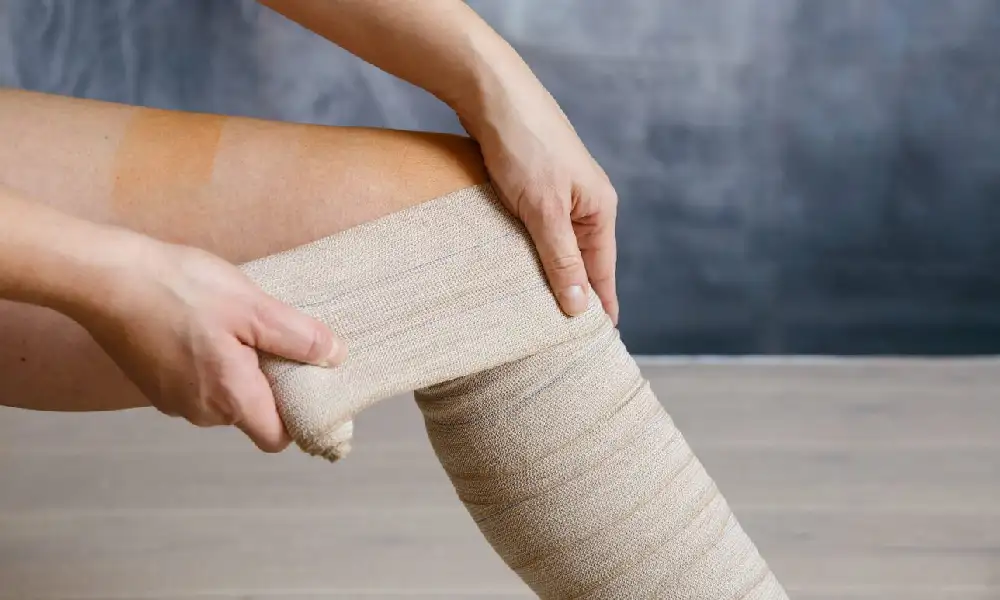
- Using compression socks: Compression socks help improve blood flow and reduce swelling by applying proper pressure to the legs. Using these socks is especially useful for people who are prone to varicose veins or who sit or stand for a long time.
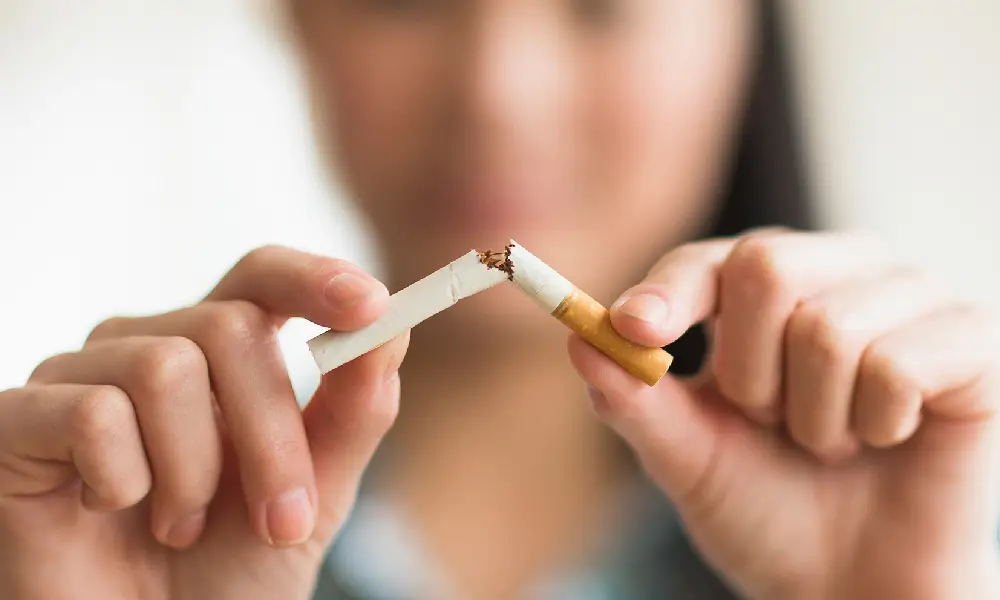
Quit smoking
related to the circulatory system. Gradually reducing smoking and using nicotine substitutes (gum or nicotine patch), increasing physical activity, consuming healthy foods rich in vitamin C and antioxidants, and consulting a doctor and using treatment methods such as smoking cessation drugs or counseling sessions can be solutions to quit smoking.
Using natural treatment methods
Some natural methods such as lifestyle modification described in detail above and methods such as the use of medicinal herbs and massage can play an important role in taking care of leg veins. Medicinal plants such as Indian chestnut, red grape extract, green tea, ginger and chamomile tea help to reduce inflammation and improve blood circulation in the legs. Foot massage can also increase blood circulation and prevent swelling and heaviness of the feet. Lavender oil, peppermint oil, frankincense oil and coconut oil are suitable for use during massage as moisturizers and improve the health of the skin and veins.
Consult with a doctor
In order to take care of leg veins, if you see signs of venous problems such as swelling, pain or skin discoloration, it is necessary to consult a doctor. The doctor can provide suitable solutions for the management and treatment of vascular problems.
According to what was mentioned in this article, taking care of the leg veins is very important in the health of the blood vessels and preventing some serious vascular diseases. The medical center of Dr. Seyed Alireza Najafi - a cardiologist - with 20 years of experience in the field of counseling, prevention and treatment of cardiovascular diseases, is ready to serve you dear ones in the field of cardiovascular problems and remove the complications caused by them.
Edit Clone Comments read more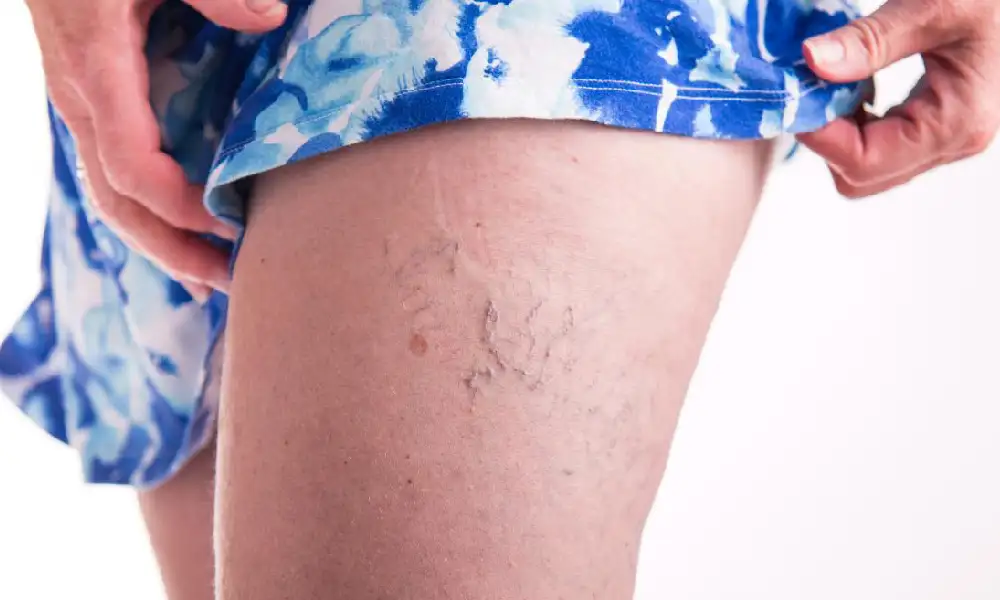 Why care about leg veins? Solutions to prevent vascular problems
02
April
Why care about leg veins? Solutions to prevent vascular problems
02
April
 10 effective ways to maintain heart health and prevent cardiovascular diseases
02
April
10 effective ways to maintain heart health and prevent cardiovascular diseases
02
April
 introduction of several home treatment methods for varicose veins
07
D
introduction of several home treatment methods for varicose veins
07
D
 Preparation before taking an ECG; Should we be fasting to take an ECG?
07
D
Preparation before taking an ECG; Should we be fasting to take an ECG?
07
D
 The least dangerous methods of treating coronary artery occlusion
07
D
The least dangerous methods of treating coronary artery occlusion
07
D
 3-day apple weight loss diet
07
D
Your comments
0
0
votes
Article Rating
Subscribe to
Login
0 Comments
the oldest
the most recent
The most votes
Feedback (Feedback) inline
View all comments
3-day apple weight loss diet
07
D
Your comments
0
0
votes
Article Rating
Subscribe to
Login
0 Comments
the oldest
the most recent
The most votes
Feedback (Feedback) inline
View all comments