
Nuclear medicine plays an essential role in the treatment of cancers. Using controlled radioactive substances (radiopharmaceuticals) and advanced imaging devices, this branch helps doctors identify and treat cancer cells in the early stages.
Nowadays nuclear medicine in the treatment of cancers has been considered not only as a diagnostic method but also as an effective and minimally invasive treatment method. This method can identify cancerous areas with high accuracy, determine the spread of the tumor and optimize the course of treatment.
In the following, we will fully explain the applications, methods, advantages, limitations and results of nuclear medicine in the treatment of cancer.
Table of contents
- 1 What is nuclear medicine?
- 2 The role of nuclear medicine in the early detection of cancers
- 2.1 The most important diagnostic applications of nuclear medicine in cancers:
- 2.2 Comparison of imaging methods in the diagnosis of cancers
- 2.3 Nuclear medicine treatment methods in cancers
- 2.4 Benefits of nuclear medicine in cancer treatment
- 2.5 Where is the best clinic for nuclear medicine in Tehran?
- 2.6 Tips to know before visiting
- 2.7 Comparison of treatment methods Cancers
- 2.8 The most important cancers treated with nuclear medicine
- 2.9 Thyroid cancer
- 2.10 2. Prostate cancer
- 2.11 3. Neuroendocrine Tumors
- 2.12 4. Bone cancers and bone metastasis
- 2.13 The role of PET and SPECT in monitoring the process of cancer treatment
- 2.14 Safety and possible complications in nuclear medicine
- 2.15 Important safety tips:
- 2.16 The future of nuclear medicine in the treatment of cancers
- 2.17 The difference between nuclear medicine and radiation therapy
- 2.18 1. External radiotherapy:
- 2.19 2. Brachytherapy (internal radiotherapy):
- 2.20 3. Radiotherapy with special radioactive materials:
- 2.21 Are nuclear medicine treatments dangerous?
- 2.22 Can all cancer patients use it?
- 2.23 Are alternatives Is it chemotherapy?
- 2.24 What are the side effects of treatment?
- 2.25 What should be done after treatment?
- toc_depth_2">2.26 Is the effect of the treatment permanent?
- 2.27 When can you return to normal life?
- 2.28 Is the treatment of pain Does it?
- 2.29 What is the difference with radiation therapy?
- 2.30 Is it expensive?
What is nuclear medicine?
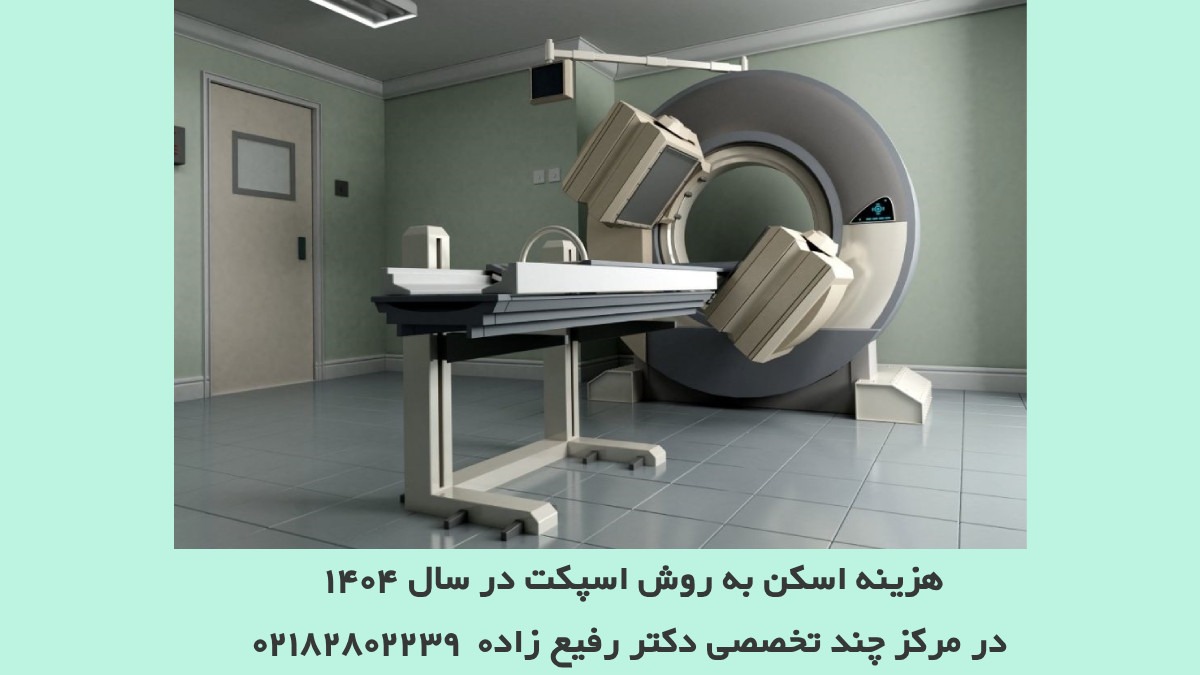
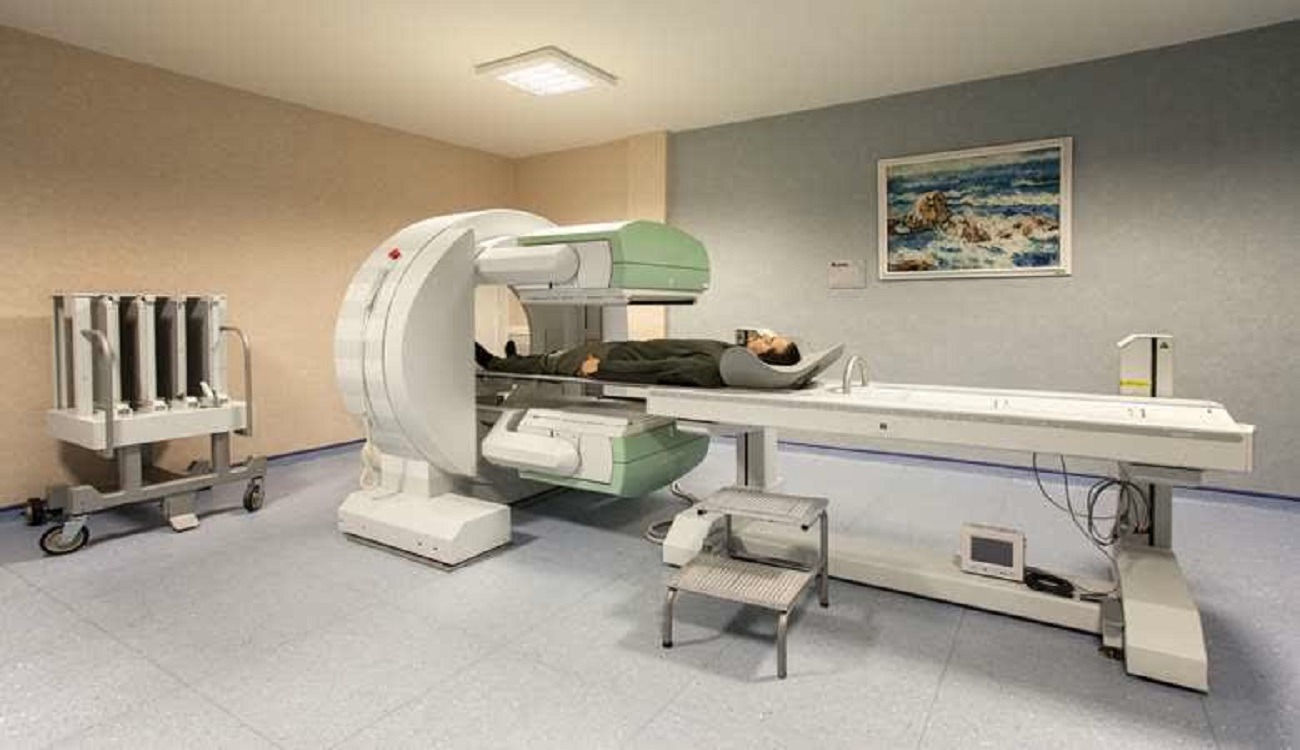
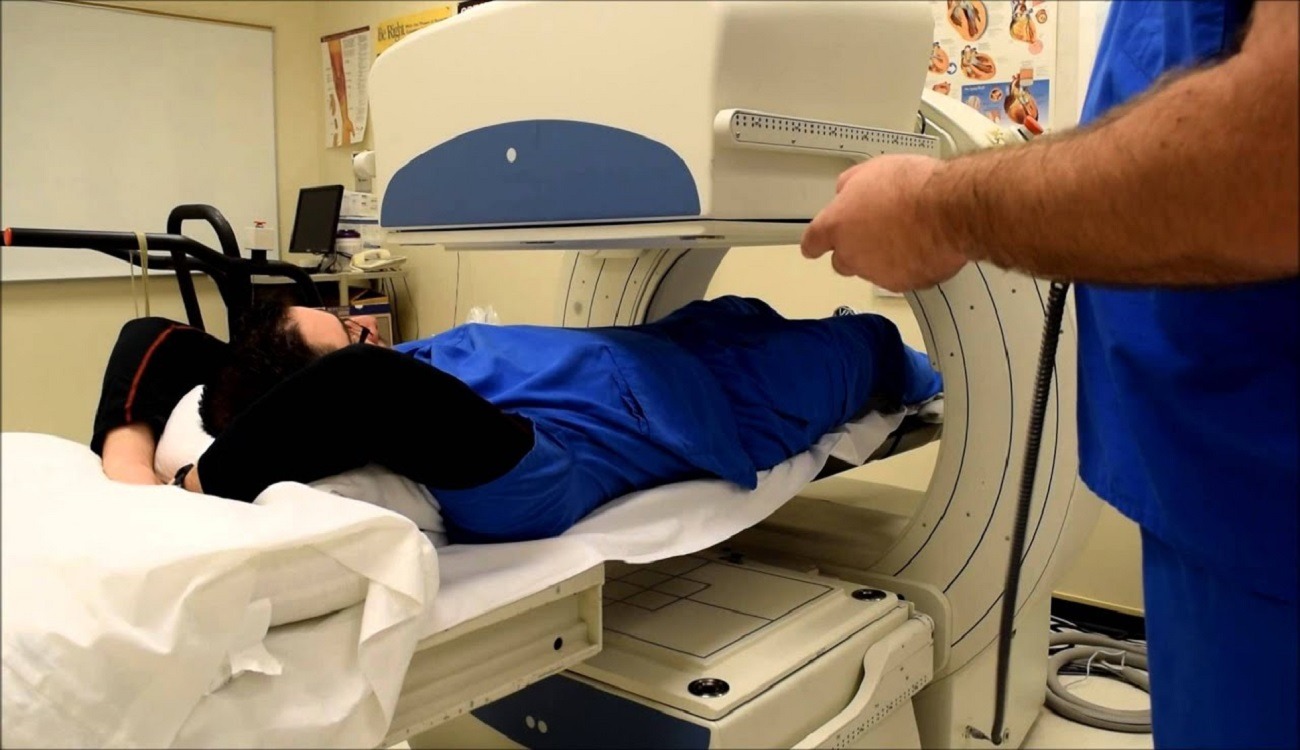
Nuclear medicine in the treatment of cancers is a branch of medical science that uses safe and controlled radioactive materials to diagnose and treat diseases. These substances usually enter the body (via injection, ingestion or inhalation) and accumulate in certain organs. Then, using devices such as Gamma Camera or PET Scan, detailed images of the function of tissues and cells are prepared.
Nuclear medicine in the treatment of cancers also includes the use of therapeutic radiopharmaceuticals that directly target cancer cells and destroy them without seriously damaging healthy tissues.

The role of nuclear medicine in the early detection of cancers
Early diagnosis of cancer is the main key to success in treatment. In this context, the treatment of cancers in nuclear medicine plays a vital role in the treatment of cancers. Using technologies such as PET and SPECT, doctors can detect even the smallest hidden tumors at an early stage.
The most important diagnostic applications of nuclear medicine in cancers:
- Early detection of cancer cells with nuclear medicine in the treatment of cancers before they spread
- Evaluation of tumor spread (metastasis)
- Evaluation of the effect of previous treatments (chemotherapy or radiation therapy)
- Diagnosis of cancer recurrence after treatment with nuclear medicine in the treatment of cancers
Comparison of imaging methods in the diagnosis of cancers
The comparison of imaging methods in nuclear medicine in the treatment of cancers is collected below
| Type of imaging method | Use of radiation | Use in cancer diagnosis | Accuracy Diagnosis | Description |
|---|---|---|---|---|
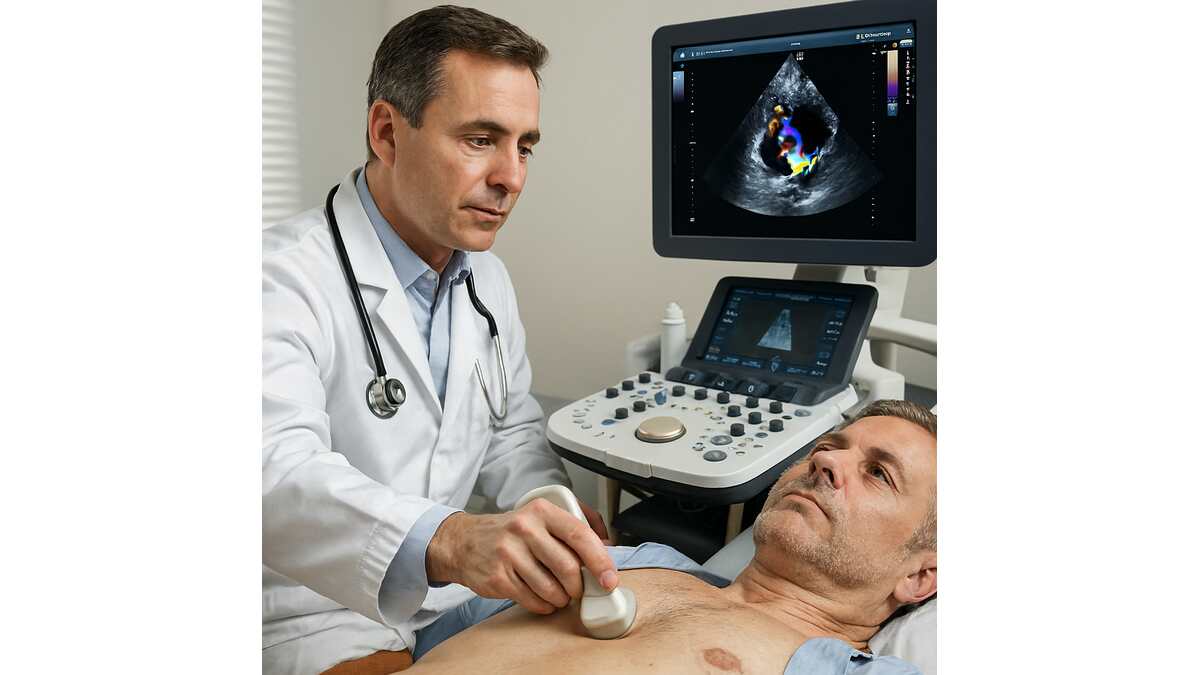
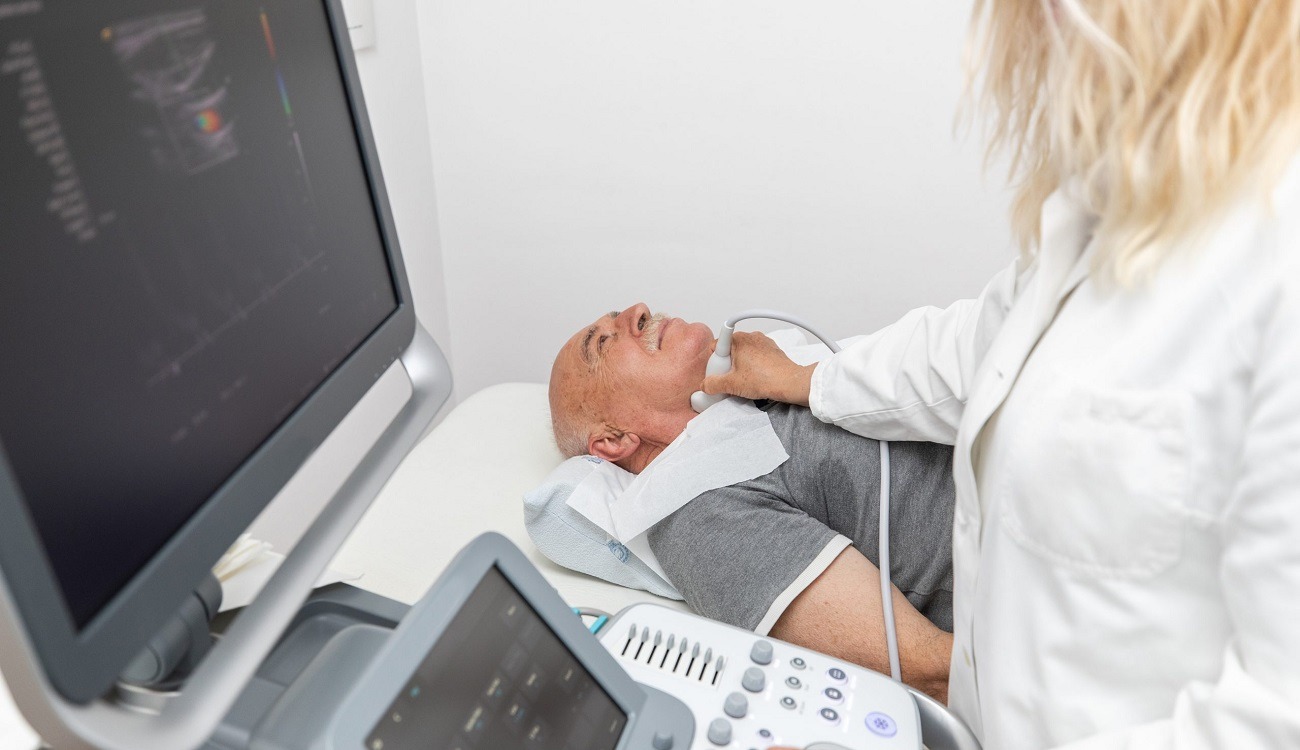
| Ultrasound | No | Limited (superficial masses) | Moderate | Safe, but low detection power for cancers Deep |
| MRI | No | Excellent | Very high | Diagnosis of soft tissue and brain without radiation |
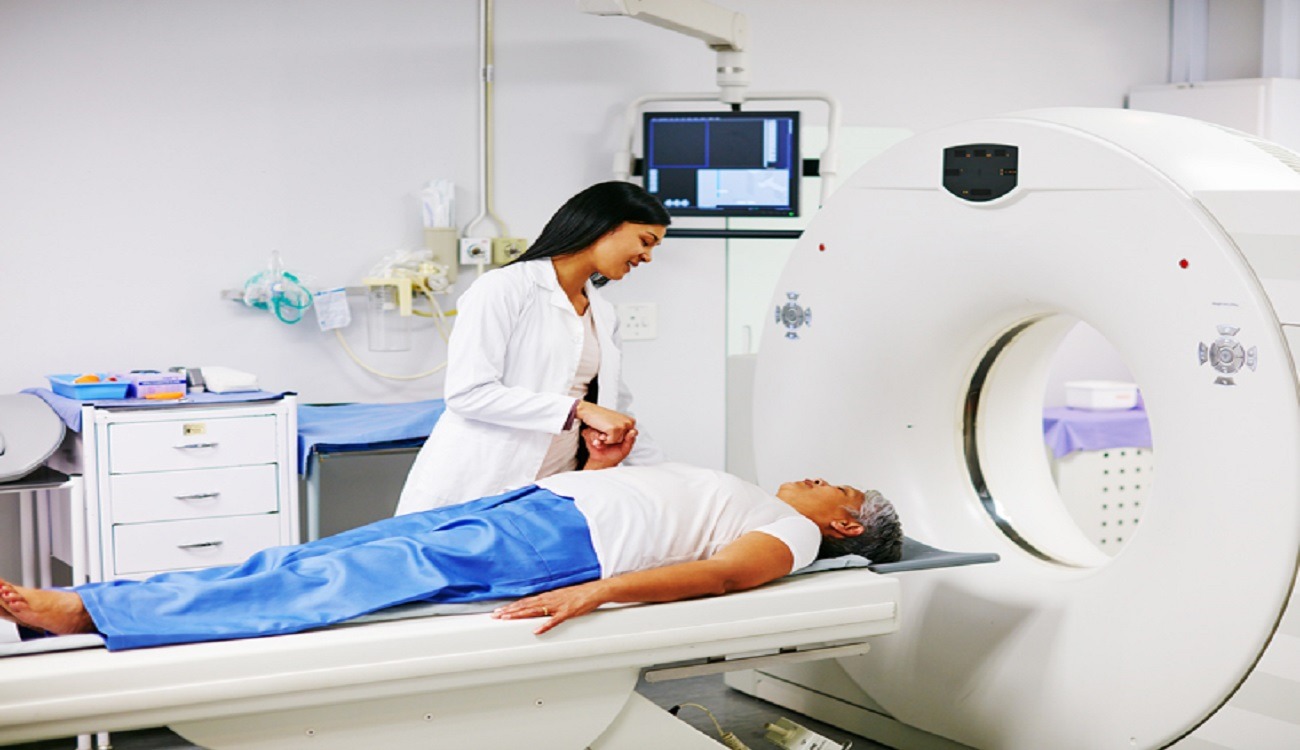
| CT Scan | Has | Extensive | High | A common method for examining tumors Internal |
| PET / SPECT (nuclear medicine) | Has (little) | Very extensive | Very high | Early detection, metastasis and evaluation of response to treatment |
Nuclear medicine treatment methods in cancers
In addition to diagnosis nuclear medicine also has a special place in the treatment of cancers. In this method, radiopharmaceuticals are used that specifically target cancer cells. These drugs enter the body by injection or orally, and by accumulating in the patient's tissues, they transmit radiation directly to cancer cells.
The most common nuclear treatments in nuclear medicine in the treatment of cancers are:
Treatment with radioactive iodine (I-131):
It is used to treat thyroid cancers and is one of the most successful nuclear treatments in Nuclear medicine in the treatment of cancers.
Treatment with radium-223:
For bone cancer or bone metastases, especially in patients with prostate cancer.
Treatment with lutetium-177 (Lu-177):
It is very effective in the treatment of neuroendocrine tumors and metastatic prostate cancer.
Targeted Radiotherapy:
Combining antibodies with radiopharmaceuticals to precisely target cancer cells.
The benefits of nuclear medicine in the treatment of cancers
Nuclear medicine in the treatment of cancers has significant advantages over classical methods such as chemotherapy or external radiation therapy:
- Precise targeting of cancer cells without much damage to healthy tissue
- Less side effects than chemical treatments
- Ability to treat metastases in different parts of the body
- Improving the quality of life of cancer patients
- Increasing life expectancy and reducing the possibility of disease recurrence

Where is the best clinic for nuclear medicine in Tehran?
If you are looking for a specialized center to perform advanced medical imaging procedures - especially the nuclear imaging department -, Vistan Clinic in Tehran can be a viable option for nuclear medicine in the treatment of cancers.
Why Vistan Clinic?
- This multi-specialty center, using modern devices and technologies and experienced medical staff, also offers services such as "nuclear imaging (including nuclear scanning)"
- It is mentioned that this center provides counseling nuclear imaging and allows patients to raise their questions and concerns before the scan.
- The space of the center seems to be suitable for clients who need careful care (including patients with special conditions); Because the sections related to imaging and diagnosis have been mentioned in it.
Good points to know before visiting
Points that you should know before referring to nuclear medicine in the treatment of cancers:
- Before making an appointment, be sure to state that you need "nuclear imaging" so that the relevant department is coordinated with nuclear medicine in the treatment of cancers.
- If you have a special condition (for example, kidney problems or pregnancy), inform the center about this so that the necessary preparations can be made.
- Make sure your schedule is coordinated with your doctor and imaging technician; Choose the right device and safe process for your conditions.
- Ask the reception department about the costs, covered insurances, and pre-scan preparations so that the visit is worry-free.
Vistan clinic address for appointment nuclear medicine in the treatment of cancers: Sadatabad, northwest side of Saro intersection (intersection of Paknejad and Saro) - next to Dasht Behesht complex
Vistan clinic contact numbers in Tehran: 02144927197 – 09939198680 – WhatsApp
Comparison of treatment methods in cancers
Comparison of treatment methods Nuclear medicine in the treatment of cancers
| Treatment type | How it works | Cancer cell targeting accuracy | Side effects | Suitable For |
|---|---|---|---|---|
| Chemotherapy | Drug circulation throughout the body | Low | High (hair loss, nausea) | Most cancers |
| External radiation therapy | External radiation Body | Moderate | Damage to healthy tissues | Localized cancers |
| Nuclear medicine (targeted therapy) | Internal irradiation with radiopharmaceuticals | Very high | Low | Thyroid, prostate, metastatic cancers bone |
Nuclear medicine is a powerful way to treat cancer. It uses special radioactive drugs called radiopharmaceuticals that seek
out and destroy cancer cells. Doctors use it to treat several types of cancer, and are working to add many more in the future.
Nuclear medicine is a powerful method of nuclear medicine in the treatment of cancers. In this method, special radioactive drugs called radiopharmaceuticals are used, which search for and destroy cancer cells. Doctors use it to treat different types of cancer and are trying to add more types of it in the future.Quoted from the site: ohsu.edu
The most important cancers treated with nuclear medicine
Thyroid cancer
One of the most successful examples of using nuclear medicine in the treatment of cancers is the treatment of thyroid cancer with radioactive iodine (I-131). This substance is directly absorbed by thyroid cells and destroys cancer cells.
2. Prostate cancer
In patients with bone metastasis caused by prostate cancer, treatment with radium-223 or luteum-177 reduces pain and increases life expectancy.
3. Neuroendocrine Tumors
These tumors are well controlled by nuclear medicine in the treatment of cancers due to their receptive properties to certain radiopharmaceuticals.
4. Bone cancers and bone metastasis
Nuclear medicine in the treatment of cancers with special radiopharmaceuticals can help reduce bone pain and destroy cancerous tumors.

The role of PET and SPECT in monitoring the process of cancer treatment
Cancer treatment is a time-consuming process and requires continuous evaluation. PET and SPECT are two powerful tools in nuclear medicine in the treatment of cancers that allow doctors to accurately examine the body's response to treatment.
With the help of these methods, it is possible to determine whether the tumor has shrunk, cancer cells have died or there is a need to change the type of treatment.
Safety and possible complications in nuclear medicine
Nuclear medicine in the treatment of cancers uses radioactive materials, but its amount is very small and controlled. By observing safety principles, the risks for the patient are very low.
Some patients may experience mild side effects such as nausea, fatigue or dry mouth, which are temporary and treatable.
Important safety tips:
- keeping distance from children and pregnant women for up to 24 hours after treatment
- Drinking a lot of fluids to eliminate radiopharmaceuticals faster
- Avoid close contact in the early hours after treatment
The future of nuclear medicine in the treatment of cancers
Recent advances in the technology of nuclear medicine in the treatment of cancers show a very promising perspective in the treatment of cancers.
New treatments such as targeted molecular radiation therapy (Theranostics) have provided the combination of simultaneous diagnosis and treatment. In this method, first the exact location of the tumor is identified with imaging radiopharmaceuticals, and then the same drug is used with a higher dose to destroy cancer cells.
This technology is becoming one of the most effective treatment methods of the 21st century in nuclear medicine in the treatment of cancers.
The difference between nuclear medicine and radiation therapy
Radiotherapy is performed from outside the body and radiation is irradiated to the patient's body from external devices, but in nuclear medicine, the source of radiation is inside the body.
This makes the radiation more precise and limited to the cancerous tissue and healthy tissues are less damaged.
The importance of teamwork in nuclear medicine treatment
Nuclear medicine in the treatment of cancers requires the cooperation of several specialties:
- Nuclear medicine specialist doctor
- Oncologist (oncologist)
- Medical Physicist
- Nurses and radiopharmaceutical experts
This cooperation makes the treatment process, from the diagnosis stage to the follow-up of the results, to be carried out in a scientific and accurate manner.
Care tips after nuclear medicine treatment
After the treatment, the patient must follow some recommendations:
- Drink plenty of water during the first 48 hours
- Enough rest and avoid close contact with children
- keeping distance from others in the early hours
- Regular visit to the doctor to check the treatment result
Treatment of cancers with radioactive substances in nuclear medicine
Nuclear medicine in the treatment of cancers with radioactive materials is one of the important methods in nuclear medicine, which is known as radiotherapy. This method uses radioactive rays to target and destroy cancer cells without causing too much damage to the surrounding healthy tissues. There are two main types of radiotherapy with radioactive materials: external radiotherapy and internal radiotherapy (brachytherapy).
1. External radiotherapy:
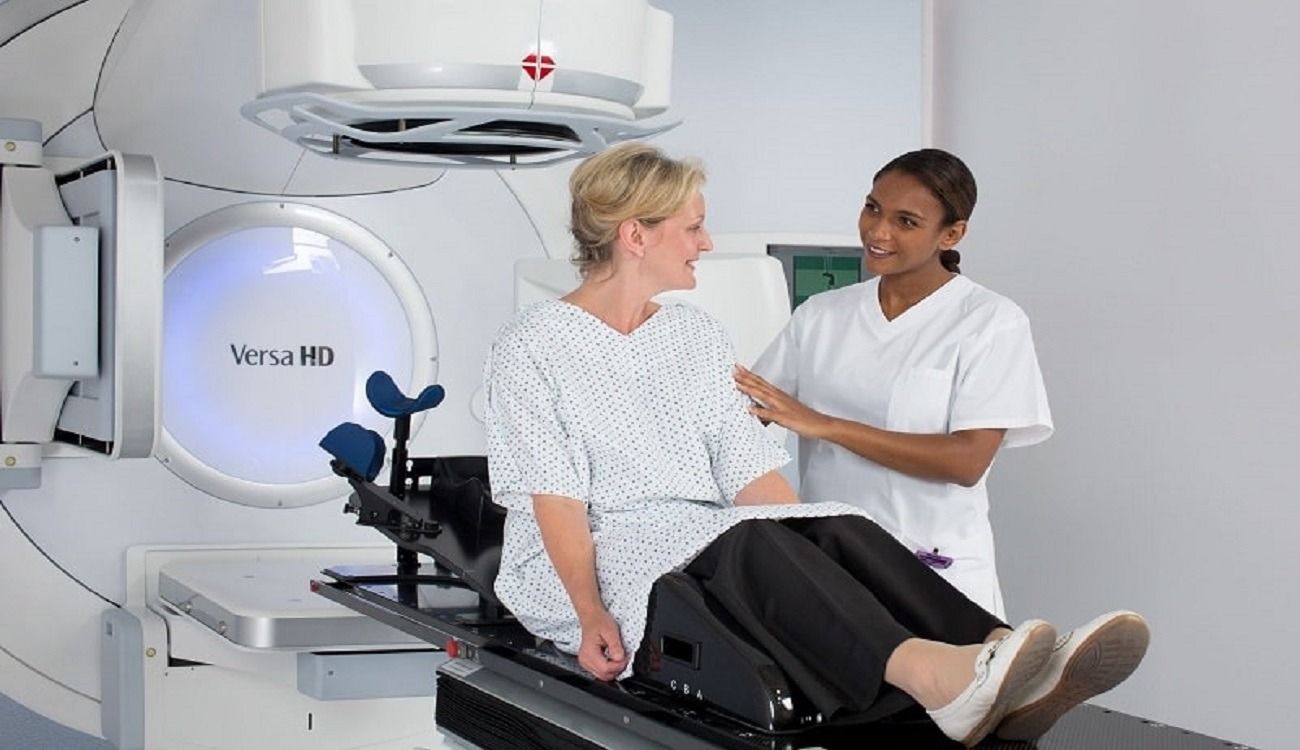
In this method, radiation is done using a device outside the body. X-rays and gamma rays are directed from the device to the cancerous area to destroy the cancerous cells. This method is often used in head and neck, breast, prostate and lung cancers. The devices are designed for precise control and to prevent damage to healthy tissues.
2. Brachytherapy (internal radiotherapy):
In brachytherapy, radioactive materials are implanted in or near the cancerous area. This method is especially used to treat uterine, prostate and thyroid cancers. Radioactive substances such as iodine-131 or cesium-137 are placed inside the tumor and directly destroy cancer cells by emitting radioactive rays.
3. Radiotherapy with special radioactive substances:
Some radioactive materials, such as iodine-131, are used to treat thyroid cancers. Iodine-131 is directly absorbed by thyroid cancer cells and destroys malignant cells with the help of its radiation, without harming other tissues. The advantages and side effects of treatment with radioactive substances. This treatment method is highly accurate and can be effective in reducing tumor size and preventing the spread of cancer.
But it may cause side effects such as nausea, fatigue and skin irritation, which are usually controllable. Radiotherapy with radioactive materials is one of the most widely used methods in the treatment of cancers and is selected and implemented depending on the type and location of the cancer.
Triple applications of nuclear medicine
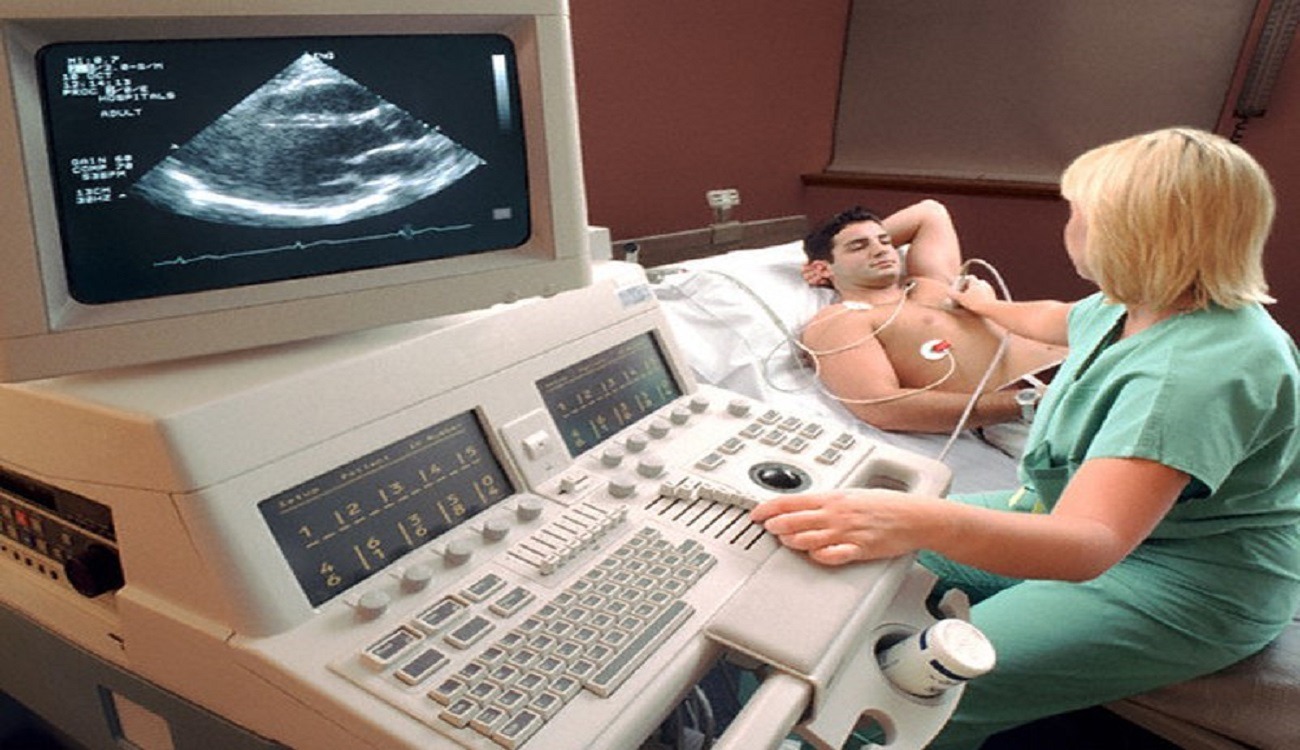
Diagnosis of various special diseases and cancer; Positron emission tomography scan (PET) is an example of a method of nuclear medicine in the treatment of cancers that is used to diagnose a disease, in this type of scan, a radioactive substance enters the bloodstream and goes to the target organ, then doctors use a special camera to watch how the detector moves and take pictures of the specific organ.
radiation therapy; The second most effective and perhaps the most attractive application of nuclear technology in medicine is phase therapy, radioisotopes can be used to treat certain types of cancer or thyroid disease. Of course, treatment with nuclear technology has two methods, in the first method, rays are irradiated from outside the body.
In the second method, rays are created or implanted inside the body, which uses radiopharmaceuticals. In this method, called "brachytherapy", radiation sources are implanted inside the tumor and cancerous areas, and radioactive substances destroy cancer cells and tumors. The production of blood clotting powder using this technology is also one of the important products that, according to the officials of the Nuclear Energy Organization, is about to be exported. سومین کاربرد فناوری هستهای استریل کردن تجهیزات پزشکی است، در بحث استریل به روش پرتودهی، میکروارگانیسمها و یا باکتریهای کوچک روی تجهیزات پزشکی نابود شده و به بهترین شکل ضدعفونی و استریل میشوند.
نقش پزشکی هسته ای در شناسایی اختلالات قلبی و مغزی
پزشکی هسته ای در درمان سرطان ها در بزرگسالان برای بیماریهای قلبی و به تصویر کشیدن جریان خون و عملکرد قلب، اسکن پرفیوژن میوکارد، تشخیص بیماری عروق کرونر و میزان تنگی کرونر، ارزیابی آسیب قلبی، جراحی بایپس قلب و آنژیوپلاستی، ترمیم جریان خون و تشخیص رد پیوند قلب، اسکن ریهها برای مشکلات تنفسی و جریان خون، تشخیص رد پیوند ریه، ارزیابی استخوانها از نظر شکستگی، عفونت و آرتروز، ارزیابی بیماری متاستاتیک استخوان، مفاصل مصنوعی دردناک و تومورهای استخوانی مورد استفاده قرار میگیرد.
همچنین بررسی ناهنجاریهای مغزی در بیماران با علائم یا اختلالات خاص مانند تشنج، از دست دادن حافظه و اختلالات مشکوک در جریان خون، تشخیص زودهنگام اختلالات عصبی مانند بیماری آلزایمر، بررسی ناهنجاریهای موجود در ماده شیمیایی مغز برای کنترل حرکت در بیماران مشکوک به بیماری پارکینسون یا اختلالات حرکتی و ارزیابی بازگشت تومور مغزی، شناسایی التهاب یا عملکرد غیرطبیعی کیسه صفرا و عملکرد تیروئید را اندازهگیری کرده و تیروئید پرکار یا کمکار را تشخیص میدهد.
روش های پیشرفته در حوزه پزشکی هستهای و درمان سرطان
پزشکی هسته ای در درمان سرطان ها به روش های پیشرفته ای در نظام پزشکی روی آورده است که عبارتند از:
- اصول عملکرد لوتشیومتراپ
- لوتشیوم-177 یک ایزوتوپ رادیواکتیو است که پرتوهای بتا و گامای کمانرژی تولید میکند.
- در این روش، مولکولهای خاصی به لوتشیوم متصل میشوند که میتوانند به طور انتخابی به گیرندههای خاص موجود بر سطح سلولهای سرطانی متصل شوند.
- این مولکولهای هدفگیر (مانند پپتیدها یا آنتیبادیها) به لوتشیوم کمک میکنند تا به طور دقیق به تومورها برسد و در آنجا انرژی رادیواکتیو خود را برای تخریب سلولهای سرطانی آزاد کند.
- انرژی بتا سلولهای سرطانی را تخریب کرده و اشعه گامای ضعیف امکان تصویربرداری برای نظارت بر روند درمان را فراهم میکند.
کاربردهای لوتشیومتراپی :
- سرطان پروستات پیشرفته (mCRPC):
- این روش به ویژه در بیمارانی که گیرندههای PSMA (پروستات خاص) بر روی سلولهای سرطانی خود دارند، مؤثر است.
- تومورهای نوروآندوکرین (NETs):
- لوتشیومتراپی میتواند به طور مؤثر سلولهای این تومورها را که گیرندههای سوماتوستاتین دارند، هدف قرار دهد.
- تومورهای متاستاتیک:
- این روش برای درمان سرطانهای پیشرفته و متاستاتیک که به سایر روشها پاسخ ندادهاند، استفاده میشود.
فرآیند درمان با لوتشیوم :
- ارزیابی اولیه:
- بررسی نوع و مرحله سرطان و تشخیص گیرندههای موجود بر روی سلولهای سرطانی.
- تزریق لوتشیوم-177:
- محلول حاوی ایزوتوپ رادیواکتیو تزریق میشود و در بدن توزیع میشود.
- هدفگیری تومور:
- مولکولهای هدفگیر لوتشیوم را به سلولهای سرطانی هدایت میکنند.
- تخریب سلولهای سرطانی:
- انرژی رادیواکتیو لوتشیوم به تخریب سلولهای سرطانی و متوقف کردن رشد آنها منجر میشود.
- پیگیری و ارزیابی:
- بررسی اثربخشی درمان از طریق تصویربرداری و آزمایشهای مرتبط..
سوالات متداول در مورد پزشکی هسته ای در درمان سرطان ها
آیا درمانهای پزشکی هستهای خطرناکاند؟
خیر، مقدار پرتو کنترلشده و ایمن است.
آیا همه بیماران سرطانی میتوانند از آن استفاده کنند؟
خیر، فقط با تشخیص پزشک و بسته به نوع سرطان.
آیا جایگزین شیمیدرمانی است؟
نه کاملاً، معمولاً مکمل درمان است.
عوارض درمان چیست؟
خستگی و تهوع خفیف، موقتی و قابل کنترل
بعد از درمان چه باید کرد؟
آب زیاد بنوشید و ۲۴ ساعت از تماس نزدیک با دیگران پرهیز کنید
آیا اثر درمان دائمی است؟
در بعضی سرطانها مانند تیروئید، بله.
چه زمانی میتوان به زندگی عادی برگشت؟
پس از ۱ تا ۲ روز.
آیا درمان درد دارد؟
خیر، معمولاً بدون درد است.
تفاوت با پرتودرمانی چیست؟
پزشکی هستهای تابش از داخل بدن است، پرتودرمانی از بیرون.
هزینه آن بالاست؟
متوسط تا بالا، ولی مؤثر و در برخی موارد بیمهپذیر است.
جمعبندی
پزشکی هسته ای در درمان سرطان ها یکی از تحولات بزرگ در دنیای علم پزشکی است که توانسته امید تازهای به بیماران سرطانی ببخشد.
امروزه، پزشکی هسته ای در درمان سرطان ها نهتنها بهعنوان یک ابزار تشخیصی بلکه بهعنوان روش درمانی مؤثر، ایمن و هدفمند شناخته میشود.
ترکیب فناوریهای تصویربرداری پیشرفته، رادیوداروهای دقیق و تخصص پزشکان، موجب شده است که بسیاری از بیماران بتوانند زندگی سالمتر و طولانیتری تجربه کنند.