مقاله تخصصی
Varicose veins and rheumatism (the relationship between varicose veins and rheumatism)
3 months ago
908 بازدید

Dr. Mahmoud Hadizadeh
IsfahanCardiovascular and varicose laser fellowship
In this article, we examine varicose veins and rheumatism (the relationship between varicose veins and rheumatism), in which the necessary information is provided based on materials approved by the best varicose vein specialist in Iran, Dr. Hadizadeh... 1) and varicose veins 2) Part I: examination of varicose veins
3) The main mechanism of varicose veins
4) Causes and risk factors
5)> Symptoms
6) Diagnosis
7) Treatment and prevention
8) Part II: Rheumatic disease (rheumatism (rheumatoid arthritis (rheumatoid arthritis Risk factors
10) Clinical symptoms
11) The relationship between varicose veins and Rheumatism
11.1) Role chronic system 11.2) 2.... the effect of restriction of movement
11.3) 3.... diseases At the same time
12) Lifestyle and the role of care in the management of both diseases End of content
Varicose veins and Rheumatism
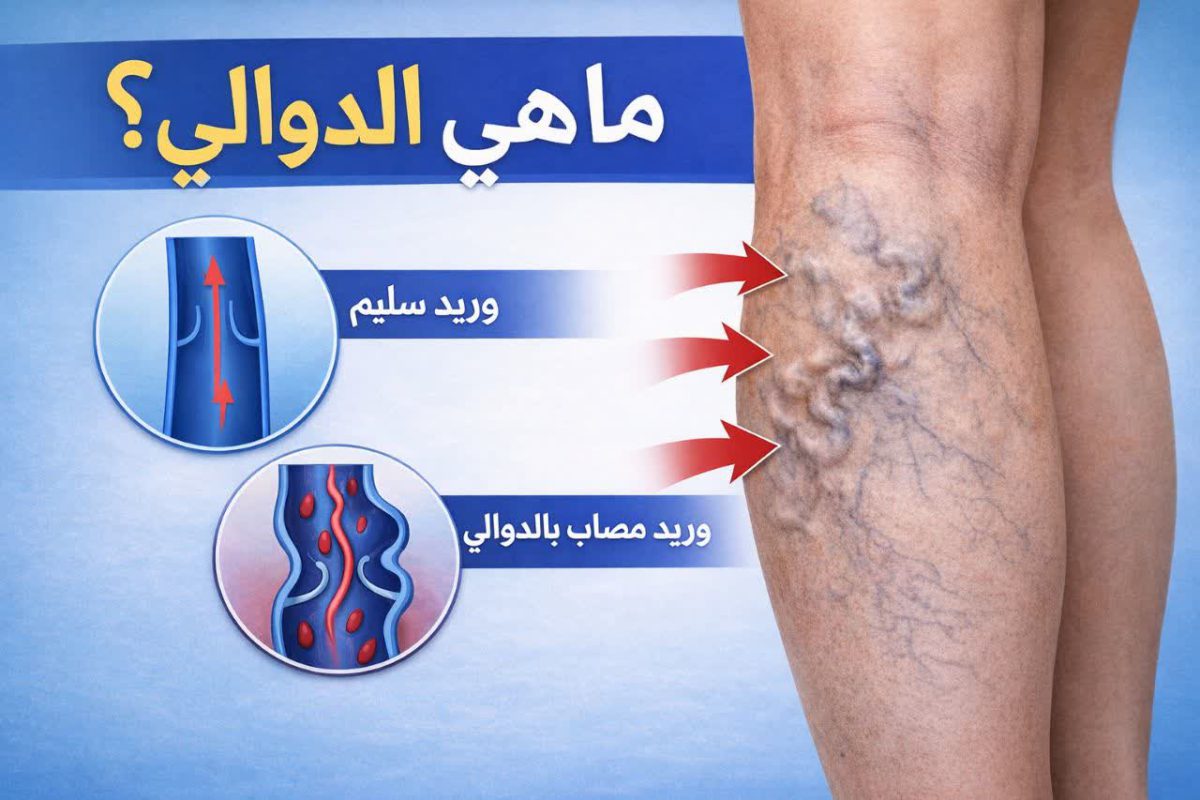
As you read in the articles of Dr. Mahmoud Hadizadeh, the best varicose vein specialist in Isfahan, varicose veins can have various complications... Chronic vascular and joint diseases are among the common problems of today's societies, which have become more prevalent with aging, inactivity and lifestyle changes... including "varicose veins" as a vascular disease and "rheumatism" as a chronic inflammatory disorder of arthritis has a significant impact on the quality of life of patients.. Although these two diseases They are different from each other in terms of nature, but both are rooted in the disorders of the basic body systems, that is, the circulatory system, and the purpose of this article is to diagnose and comprehensively examine the body's immune system.. Varicose veins is the abnormal dilation and twisting of the veins, especially in the lower limbs. This disorder is mainly caused by chronic venous insufficiency. In healthy veins, there are valves that direct the blood flow in only one direction (toward the heart) and prevent the blood from returning or returning downward. The best varicose vein specialist in Shahrekord, Dr. Mahmoud Hadizadeh, various factors can be considered for varicose veins and venous insufficiency... The risk factors for varicose veins are often multifactorial and include internal and acquired factors. causes relaxation of blood vessel walls) and also the effects of pregnancy are two to three times more at risk.... Another important factor that cannot be changed is aging... venous pressure... also obesity and overweight... excess weight increases intra-abdominal pressure and impairs blood drainage from the legs... previous traumatic leg injuries, history of deep vein thrombosis leading to post-thrombotic syndrome... Symptoms Clinical
Symptoms of varicose veins range from cosmetic problems to threatening functional complications, which can be, for example, problems related to physical appearance. This includes swollen, twisted, blue or purple veins. Important symptoms of these diseases include pain and discomfort, which include a feeling of heaviness, tiredness at the end of the day, or tiredness in the legs. Other local symptoms include burning, throbbing in the veins, muscle cramps (especially at night), itching around the ankles. Edema or swelling is one of the most important symptoms of this disease. This case includes intermittent or continuous swelling in the area of the ankle and leg. Regarding foot edema and the causes of ankle swelling, you can refer to a specialist. Varicose veins from Isfahan, Dr. Mahmoud Hadizadeh.. Diagnosis
The diagnosis of varicose veins is usually clinical, but a functional assessment is required to plan treatment.
For this purpose, a physical examination is used, including observing the veins while standing and touching to evaluate the stiffness and temperature of the skin.. Doppler ultrasound can also be considered as a very ideal method and in fact the gold standard for diagnosis.. Skin and deep vessels... Treatment and prevention
The goal of treatment is to reduce symptoms, prevent the progression of the disease and remove complications....conservative treatments...these methods are used for C0 to C2 patients or as a supplement to other treatments....the use of compression stockings or bandages with gradual pressure (for example, 20-30 mm Hg) to help blood return to the heart and reduce edema....modification of lifestyle is also one of the important things that should be considered in these patients....increasing physical activity (especially leg pumping) side of the leg, pumping the leg towards the legs) in a resting state (above the level of the heart).... Medicines can also be used in some cases and are prescribed... standard methods of treatment... these methods have replaced open surgery and are based on closing the defective veins... these methods include sclerotherapy etc... Sclerotherapy is actually the injection of a chemical substance (sclerosant) into the vein to cause inflammation and controlled fibrosis, which ultimately leads to It causes small veins.. Spider veins... Radio frequency ablation or intravenous laser are the best treatment methods.. In these methods, thermal energy (using a laser or radio frequency probe) that enters the vein through a catheter is used to melt and close the wall of the main vein.. Rheumatoid arthritis (RA) is a chronic, systemic, autoimmune inflammatory disease. It can also affect the lungs, heart and eyes.. risk factors
The exact cause of rheumatoid arthritis is unknown, but a combination of genetic predisposition and environmental stimuli play a role, which can be mentioned as genetic factors that are most closely related to the main genes of the tissue complex. Also, some environmental factors are very important... One of these factors is smoking... Hormonal factors should also be considered.... The prevalence is three times higher in women, showing the role of sex hormones.... The onset of the disease is usually between 30 and 50 years old.. Clinical symptoms
The symptoms of this disease usually begin gradually and are inflammatory in nature, which include various cases that we mention below.. One of the most important symptoms is morning stiffness.. The main characteristic of RA is joint stiffness that lasts for more than an hour (compared to stiffness of less than 30 minutes in arthritis).. Small joints of the hands and feet are usually seen in these joint patients. They are hot, painful and swollen... Progressive destruction is also seen in advanced stages... If left untreated, over time it leads to cartilage loss, bone erosion, and the creation of classic abnormalities (such as severe deformities or finger deformities). Varicose veins are a venous pathology and rheumatic diseases are autoimmune joint diseases, recent studies show that there are connections and overlaps in inflammatory factors and lifestyle influences.... In this section, some of the most important factors.... Systemic inflammation
In both diseases, chronic inflammation is involved, although its origin is different, but it must be said that in rheumatoid arthritis, severe inflammation is caused by an autoimmune response that leads to tissue damage... This inflammation can aggravate the problems caused by varicose veins and venous disorders... In varicose veins and venous insufficiency, it leads to blood stasis and leakage of inflammatory substances from the capillaries to the surrounding tissue... It causes that in cases severe, the level of general inflammatory markers (such as CRP) may slightly increase.... This chronic surface inflammation in varicose veins, in theory, can cause general genetic stimulation of <2 inflammatory pathways....the movement restriction effect
Rheumatoid arthritis patients often have a significant reduction in physical activity due to joint pain and deformity. Decreased muscle pump in rheumatism is one of the problems that occurs.. Weakness and pain in leg joints reduce muscle movement (central venous pump).
It increases the risk of occurrence or exacerbation of varicose veins in these patients... ### 3... concurrent diseases
Some observational studies have shown that the prevalence of venous insufficiency in the population with rheumatoid arthritis is higher than in the normal population. This may be due to a restrictive lifestyle, or a direct effect of inflammatory disease on the vessel wall, although the exact mechanism of this association requires further investigation. Effective management of varicose veins. Physical activity is one of the most important activities.. For varicose veins, rhythmic activities (such as swimming and cycling) that activate the muscle pump are very helpful.. Very important... Weight loss reduces mechanical stress on venous valves as well as stress on weight-bearing joints (such as knees and hips) in RA... Anti-inflammatory diet should be followed.. Mediterranean diet rich in omega 3 (fatty fish), antioxidants (fruits and vegetables) colorful) is beneficial for both diseases... This diet helps reduce general inflammation and improve vascular health.. Smoking should be taken seriously... Smoking is a strong risk factor for rheumatism and is also harmful to vascular health and should be completely eliminated. final materials
Varicose veins and rheumatism are examples of common chronic diseases whose successful management requires a deep understanding of the pathophysiology and implementation of a multifaceted treatment plan. While varicose veins require mechanical intervention (compression or ablation) to correct valvular insufficiency, rheumatoid arthritis is a long-term battle that requires careful use of medication with the immune system. The relationship between reduced mobility in rheumatic patients and the risk of developing varicose veins can help health care teams to provide more comprehensive preventive care. Increasing public awareness of the importance of early screening and adherence to treatment is the key to maintaining quality of life and preventing the debilitating effects of these two disorders. Rate this post