

بیماریهای التهابی روده (IBD) از پیچیدهترین اختلالات مزمن دستگاه گوارش محسوب میشوند که زندگی میلیونها نفر در سراسر جهان را تحت تأثیر قرار دادهاند. The two main types of these diseases include Crohn's disease and ulcerative colitis. Although many patients are controlled by drug therapy, in advanced or treatment-resistant cases, specialized Crohn's and ulcerative colitis surgery is proposed as a vital and sometimes life-saving option.
For this reason, in this article, we fully examine when surgery becomes necessary, what methods are available, what are the benefits and risks of each, and what points should patients pay attention to before and after the operation.
A short introduction to Crohn's disease and ulcerative colitis
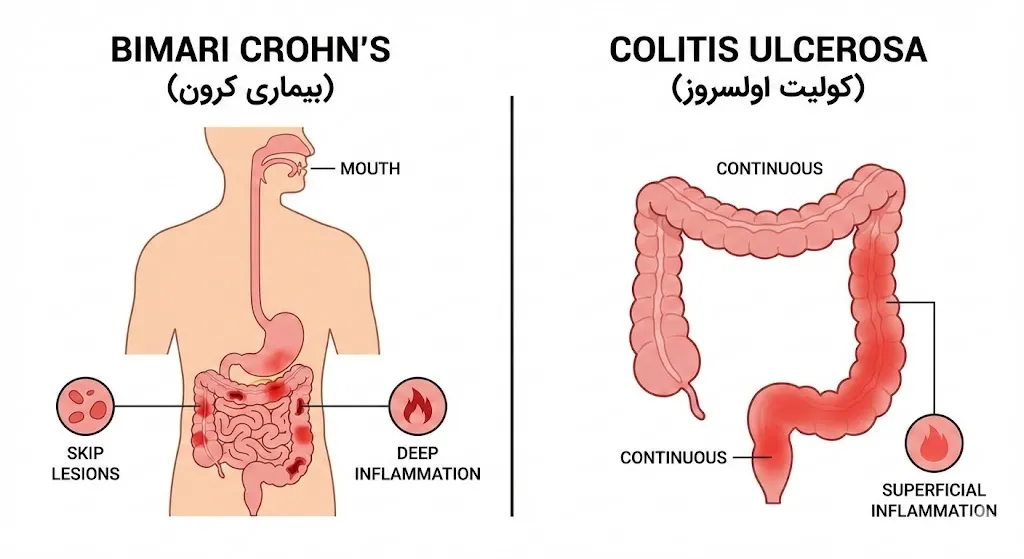
Illness Crohn's is a chronic inflammation that can affect any part of the digestive system, from the mouth to the anus. Its important feature is the involvement of the entire thickness of the intestinal wall. The common symptoms of this disease are as follows:- Abdominal pain
- Chronic diarrhea
- Weight loss
- Severe fatigue
- Fistula or abscess in advanced cases
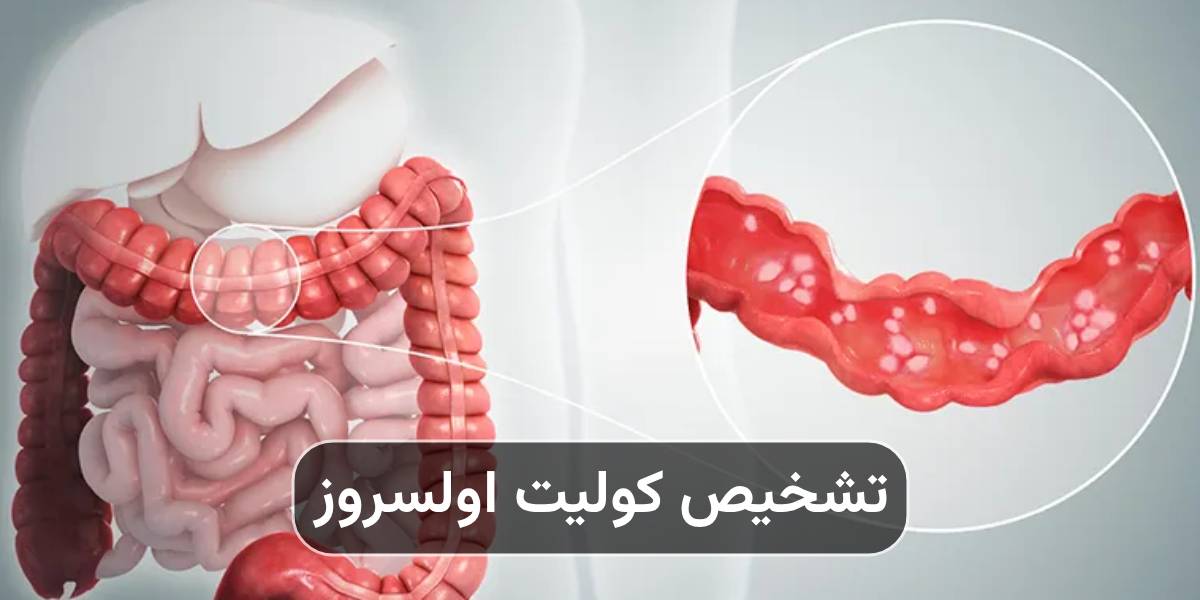
Ulcerative colitis disease usually involves only the large intestine and rectum, and the inflammation is limited to the surface layer of the mucosa. The common symptoms of this disease are as follows:
- Bloody diarrhea
- Feeling of immediate elimination
- Lower abdominal pain Anemia
Why is surgery sometimes unavoidable?
The main goal of IBD treatment is to control inflammation and maintain quality of life. However, about 30-70% of Crohn's patients and about 20-30% of ulcerative colitis sufferers will need some kind of surgery during their lifetime.
The main reasons for performing specialized Crohn's and ulcerative colitis surgery are as follows:
- Lack of response to drug treatment
- Severe intestinal stricture
- Uncontrolled bleeding
- Intestinal perforation
- Creation of fistula or abscess
- Intestinal cancer risk
- Severe drop in quality of life
Difference of surgical approach in Crohn's and ulcerative colitis
Specialized Crohn's surgery and ulcerative colitis in some cases, they have differences from each other that should be taken into consideration. In Crohn's, surgery is not a definitive treatment because the disease may reappear in another part of the intestine. Therefore, the goal of Crohn's surgery is as follows:
- Removing the damaged part
- Unblock
- repair of fistulas
- Decreasing severe symptoms
Actually, in Crohn's disease, the surgeon tries to preserve the length of the intestine as much as possible.
Unlike Crohn's, complete colon resection in ulcerative colitis can completely cure the disease. For this reason, in severe or drug-resistant cases, surgery is considered a definitive solution.
Types of specialized surgery methods for Crohn's and ulcerative colitis
Among the most important types of specialized surgery for Crohn's and ulcerative colitis, the following can be mentioned:- Intestinal resection (Resection): In this method, the diseased part of the intestine is removed and the two healthy ends are connected together. This is the most common operation in Crohn's patients.
- Total colectomy: complete removal of the large intestine, which is often performed in patients with ulcerative colitis.
- Pouch surgery (J-Pouch): After removing the large intestine, a pouch is made from the end of the small intestine to maintain a more normal bowel function.
- Creating a stoma (ileostomy or colostomy): In some temporary or permanent cases, stool is removed through a hole on the abdomen.
- Fistula and abscess surgery: It is performed to treat advanced complications of Crohn's, especially in the anus area.
The role of the multispecialty team in the success of surgery
Specialized surgery for Crohn's and ulcerative colitis is not just the work of a surgeon. The success of treatment depends on close cooperation between the following specialists:
- Gastroenterology and liver specialist Colorectal surgeon
- radiologist
- Pathologist
- nutritionist
- Psychologist
This multifaceted approach reduces complications and improves long-term results.
Preparation before surgery; What should be done?
Before specialized Crohn's and ulcerative colitis surgery, the patient usually goes through the following steps:
- Full laboratory evaluation
- Imaging (MRI or CT)
- Colonoscopy
- Correcting anemia or malnutrition
- Discontinuation or adjustment of some biological or corticosteroid drugs
Proper preparation before surgery plays an important role in reducing infection and speeding up recovery.
Care after surgery
After performing specialized surgery for Crohn's and ulcerative colitis, the following care is very important:
- gradual start of feeding
- Pain control
- Prevention of blood clotting
- Education of stoma care (if any)
- Following drug therapy to prevent recurrence of Crohn's disease
Many patients return to their daily activities within a few weeks.
Possible side effects of surgery
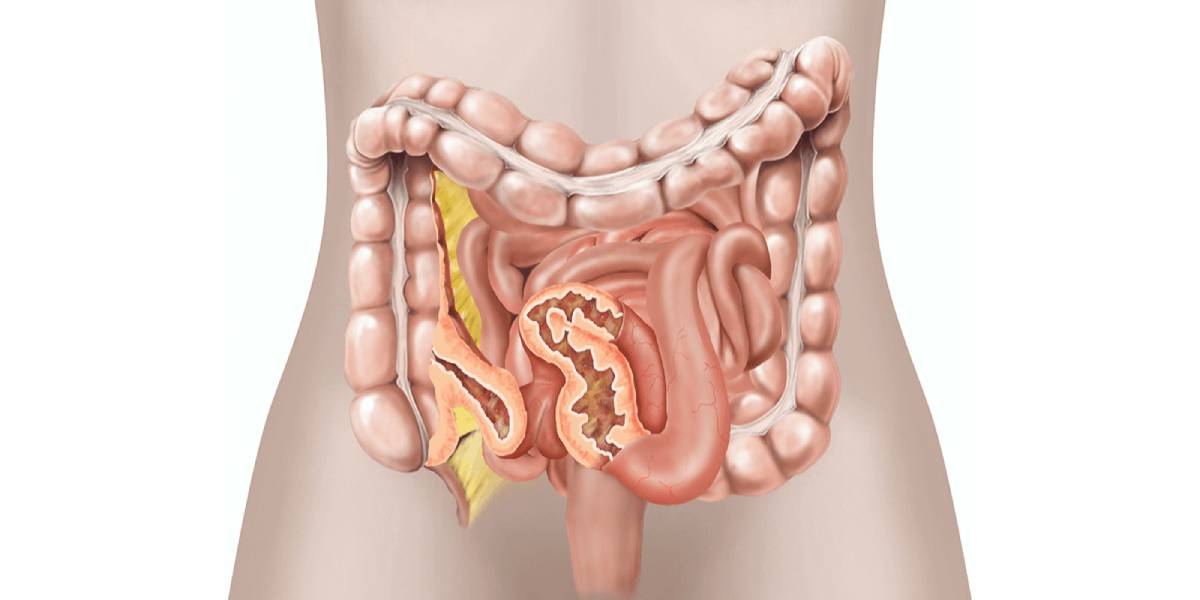
Like any major operation, specialized Crohn's and ulcerative colitis surgery may have complications as follows:
- infection
- Intestinal junction leak
- Intestinal obstruction
- Stoma problems
- Decreased absorption of food
Choosing a specialized center and an experienced team will significantly reduce the possibility of these complications.
How is the quality of life after surgery?
Studies show that most patients who undergo specialized surgery for Crohn's and ulcerative colitis experience a significant reduction in symptoms and a significant improvement in quality of life. Many of them return to work, sports and social life after years of pain and limitations.
Is there a need for medicine after surgery?
Regarding the need or not to take medication after specialized Crohn's and ulcerative colitis surgery, it should be said that in ulcerative colitis (after complete removal of the large intestine), inflammation usually does not return. But in Crohn's disease, the use of maintenance drugs is necessary to prevent the recurrence of the disease.
Specialized surgery for Crohn's and ulcerative colitis is not the last stage of treatment, but part of a comprehensive treatment path. When the drug is no longer responsive or dangerous side effects occur, surgery can save the patient's life and transform his quality of life.
Choosing the right time, the right method and an experienced treatment team are the three key factors in the success of this path. Dr. Alireza Sima, a gastroenterology and liver specialist with high experience and expertise in the successful diagnosis and treatment of inflammatory bowel diseases, uses the latest and most up-to-date methods and methods to help IBD patients.