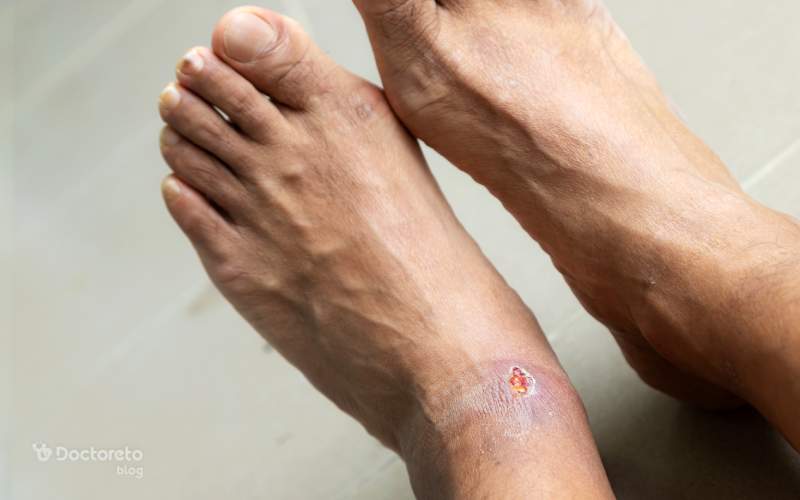
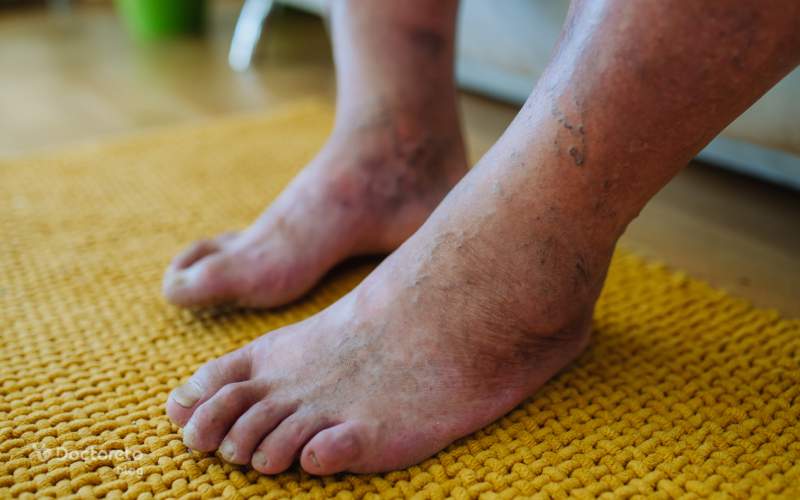
Diabetic foot wound infection is one of the most serious complications of diabetes; A complication that, if not diagnosed on time, can severely affect a person's life. Many patients initially have a small wound on the leg that is not painful, and this painlessness makes them not take it seriously, and this simple wound can gradually become infected and reach dangerous stages. In diabetics, the wound healing process is slower than normal. Poor circulation, reduced sensation in the legs and high blood sugar create an ideal environment for bacteria to grow. As a result, diabetic foot ulcer infection is not just a skin problem, but a serious warning for the health of the whole body. In this article, we are with you from your doctor to examine diabetic foot wound infection in detail.
Is diabetic foot ulcer infection dangerous?
Yes, diabetic foot ulcer infection can be very dangerous, especially if it is diagnosed late. These infections may start on the surface of the skin, but if left untreated, they can reach deeper tissues, bones, and even the bloodstream. In this situation, the treatment becomes more difficult and expensive.
One of the reasons for the dangerous nature of this infection is the reduction of pain in the diabetic foot. The patient may not notice the progress of the infection and go to the doctor when the wound has reached a severe stage. At this stage, the possibility of hospitalization or surgery increases. Severe infection diabetic foot ulcer can be life-threatening. The entry of bacteria into the blood, sepsis and organ failure are some of the complications seen in advanced cases. For this reason, any small change in the leg ulcer should be taken seriously.
English text: Diabetic foot ulcers are a common and serious complication of both type 1 and type 2 diabetes mellitus1. Diabetes may be associated with ischaemia, neuropathy, peripheral artery disease, and foot deformities that lead to a particularly high risk of developing foot ulcers and a low likelihood of ulcer healing. Diabetes can cause decreased blood flow, nerve damage, peripheral vascular disease, and foot ulcers, which both increase the risk of foot ulcers and slow healing. noopener">molnlycke
These infections may start from the surface of the skin, but if neglected, they can reach the deep tissues, bones and even the bloodstream.
symptoms of diabetic foot ulcer infection
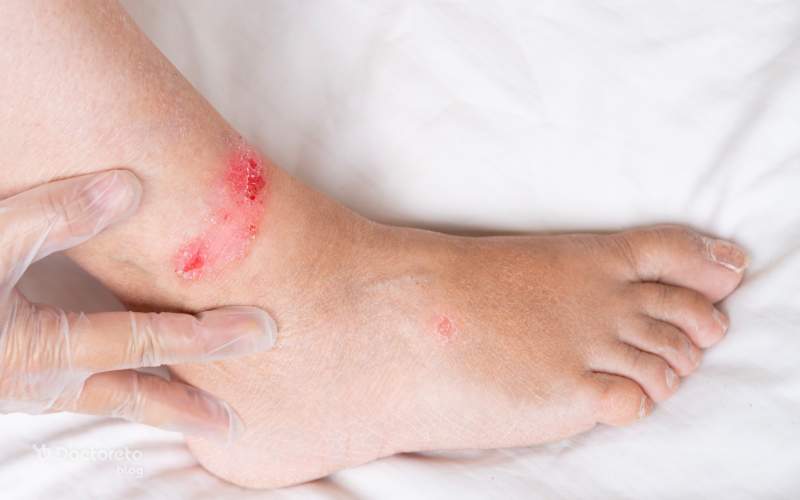
Diabetic foot ulcer symptoms are not always obvious in the infectious stage and may appear gradually. Redness around the wound, swelling, warmth of the skin and purulent discharge are the most common symptoms. Sometimes the bad smell of the wound is the first symptom that the patient notices. In some people, wound pain increases, but in patients with diabetic neuropathy, there may be no pain.
This causes the infection to progress without serious warning. Changing the color of the skin around the wound to purple or black is also a warning sign. General symptoms such as fever, chills, weakness and high blood sugar for no apparent reason can also be signs of infection. If the foot ulcer does not improve or gets bigger despite care, the possibility of diabetic foot ulcer infection should be considered.
The cause of infection in diabetic foot ulcer
High blood sugar is the most important cause of infection in diabetic foot ulcers. When blood sugar is not controlled, the immune system weakens and the body loses its ability to fight bacteria. In this situation, even a small wound can become infected. Decreased blood flow in the legs is another important factor.
Poor blood supply causes insufficient oxygen and nutrients to reach the wound and disrupts the healing process. This situation creates a suitable environment for the growth of microbes. Foot numbness due to diabetic neuropathy also plays an important role. A person may not notice shoe pressure, cuts or burns, and the wound may remain unattended for a long time. This delay increases the possibility of diabetic foot wound infection.
diagnosis of diabetic foot ulcer infection
Diagnosing an infection is not just by looking at diabetic foot ulcer photo. First, the doctor examines the appearance of the wound, its depth, the amount of secretion and the condition of the surrounding skin. Touching the wound and checking for warmth or pain also gives important information. In many cases, sampling of wound secretions is done to identify the type of bacteria.
This helps to choose the right antibiotic. Without an accurate diagnosis, treatment may be ineffective or prolonged. If bone involvement is suspected, imaging such as X-ray or MRI is requested. Early diagnosis is the key to preventing the progression of infection and saving the foot.
Treatment of diabetic foot ulcer infection
Treatment of diabetic foot ulcer infection includes blood sugar control, appropriate antibiotic use, debridement of dead tissues in many cases and use of antiseptic dressings. In the following, we will examine in detail each of the stages of diabetic foot ulcer treatment and hospitalization conditions for severe infection.
Method of treatment/prevention
Method of execution
Precise control of blood sugar
Regular measurement of blood sugar, correct use of medications or insulin as prescribed by the doctor, compliance with a diet suitable for diabetes
Use of antibiotics
Use of oral or injectable antibiotics only With doctor's prescription and complete treatment course
Wound debridement
Removal of dead and infected tissues by a trained doctor or nurse, sometimes in the clinic or operating room
Appropriate wound dressing
Cleaning the wound with serum or appropriate solution and using antibacterial dressing with regular replacement
Reducing pressure on the leg (Offloading)
Using medical shoes, special insoles or avoiding direct weight on the wound
Daily examination of the feet
Daily examination of the soles of the feet, between the toes and around the heel to observe wounds, redness or discharge
Foot hygiene
Daily washing of the feet with lukewarm water, complete drying (especially between fingers) and moisturizing healthy skin
Using suitable shoes
Wearing comfortable, sizeable shoes without pressure or sharp edges, avoiding walking with bare feet
Regular visits to the doctor
Periodic visits to check the wound, adjust treatment and prevent the progression of infection
Leave Smoking
Stop smoking to improve blood flow and speed up wound healing
In this table, the methods of management and treatment of diabetic foot ulcer infection are reviewed.
English text: Wound Care and Dressings helps you heal faster and helps your body fight infections. Keep the ulcer clean and bandaged. Cleanse the wound daily, using a wound dressing or bandage. Try to reduce pressure on the healing ulcer. Farsi translation: Taking care of the wound and dressing it makes the wound heal faster and helps the body fight infections. Keep the wound clean and always bandaged. Wash the wound daily and use a suitable dressing or bandage. Also, try to reduce pressure on the healing wound.
1. Immediate control of blood sugar
The first and most important step in the treatment of diabetic foot ulcer infection is blood sugar control. Without this, no treatment will give complete results. High blood sugar slows down the wound healing process and reduces the effect of antibiotics. In cases of infection, medications may need to be readjusted or even insulin injected. Accurate blood sugar control helps the body fight infection better. During this period, the patient should measure his blood sugar more regularly and take nutritional recommendations seriously.
2. Oral or injectable antibiotic
Depending on the severity of the infection, oral or injectable antibiotics are prescribed. The type of medicine is selected based on the type of bacteria and the patient's condition. Self-administration of antibiotics can be dangerous. In mild infections, oral therapy may be sufficient. But in severe cases, injectable antibiotics and even hospitalization are necessary. The duration of treatment should be completed, even if symptoms improve sooner.
3. Debridement of infected tissue
Debridement means removing dead and infected tissue from the wound. This allows the wound to breathe and heal better. Debridement may be performed with simple instruments or, in certain circumstances, in the operating room. Dead tissues hinder the effectiveness of the treatment and create a suitable environment for the growth of bacteria. Their removal is an important part of treatment. After debridement, proper care and dressing becomes doubly important.
4. Disinfectant dressings
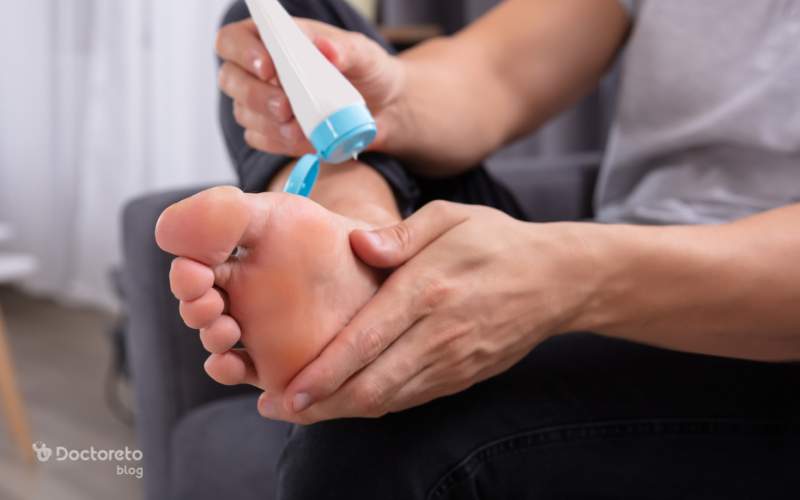
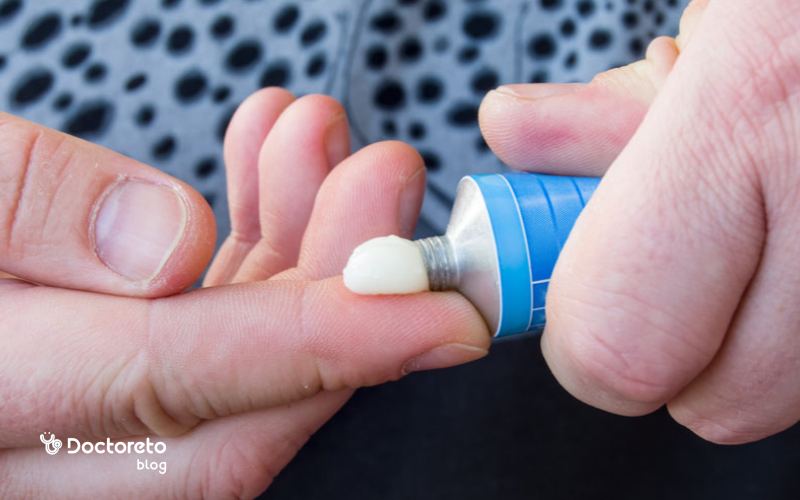
Proper dressing along with best ointment for treating diabetic foot ulcer plays a big role in controlling diabetic foot ulcer infection. Antibacterial dressings can absorb secretions and prevent the growth of microbes. Choosing the type of dressing depends on the condition of the wound and should be done by a knowledgeable person. Regular dressing changes are also very important. The wrong dressing or changing it late can make the infection worse.
Superficial infection involves only the skin and surrounding tissues and usually has a simpler treatment.
5. Hospitalization for severe infection
In severe infections, hospitalization is necessary. This allows for intravenous antibiotics, accurate blood sugar control, and continuous wound monitoring. In the hospital, the treatment team can respond more quickly to changes and prevent the progression of infection. Timely admission can prevent amputation.
Types of diabetic foot ulcer infection
Diabetic foot wound infection can be superficial or deep. Superficial infection only involves the skin and surrounding tissues and is usually easier to treat. A deep infection reaches the muscle, tendon, or bone. This type of infection is very serious and requires longer treatment. In some cases, the infection is seen in the form of an abscess or widespread cellulitis, which requires immediate intervention.
One of the most important complications is the spread of infection to the bone, which is called osteomyelitis. This situation complicates the treatment and increases the risk of surgery. Amputation is another serious complication that may occur if not properly treated. This has a profound effect on the patient's quality of life. Severe infection can cause sepsis, which is a life-threatening condition.
prevention of diabetic foot ulcer infection
Prevention is always easier than cure. Daily examination of the feet, even between the toes, can prevent the development of ulcers. Regular blood sugar control and proper footwear play an important role in diabetic foot ulcer prevention. Every small wound should be cleaned and protected. Regular visits to the doctor and foot care training will significantly reduce the risk of diabetic foot ulcer infection.
Conclusion
Diabetic foot wound infection is a serious but preventable and treatable problem. Early diagnosis, blood sugar control and basic treatment can prevent severe complications. Ignoring small foot ulcers is the biggest mistake diabetics make. Every small change should be taken seriously. With awareness, care and follow-up, you can maintain the health of your feet and stay away from dangerous consequences.
Your doctor takes care of your health!
Frequently Asked Questions
The main difference between a simple wound (non-infectious) and an infected diabetic wound in the presence or absence of signs of infection is A simple non-infectious wound is an open wound that remains without signs of inflammation or infection (such as redness, warmth, swelling, pain, or purulent discharge) and is often caused by neuropathy or persistent pressure but is not yet infected, while an infected wound has at least two signs of local infection (such as redness >0.5 cm around the wound, swelling or firmness, local warmth, pain/tenderness, or purulent discharge) and may be deeper (such as subcutaneous tissue, tendon, bone) or cause systemic symptoms (fever, chills, increased heart rate).
No, not every diabetic wound becomes infected. بسیاری از زخمهای پای دیابتی (بهویژه در مراحل اولیه و با مراقبت مناسب) بدون عفونت باقی میمانند و بهبود مییابند، اما به دلیل عواملی مانند نوروپاتی (کاهش حس)، جریان خون ضعیف، کنترل ضعیف قند خون و تأخیر در درمان، این زخمها بسیار مستعد عفونت هستند.
بسته به شدت عفونت، از چند هفته تا چند ماه متغیر است.
در موارد شدید و درماننشده، بله این خطر وجود دارد.
فقط در موارد خفیف و با نظر پزشک، در غیر این صورت خطرناک است.