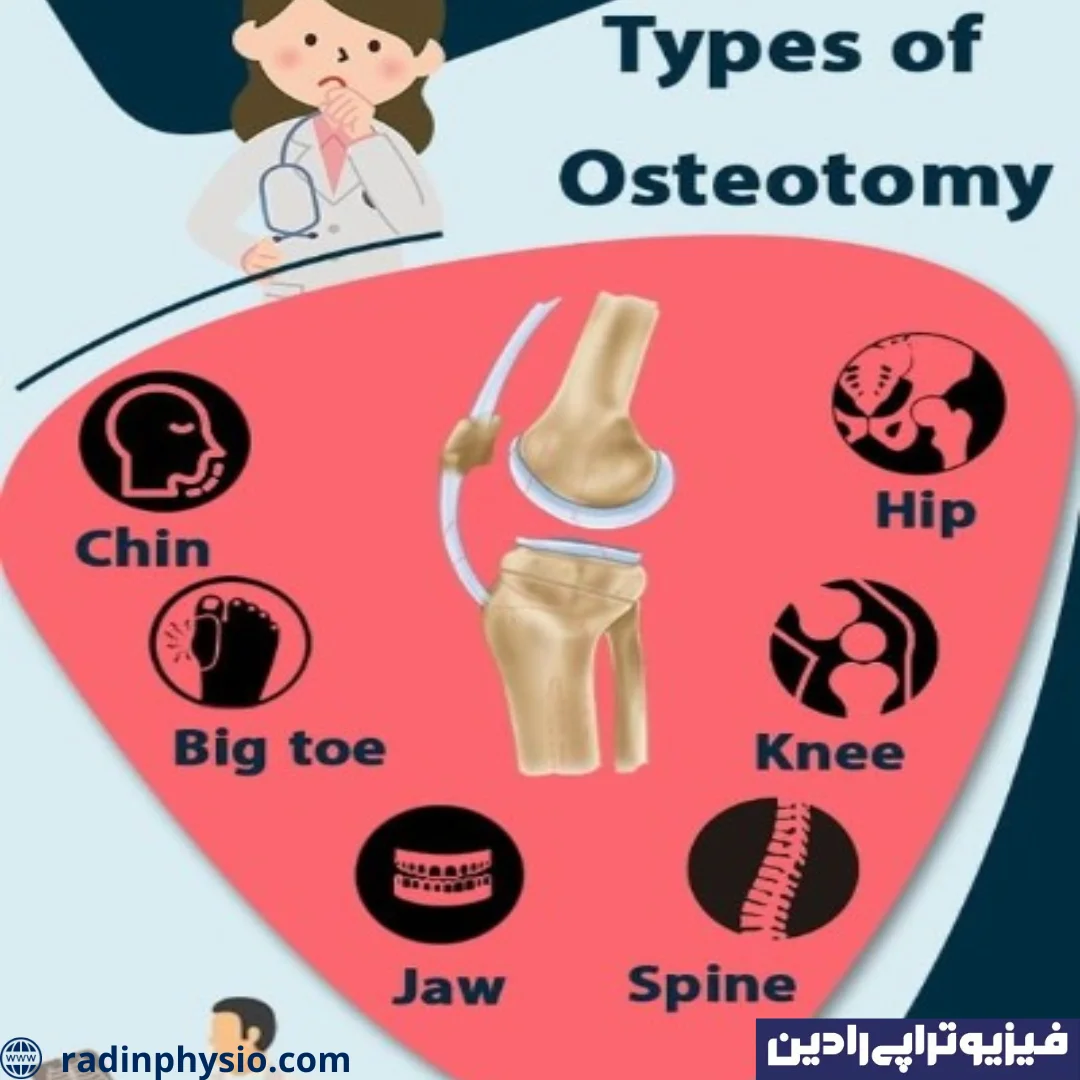

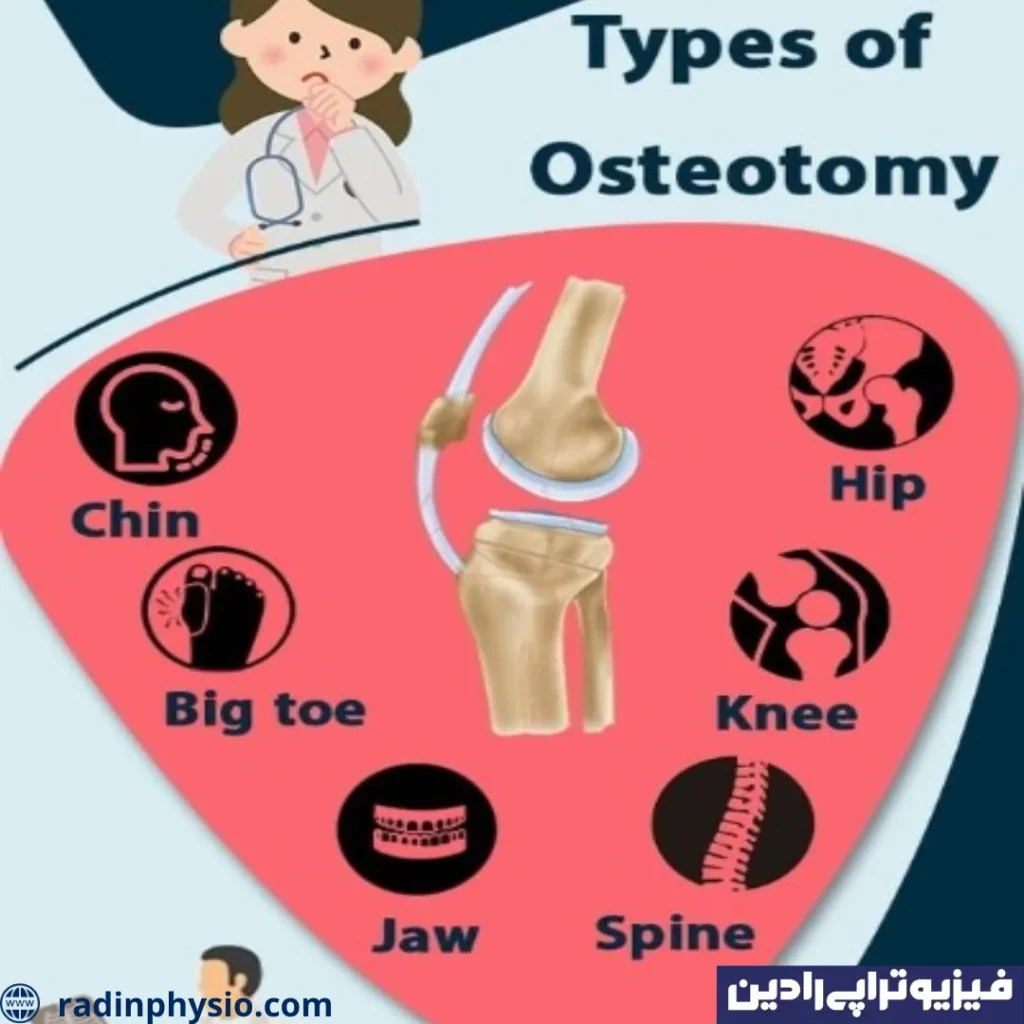
استئوتومی چیست؟ فیزیوتراپی استئوتومی
استئوتومی (Osteotomy) یک روش جراحی است که در آن جهت تصحیح شکل و موقعیت استخوانها استفاده میشود و معمولاً در روشهای درمانی برای بیمارانی که مشکلات عضلانی-اسکلتی دارند مورد استفاده قرار میگیرد.
در این مقاله به استئوتومی و نقش فیزیوتراپی بعد و برای استئوتومی میپردازیم.
هدف اصلی استئوتومی تغییر محور بارگیری استخوان است تا بارگیری مناسب و توازن در سیستم عضلانی-اسکلتی ایجاد شود. This method can be used in the treatment of patients who have loading problems in the joints, bone deviations, abnormalities in the joint.
In osteotomy, the surgeon first cuts the desired bone and then moves it at a desired angle and finally fixes the bone in a new position using screws and plates. This method can be used in different bones of the body, such as femur (thigh), tibia (leg) and elbow.
Before performing osteotomy, the patient must be examined and undergo a complete evaluation. Also, the surgeon must diagnose the position and shape of the bone with clinical accuracy and appropriate imaging in order to accurately change the axis of loading.
After osteotomy surgery, the process of bone regeneration and return to daily activities will take several months. After surgery, the patient must commit to a physical therapy exercise program to improve bone and muscle strength and enable return to normal activities.
Osteotomy is a complex surgical procedure and requires the experience and skill of a skilled surgeon. Before deciding to perform an osteotomy, it is better to consult with a specialist and learn about the advantages, disadvantages, and details of the surgery.

knee osteotomy operation
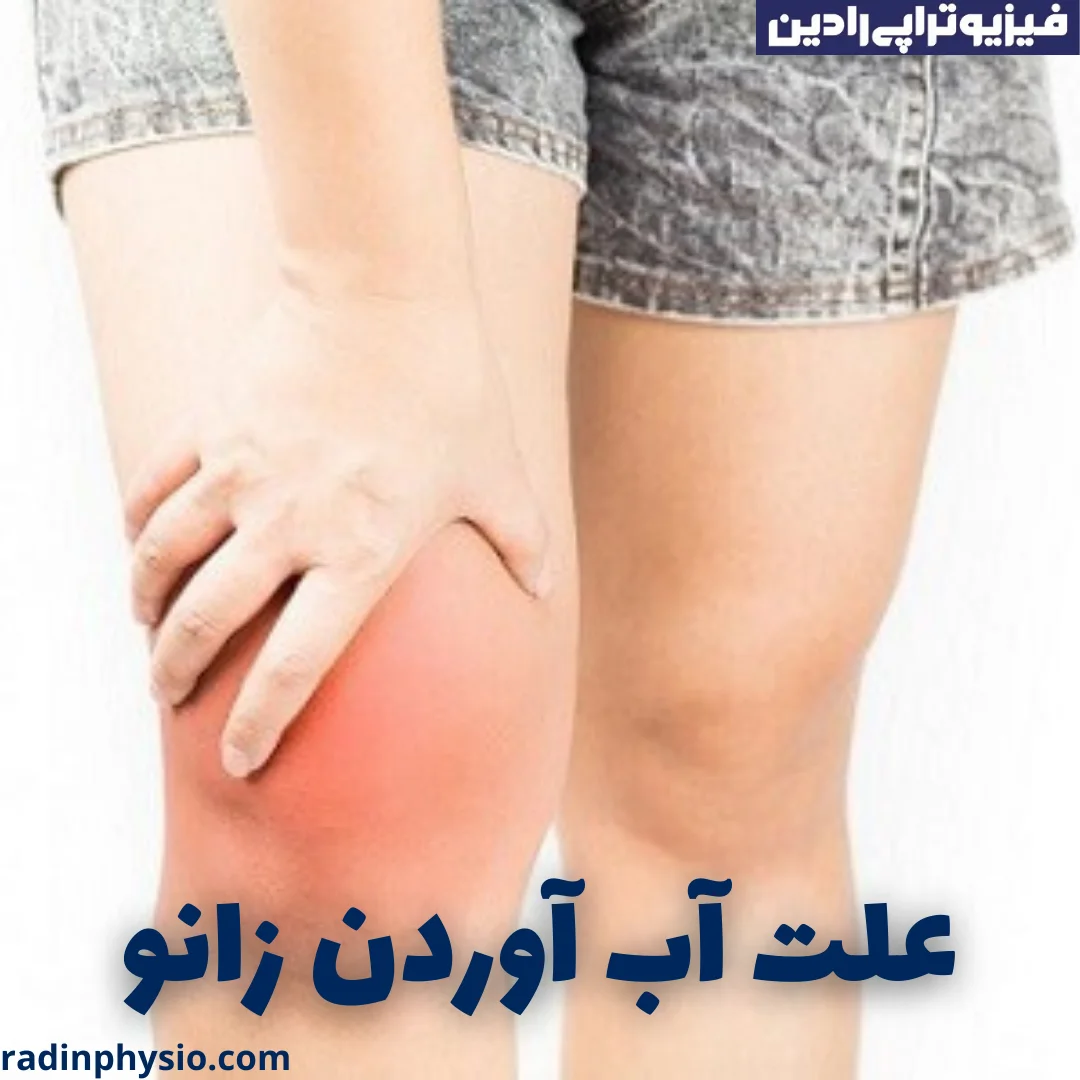
Knee osteotomy is a surgical procedure in which the knee bones are segmented and their position is changed. This method is used to correct problems such as deviations, abnormalities, and imbalances in the knee bones.
In knee osteotomy, the surgeon first makes cuts in the knee bones. Then it moves the bone precisely at the desired angle. This change in the position of the bones can be useful for correcting deviations, stimulating bone growth in the correct position and improving the musculoskeletal balance of the knee.
Knee osteotomy may be used in the following cases:
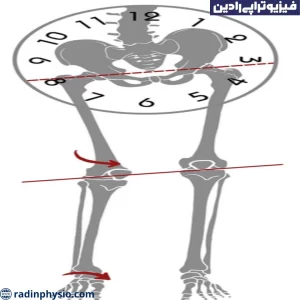
- Knee deviations: If the knee is deviated inward (varus) or outward (valgus), knee osteotomy can be used to correct it.
- Knee abnormalities: In some cases, the bones of the knee may have an abnormal shape or position. A knee osteotomy can be used to correct these abnormalities.
- Musculoskeletal Imbalance: In some cases, musculoskeletal imbalances in the knee can lead to problems such as fatigue, pain, and unevenness in movement. By shifting the loading axis of the bones, the balance in the musculoskeletal system of the knee is improved.
By performing knee osteotomy, the patient must commit to a physical therapy exercise program after surgery. These exercises accelerate the improvement of bone and muscle strength and help to return to daily activities. Also, after knee osteotomy, there may be a need to use assistive devices such as crutches in the initial phase of returning to daily activities.
Pelvic osteotomy operation
Pelvic osteotomy is a surgical procedure in which the pelvic bone (pelvis) or the humerus (hip bone) is fragmented and its position is changed. This surgical procedure is used to correct problems such as deviations, deformities, and imbalances in the pelvic bones.
Pelvic osteotomy may be used in the following cases:
- Pelvic deviations: If the pelvis is deviated inward (varus) or outward (valgus), pelvic osteotomy can be used to correct it.
- Pelvic abnormalities: In some cases, the pelvic bone may have an abnormal shape or position. Pelvic osteotomy can be used to correct these abnormalities and improve balance in the bones of the pelvis. Musculoskeletal imbalance: In some cases, musculoskeletal imbalance of the pelvis can lead to problems such as pain, unevenness in movement, and imbalance in the joints. By shifting the loading axis of the pelvic bone, the balance in the musculoskeletal system improves.
In the operation of pelvic osteotomy, the surgeon first makes cuts in the pelvic bone or the humeral bone. Then it moves the bone precisely at the desired angle. This change in the position of the bones can be useful for correcting deviations, stimulating bone growth in the correct position and improving the muscular-skeletal balance of the pelvis.
After hip osteotomy, the patient must commit to a physical therapy exercise program after surgery. These exercises accelerate the improvement of bone and muscle strength and help to return to daily activities. Also, after a hip osteotomy, there may be a need to use assistive devices such as crutches in the early stages of returning to daily activities.

jaw osteotomy operation
Jaw osteotomy may be used in the following cases:
- Jaw misalignment: If the jaws are in a misaligned position (such as a ridge or a backward jaw), osteotomy The jaw can be used to correct it.
- Narrowness or excessive width of the jaw: In some cases, the size of the jaws is disproportionate and pressure or tightness may develop in the mouth area. A jaw osteotomy can be used to balance the size of the jaws and improve a wide or narrow mouth.
- Jaw abnormalities: In some people, the jaw bones have an abnormal shape or position. Jaw osteotomy can be used to correct these abnormalities and improve jaw balance and function. Jaw osteotomy is usually performed under general anesthesia. During the operation, the surgeon makes incisions in the jawbones and then places the bones precisely in the desired position. After surgery, the patient needs care and physical therapy exercises to experience a proper recovery.
Toe osteotomy operation

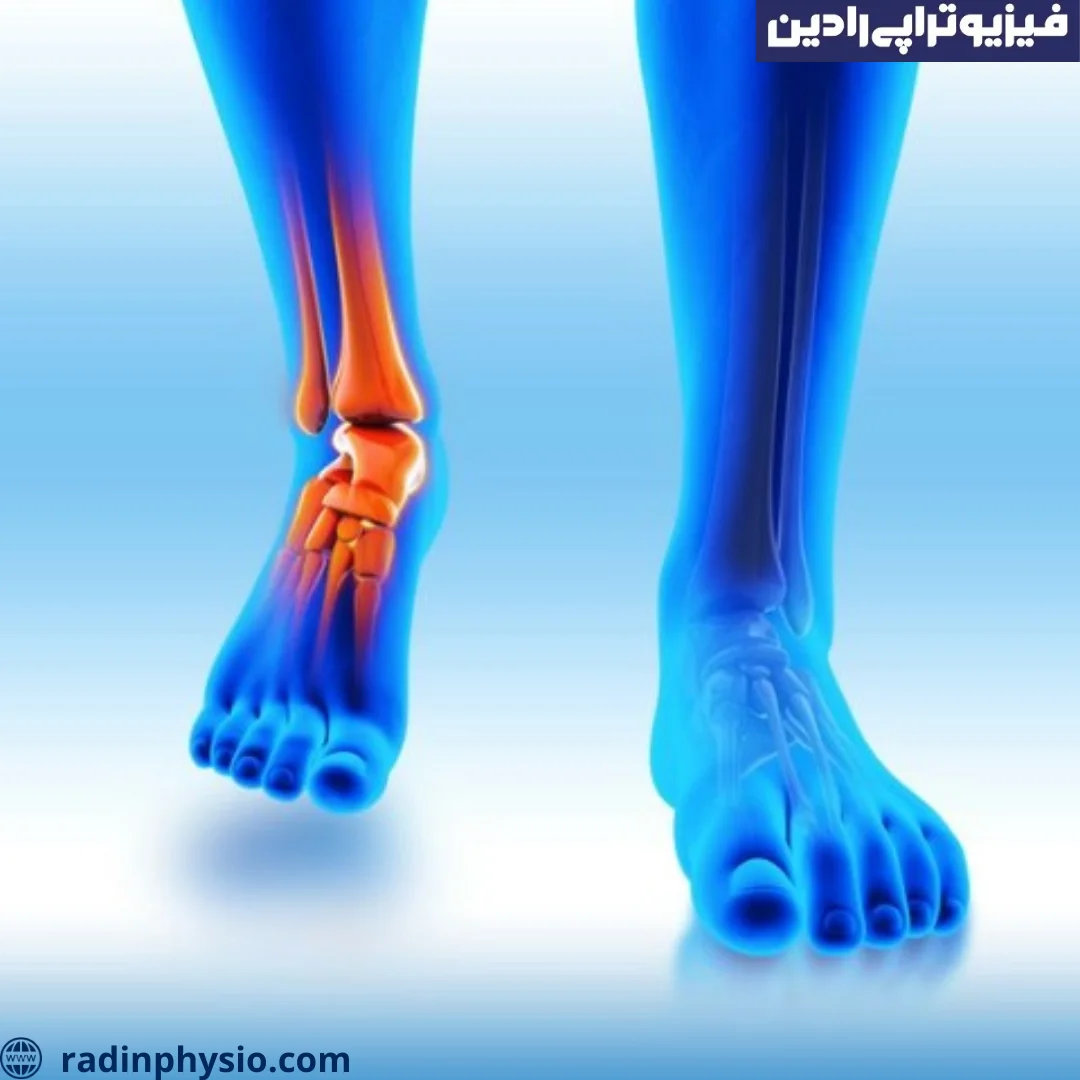
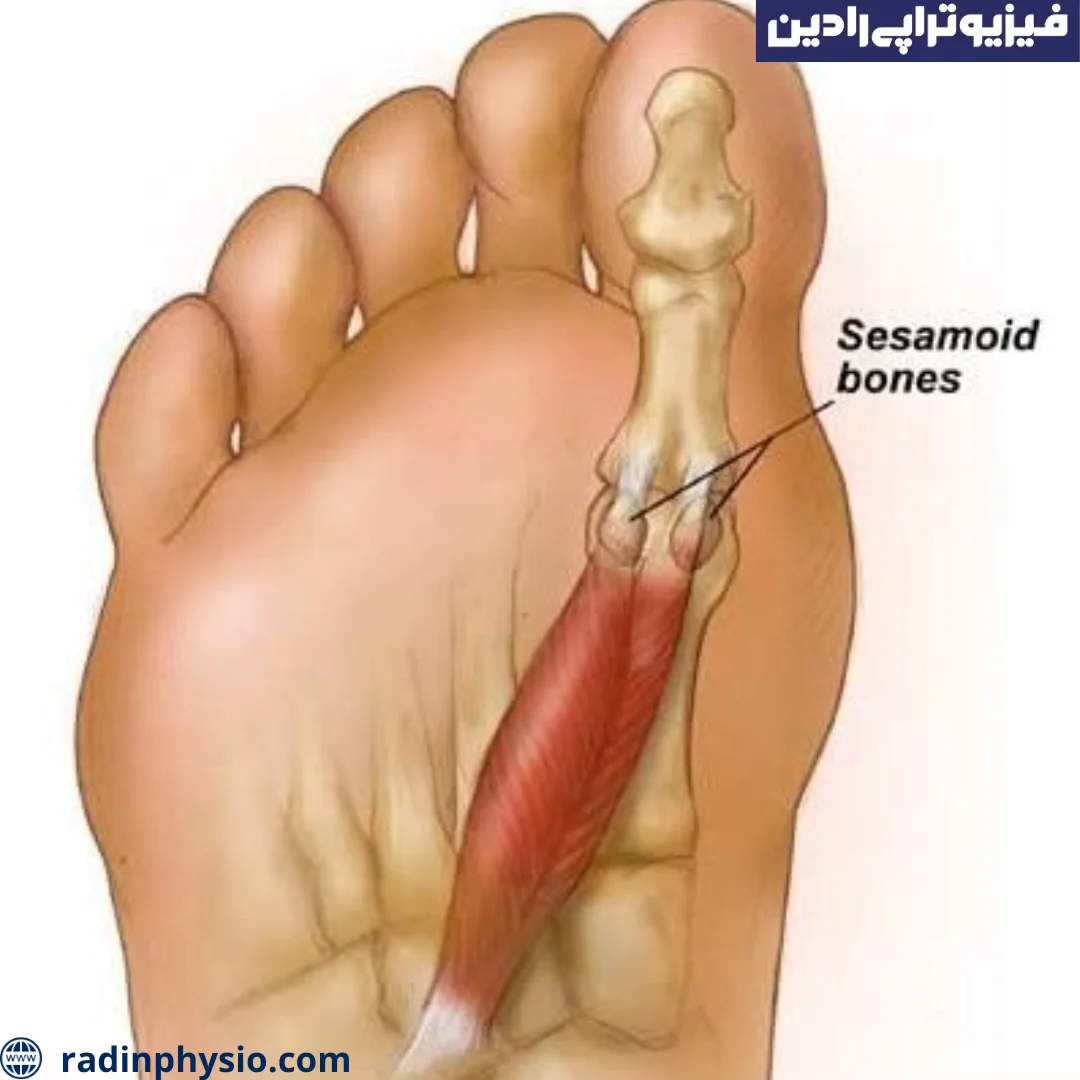
Toe osteotomy is a surgical procedure in which the bones of the toe are segmented and their position is changed. This surgical method is used to correct problems such as chronic swelling, deformity of the toe, muscle tightness, and some other problems.
Toe osteotomy may be used in the following cases:
- Chronic swelling: In some people, the toe may not be able to change its shape properly due to chronic swelling (long-term expansion and unevenness in the vessels and lymphatic system). A toe osteotomy can be helpful in reducing swelling and improving toe function.
- Toe deformity: In some cases, the toe may be uneven due to conditions such as hallux valgus. Toe osteotomy can be used to correct these shape changes and improve toe mobility.
- Muscle tightness: In some people, the muscles around the toe may not have proper mobility due to tension and tightness. By segmenting the toe bones and adjusting their position, toe osteotomy can reduce muscle tension and improve normal mobility.
In toe osteotomy, the surgeon makes cuts in the toe bones and then places the bones precisely in the desired position. After surgery, depending on the amount and type of operation, the patient needs care and physical therapy exercises to experience a proper recovery.
chin osteotomy operation
In chin osteotomy, the surgeon makes cuts in the chin bones and then places the bones precisely in the desired position. After surgery, depending on the amount and type of operation, the patient needs care and physical therapy exercises to experience a proper recovery.

Spine osteotomy operation
Spine osteotomy can be used in the following cases:
- Spine deviations: In some people, the spine may have many deviations or bends. This problem can be known as scoliosis (lateral deviation) or kyphosis (forward bending deviation). Spinal osteotomy can be used to correct these deviations and improve the cylindrical shape of the spine. Exacerbation of back pain: In some cases, problems with the spine can lead to exacerbation of back pain. If the cause of back pain is directly related to spinal problems, osteotomy may provide pain relief.
- Pressure on nerves and spinal cord: In some cases, spinal deviations can put pressure on nerves and spinal cord, causing symptoms such as pain, numbness, and decreased nerve function. By performing an osteotomy, the pressure is removed from the nerves and the spinal cord, and related symptoms may improve.
In a spinal osteotomy, the surgeon cuts or removes parts of the bones or soft tissues of the spine. The purpose of this surgery is to correct the position and shape of the spine. Depending on the patient's needs, surgery may include emptying the intervertebral space, fixation with screws and titanium, or the use of more complex surgical systems.
osteotomy operation for foot deviation
Osteotomy to correct foot deviation is usually known as blind cobbotomy. This surgical procedure is used to correct foot deviation due to associated spinal disorders. In this method, surgery is performed on the bones and soft tissues around the foot to correct bony deviators.
The main purpose of osteotomy for foot deviation is to correct the bending angle (dorsiflexion) or its bending. This deviation may occur due to various factors such as central spasticity (disruption of central muscle function), muscle and nerve communication disorders, or bone problems such as peripheral sclerosis.
In osteotomy for foot deviation, the surgeon plans the surgery using radiological images such as X-rays and MRI. Then, using surgical techniques, necessary adjustments and corrections are made on the bones and soft tissues to correct the foot deviation. Usually, in this surgery, the bone vertebrae to be corrected are not cut, but the deviation is corrected using techniques of bending and changing the shape of the bones.
The steps after the osteotomy operation for the foot deviation include the process of recovery and strengthening of the leg muscles. Physiotherapy and exercise can speed up the recovery and strength of the leg.
Contraindications for using osteotomy
Osteotomy may prevent use in some cases. Below, we mention some of the contraindications for using osteotomy:
Bad general status
If you have a generally unfavorable general condition, either significant systemic disease or serious side effects from medications, osteotomy may not be appropriate.

Infectious diseases
Bleeding problems
If you have bleeding problems, such as poor blood supply, platelet defects, or other blood-related problems, an osteotomy may be dangerous. This surgery may cause more bleeding and cause more serious problems.
cardiovascular problems
In the presence of serious cardiovascular diseases, osteotomy may be dangerous. This includes diseases such as angina, heart attack, blocked coronary arteries, heart failure and other problems. Before deciding on an osteotomy, you should consult your cardiologist.
Pregnancy
During pregnancy, osteotomy may not be permitted. This surgery can have risks for the fetus and the mother. If you are pregnant, you should talk to your doctor about surgery.
Osteotomy side effects
Osteotomy, like any other surgery, may be associated with some complications. Below, we mention some of the possible complications of osteotomy:
Bleeding: Bleeding may occur at the surgical site. This bleeding is usually mild and can be controlled by a doctor. In some cases, there may be a need for further surgical repair to stop the bleeding.-
- Infection: Infection of the surgical site is a rare complication, but it can occur. Using disinfectants and following hygiene instructions after surgery can reduce the risk of infection.
- Inflammation: Inflammation may occur at the surgical site. This problem can usually be managed with the use of anti-inflammatory drugs and medical orders.
- Intolerance to a part of the surgery: In some cases, the body may react to a part of the surgery. Symptoms such as severe pain, excessive swelling, unusual bleeding, lack of normal movement or intolerance to pressure may occur.
- Complications of anesthesia: If the operation is performed under general anesthesia, complications related to anesthesia may also occur. These complications include nausea and vomiting, drowsiness, pain after waking up, and breathing problems.
Care of osteotomy operation
Osteotomy postoperative care can be very useful for a faster and better recovery from the operation. In the following, we examine some of the important post-osteotomy care:
- Proper nutrition: It is recommended that you follow a healthy and balanced diet during the post-operative recovery period. Consuming foods rich in protein, vitamin D and calcium can help the process of bone healing and repair. Stabilization of the operation site: After the operation, it may be necessary to stabilize the osteotomy area and use metals, protective coatings or adhesives to maintain the strength of the osteotomy. It is very important to follow your doctor's instructions regarding the use of these materials and to properly stabilize the area. This includes changing bandages, cleaning the surgical site, using disinfectants, and regularly following up with your doctor about it.
- Activity and appropriate rest: After an osteotomy, you may need to rest and limit activity, especially while the bones are healing. Consult your doctor about the correct activity and rest schedule during the recovery period.
- Medical follow-up: Regular follow-up and visits to the doctor for check-up and evaluation after the operation are very important. Your doctor can monitor site changes, bone healing progress, and possible complications, and provide necessary instructions.
- Physiotherapy: After an osteotomy, physical therapy may be needed to restore strength and normal movement to nearby bones and muscles. Following the exercises and recommendations of the physical therapist can speed up the recovery.
It is important to follow all the instructions and recommendations of your doctor carefully and to inform your doctor if you experience any unpleasant or suspicious symptoms. Also, discuss any questions or concerns about post-operative care with your doctor.
Physiotherapy after osteotomy operation, osteotomy physiotherapy
After osteotomy surgery, physical therapy can help you recover faster and better than surgery. Physical therapists can use various methods to strengthen muscles, increase joint mobility, and improve function. In general, physiotherapy treatment after osteotomy can include the following:
- Strengthening exercises: These exercises are performed with the aim of strengthening the muscles around the operated bones. This includes resistance exercises with body weight or through the use of weights and exercise machines.
- Flexibility exercises: These exercises are performed to increase flexibility and range of motion in the joints. The physiotherapist may use stretching exercises, circulation exercises and joint exercises for this purpose.
- Balance and movement control exercises: These types of exercises aim to improve body balance and movement control. These exercises can include static and dynamic balance exercises, stabilization exercises and more complex exercises such as balancing on balance boards.
- Functional exercises: These types of exercises help you improve your daily performance. For example, exercises that help you walk well, sit on the move, or lift objects.
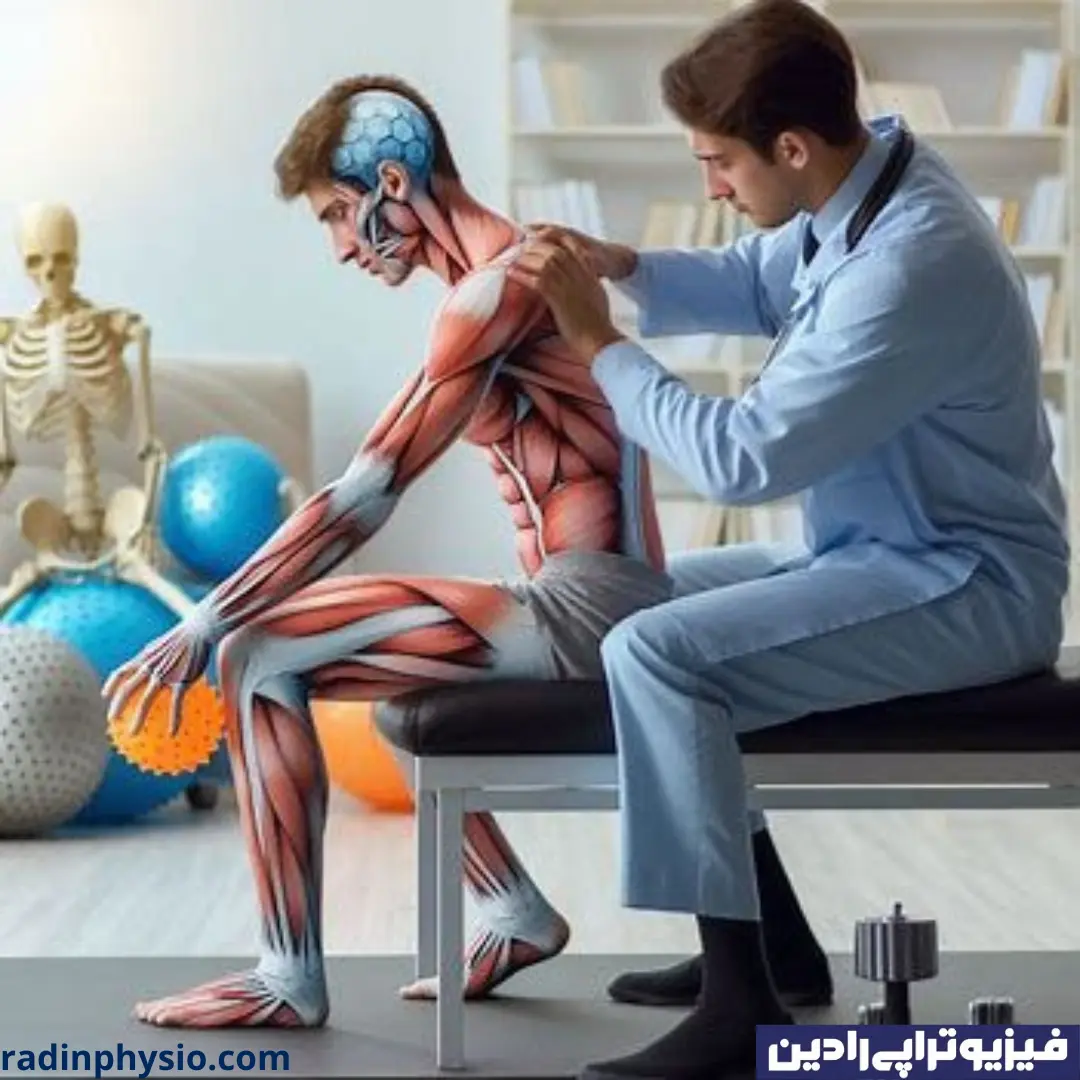
- Manual techniques treatment: The physical therapist may use manual techniques such as massage, joint manipulation, muscle stretching, and other methods to reduce pain, inflammation, and improve movement.
It is important that the physical therapy treatment after osteotomy is based on your condition and Determine your doctor's recommendations. Cooperation with a professional physiotherapist (Radin Tehran Physiotherapy) and careful follow-up of the recommendations and therapeutic exercises of care include the following:
- Care of the surgical department: After the osteotomy, you must clean the surgical site carefully and follow the doctor's instructions about changing the bandage and taking care of the surgery.
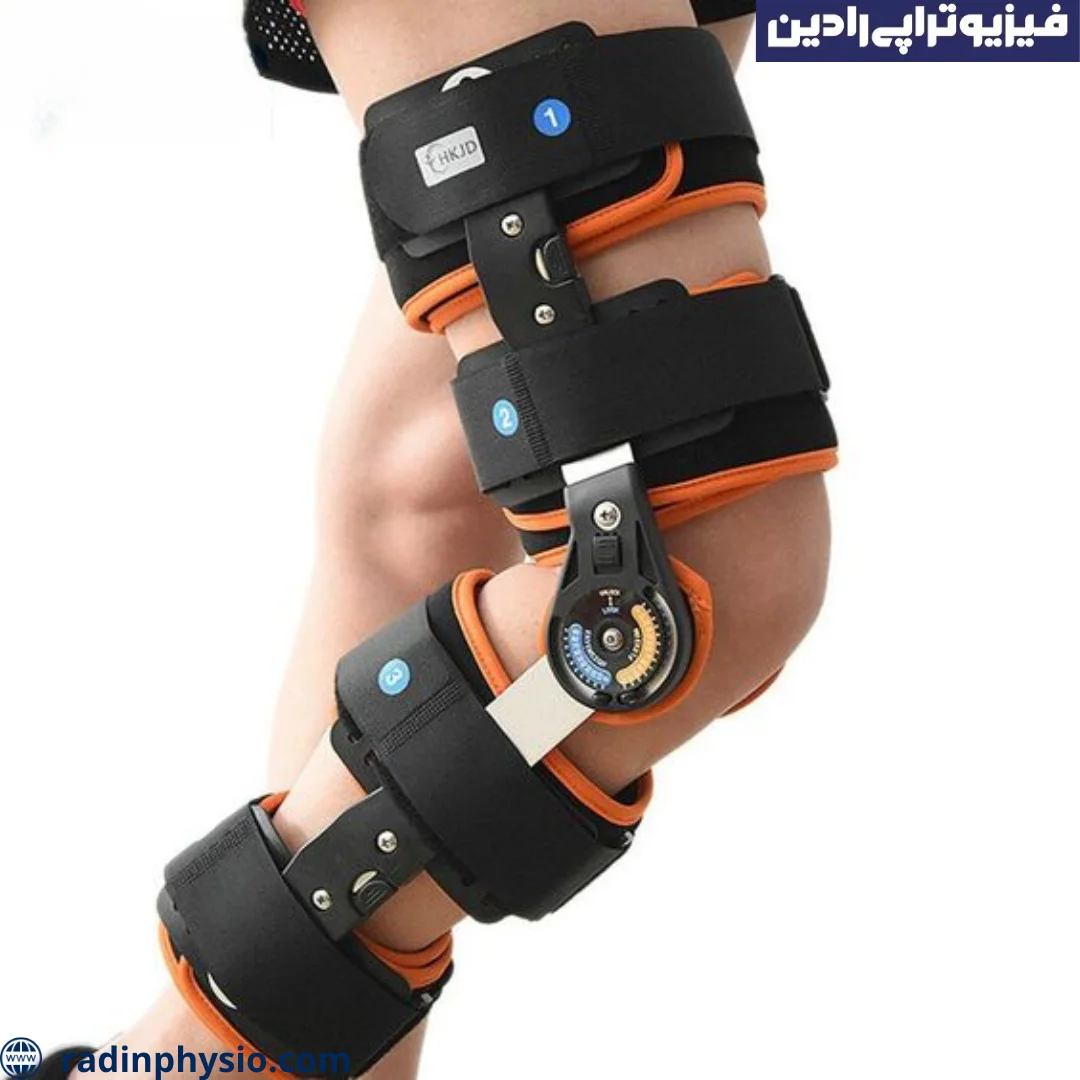
- Using a collar or Splint: Your doctor may recommend a splint or splint to stabilize the bones at the osteotomy site and help them heal.
- Physical exercises: After the osteotomy, the physical therapist may prepare a program of physical exercises to strengthen your muscles, increase joint mobility, and improve your body function. These exercises include strengthening exercises, flexibility exercises, balance and movement control exercises, and functional exercises.
- Pain control: If you have severe pain or swelling after osteotomy, you should inform your doctor. Your doctor may prescribe painkillers or recommend other ways to control pain.
- Proper nutrition: A healthy and balanced diet can help the process of bone healing and repair. Consider eating foods rich in protein, vitamin D, and calcium.
- Medical follow-up: Regular follow-up with your doctor to check the status of bone healing and post-operative evaluation is very important. If you have any problems or concerns, you should see your doctor.
Endnote
For recovery and treatment after osteotomy surgery, physical therapy plays a very important role. Physical therapy includes strengthening and flexibility exercises and techniques that accelerate recovery and help reduce symptoms and pain. Usually, the physiotherapist will prescribe specific exercises for you to do on a regular basis. شما می توانید با کلینیک تخصصی رادین تماس حاصل فرمایید تا با رزرو وقت با همکاری کادر مجرب مجموعه به بهبود خود با تکنیک ها و مجهزترین تجهیزات سرعت بخشید.