
یکی از اصلیترین مشکلات مربوط به قلب و عروق، گرفتگی رگ قلب و احتمال مرگ در آنژیوگرافی است. In ancient times, there were not many treatment solutions for this disease; But today, with the improvement of medical science, effective treatment methods have been created to treat heart problems, and angiography of heart vessels is one of these treatment methods. Of course, we must say that the probability of death in angiography is very low. For more information in this field, stay with the expert Dr. Hekmat Angiography in Isfahan.
Is heart angio dangerous? What is the probability of death in angiography?
Cardiac angiography, as mentioned at the beginning of the introduction, is one of the treatment methods for heart problems that has very few complications and injuries.
You should know that with the timely diagnosis of cardiovascular diseases and their early treatment, you can largely prevent the possibility of death in angiography. It is not, and if the post-angiography care is done in a principled and accurate way, cardiac angiography will not pose any risk to the patient, and the complications and problems after the operation will be greatly reduced. In answer to this question, we have to say no, to perform angiography, it is not necessary for the patient to be unconscious, and only if he is not ready, they will inject him with sedatives.
The hospitalization period of angiography does not last long, and if no problem is found in the patient's condition after the medical examination, he will be discharged and return home within 24 hours.
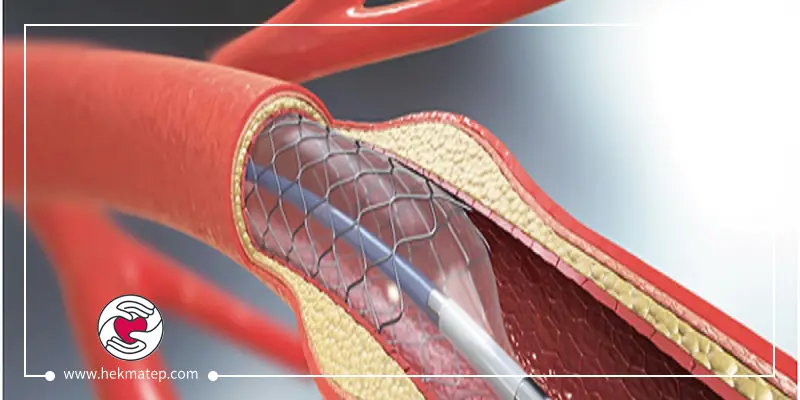
Does cardiac angiography have anesthesia?
For almost 50 years, angio surgery has been performed using a counter and through the hand or groin. Using this method, they reach the heart vein and take pictures of it. In the past, angiography was not advanced and did not show clear images. But today, by using devices and counters that reach the heart, the best diagnosis and treatment can be provided, especially for coronary artery stenosis by balloon.
It should be noted that cardiac angiography is performed without anesthesia. Cardiovascular angiography in Isfahan has few side effects and risks, and may only cause blockage of the hand or thigh vein, blood accumulation, bruising, and mild bleeding in these areas.
Heart pain after angiography
Any operation may have complications, and angiography is no exception to this rule. Many people experience heart pain after angiography and this pain can make them uncomfortable and even afraid of doing this treatment. Heart pain is one of the common side effects after angiography that may occur in some patients.
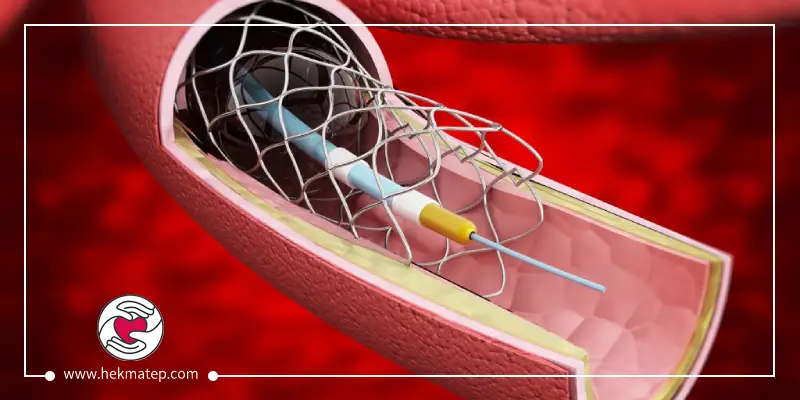
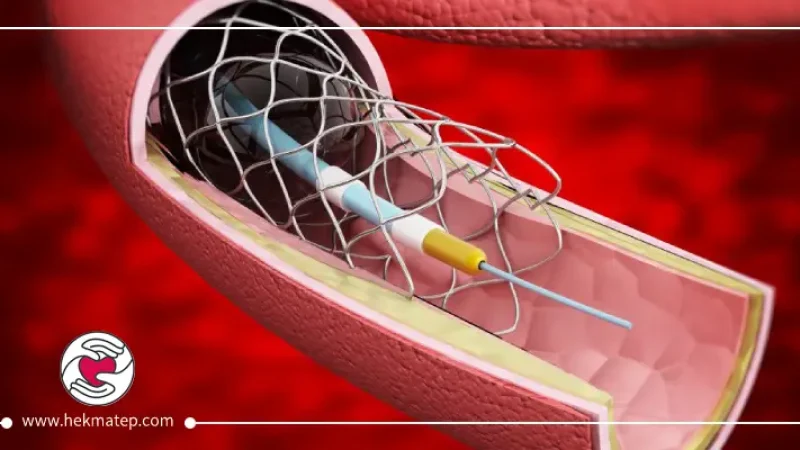
Heartache after angio may be due to re-clogging of blood vessels or excessive expansion of the blood vessel due to placing a stent inside the patient's vessel. This pain may last for several days and will get better over time. If the patient's heart pain does not improve or increases, if it is accompanied by other symptoms such as coldness and numbness, severe shortness of breath or increased blood pressure, etc., the patient must inform the doctor about his condition.
Duration of angiography hospitalization
The duration of angiography hospitalization in Cardiovascular Angiography in Isfahan is short and usually the patient is kept in the hospital for one to two days. In general, the duration of hospitalization for angiography is as follows:
- After the angiography process is completed, the patient is kept in the lab coat department for a few hours.
- If angiography is performed through the groin, it is necessary for the patient to stay in the hospital for 1 night.
- After 1 night, the doctor checks the patient's symptoms and general condition and if the patient's condition is favorable, he is discharged.
- In manual angiography, the patient does not need to be hospitalized. The patient is discharged after a few hours when he is fully conscious.
Complications of angiography
Some of the common complications of angiography that are seen in many patients are as follows.
Pain in the angiography area:
Angiography is usually performed through the hand or groin, and one of the common complications that occur in most people after this test is pain in the angiography area that lasts for some time. This pain is due to the exit or entry of the tube into the veins, which is normal and does not cause any danger. Painkillers can be used to fix it.
Probability of death in angiography:
One of the side effects of angiography that rarely happens is the possibility of death during angiography, which happens more in the elderly and those with underlying diseases.
Feeling pain in the heart:
Other common complications of angiography include heart pain, which is normal and will disappear after a while.
Probability of getting cancer:
The possibility of getting cancer is another side effect of angiography, which is caused by direct X-ray radiation. Of course, the probability of this complication is very low.
Severe body reactions:
Sensitivity to contrast color is one of the most common side effects of angiography, which is usually accompanied by itching and red spots, and if it becomes severe, it causes breathing problems.
What happens if we don't do angiography?
Heart angiography is performed to analyze and check the condition of the coronary arteries of this vital organ.
Now if you have to do angiography; But what if you don't want to do this test for any reason? In response to this question, we must tell you that depending on the symptoms and the degree of blood vessel blockage, if this work is delayed or not done for any reason, it will cause serious and irreparable problems such as heart attack or even death. Keep in mind that prevention is always better than treatment and angiography is a treatment method to check the health of the heart and blood vessels, which can prevent serious problems and endangering health.
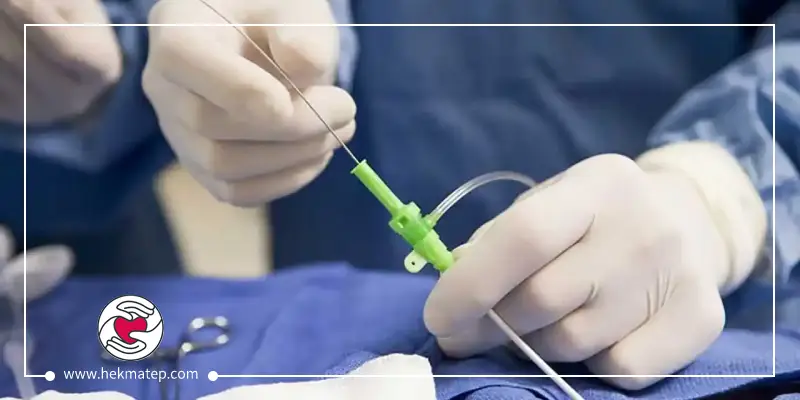
What happens in heart angio?
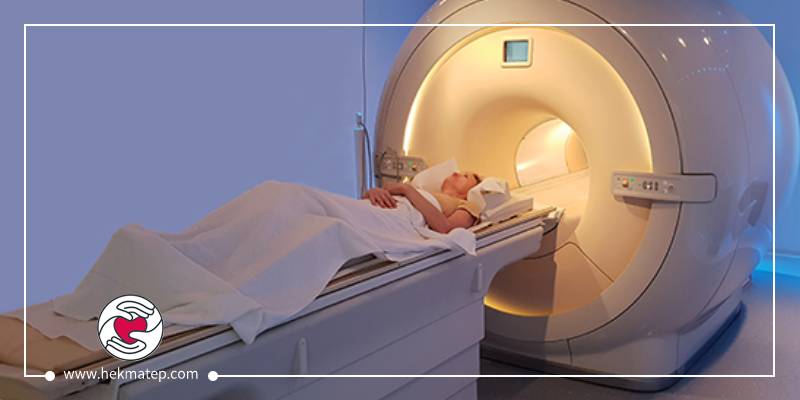
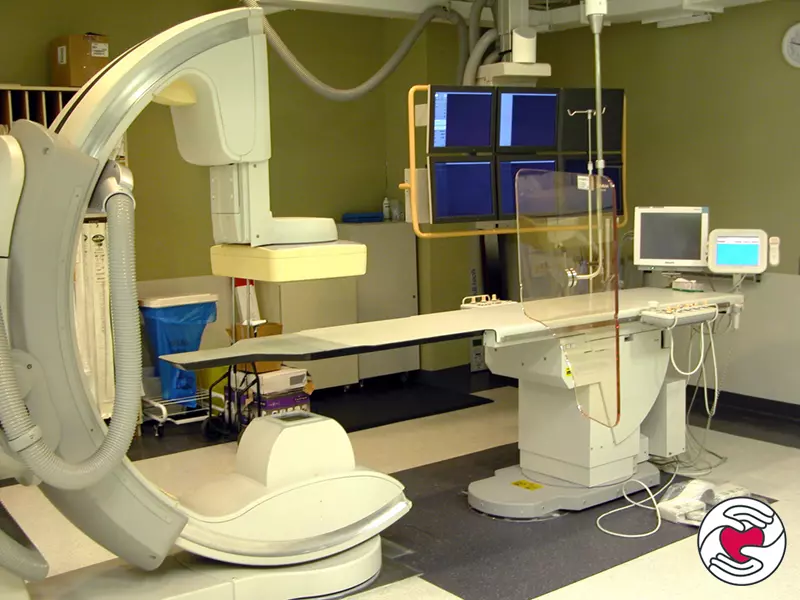
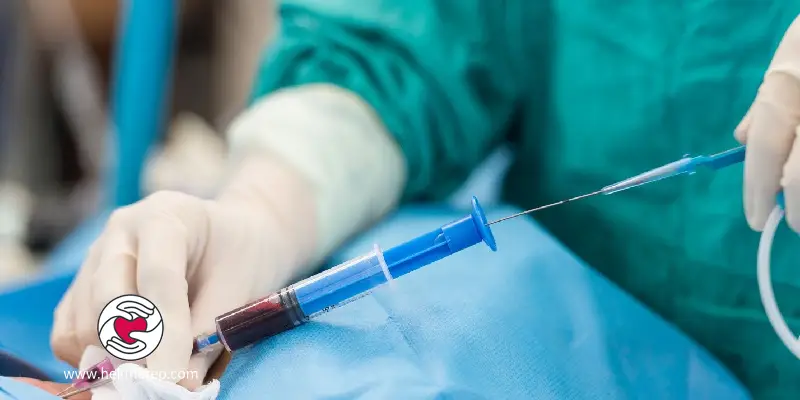
After being transferred to the cardiac angiography room, you should lie down on the bed. As we said in the previous titles, angiography is performed through the groin or hand, and if you do not have an acute problem, the possibility of death in angiography is zero. The area through which the angiography test should be performed is washed with disinfectant and covered with a clean cloth.
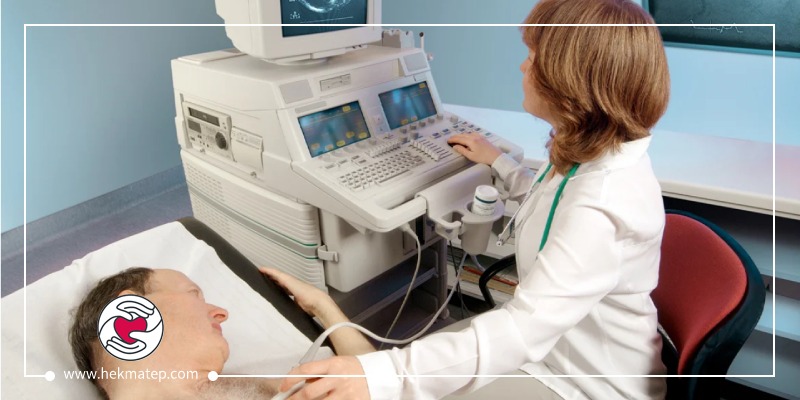
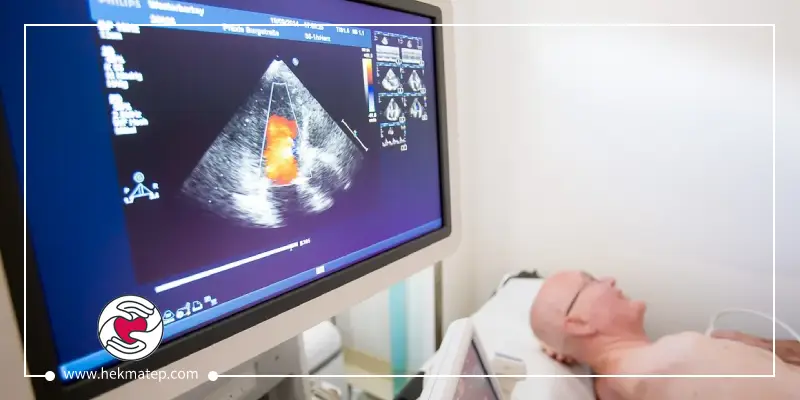
After anesthetizing the target area, a needle inside a flexible narrow tube is inserted into the artery by the doctor and the contrast material is injected inside the vessels by means of special catheters, and the heart is imaged using X-ray radiation.
Decreasing the risk of cardiac angiography
To reduce the risk of cardiac angiography, you should be aware of the care points before and after performing this procedure, some of these points are as follows, and following them will reduce both the risk of angiography and the possibility of death during angiography.
- Avoid eating heavy food and alcoholic beverages the night before the angiography.
- Inform your doctor if you are taking certain medications.
- If you have any drug allergies or sensitivities, inform your doctor about this.
- Avoid taking blood thinners a few days before angiography.
- Do not take a bath for a day or two after cardiac angiography and keep your scar dry.
- Consume water and liquids regularly so that the contrast material is removed from your body as quickly as possible.
- Be sure to wear comfortable and loose clothes and avoid heavy activities.
- Do not put ointment or lotion on your wound under any circumstances.
- Take the medicines prescribed by the doctor regularly and go to the doctor faster in case of any complications.
Take all the above solutions seriously; Because they minimize the possible risks of heart angiography, and by considering and doing their principles, the possibility of death in angiography is zero.
Conclusion
Cardiovascular problems are diseases that do not recognize race and age and affect all people, so that one out of every four people in the world has heart disease. In order to treat cardiovascular problems, there are various treatment methods, one of the most common of which is angiography, which most people who suffer from heart diseases use this method for their treatment.
The accuracy and skill of specialists in performing this test is so high that the possibility of death in angiography is minimized and death occurs only in people who are either old or have underlying diseases, and doctors will explain all the cases to these people before performing this test. If you intend to have angiography in Isfahan and are looking for a doctor who specializes in this field, we recommend you to choose Dr. Mustafa Hekmat to do this.
Dr. Mustafa Hekmat is the best cardiologist in Isfahan who performs cardiac angiography with high skill and precision and with the best devices in the fastest possible time and has a high reputation in this field. در صورتی که میخواهید توسط دکتر حکمت برای انجام آنژیوگرافی و درمان مشکلات قلبی ویزیت شوید کافیست که جهت دریافت نوبت به صفحه اصلی سایت مراجعه کنید و با شماره تلفنهای موجود در صفحه تماس حاصل نمایید.