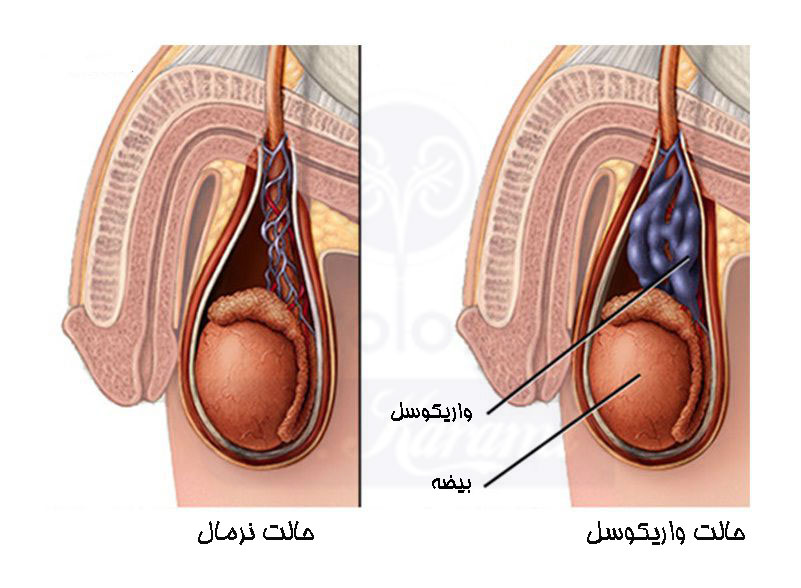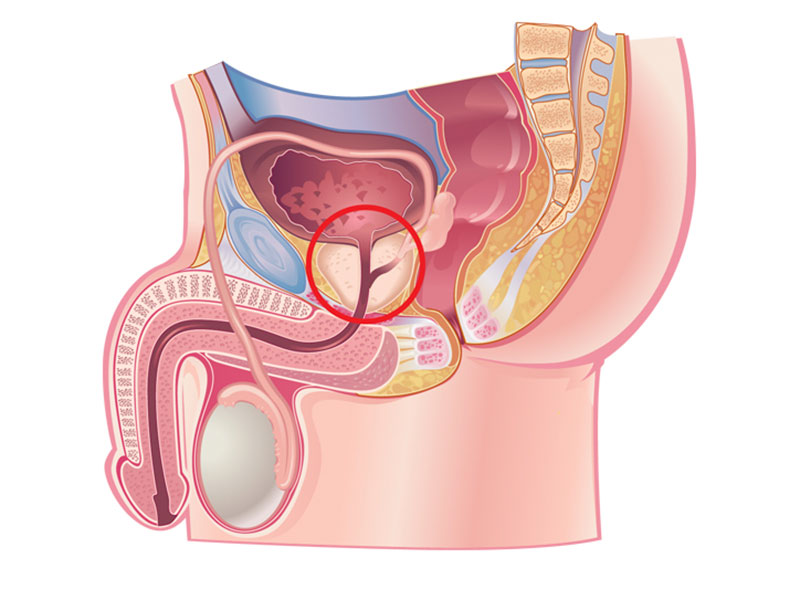

سیستم تناسلی مرد به طور خاص برای تولید، ذخیره و انتقال اسپرم طراحی شده است. Unlike the female genitals, the male genitals are located in the inner and outer parts of the pelvic cavity. They are:
- testicles (testicles)
- Vacal system: epididymis and vas deferens (sperm duct)
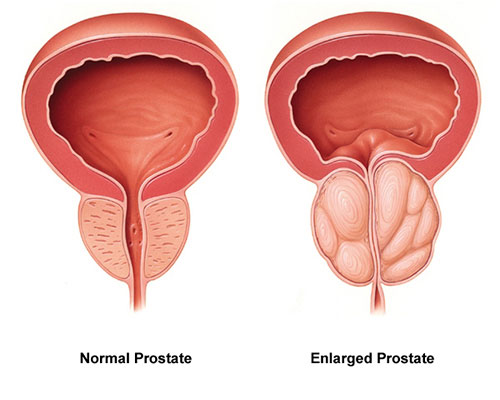
- Accessory glands: seminal vesicles and prostate gland
- Penis
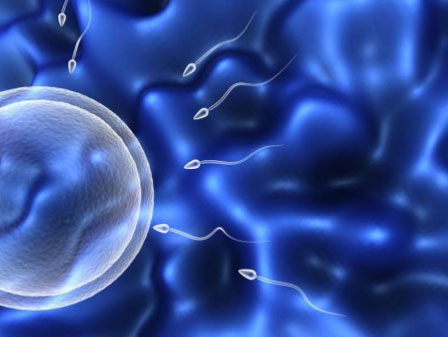
Sperm production, which in medical science is called Spermatogenesis, is a complex and continuous process that takes place in the testicles of men. This process is controlled by sex hormones, especially testosterone and pituitary hormones (LH and FSH).
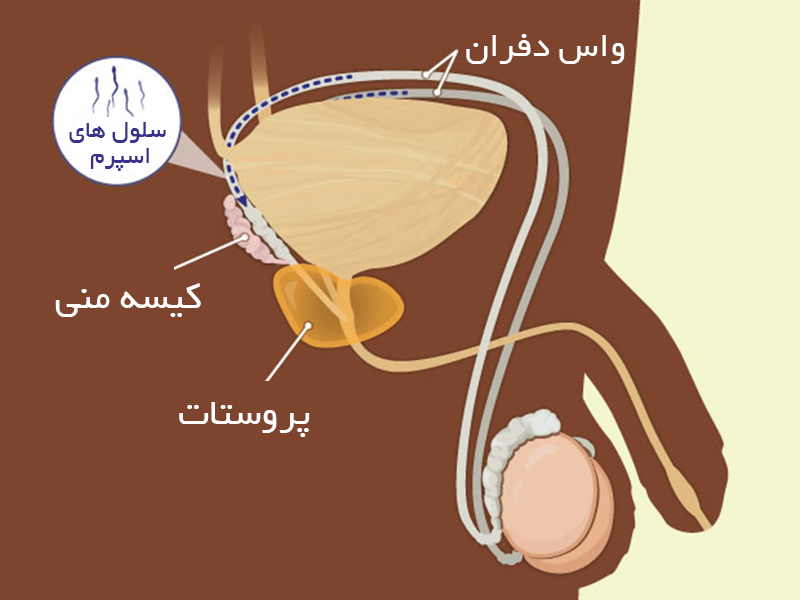
The place of sperm production
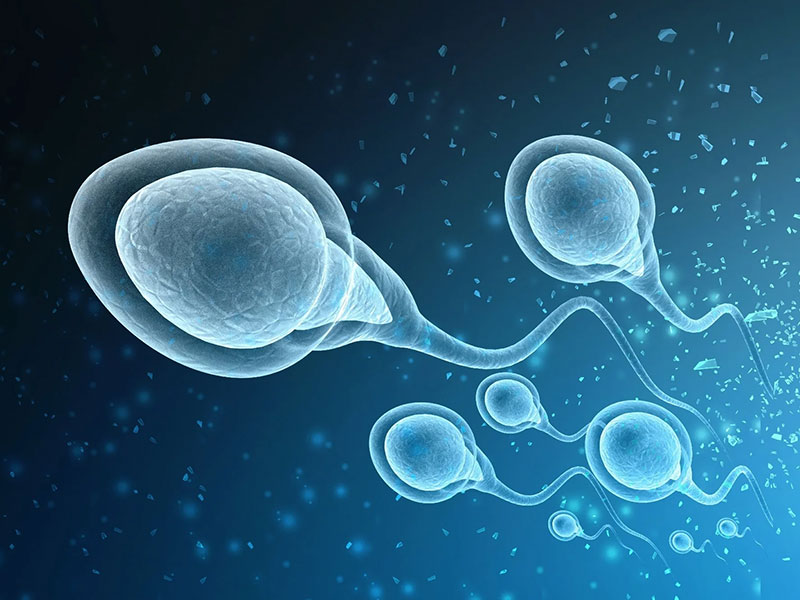
After puberty, a man produces millions of sperm cells each day, each about 0.002 inches (0.05 mm) long. Sperm is produced in the testicles and more precisely in microscopic structures called seminiferous tubules. Inside these tubes, reproductive cells gradually divide and mature through a process called spermatogenesis to become full sperms, then they are transferred to the epididymis to complete maturation and gain the ability to move.
Steps of sperm production
Step 1. There is a system of small tubes in the testes. These tubes, called seminiferous tubules, house reproductive stem cells (Spermatogonia) in their wall, which secrete hormones - including gland Prostateis produced – mixed to form semen. As a result of stimulation, semen containing 500 million sperms is pushed out of the penis through the urethra (ejaculation).
Duration of sperm production
Sperm production is a time-consuming and continuous process that takes an average of 64 to 72 days from the beginning of the division of reproductive cells to the production of mature sperm. After this period, the sperms enter the epididymis and spend another two weeks for final maturation and the ability to move and fertilize. In total, from the beginning of the formation to the complete preparation for fertilization, this process takes approximately 2 to 2.5 months.
Reading the following article is also recommended: Frequently Asked Questions (FAQ)
Sperm is produced in the testicles and more precisely in the seminiferous tubules. This process is called "spermatogenesis" and includes cell division and gradual maturation of reproductive cells until the formation of mature sperm. Sperm production takes about 64 to 72 days from initiation to readiness for fertilization, and then another two weeks for final maturation in the epididymis. LH, FSH and testosterone are the three main hormones that work together to control the different stages of sperm production. After forming in the seminiferous tubules, the sperm enters the epididymis to gain the ability to move and fertilize. Yes, after puberty, the testicles produce sperm continuously, although the rate and quality of production may decrease with age. Taken from the article: How Is Sperm Produced1. Where is sperm produced?
2. What is the name of the sperm production process?
3. How long does it take to produce new sperm?
4. What hormones play a role in sperm production?
5. What stages does sperm go through after production?
6. Does sperm production continue throughout life?