Listen to the summary of this article in this podcast:
You can listen to the rest of this podcast in this section:
Stomach pain is one of the common problems that many people experience at different times and it can disrupt daily activities. This pain is sometimes felt after eating, during hunger, or with symptoms such as bloating, nausea and belching. Its causes are diverse and range from simple digestive disorders to inflammatory or infectious diseases. Differences in pain intensity, duration, and recurrence pattern can provide clues about its origin and help distinguish transient from persistent problems. Therefore, knowing the common factors and accompanying symptoms is important for a better understanding of this symptom. In this article from your doctor, we will get to know about this question of stomach pain and we will check what causes it occurs.
What is stomach ache?
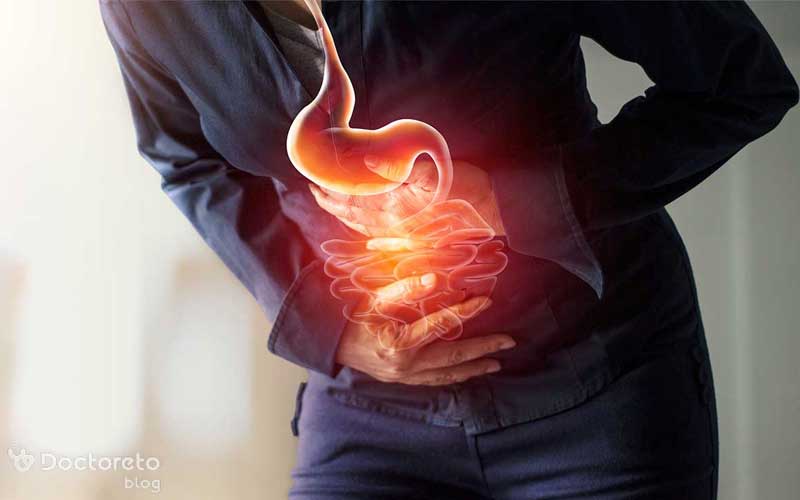
Stomach pain is a feeling of pain, burning, pressure or discomfort in the upper abdomen that can be mild and transient or severe and continuous. This pain is usually related to problems with the digestive system and has various causes, including indigestion that often occurs after overeating or consuming fatty foods, inflammation of the stomach or gastritis that occurs due to infection, pain medication or alcohol, stomach ulcers that cause burning pain, acid reflux that is accompanied by burning and sourness, and gastrointestinal infections that may be accompanied by nausea or diarrhea. The exact diagnosis of stomach pain depends on its severity, duration and accompanying symptoms, and in case the pain persists or worsens, a medical examination is necessary.
English text: Abdominal pain is often caused by a problem in your digestive tract (the gut). But it can also be caused by other organs, such as your kidneys or reproductive organs. Persian translation: Abdominal pain is usually caused by a problem in the digestive system. But it can also be due to problems with other organs, such as the kidneys or reproductive organs.
What are the symptoms of dangerous stomach pain?
Stomach ache is usually caused by mild digestive problems such as indigestion or bloating, but in some cases it can be a sign of a serious illness. Symptoms of dangerous stomach pain are usually accompanied by severe or prolonged pain and the presence of warning signs. The most important dangerous symptoms are:
Severe and persistent abdominal pain: a possible sign of stomach ulcer, inflammation of the pancreas or intestinal obstruction.
The presence of blood in stool or bloody vomit: it can be caused by gastrointestinal bleeding.
Unexplained weight loss: may be related to stomach cancer or chronic digestive diseases.
Severe fever, nausea or vomiting: indicates severe infection or inflammation.
Yellowing of the skin or eyes: It can indicate liver or bile problems. If you see any of these symptoms, it is necessary to see a doctor or emergency room immediately so that the main cause can be accurately diagnosed.
What is the cause of stomach pain?
The cause of stomach pain is usually related to digestive problems, inflammation or irritation of the stomach mucosa, and its severity can vary from mild discomfort to severe pain. This pain may be temporary or chronic and aggravated by eating, stress or empty stomach. The most common causes of stomach pain include the following:
Food poisoning or gastrointestinal infections: usually accompanied by nausea or diarrhea, in case of persistence or severity of pain, medical examination is necessary
Indigestion and sourness: due to increased stomach acid or incomplete digestion of food
Inflammation of the stomach: which can be caused by infection, taking painkillers or stress
Gastric or duodenal ulcer: burning or dull pain in the upper part of the abdomen
Gastroesophageal reflux: accompanied by burning sensation and acid reflux
What is the symptom of upper-stomach pain?
cause of severe and sudden stomach pain
The cause of severe and sudden stomach pain is usually related to acute digestive problems or diseases that require immediate investigation. This type of pain can start suddenly and be so intense that it interferes with daily activities. The most common causes are:
Active or perforated stomach ulcer: which causes very severe and sudden pain
Acute inflammation of the pancreas: severe pain in the upper abdomen that may spread to the back
Food poisoning or severe gastrointestinal infection: accompanied by nausea, vomiting or diarrhea
Intestinal obstruction or twisting: causing severe pain, bloating and inability to defecate
Gallstones or gallbladder attack: Sudden and severe pain in the upper abdomen, if the pain is accompanied by fever, persistent vomiting, bleeding or severe weakness, it is necessary to see a doctor immediately
What is the cause of stomach pain after eating?
The cause of stomach pain after eating is usually related to the stomach's reaction to the type of food, the amount of acid secreted, or the presence of an underlying digestive problem. This pain can appear immediately or some time after eating and varies from mild to severe. The most common causes are:
Indigestion: due to incomplete digestion of food that causes a feeling of heaviness, bloating and pain
Increased stomach acid or reflux: which causes burning and stomach pain after eating
Gastritis: Irritation of the stomach lining, especially after eating spicy, fatty or acidic foods
Gastric or duodenal ulcer: pain usually worsens after eating
Food intolerance: such as lactose intolerance or allergy to certain foods If the pain persists or is severe, a medical examination is necessary for accurate diagnosis
Persistent stomach pain may be caused by conditions such as peptic ulcers, inflammatory bowel disease, or irritable bowel syndrome.
What is the sign of stomach pain that hits the back of the shoulder?
Stomach pain that hits the back of the shoulder can be a sign of various problems and has different causes depending on the location, severity and accompanying symptoms. One of the most common conditions is pain behind the right shoulder blade and stomach, which is often associated with diseases of the gallbladder, such as gallstones or inflammation of the gallbladder, because this pain is usually aggravated after eating fatty foods. Digestive problems such as peptic ulcers, severe reflux, or gastritis can also cause pain radiating to the back. In some cases, pancreatitis, liver problems or even back muscle spasms can cause such pain. If the pain is severe, persistent, accompanied by nausea, vomiting, fever, or yellow skin, it is necessary to see a doctor quickly for a detailed examination.
In this video, Dr. Behrooz Meghdadi specialist in neonates, children and adolescents talks to you about gastric reflux in babies.
How to diagnose the cause of stomach pain?
Diagnosis of the cause of stomach pain depends on the severity, location of the pain, duration of occurrence and associated symptoms, and without careful medical examination, the exact cause cannot be determined. First, the doctor examines the pain pattern and aggravating or relieving factors with history and clinical examination, and additional diagnostic methods are used if needed. The most important methods for diagnosing the cause of stomach pain are:
Blood and stool tests: to check for infection, inflammation, anemia, or gastrointestinal bleeding
Helicobacter pylori test: to diagnose common stomach infection
Endoscopy Stomach: for direct visualization of ulceration, inflammation or bleeding
Abdominal ultrasound or CT scan: examination of biliary, pancreatic or obstruction problems accurate diagnosis plays a key role in choosing effective treatment and preventing complications
English text: The location of your abdominal pain can provide a clue to its cause. If your pain occurs on your lower left side, the most common culprit is diverticulitis of the colon. Farsi translation: The location of your abdominal pain can be a clue to its cause. If your pain occurs in the lower left side, the most common cause is diverticulitis of the colon.
Stomach pain during period is often due to hormonal changes and uterine contractions that affect the digestive system.
mistaking stomach-ache for heartache
Mistaking stomach pain for heart pain is a common issue, because both can appear as pain or burning in the chest or upper abdomen, but the difference between stomach pain and heart pain is very important in terms of pattern and accompanying symptoms. Stomach pain is usually associated with eating, heartburn, bloating, or nausea, and is often relieved by changing body position or taking antacids. In contrast, heart pain is often felt as pressure, heaviness, or burning deep in the chest and may radiate to the arm, neck, jaw, or back, and is accompanied by shortness of breath, cold sweats, nausea, or dizziness. In case of severe chest pain, sudden or accompanied by general symptoms, it should not be attributed to the stomach and it is necessary to go to the emergency room immediately.
cause of stomach pain and water accumulation in the mouth
The cause of stomach pain and water accumulation in the mouth is usually related to the irritation of stomach acid and upper digestive problems and is often seen at the same time. Water retention in the mouth, also known as hypersalivation, is often the body's response to high acid or nausea. The most common causes of this condition include gastroesophageal reflux, gastritis, stomach ulcers, and indigestion, which can be accompanied by heartburn, upper abdominal pain, and a sour feeling. Also, stress, eating fatty or spicy foods and long-term empty stomach can aggravate these symptoms.
In addition to clinical examination, tests such as endoscopy or blood tests can help to accurately diagnose the cause of stomach pain.
Treatment of very severe stomach pain; What is good for stomach ache?
After evaluating the cause of very severe stomach pain, treatment is started according to the underlying factor and its aim is to reduce pain, prevent complications and treat the main disease. These treatments can be simple or emergency and must be done under the supervision of a doctor, because the wrong choice of medicine or delay in treatment may be dangerous. The most important treatment methods are:
Pharmaceutical treatment: including drugs that reduce stomach acid, stomach pain syrup, and types of stomach pain pills, gastric mucosa protectors, antispasmodics or antibiotics that are prescribed depending on the doctor's diagnosis
IV fluids and serum: used to compensate for body dehydration, control vomiting and stabilize the general condition of the patient
Treatment of the underlying disease: such as the treatment of stomach ulcers, gastrointestinal infections, biliary problems or inflammation of the pancreas based on the diagnosed cause
Surgical intervention: in conditions such as appendicitis, stomach perforation or intestinal obstruction that require immediate action
The cause of stomach pain is usually related to digestive problems such as indigestion, gastritis or bacterial infections.
treatment of stomach pain at night
Treatment of stomach pain at night is usually done with a combination of home remedies, lifestyle modification, and medication if needed, and its goal is to reduce stomach acid, calm the digestive system, and prevent symptoms from aggravating during sleep. Paying attention to the type of nutrition, sleeping position and stress management can play an important role in reducing night stomach pain and in many cases control the symptoms without the need for invasive treatments.
Warm drinks: ginger, chamomile or fennel tea to calm the stomach and reduce inflammation
Changing sleeping position: keeping the head elevated while sleeping to prevent acid reflux
Light foods: avoid fatty, spicy and heavy foods, especially before going to bed
Honey: consumption of honey or warm water and honey to reduce gastric mucosa irritation
Reduce stress: deep breathing, meditation or light exercise to reduce the effect of stress on the stomach
Antacids: Over-the-counter medications to reduce stomach acid quickly
Proton pump inhibitors: drugs such as omeprazole to reduce acid production in severe cases
home remedies for stomach ache
Home treatment of stomach ache in mild cases can quickly reduce discomfort and calm the stomach, and many people seek to treat stomach ache at home. These solutions are used for adults and if the symptoms are mild, they can also be used to treat children's stomach ache at home. Quick home remedies include:
Herbal teas: chamomile, ginger, mint, fennel and yarrow help to relieve pain by reducing inflammation and spasm
Bland foods (BRAT diet): bananas, white rice, applesauce and toast help calm the stomach
Warm compress: placing a hot water bottle on the stomach relaxes the muscles and reduces pain
Drinking enough water: helps with better digestion and reducing stomach irritation
Baking soda: in some cases it helps reduce stomach acid and should be used with caution
Basil and chewing gum: help reduce gas and neutralize stomach acid
What food is good for stomachache?
If you have a stomachache, eat these foods, because choosing the right foods can help reduce stomach inflammation, relieve pain, and improve digestion. During stomach pain, it is better to avoid fatty, spicy and heavy foods and go for simple, low-fat and easy-to-digest options. Many people ask what to eat for a stomach ache or look for good foods for a stomach ache, the answer lies mostly in simple and conservative diets that help reduce acid and calm the digestive system.
Bland, starchy foods: white rice, toast, baked potatoes, crackers, and plain oatmeal absorb excess stomach acid
Low-fat proteins: boiled or grilled chicken, fish, boiled eggs, turkey and low-fat yogurt, which provide the necessary energy without irritating the stomach
Fruits: banana due to its mild properties and cooked or pureed apple, which is easier to digest
Cooked vegetables: carrots, pumpkin and steamed vegetables that have mild fiber and do not put pressure on the stomach
Useful additives: honey to reduce inflammation, cinnamon in warm water to aid digestion and aloe vera gel to soothe the stomach wall
What should we eat for stomachache in the morning without fasting?
It is very important to choose light and fast-digesting food for stomach ache in the morning, because the stomach is more sensitive at this time. The best breakfast for a stomach ache should help reduce stomach acid and prevent mucus irritation. Eating bland foods can reduce morning pain and burning sensation. Good options include wholemeal toast or bread, bananas, plain rice or low-fat porridge, which help absorb excess acid. Plain oats, baked apples, and low-fat yogurt are also good for soothing the stomach. It is better to avoid coffee, strong tea, fatty and spicy foods in the morning of fasting so that the stomach has a chance to calm down.
suitable dinner for stomachache
Suitable dinner for stomachache should be light, low-fat and quick-digesting to prevent stomach irritation at night and not reduce the quality of sleep. Eating heavy or fatty meals at night can aggravate stomach pain, burning and reflux. The best options for dinner include simple, low-fat soup, white rice with boiled or steamed chicken, boiled potatoes, and cooked vegetables such as carrots or squash. Low-fat yogurt without additives also helps to calm the stomach in some people. It is better to eat dinner at least two to three hours before going to bed and avoid spicy, fried, sauced and caffeinated drinks so that the stomach has a chance to recover and relax.
tea for stomach-ache
Tea for stomachache is one of the natural and effective ways to reduce inflammation, spasm and mild digestive discomfort and in many cases it can help calm the stomach. Choosing the right tea is important depending on the cause of the stomach ache and should usually be consumed lukewarm and without artificial sweeteners. Useful teas for stomach ache include the following:
Chamomile tea: with its anti-inflammatory and soothing properties, it helps reduce stomach pain and spasms
Ginger tea: effective in reducing nausea, bloating and improving digestion
Mint tea: suitable for reducing stomach gas and pain caused by indigestion
fennel tea: helps to relieve bloating and the feeling of heaviness in the stomach
Yarrow tea: useful for reducing inflammation and digestive pain
Stomach pain is one of the common digestive problems that almost everyone has experienced in their lifetime.
Useful fruits for stomachache
Fruits useful for stomach ache are usually easy to digest, are not acidic and help reduce inflammation and stomach irritation. Choosing the right fruit can reduce pain, burning and feeling of heaviness in the stomach, especially when the stomach is sensitive or inflamed. The best fruits for stomach ache are:
Banana: has a soft texture and acid absorption properties and is one of the best options to calm the stomach
Cooked apple or apple puree: helps reduce inflammation and improve digestion
Pear: it is mild and easy to digest and usually does not irritate the stomach
Melon: It is hydrating and light and suitable for sensitive stomachs
Berries in small amounts: they contain antioxidants and can be useful if the person tolerates them. When you have a stomach ache, it is better to avoid very sour, unripe or high-fiber fruits such as oranges, grapefruits, and pineapples.
Rapid treatment of stomachache with honey
Quick treatment of stomachache with honey in mild cases can help reduce inflammation and calm the stomach, because honey has anti-inflammatory and antibacterial properties and protects the stomach mucosa. Consuming natural honey is especially useful in stomachaches caused by sourness, indigestion or stomach acid irritation and can reduce the feeling of burning and pain. Effective methods of using honey for stomachache include the following:
Honey with lukewarm water: a spoonful of honey in a glass of lukewarm water helps reduce stomach acid
Honey and ginger: the combination of honey with a small amount of grated ginger is useful for reducing pain and nausea
Honey on an empty stomach: consuming a small amount of honey on an empty stomach in the morning can help protect the stomach. In case of severe or persistent stomachache, using honey alone is not enough and a medical examination is recommended.
Home treatment of stomach pain during pregnancy
The home treatment of stomach ache during pregnancy should be safe, gentle and without risk for the mother and the fetus, because hormonal changes and the pressure of the uterus on the stomach are common causes of this problem. In mild cases, simple solutions can help reduce pain. The most important home methods include the following:
Eat small and frequent meals: avoid overfilling the stomach and reduce heartburn
Choose bland foods: such as white rice, toast, bananas, baked apples, and simple soups
Drinking lukewarm liquids: water or mild teas such as chamomile with doctor's advice
Avoidance of fatty, spicy and fried foods: which aggravate stomach pain and reflux
Keeping the head up while sleeping: to reduce the reflux of stomach acid If the stomach pain is severe or persistent, or accompanied by symptoms such as severe vomiting, bleeding or abnormal abdominal pain, it is necessary to see a doctor
treatment of severe stomach pain at home
Treatment of severe stomach pain at home is appropriate only if the pain is caused by mild digestive problems and there are no warning signs. Quick home remedies can help reduce inflammation and soothe the stomach. The most important measures include the following:
Liquid consumption: drinking lukewarm water helps dilute stomach acid and reduce irritation
Heat pad: placing a hot water bottle on the stomach relaxes the muscles and relieves pain
Herbal teas: mint, ginger, chamomile, licorice or lemongrass are useful for reducing bloating, spasms and inflammation
Honey and baking soda: honey has anti-inflammatory properties and baking soda can neutralize stomach acid with caution
BRAT diet and food abstinence: bananas, rice, applesauce and toast along with avoiding fatty, spicy and fried foods, in case of persistence or intensification of pain, home treatment is not enough and it is necessary to see a doctor
Home treatment of stomach ache at night
Home remedies for stomach pain at night are effective when the pain is mild and related to factors such as reflux, overeating, or stomach acid irritation. Acid reflux is more likely at night due to lying down, and following a few simple tips can help reduce the pain. Effective home remedies include the following:
Avoid eating before going to bed: eat a light dinner at least two to three hours before going to bed
Elevating the head while sleeping: using a higher pillow to reduce gastric reflux
Drinking lukewarm liquids: water or mild teas such as chamomile or mint to calm the stomach
Avoidance of stimulating foods: avoiding fatty, spicy, fried foods and caffeinated drinks at night
Warm compress on the abdomen: help to reduce spasm and pain In case of recurrence or severity of stomach pain at night, medical examination is necessary
Mint tea is effective for treating stomach pain and improving digestion due to its antispasmodic and sedative properties.
treatment of stomach pain and nausea
Treatment for stomach pain and nausea depends on the cause, but in many mild cases, symptoms can be reduced with simple measures. These symptoms are usually caused by indigestion, reflux, mild gastrointestinal infections, stress, or prolonged empty stomach and will improve with proper care. Effective methods to simultaneously reduce stomach pain and nausea include the following:
Drinking lukewarm liquids: water or small sips of ginger or chamomile tea will help reduce nausea
Consumption of light foods: white rice, toast, bananas and baked apples put less pressure on the stomach
Avoid fatty and spicy foods: these substances can aggravate nausea and pain
Rest and avoid lying down immediately after eating: to avoid aggravation of symptoms
Warm compress on the abdomen: reducing spasm and feeling of stomach discomfort. If the symptoms persist, frequent vomiting, fever or pain intensifies, it is necessary to see a doctor
In traditional medicine, herbs such as ginger and aloe vera are known as herbal remedies to relieve stomach pain.
Ways to prevent stomach pain
To prevent stomach pain, following a healthy diet, avoiding spicy, fatty and acidic foods and eating small and frequent meals can be useful. By observing these things, you can avoid stomachache to a large extent:
Use foods that are easily digested.
Avoid solid food in the first few hours.
Avoid eating large meals and replace the consumption of small meals.
In case of vomiting, wait for about 6 hours and then eat a small amount of soft and light food.
When you have a stomach ache, avoid consuming dairy products.
Avoid drinking fruit juices that contain citric acid, for example grapefruit, orange and pineapple.
Have a diet rich in fiber.
Which doctor should we see for stomach ache?
For more information about stomachache, you can make an appointment with the best gastroenterology doctors in Iran. In the following, you can see a list of the most prominent gastroenterology doctors in some different cities of Iran:
Stomach pain is a multi-caused symptom that can be caused by simple factors such as indigestion or reaction to certain foods or associated with problems such as gastritis, reflux and digestive infections. In many cases, this pain is transient and occurs with short-term changes in digestive status, but its persistence or intensity can mean something different. Paying attention to accompanying symptoms, such as frequent vomiting, weight loss, dark stools, or severe pain, will help to better understand the situation and indicate when an underlying problem is more likely.
Your doctor takes care of your health!
Frequently Asked Questions
Stomach pain and nausea are usually a sign of problems in the digestive system and can indicate mild disorders to more serious diseases. These symptoms are often caused by increased stomach acid, indigestion, gastroesophageal reflux, viral or bacterial gastrointestinal infections, and food poisoning. Also, stress and anxiety can cause stomach pain and nausea by affecting the functioning of the stomach and intestines. In some cases, the use of drugs, food allergies or long-term empty stomach also play a role in the occurrence of these symptoms. If stomach pain and nausea repeat frequently, become severe, or are accompanied by symptoms such as fever, severe vomiting, weight loss, or the presence of blood in vomit, it can be a sign of diseases such as stomach ulcers, gastritis, or more serious infections and requires medical attention.
Stomach pain during period is mostly due to hormonal changes and uterine contractions gives During menstruation, the body secretes more prostaglandin; These substances cause the uterus to contract to expel its inner lining, but they can also affect the muscles of the digestive system and cause stomach pain, nausea, diarrhea or bloating. Also, the reduction of estrogen and progesterone hormones can increase the sensitivity of the stomach. In some people, premenstrual syndrome or endometriosis is also the cause of aggravating abdominal and stomach pains. Stress, lack of sleep and improper nutrition during this period can make the symptoms more severe. If the stomach pain during the period is very severe, prolonged or debilitating, a medical examination is necessary to rule out underlying diseases.
Stomach pain after eating watermelon is usually caused by the specific characteristics of this fruit and the condition of the digestive system. Watermelon has a lot of water and natural fructose sugar, which is not digested well in some people and can cause bloating, heartache and stomach upset. Watermelon is also one of the fruits with high FODMAP and it causes abdominal pain in people who have irritable bowel syndrome. Eating watermelon on an empty stomach or consuming a large amount of it in one meal can also stimulate the secretion of stomach acid and cause pain. Additionally, combining watermelon with certain foods may make digestion more difficult. If this problem is repeated continuously, it is recommended to check for digestive sensitivities
To treat severe stomach pain, the cause must first be diagnosed. In these cases, it is usually necessary to take anti-acid drugs, painkillers or muscle relaxants. If necessary, advanced medical treatments such as endoscopy or surgery may also be performed.
The best coffee for stomach ache is coffee that has less acidity and minimizes stomach irritation. In general, dark roast coffees are less acidic than light roast coffees and are more suitable for people with sensitive stomachs. Due to the cold brewing method, cold brew coffee has lower acidity and is less likely to cause stomach irritation or reflux. Using decaffeinated coffee can be a better option, as caffeine increases the secretion of stomach acid. Also, drinking coffee with food and avoiding its consumption on an empty stomach plays an important role in reducing stomach pain.
Stomach pain after a meal is usually caused by irritation or dysfunction of the digestive system, and its severity depends on the type It depends on the food and the state of the stomach. Overeating, eating fatty, spicy or heavy foods can increase the secretion of stomach acid and cause pain. Indigestion, gastritis, acid reflux, stomach ulcer and Helicobacter pylori infection are common causes of stomach pain after eating. In some people, food intolerance such as lactose or gluten also causes pain, bloating and stomach discomfort after eating. If this pain repeats frequently or is accompanied by symptoms such as weight loss, vomiting or bleeding, a medical examination is necessary.
The treatment of stomach pain after eating eggs depends on the cause, but in most cases It is related to digestive sensitivity, food intolerance or cooking method. If eggs cause bloating, heartburn or heartburn, it is better to eat them fully cooked and without too much oil, because half-cooked or fried eggs are more difficult to digest. Avoiding eating eggs on an empty stomach, eating them with bread or vegetables and reducing the amount of consumption can also reduce the symptoms. In people who are allergic or intolerant to eggs, eliminating it from the diet is the best way. If the stomach pain after eating eggs is severe, frequent, or accompanied by symptoms such as diarrhea, nausea, or itching, a medical examination is recommended to rule out food allergies or digestive problems.
Banana is usually useful for stomach ache and is known as one of the mild and easy-to-digest fruits. Bananas have a soft texture and can help reduce irritation of the stomach lining, especially in people with gastritis, mild reflux or indigestion. This fruit contains potassium and helps to regulate stomach acid balance and in some cases reduces stomach burning and pain. Also, bananas can create a protective layer on the stomach wall and reduce the feeling of nausea. However, in some people with a very sensitive stomach or with severe bloating, consuming large amounts of bananas may cause a feeling of heaviness, so it is better to consume them in moderation.
Stomach pain can be caused by various reasons and its severity and type depends on the underlying cause. The most common causes include indigestion, overeating, consumption of fatty, spicy or acidic foods and stress, which irritate the stomach lining. Problems such as gastritis, stomach ulcer, acid reflux, Helicobacter pylori infection and food poisoning are also important causes of stomach pain. In some cases, stomach pain can have a non-gastrointestinal origin and be related to diseases such as problems with the gallbladder, pancreas, liver, or even muscle and nerve pain. If the stomach pain is severe, persistent, or accompanied by symptoms such as frequent vomiting, bleeding, weight loss, or fever, a medical examination is necessary.
Chest pain caused by stomach is usually caused by digestive problems and the most common cause The return of stomach acid to the esophagus is gastric reflux. In this case, stomach acid irritates the esophagus and causes burning, pressure or pain in the center of the chest, which is sometimes confused with heart pain. Gastritis, stomach ulcer, hiatal hernia and gas accumulation in the stomach can also cause pain or heaviness in the chest. This type of pain often worsens after eating, lying down, or at night, and may be accompanied by symptoms such as heartburn, belching, or a sour taste in the mouth. In case of persistence or intensity of pain, medical examination is very important to rule out cardiac causes.
Stomach ache is usually not dangerous and mostly due to simple issues like gas, reflux or indigestion. will be But severe pain, prolonged or accompanied by other symptoms such as fever or bleeding can indicate more serious diseases such as stomach ulcer or appendicitis and requires medical advice.
Yogurt can be good for an upset stomach, especially if it's plain, low-fat, and without be additive. Yogurt contains probiotics that help balance the beneficial bacteria in the digestive tract and can reduce symptoms such as bloating, indigestion, and mild stomach inflammation. Consuming low-fat yogurt or plain Greek yogurt usually calms the stomach in people who have stomach pain caused by mild digestive disorders. However, if you have lactose intolerance, an active stomach ulcer, or worsening pain after consuming dairy products, yogurt can make symptoms worse. In this situation, it is better to avoid its consumption or use lactose-free yogurt