

بیماریهای التهابی روده یا IBD (Inflammatory Bowel Disease) گروهی از اختلالات مزمن دستگاه گوارش هستند که زندگی میلیونها نفر در سراسر جهان را تحت تأثیر قرار دادهاند. These diseases are usually associated with symptoms such as chronic diarrhea, abdominal pain, weight loss, fatigue, and sometimes gastrointestinal bleeding. Because the symptoms of IBD can overlap with many other gastrointestinal diseases, accurate and early diagnosis with advanced endoscopy is vital.
In recent years, significant advances in the field of endoscopy have made it possible for doctors to observe changes in the intestinal mucosa with high accuracy and identify the disease even before severe damage occurs. In this article, we comprehensively examine what advanced endoscopy is, how it differs from regular endoscopy, and how it helps in the accurate diagnosis of IBD.
What is IBD and why is accurate diagnosis important?
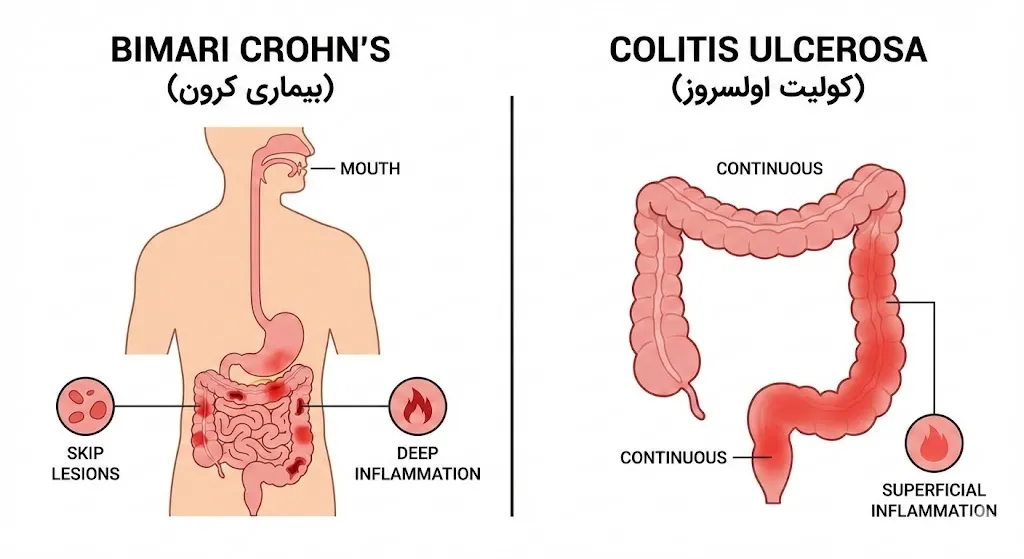
IBD includes two main diseases:
Both diseases are inflammatory in nature, but the pattern of involvement, severity of damage and their treatment methods are different. Wrong or late diagnosis can lead to the development of inflammation, occurrence of serious complications such as intestinal stricture, fistula, anemia and even increase the risk of colon cancer.
For this reason, accurate diagnosis of IBD based on clinical symptoms alone is not sufficient and requires imaging tools, especially advanced endoscopy.
What is endoscopy?
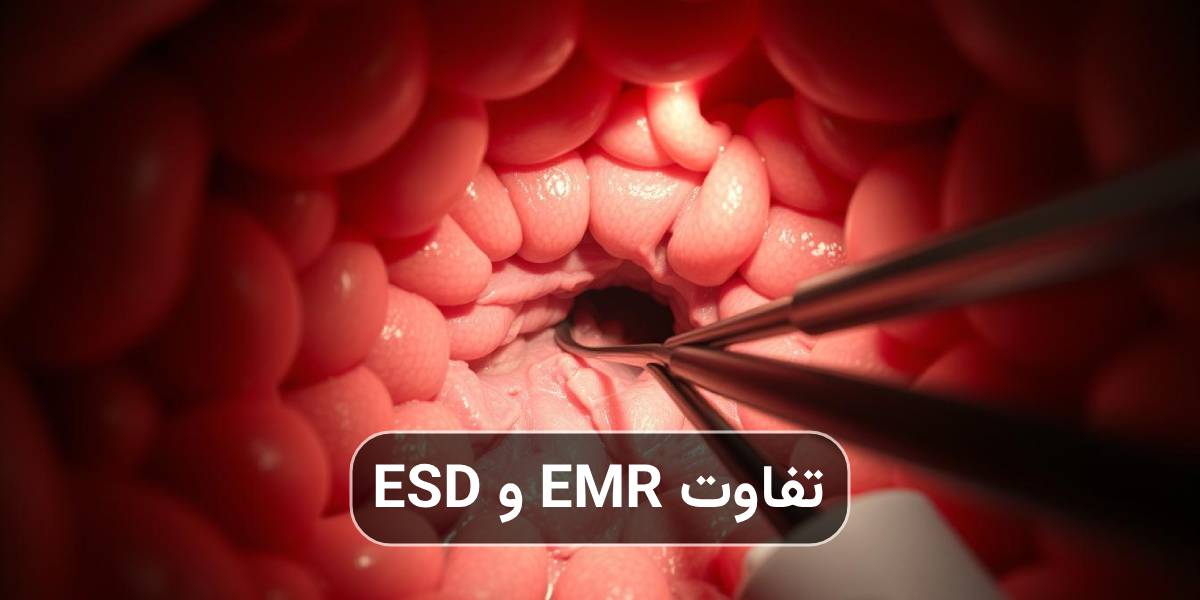
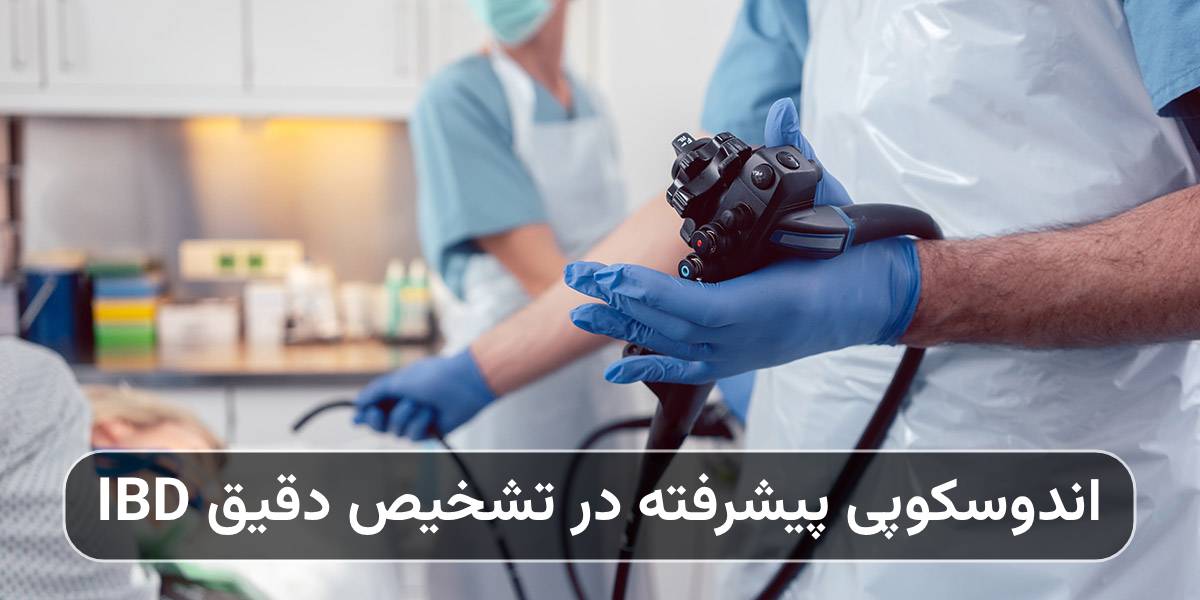
Endoscopy is a diagnostic procedure in which a narrow and flexible tube equipped with a camera is inserted into the digestive tract through the mouth or anus. This tool allows the doctor to see the mucosa of the esophagus, stomach, small intestine and large intestine directly.
In IBD, colonoscopy is usually used, and in certain cases, upper endoscopy or capsule endoscopy is used to check the condition of the digestive system.
Difference between normal endoscopy and advanced endoscopy
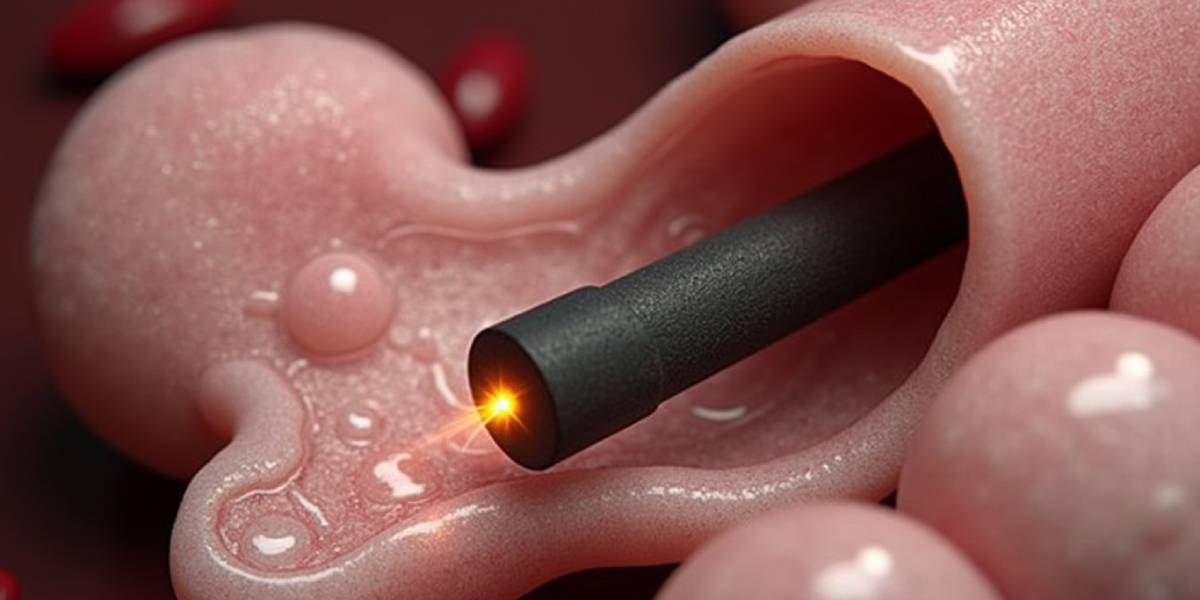
Traditional endoscopy allows for a general view of the mucosa, but new technologies provide much more capabilities to the doctor. Among the most important features of advanced endoscopy are the following:
- High image definition (HD Endoscopy): Very high quality images allow the detection of subtle lesions and mild inflammations.
- Chromoendoscopy: In this advanced endoscopy method, special dyes are sprayed on the mucosa so that abnormal areas can be seen more clearly. This technique is especially used to identify precancerous lesions in IBD patients.
- Endoscopy with magnification: with multiple magnification, the microscopic structures of the mucous surface can be examined.
- Narrow band imaging (NBI): This technology highlights the pattern of vessels and inflammation by using specific wavelengths of light and helps distinguish healthy from diseased tissue.
- Artificial intelligence-based endoscopy: In some advanced centers, artificial intelligence algorithms help the doctor to identify suspicious lesions faster and more accurately.
The role of advanced endoscopy in the diagnosis of IBD
Advanced endoscopy helps diagnose IBD in several key steps:
- Direct observation of the inflammation pattern: In ulcerative colitis, inflammation is usually continuous and limited to the large intestine, while in Crohn's, inflammation can be spotted in any part of the digestive tract. This pattern difference is one of the most important criteria for distinguishing these two diseases.
- Targeted sampling (precise biopsy): With the help of advanced imaging, the doctor can sample the most precise points. Microscopic examination of these samples reveals the presence of chronic inflammation, destruction of glands and cellular changes.
- Evaluation of the severity of the disease: Advanced endoscopy allows grading the severity of inflammation; Information that plays a decisive role in choosing the type of treatment.
- Monitoring the response to treatment: After starting treatment, repeat endoscopy can show whether the intestinal mucosa has recovered or if there is still active inflammation.
Advantages of advanced endoscopy over other imaging methods

While CT Scan and MRI provide useful information, Advanced Endoscopy has several important advantages over these imaging modalities:
- Direct observation of mucus
- Possibility of simultaneous biopsy
- Detection of very small wastes
- accurate evaluation of disease activity
For this reason, endoscopy is still considered the gold standard for diagnosing IBD.
Is endoscopy dangerous?
Advanced endoscopy is considered a safe method for examining the digestive system and diagnosing diseases related to this important body organ. Serious complications in this procedure are very rare and usually include the following:
- Temporary bloating
- slight abdominal pain
- Slight bleeding after biopsy
These side effects are rare, mild and temporary, and in most cases they disappear with time.
The role of endoscopy in differentiating Crohn's disease and ulcerative colitis
The correct diagnosis of IBD type is very important, because the treatment path is different in each of the diseases. advanced endoscopy helps the doctor distinguish between Crohn's disease and ulcerative colitis by accurately displaying the pattern of inflammation, ulcers and mucosal changes; A distinction that is not possible without direct observation of the intestine in many cases.
Advanced endoscopy is the main pillar of accurate diagnosis of inflammatory bowel diseases. This method not only allows direct observation of the mucus and targeted sampling, but also determines the severity of the disease, the response to treatment, and the risk of future complications.
In today's medical world, the diagnosis of IBD would be virtually incomplete without the use of advanced endoscopy. If you have suspicious gastrointestinal symptoms, an early visit to Dr. Alireza Sima, a gastroenterologist and liver specialist, and performing the necessary examinations can make the treatment path shorter and more effective.