What is the reason for doing a cardiac scan?
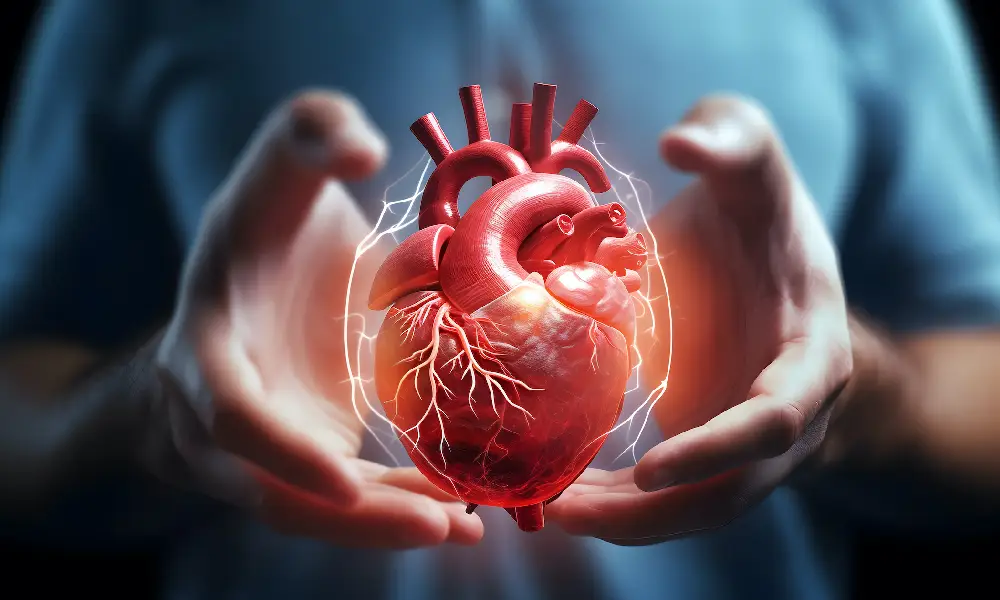
Since heart diseases are one of the most important causes of death in the world, their timely diagnosis and treatment are very important. An electrocardiogram is a painless and non-invasive test that records the electrical activity of the heart. The result of this test, if it is accompanied by the preparation before the electrocardiogram, helps the doctor in checking the rhythm and strength of the heart beat, the size and shape of the heart cavities, the presence of blockage in the coronary arteries, damage to the heart muscle, or the presence of any disorder or heart disease. Before performing some surgeries, an electrocardiogram is also performed to check the health of the heart.
Be aware of the importance of taking an ECG!
It is very important to perform the tape by following the precautions before doing the ECG because the result and its interpretation lead to receiving very useful information about the heart. Including:
Diagnosis of heart diseases
Many heart diseases do not have specific symptoms in the early stages. If you are prepared before performing an echocardiogram, this method can identify these diseases before serious complications occur. A test that is performed together with care before performing an echocardiogram can detect diseases such as:
- Arrhythmia (irregular heartbeat)
- myocardial infarction (heart attack)
- heart enlargement
- It helps the electrical conduction disorders of the heart and damage to the heart muscle.
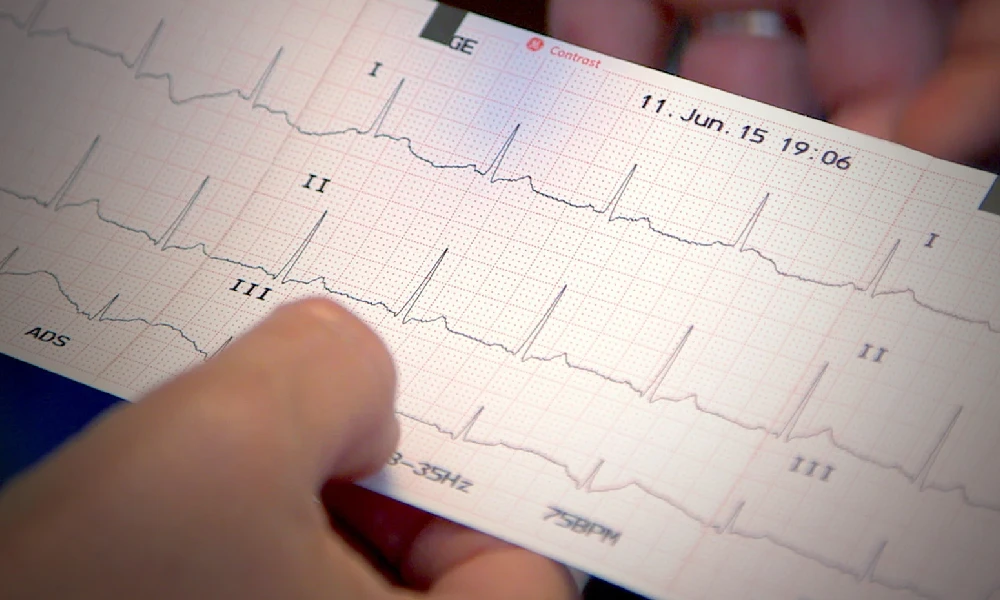
Evaluation of heart function and monitoring of disease progression
An EKG can show the heart's response to exercise, stress, or medications. Also For people who have a history of heart disease, an EKG can help doctors monitor the progress of the disease and change treatment if necessary. give.
Discover the cause of pain symptoms
If you are experiencing symptoms such as chest pain, palpitations, dizziness, or shortness of breath, performing this non-invasive procedure along with pre-EKG precautions can help diagnose the cause of these symptoms.
As part of periodic examinations
If you are in the high-risk group of heart diseases (such as people with high blood pressure, diabetes or obesity), it is necessary for you to have an ECG regularly if you are prepared before doing an ECG for periodical examinations. If you suffer from the mentioned cases, you can make sure of your health by visiting a specialist doctor and doing a heart strip.
Evaluation of the advantages of performing an electrocardiogram
Heart strip is a method of diagnosing heart diseases, which is one of the most common methods for many reasons. You can benefit from the accurate result of this test by observing the precautions before doing the ECG. A method that has many advantages over other diagnostic methods. Benefits such as:
- Simple and painless: Complete ECG is a simple and painless test.
- Fast: If there is preparation before performing an EKG, the duration of a complete EKG is usually a few minutes.
- Detailed information: If care is taken before an EKG, a complete EKG can provide useful information about heart health.
- Low cost: ECG is less expensive than many other medical tests to check heart health.
How is the heart strip done?
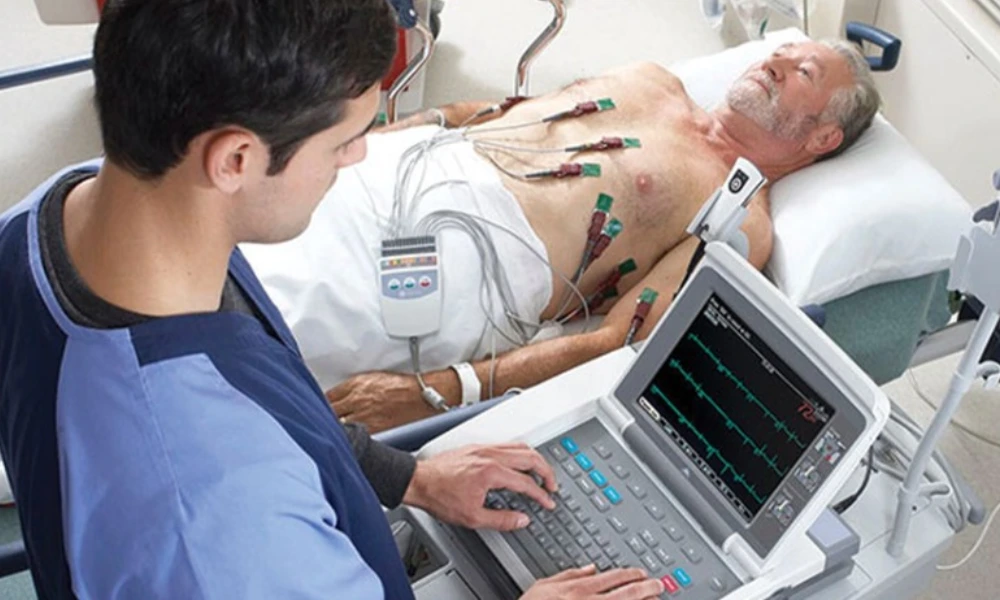
Carrying out an EKG consists of simple steps. After making sure of the preparation before performing the ECG by visiting the medical center where it is performed:
- Preparation of the patient: First, it is necessary to take off the tight clothes and lie on the bed.
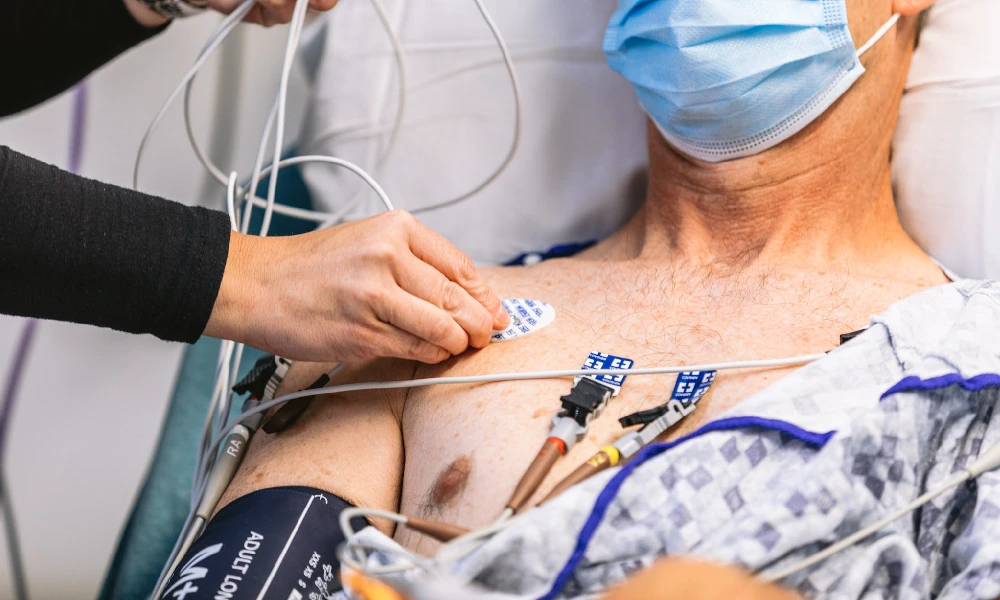
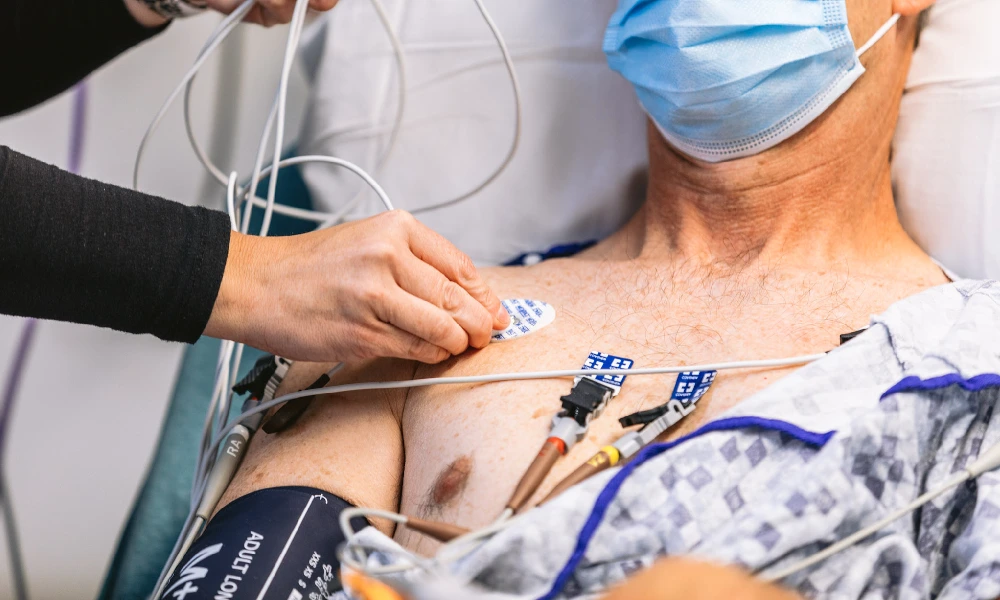
- Attachment of electrodes: The medical technician will attach small electrodes using gel to specific points on your chest, arms, and legs. These electrodes receive the electrical signals generated by the heart and transmit them to the electrocardiogram machine.
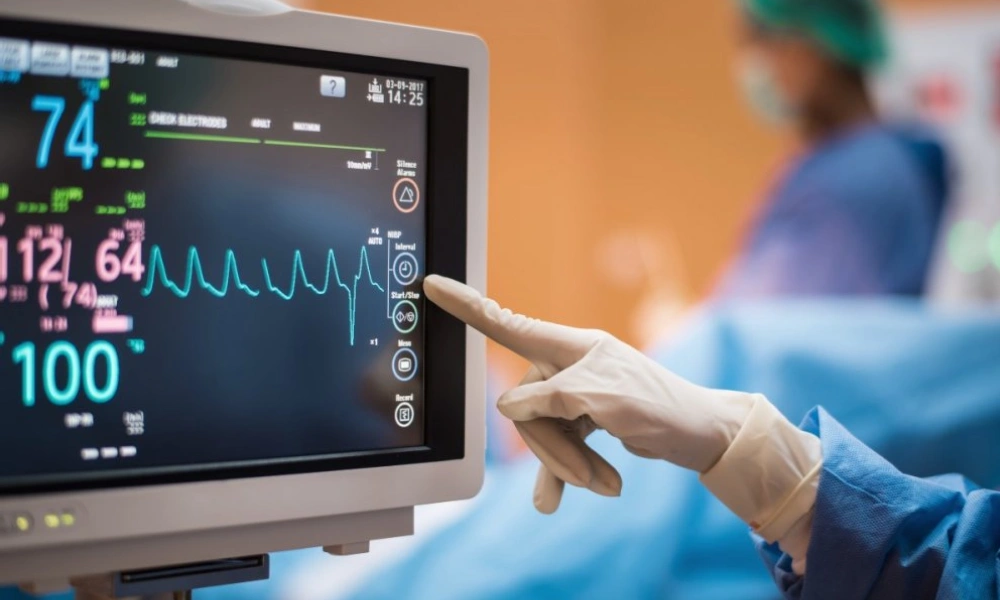
- Signal recording: The EKG device records the received signals as a graph on paper or screen. This diagram shows the electrical activity of the heart.
It is necessary to remember that doing all the mentioned steps only takes a few minutes if you follow the precautions before doing the ECG.
Get to know the care before performing an electrocardiogram!
Observing some precautions before performing an electrocardiogram will help to verify the result of this test. The following items can be mentioned among the preparations before performing an electrocardiogram:
- Clothes: It is recommended to wear loose clothes to make it easier to connect the electrodes to the body and avoid tight clothes with metal buttons and zippers.
- Body hair: Being clean and not having hair in the connection area of the electrodes helps to connect them to the body more easily.
- Medications: Another preparation before doing an electrocardiogram is to consult with the doctor and the electrocardiogram technician about all the medications you are taking.
- Physical activity: Avoid strenuous physical activity before the EKG. Have enough rest.
- Food: Usually, except in special cases recommended by your doctor, there is no need to fast before doing an EKG, but eating a light meal is considered as a pre-EKG precaution.
- Relax: Try to remain calm and not move during the EKG. Moving can affect test results.
What should we eat before the ECG?
Unlike many other tests, fasting is not part of the preparations before an EKG and you can eat and drink normally. But it is better to eat a light meal and avoid heavy and fatty foods before doing the ECG. One of the other precautions to take before performing an echocardiogram is drinking enough water, which helps the body stay hydrated and has a positive effect on the results of the echocardiogram. It is necessary to remember that the consumption of caffeine, alcohol and cigarettes affects the heart rate and affects the results of the ECG.
Do we have to fast to take an ECG?
Since the mechanism of electrocardiogram is to record the electrical activity of the heart and this activity does not change significantly with the amount of food eaten in a particular meal, therefore, the amount of starch does not have much effect on the result, but in order to observe the precautions before performing the electrocardiogram, a light meal and avoiding overeating is significant.
What should not be done before taking an ECG?
It is necessary to avoid doing some things in order to be prepared before doing the ECG. Things like:
- Heavy exercise: Avoid vigorous physical activity or heavy exercise before performing an electrocardiogram to prevent the heart rate from increasing.
- Caffeine and nicotine consumption: It is necessary to avoid the consumption of caffeine (such as coffee, tea and energy drinks) and nicotine (cigarettes), which can affect the heart rate and heart rhythm.
- Alcohol consumption:Alcohol consumption can also affect the heart rate and prevent the preparation before performing an EKG and affect the EKG results.
- Stress: To comply with the precautions before performing an EKG, try to be calm and avoid stress before the test. Stress can affect heart rate.
- Using lotion or cream: Using lotion, cream or powder on the skin where the electrodes are to be attached can prevent the electrodes from being attached properly. Avoid using creams and lotions to prepare before the ECG.
Who should have an EKG?
In general, a specialist doctor may prescribe an echocardiogram for people with the following characteristics:
- People who have symptoms of heart disease: Existence of symptoms such aschest pain, shortness of breath, palpitations, dizziness, Fainting, extreme fatigue, swelling of the feet and ankles may indicate the occurrence of heart diseases. ECG helps to diagnose these diseases.
- People with risk factors for heart disease: High risk factors for heart disease include high blood pressure, high cholesterol, diabetes, obesity, smoking, and a family history of heart disease. If you have any of these symptoms or factors, doing a heart strip and interpreting the result by a specialist doctor can protect you from serious and dangerous complications.
- Before surgery: Before any type of surgery, especially major surgeries, an echocardiogram is done to assess the health of the heart. Having preparation before doing the ECG makes this assessment more accurate.
- As part of routine check-ups: People who are elderly or have risk factors, their doctor may order an ECG regularly.