Table of contents
Rhinoplasty is one of the cosmetic surgery methods that focuses more on the tip of the nose and is suitable for people who want to modify the shape of the tip without the need for extensive changes in the entire structure of the nose. This operation is usually performed to fix the width, sagging, or asymmetry of the tip of the nose, and it is lighter and simpler than the full nose operation. In the rest of this article, we will talk to your doctor about the details of tip plastic surgery, its benefits, possible complications, and aftercare. If you are interested in doing this cosmetic procedure, it is better to consult with a plastic or ear, nose and throat surgeon.
What is rhinoplasty?
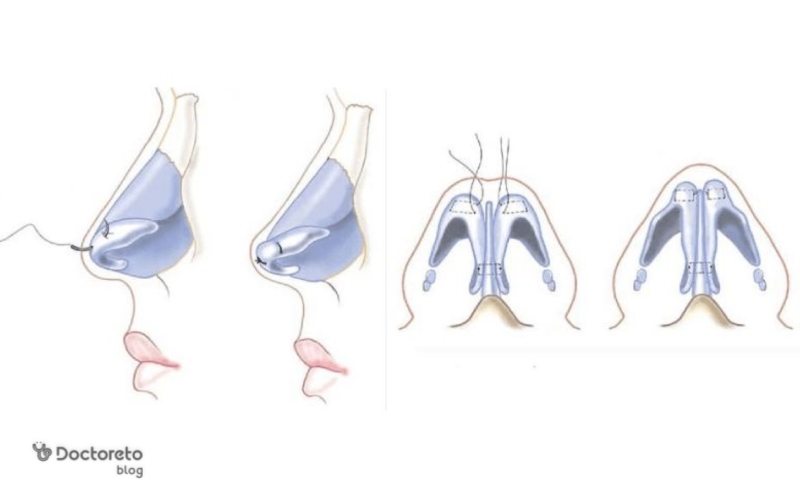
Rhinoplasty is a cosmetic surgery method that is performed specifically on the tip of the nose to modify its shape and appearance and has more subtle changes than complete rhinoplasty. In this nose operation, the bones of the nose remain intact and most of the changes are made on the cartilage of the tip of the nose.Tipplasty is used to solve problems such as the size of the tip of the nose, its wideness, drooping, or its asymmetry, and it is usually considered a less invasive method than complete rhinoplasty. This method is suitable for people who are only dissatisfied with the shape of the tip of their nose and need minor changes.
For a better understanding, the most important advantages and complications of rhinoplasty are summarized in the following table:
| Advantages | Possible side effects |
|---|---|
| Correction of wide or fallen tip | Temporary swelling and bruising |
| Creating more fit in the face | Bleeding |
| Improving the coordination of both sides Nose | Infection |
| Fixing the asymmetry of the tip of the nose | Slight pain and discomfort |
| The tip of the nose becoming thinner and smaller | Feeling of nasal congestion |
Permanence of nose plastic surgery
The results of tipoplasty are usually long-term, but the nose changes over time and there is a possibility of needing to be repaired. Of course, the final result depends on factors such as the surgeon's skill, skin type, body repair conditions, and post-operative care. If proper care is followed, the changes made in the tip of the nose will be stable and there will be no need for re-surgery.
applications of rhinoplasty
Rhinoplasty has many uses and is mostly used to correct the appearance of the tip of the nose. This method can solve problems such as the size or width of the tip of the nose and by making it smaller and more delicate, it can create a better fit in the face. Also, for people who suffer from drooping of the tip of the nose or the tip of their nose is inclined downward, plastic surgery is considered an effective option.
Among the other uses of this procedure, we can mention the correction of the asymmetry of the tip of the nose and the creation of better coordination on both sides of the nose. In general, the plastic type is a suitable choice for those who want to correct only the shape of the tip of their nose without extensive changes in the bones:
- Correcting the appearance of the tip of the nose
- Fixes the size or width of the tip of the nose
- Creating more proportion in the face
- It creates better coordination between the two sides of the nose
- Correcting the asymmetry of the tip of the nose
Who is nose-plasty-type operation suitable for?
Tip plastic surgery is suitable for people who only need to correct the tip of the nose or its small details and who want to make the tip of their nose look more beautiful and proportional without extensive changes in the overall structure of the nose. Also, those who have healthy bones and nose bridge and only need to change the shape or angle of the tip of the nose, are the best candidates for plastic surgery.
English text:
Tip plasty is performed to deliver the desired look to the cartilage section in the front part of the nose without intervening in the nasal bone in patients with no deviation or deformation in nasal bone who have curvature, enlargement, roughness, irregularity in front cartilage section of the nose as well as enlarged nostrils.
Persian translation:
Tip plasty is a method that It is done to correct and create the desired appearance in the cartilaginous part of the front of the nose, without manipulating the nasal bone. This technique is mostly used in patients who do not have deviation or deformation of the nasal bone, but in the front part of the nasal cartilage, they have problems such as crookedness, size, roughness or irregularity, or their nostrils are too big. noopener">vbbgentek
Nose-plasty-type operation is not suitable for whom?
Tipplasty is not suitable for people who have structural problems with a wide nose, such as a large hump on the bridge of the nose or a severe deviation of the septum, because Tipplasty only corrects the tip of the nose. Also, those who have unrealistic expectations of nose changes or have uncontrolled chronic diseases, should not undergo plastic surgery without a full examination.
Advantages of nose plastic surgery
Nose plastic surgery has many advantages that have made it one of the most popular nose surgery procedures. The main purpose of this operation is to improve the shape and fit of the tip of the nose without manipulating other structures of the nose. Among the most important advantages of tip plastic, the following can be mentioned:
- Minimally invasive: this procedure is performed without extensive manipulation of the bones and focuses only on the cartilages of the tip of the nose.
- Shorter recovery period: due to the lightness of the operation, there is less swelling and bruising and the person returns to normal life faster.
- More natural results: The changes on the tip of the nose are subtle and proportionate, creating a more natural appearance.
What are the types of rhinoplasty?
Nose plastic surgery can be classified based on the purpose and amount of corrections. Reinforcement plastic type is suitable for people who have a drooping or weak nose tip and need to strengthen the cartilage to create a natural and firmer appearance.
The corrective or narrowing plastic type is used for those who have a wide or asymmetrical nose tip, and the surgeon makes the nose tip symmetrical and well-shaped by changing the shape of the cartilage and soft tissue. Also, the nose tip lifting plastic type is used for people whose nose tip is too low and need to raise it in order to maintain the balance and beauty of the face. Each of these methods is performed in a personalized manner according to the characteristics of the nose and the patient's wishes:
- Fleshy nose plastic type
- bony rhinoplasty type
| Type of plastic tip | Descriptions |
|---|---|
| Reinforcement | Cartilage strengthening to fix nose tip sagging |
| Corrective or narrowing | Correction of wide or asymmetrical tip, Symmetry |
| Lifting the tip of the nose | Lifting the lower tip to balance the face |
1. Fleshy nose plastic
typeRhinoplasty type is one of the most challenging types of nose tip surgery because the thick skin and soft cartilage in these types of noses make minor changes more difficult to see. In fleshy nose operation, the surgeon tries to make the shape of the nose tip beautiful and proportional by strengthening and restoring the cartilage of the nose tip and sometimes reducing its volume. By following the right techniques, plastic tip can make the tip of the nose smaller, increase symmetry and create a natural appearance.
In other words, in noses with thick and fleshy skin, the result of tipoplasty is person-centered, that is, it depends on the type of person's nose; To improve the operation in the tip of the nose, a graft and strengthening of the structure and careful management of the soft tissue may be needed, and the resolution of the result will be more limited than thin skin.

2. Bony rhinoplasty type
Bone rhinoplasty type is usually more effective and simpler than fleshy noses because the thin skin and solid cartilage clearly show the changes made by the surgeon. In this type of plastic surgery, the surgeon can cut the tip of the nose to the desired shape, improve the symmetry and create a natural appearance that fits the face. Due to the structural features of the bony nose, the results of bone nose surgery are usually more stable and the changes are more tangible, and the recovery period is shorter and more manageable than that of fleshy noses.

Rhinoplasty procedure
Rhinoplasty surgery is usually performed as an open or closed surgery on the tip of the nose, and the main focus is on correcting the shape, angle and symmetry of the tip of the nose. In this method, the surgeon accesses the cartilaginous structure with fine incisions inside or around the tip of the nose, and by modifying the cartilages and adding a cartilage graft, if needed, he brings the tip of the nose to the desired shape. This operation is usually less invasive than complete rhinoplasty and has a faster recovery time.
Preparation for rhinoplasty operation
Preparation for plastic surgery includes a detailed examination of the nose and face to determine the best plan to correct the tip of the nose. The patient must inform the surgeon of his complete medical and drug history and stop smoking and alcohol consumption a few weeks before the operation. Blood tests and medical tests are also usually necessary to assess the readiness for anesthesia and surgery. Observing these tips increases the safety of the operation and accelerates recovery after surgery:
- Detailed examination of the nose and face
- Medical and drug history review
- Stop smoking and alcohol a few weeks before the operation
- Doing blood tests and medical tests
necessary care after rhinoplasty operation
Necessary post-operative care plays a very important role in quick recovery and maintaining the surgical result. Adequate rest and placing the head higher than the body will help reduce swelling and bruising. The patient should avoid pressing or massaging the tip of the nose and avoid heavy activities and contact sports for several weeks. It is also important to use medications prescribed by the surgeon to control pain and prevent infection. Observing nasal hygiene and gentle washing according to the doctor's order also helps to reduce complications and accelerate recovery:
- Adequate rest
- Putting the head higher than the body
- Avoid pressing or massaging the tip of the nose
- Avoid heavy activities and contact sports for several weeks
- Use of drugs prescribed by the surgeon
- Maintain nasal hygiene and gentle washing according to the doctor's order
English text:
Tip plasty surgery needs minor suturing and bandages so patients can go back to work next day if they want to. Sutures are usually self-dissolving, and bandages may be applied for 3-5 days.
Persian translation:
Plastic type surgery requires stitches and partial dressings, so the patient can return to work the next day if he wishes (of course, this period is usually after about a week depending on the type of surgery). Sutures are usually absorbed by themselves and dressings are usually left on the nose for 3 to 5 days.complications of rhinoplasty surgery
Nose plastic surgery, like any other cosmetic surgery, can be associated with some possible complications, although following the tips before and after the surgery can reduce them to a great extent. Common side effects include temporary swelling and bruising, slight pain and discomfort, and nasal congestion.
In some rare cases, asymmetry of the tip of the nose, bleeding, infection or sensitivity to anesthetics may occur. Also, a temporary change in the sense of smell or numbness of the tip of the nose is normal in the first weeks after the operation. Regular follow-up with the surgeon and strict adherence to post-operative care helps to reduce the risk of these complications:
- Temporary swelling and bruising
- Minor pain and discomfort
- Feeling of stuffy nose
Conclusion
Nose plastic surgery can improve the appearance of the tip of the nose and create more harmony with other parts of the face, but its success depends on the selection of an experienced surgeon and compliance with pre- and post-operative care. If you notice severe swelling, bleeding, unusual pain, skin discoloration, or difficulty breathing, be sure to contact your surgeon immediately. Regular follow-up and visiting the doctor according to the recommended schedule will reduce complications and achieve the desired result of the operation.
Your doctor takes care of your health!