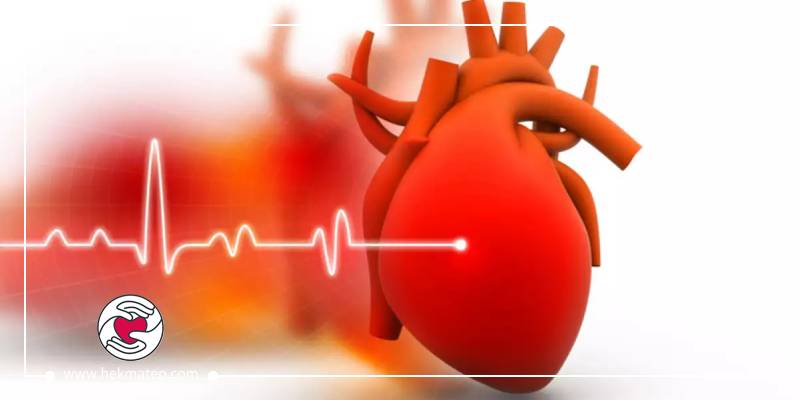


آریتمی یک اصطلاح پزشکی است که برای توصیف ضربان قلب نامنظم به کار می رود. If you have an arrhythmia, you may feel that your heart beats faster or slower than normal.
Of course, there are various conditions that cause cardiac arrhythmias and abnormal heartbeats, and the treatment also depends on the cause.
If you feel that your heart is beating fast, if you feel dizzy or light-headed, or if you have chest pain, you must consult with a Talk to a cardiologist in Isfahan. In some cases, the doctor uses cardiac angiography of the hand or foot to diagnose the cause.
In the following, we will explain more about dangerous cardiac arrhythmias and their importance.
What is meant by dangerous cardiac arrhythmias?
In general, cardiac arrhythmias or cardiac dysrhythmias refer to irregular or abnormal heartbeats. has Cardiac arrhythmias occur when the electrical signals that coordinate the heartbeat don't work properly.
Defective signaling causes the heart to beat too fast (tachycardia), too slow (bradycardia), or irregularly.
Some heart arrhythmias can be harmless. In other words, sometimes it is normal for a person to have a fast or slow heartbeat. For example, the heart rate can increase due to exercise or slow down during sleep.
However, dangerous cardiac arrhythmias have annoying signs and symptoms that sometimes endanger human life.
In addition to these dangerous cardiac arrhythmias, they are often aggravated by dangerous heart problems, so you must visit a cardiologist in Isfahan to diagnose the cause and treat it.
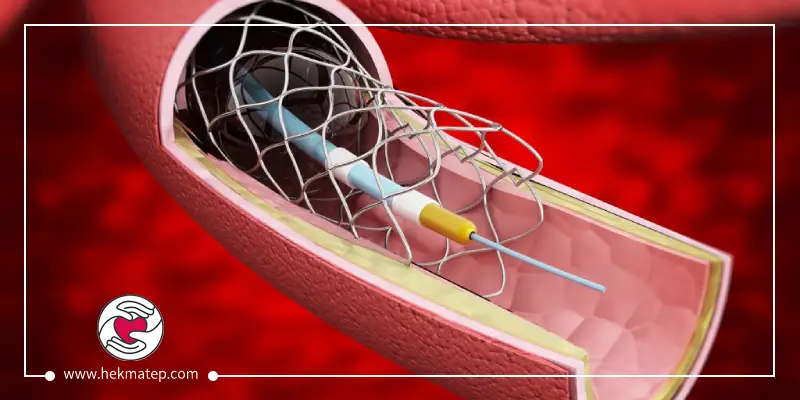
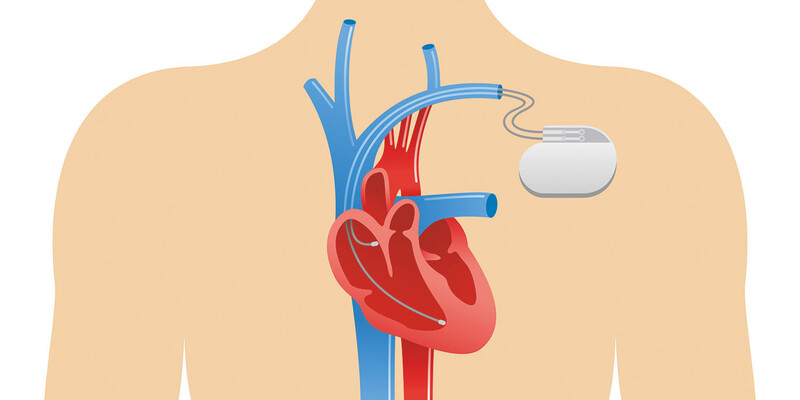
Heart arrhythmia treatment includes drug administration, catheter methods through heart angiography process from hand and leg and device implantation. Surgery is also sometimes needed to control or eliminate fast, slow, or irregular heartbeats.

Generally following a healthy lifestyle can help prevent heart damage and certain heart arrhythmias. Therefore, prevention is always recommended in the first place.
What are the types of cardiac arrhythmia?
Cardiac arrhythmias are divided into two main groups of tachycardia and bradycardia based on the heart rate:
- Tachycardia refers to a fast heartbeat. That is, your heart rate is normally more than 100 beats per minute.
- Bradycardia refers to a slow heart rate. That is, your heart rate is normally less than 60 beats per minute.
Each of the types of cardiac arrhythmias have their own subgroups, some of which can be more dangerous and should be taken seriously. Here we will introduce them:
Rapid heart beat (tachycardia)
Ventricular tachycardia (V-tach), in this type of heart arrhythmia, the fast heartbeat does not allow the ventricles to fill properly with blood.
As a result, the heart cannot pump enough blood to the body. Ventricular tachycardia may not cause serious problems in people with healthy hearts. But in people with heart disease, it is dangerous and must be referred to a cardiologist in Isfahan.
Ventricular fibrillation (V-fib)
Ventricular fibrillation is a type of dangerous cardiac arrhythmia and occurs when fast and chaotic electrical signals cause the lower chambers of the heart (ventricles) vibrate instead of the coordinated contact that pumps blood to the rest of the body.
This is a serious problem if the heart's normal rhythm within Not recovering for a few minutes can even lead to death. Most people with V-fib have an underlying heart condition or have experienced a serious stroke.
Long QT Syndrome
Long QT syndrome is not an arrhythmia, but it can make a person more susceptible to it. This modification refers to a heart rhythm disorder that can potentially lead to a rapid heartbeat. This rapid heartbeat can cause a person to have seizures and can even lead to sudden death.
Atrial fibrillation AFib))
Irregular heart signaling causes a fast and uncoordinated heartbeat. This condition may be temporary, but some episodes of A-fib may not stop unless treated. A-fib is associated with serious complications such as stroke.

Suggested text: What is atrial fibrillation?
Atrial flutter
Atrial flutter is similar to A-fib, but the heartbeat is more regular. Atrial flutter is also associated with stroke.
Paroxysmal Supraventricular Tachycardia (PSVT)
Supraventricular tachycardia or supraventricular tachycardia is an abnormal heart rhythm or arrhythmia that causes periods of regular but fast heartbeats that start and stop suddenly.
Nodal reentrant tachycardia (AVNRT)
This is the most common type of supraventricular tachycardia. People with AVNRT have episodes of rapid, irregular heartbeats (over 100 beats per minute) that often begin and end suddenly.
Things such as caffeine, tobacco, alcohol, vigorous exercise, or emotional stress may increase the frequency of PACs and PVCs, and thus the frequency of AVNRT.
Premature beats Heart
Premature heartbeats occur due to (premature atrial contractions) or (premature ventricular contractions). In premature heartbeat, for example, it feels like the heart has missed a beat or two. Of course, it is usually not alarming and rarely indicates a serious and dangerous disease.
However, premature heartbeats can cause long-term cardiac arrhythmias, especially in people with heart diseases. Sometimes, very frequent premature beats that last for several years can lead to a weakening of the heart.
This type of cardiac arrhythmias may occur at rest or be caused by stress, intense exercise, or stimulants such as caffeine or nicotine.
Types of cardiac arrhythmias may not have any symptoms. A cardiologist in Isfahan during your examination can notice an irregular heartbeat.
Slow heartbeat (bradycardia)
Sometimes, various types of heart diseases or even the use of certain drugs cause the heart to suffer from bradycardia, which is often associated with disease. The following occur:
disorder in the function of the sinus node:
disorder in the function of the sinus node or sick sinus syndrome) can be caused by an ulcer near the sinus node that slows down, disrupts or blocks the movement of impulses. Sick sinus syndrome is more common among older people.
Heart block:
Heart block can cause the signals that stimulate the heart to beat to slow or stop. Some blocks may cause no symptoms and others may cause skipped beats or bradycardia.

What are the symptoms of cardiac arrhythmias?
Dangerous cardiac arrhythmias may be "silent" and cause no specific symptoms. A cardiologist in Isfahan can find the cause of your irregular heartbeat during the examination by taking your pulse, listening to the sound of your heart, or performing diagnostic tests such as cardiac angiography. justify;">Lower blood pressure
When should you see a doctor?
If you feel that your heart is beating too fast or too slow, or is fluttering, definitely visit a cardiologist in Isfahan
If you have experienced shortness of breath, weakness, dizziness, light-headedness, fainting or feeling close to fainting, and chest pain or discomfort, you should immediately seek medical help and call the emergency room.
You should take dangerous heart arrhythmias very seriously. For example, ventricular fibrillation is a type of dangerous cardiac arrhythmia that can cause a severe drop in blood pressure.
This type of arrhythmia can even stop a person's breathing and pulse within a few seconds. So be sure to take the symptoms seriously and see a doctor as soon as possible.
How is arrhythmia diagnosed?
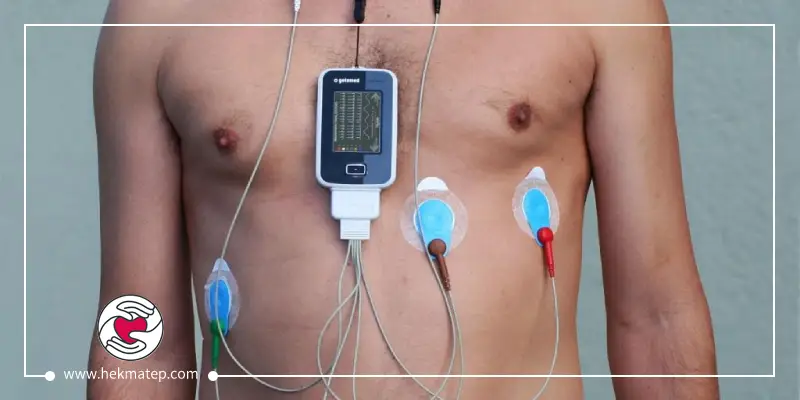
If you have symptoms of arrhythmia, you should make an appointment with a cardiologist as soon as possible. Dr. Mustafa Hekmat, a cardiologist in Isfahan, uses various diagnostic tests to help confirm the presence of arrhythmia and show its causes. برخی از آنها عبارتند از:
- الکتروکاردیوگرام یا نوار قلب
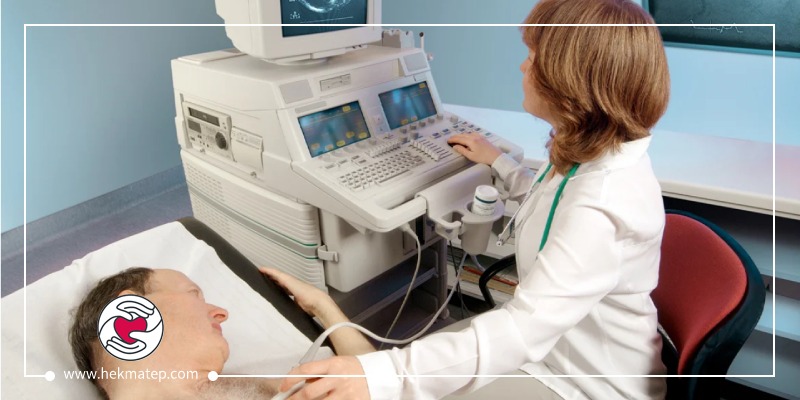
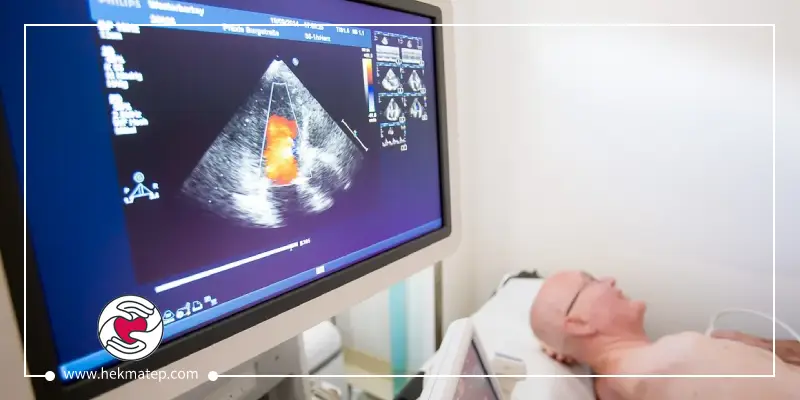
- اکوکاردیوگرام یا اکو قلب
- تست استرس
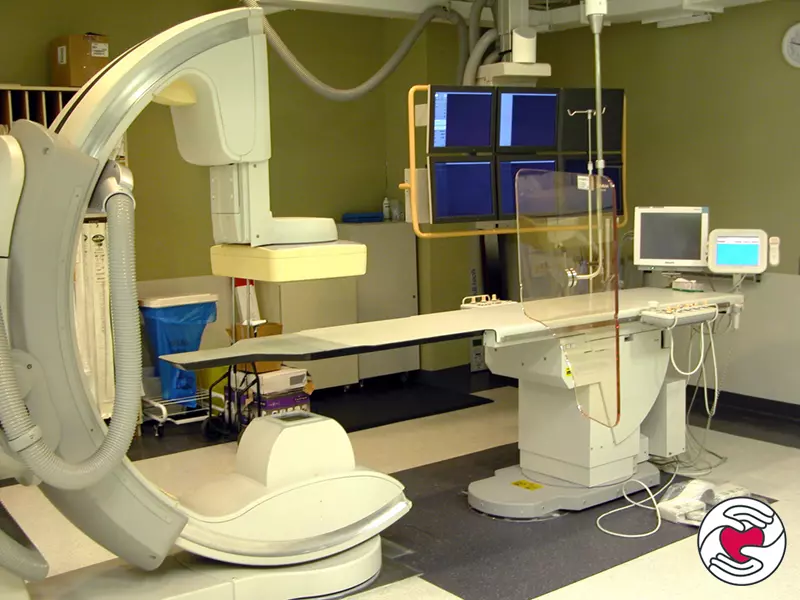
- آنژیوگرافی قلب از دست یا پا