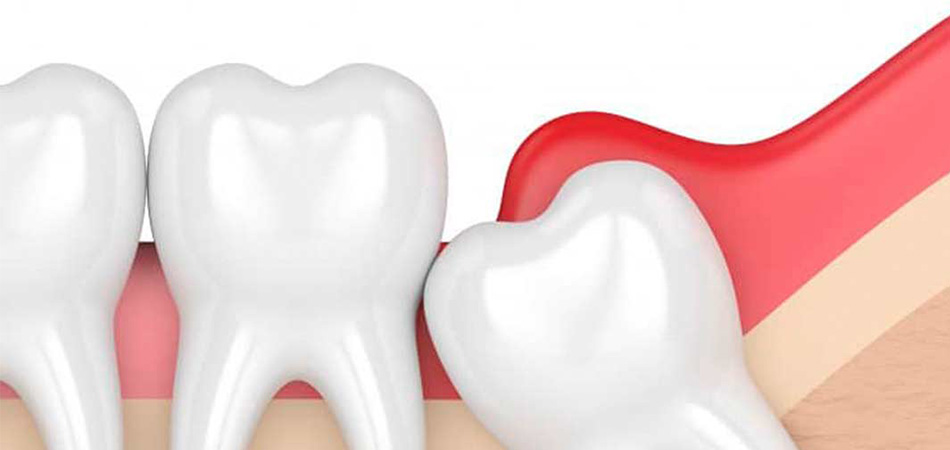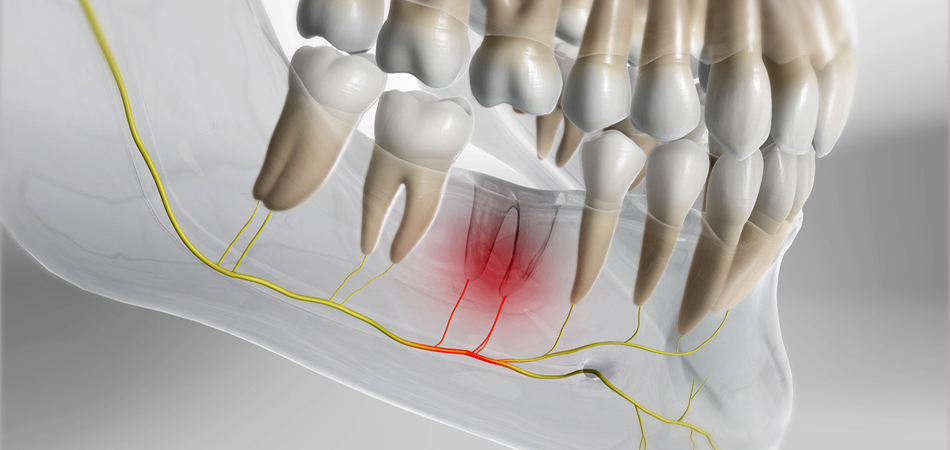

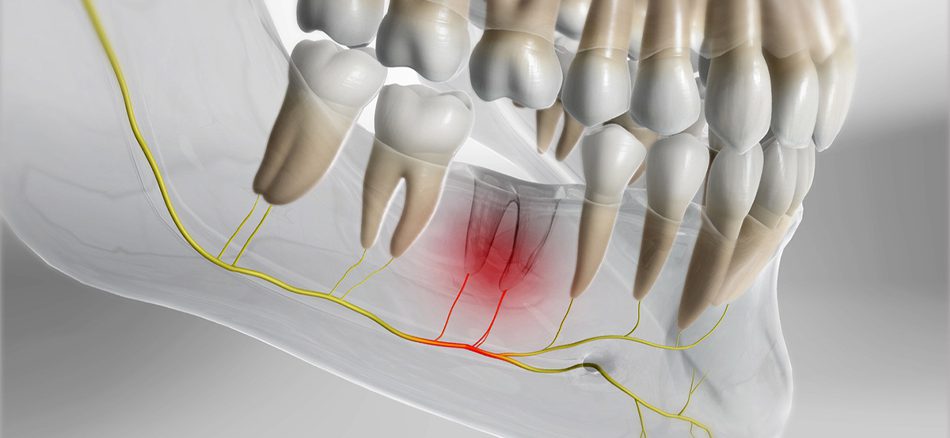
گاهی پس از کشیدن دندان، درد شدیدی چند روز بعد از جراحی ظاهر میشود که با مسکن هم بهراحتی کنترل نمیشود. This pain is usually caused by a phenomenon called dry tooth cavity; A condition in which the natural blood clot at the tooth extraction site is destroyed and the bone tissue and nerves are exposed to air and food. The result is inflammation, bad breath and sharp pain in the jaw and ears. Knowing the symptoms, causes, and treatment methods of this condition will help you prevent long-term pain and speed up the natural healing process of the tooth cavity.
What is dry tooth cavity?
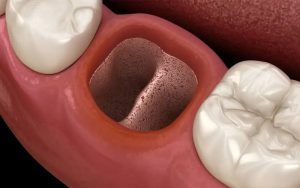
Dry socket, which is known in medicine as dry socket or alveolar osteitis, is one of the common complications after tooth extraction. Naturally, after tooth extraction, a blood clot forms in the empty area, which protects the bone and nerve like a natural dressing. But when this clot is destroyed or not formed, the jaw bone and nerves are exposed to direct contact with food and air and severe pain occurs. This complication usually appears 2 to 4 days after tooth extraction and requires immediate care by a dentist. Observance of oral hygiene and compliance with Doctor's recommendations play an important role in preventing this problem.
Silent Dry Symptoms What is it?
Symptoms of dry tooth cavity are usually obvious and painful. The most common symptom is severe and persistent pain that begins a few days after tooth extraction and may spread to the ear, temple, or neck. Bad breath, unpleasant taste in the mouth, inflammation of the gums around the cavity and sometimes slight bleeding of the gums are other symptoms. In some cases, the patient notices that the area of the extracted tooth is dry and empty and there is no blood clot in it. This state is accompanied by severe pain when touching or contacting food.
The causes of a dry tooth cavity are diverse, but it is often related to the early loss of blood clots in the area of the extracted tooth. The following factors are common reasons:
- Washing the mouth or spitting heavily in the first 24 hours after tooth extraction
- Smoking or using hookah, which disrupts the flow of blood and the loss of clots
- Using a straw or sucking drinks
- History of infection or inflammation in the tooth cavity before its extraction
- Not following the recommendations of the dentist after surgery
- Using certain medications such as birth control pills or blood thinners
- Damage to gum tissue during tooth extraction or wisdom tooth surgery
- Failure to fully observe oral and dental hygiene after treatment
Dry teeth
Dry tooth cavity, if not treated in time, can cause inflammation and severe pain in the jaw area. In addition to causing pain, this condition disrupts the natural healing process of the gums and increases the possibility of secondary infection. In some cases, the jawbone and surrounding nerves are severely irritated and the person feels discomfort even when drinking water or talking. If it progresses, the inflammation may spread to other areas of the mouth and cause swelling or bad breath. Fast treatment by a dentist prevents these problems from occurring and returns to normal recovery.
What are the complications of not treating a dry cavity?
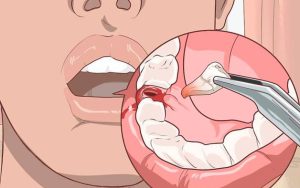
If the treatment is neglected, the dry cavity of the tooth may lead to permanent damage to the bone tissue. Among its consequences, the following can be mentioned:
- The spread of infection to the jaw bone or surrounding tissues
- Increasing pain and chronic inflammation in the tooth cavity
- Delay in wound healing and closure of the tooth extraction site
- Bad breath and persistent bitter taste
- Danger of fever or gingivitis in the affected area
Not visiting the best dentist in Tehran on time for treatment can multiply the length of the recovery period and create the need for more complex treatments.
Is a dry hole dangerous?
In most cases, a dry tooth cavity is not a serious threat to general health, but if neglected, it can lead to widespread infection and inflammation. This condition is especially dangerous for people with weakened immune systems (such as diabetics or the elderly). In such a situation, the inflammation may spread to the jawbone and cause severe pain. If you notice symptoms such as increased temperature, purulent discharge, or bad breath, you should immediately visit the best dental clinic in Tehran to prevent the spread of infection.
Can people suffer from dry cavities?

There is a possibility of dry tooth cavity in all people, but some groups are more at risk. People who smoke or hookah are more likely to suffer from this condition due to reduced blood flow in the gums. Also, patients with diabetes or those who take hormonal and anticoagulant drugs are prone to incomplete formation of blood clots.
Not following the dentist's recommendations after tooth extraction, such as early mouth washing or using a straw, also increases the likelihood of silent dry mouth. Women during menstruation or taking birth control pills are also at greater risk due to hormonal changes. Paying attention to oral hygiene and following doctor's orders is the best way to prevent this problem.
hole How is dry diagnosed?
Diagnosis of dry cavity is usually done by a clinical examination by a dentist. The patient usually presents with severe pain, bad breath, and a dry, clot-free area. On close examination, the doctor notices that the bone is visible deep in the tooth cavity and there is no sign of natural restoration. In some cases, an X-ray is prescribed to make sure there is no deep infection. This photo helps the doctor to rule out the possibility of remaining pieces of root or foreign body. A quick diagnosis and the initiation of appropriate treatment play a vital role in reducing pain and preventing further damage to the bone tissue.
What is dry socket treatment? class="ez-toc-section-end">
Treatment of dry tooth cavity should be done by a dentist with careful examination of inflammation and damage. In the first step, the wound site is gently washed to remove food residues or bacteria. Then the doctor puts an anti-inflammatory drug or a special dressing inside the tooth cavity to reduce the pain and start the healing process. In case of infection, antibiotics or antibacterial mouthwash are prescribed. In cases of severe pain, stronger pain relievers and anti-inflammatory drugs are also used. Full compliance with the dentist's recommendations, avoiding smoking and maintaining oral and dental hygiene are necessary to speed up recovery.
In traditional medicine, the main goal is to relieve pain and help rebuild the lost blood clot. Using natural mouthwashes such as chamomile decoction or lukewarm salt water will help reduce inflammation. Also, rubbing a small amount of honey on the affected area (after consulting a doctor) has antibacterial properties and can reduce pain. However, it should be emphasized that traditional medicine methods alone are not a substitute for going to the dentist and only play an auxiliary role in accelerating the healing process.
Although the main treatment should be done by a doctor, some home care can help reduce pain and speed up recovery.
1- Gargling salt water

Gently rinsing the mouth with a lukewarm salt water solution several times a day helps to clean bacteria and reduce inflammation. This should not be done immediately after tooth extraction, but it is better to start after 24 hours.
2- Using hot and cold compresses
In the first 48 hours, using a cold compress on the cheek reduces swelling and temporarily numbs the pain. After that, the warm compress helps to improve blood flow and speed up tissue repair.
3- actions of honey
Honey has antibacterial and anti-inflammatory properties. Putting a small amount of natural honey on sterile gauze and briefly contacting the affected area can reduce inflammation. This method should not replace specialized treatment.
4- Using tea bags

The tannin in tea has anti-inflammatory properties. Placing a wet and cool tea bag on the desired area will relieve pain and prevent Bleeding gums helps.
Creating a blood clot after tooth extraction is the most important part of the restoration process. This clot protects the bone and nerve like a natural covering. If a person washes his mouth a lot or uses a straw in the early hours after surgery, the clot will disappear and the risk of a dry tooth cavity will increase. Strictly following the dentist's recommendations and avoiding direct tongue or finger contact with the surgical site is the best way to preserve the clot.
Does dry socket hurt? class="ez-toc-section-end">
Yes, pain is the main symptom of a dry tooth cavity and it usually starts a few days after the tooth is extracted. This pain is felt deep in the jaw bone and sometimes extends to the ear or temple. In many patients, the intensity of pain is greater than the time of surgery and is not reduced by conventional painkillers. It is caused by direct contact of the nerve with air, food or liquids. Going to the dentist quickly and dressing the wound is the best way to control the pain and prevent further inflammation.
The appearance of a dry cavity is different from normal wounds after tooth extraction. Normally, the wound site is covered with a dark blood clot, but in a dry cavity, this clot is gone and the bone is visible deep inside the tooth cavity. The surrounding area may appear swollen, red and dry, and in some cases, a yellow or foul-smelling discharge may be felt. Observing such symptoms is a sign of the urgent need to refer to How long does it take for a dry socket to heal?
Complete healing of dry tooth cavity usually takes between 7 and 10 days. During this period, the pain will gradually decrease with specialized treatment and compliance with oral and dental hygiene. In some patients, the healing process may take up to two weeks, especially if there is severe infection or inflammation. Visiting regularly for dressing changes and avoiding smoking, hard foods and hot drinks will help to heal faster. If severe pain is felt a few days after tooth extraction, or bad breath and unpleasant taste continue, you should consult a dentist immediately. Observing bone at the wound site, swelling, fever or purulent discharge are also warning signs. Timely referral to The Best Dentist in Tehran prevents the progress of inflammation and the rapid return of the natural healing process. Delay in treatment may cause widespread infection or chronic pain in the jaw area. Dry tooth cavity is one of the annoying side effects after tooth extraction, which if neglected can cause severe pain and inflammation. Strict adherence to the dentist's recommendations, avoiding smoking and washing the mouth early, and paying attention to oral and dental hygiene play an important role in prevention. In case of symptoms, seeing a doctor quickly is the best way to reduce pain and restore the normal healing process. It usually takes between 7 and 10 days to heal a dry tooth cavity. With specialized treatment and home care, the pain will decrease in the first few days. The extraction site usually heals completely within two to three weeks, but if a dry socket occurs, this time may be a little longer.
Conclusion
1- How long does it take for a dry cavity to heal?
2- When will the extracted tooth heal?