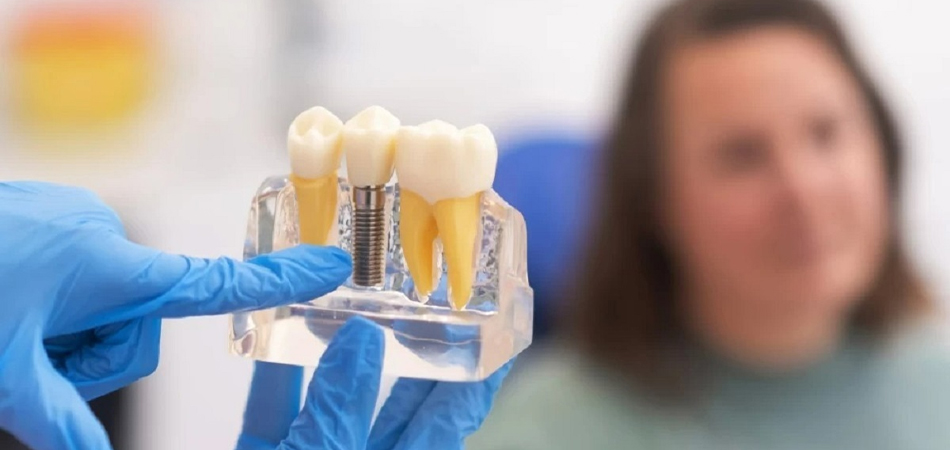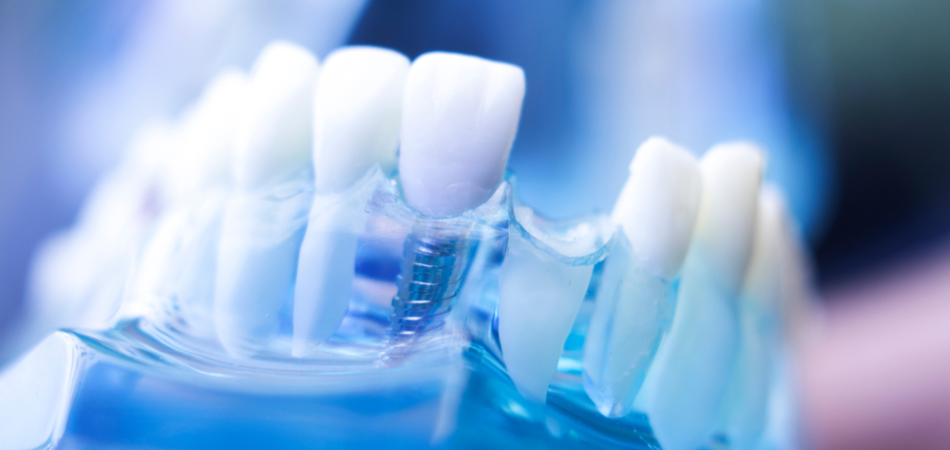

ایمپلنت دندان یکی از پیشرفتهترین روشهای جایگزینی دندان از دسترفته است که نهتنها ظاهر طبیعی لبخند را بازمیگرداند، بلکه عملکرد جویدن و گفتار را نیز بهبود میدهد. In the process of implant implantation, precise components such as tooth fixture, abutment and crown are placed together to form a structure similar to the root and crown of a natural tooth. Familiarity with dental implant steps helps patients to better understand the treatment process and make decisions with more confidence. If you are looking for a lasting and scientific treatment, it is essential for you to know the steps and key points of this process.
Dental implant is usually done in several stages, which may be slightly different depending on the condition of the jaw bone, gum health and the need for bone grafting. In the standard case, this treatment consists of five main steps: examination and preparation, base implantation, installation of intermediate parts, placement of the crown and finally dental implant care. Each of these steps play an important role in the final success of the treatment and are carried out by the dentist with careful planning. It should be noted that dental implant price can also be different depending on the type of fixture, the quality of the materials and the number of required sessions, but the selection of a specialist doctor and the correct implementation of the procedures guarantee the value of investing in this treatment.
Steps before dental implant

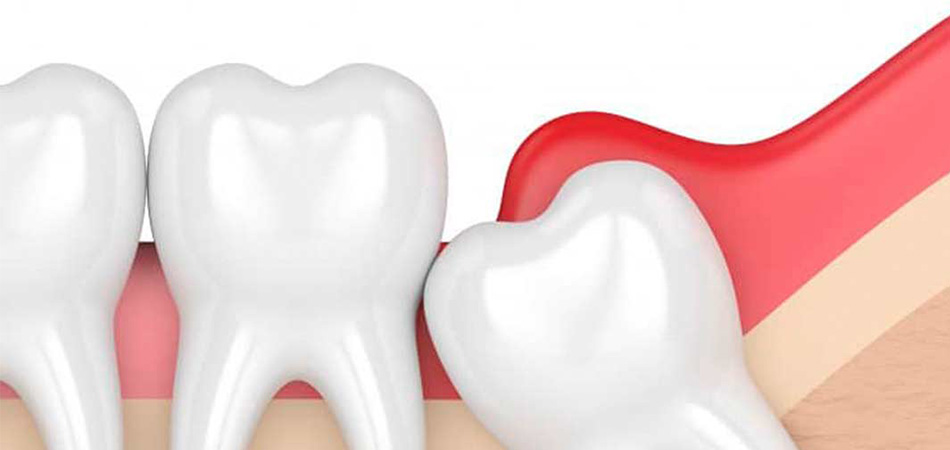
Before performing any surgery, the dentist performs complete clinical and radiological examinations to ensure the health of the gums, jawbone and the position of the surrounding teeth. At this stage, CBCT images are prepared to evaluate the bone volume, and if there is a lack of density, the possibility of bone grafting is proposed. Also, if the damaged tooth is still in the mouth, it should be extracted to provide a suitable space for the placement of the implant. Compliance with oral hygiene and treatment of gum diseases is very important at this stage, because it is the basis of the health of the whole process.
Dental implant stages
Implant treatment is usually done during several sessions and with a certain time interval so that the jaw bone is properly welded with the dental fixture and a stable result is obtained. In the following, we will review the steps of dental implant in order:
1- tooth extraction

If the damaged tooth is still in the mouth, it is first extracted by the dentist. In some cases, if the bone conditions are suitable, it is also possible to implant an immediate dental implant at the same time. However, in most cases, a period of primary bone repair is required.
2- Placement of the implant base (fixture planting)

At this stage dental fixture, which is the titanium base of the implant, is placed inside the jaw bone. This operation is performed under local anesthesia and the patient does not feel pain. After implantation, it takes some time for the surrounding bone to hold the base firmly; This process is called "osuintegration".
3- Installation of healing
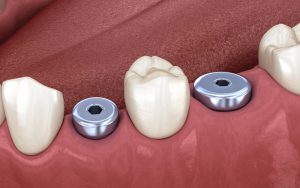
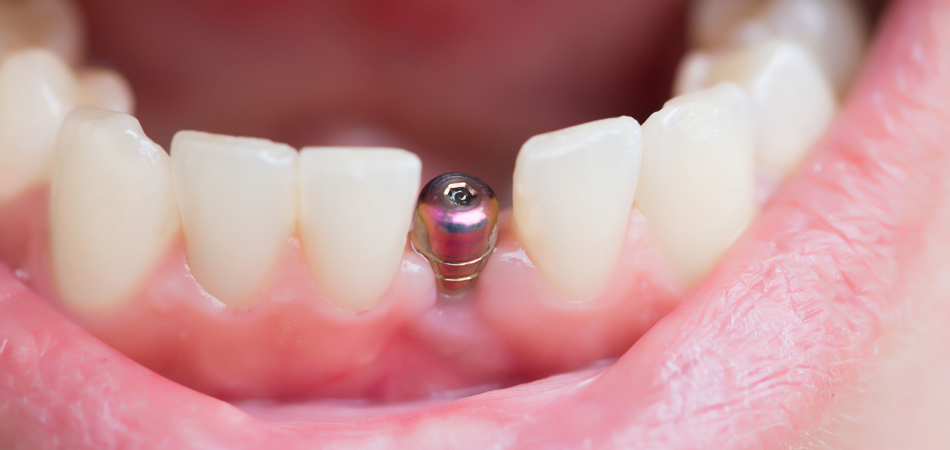
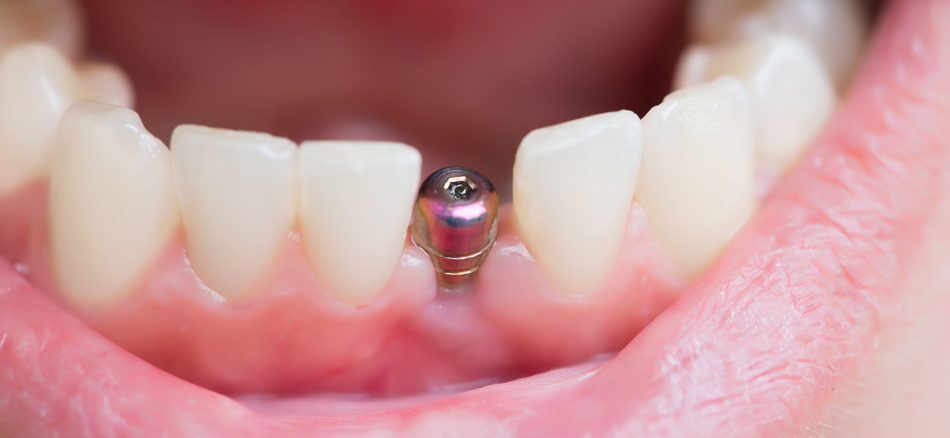
After the bone and base are welded, it is time to install the heeling. Healing is a temporary piece that is attached to the fixture so that the gums find a suitable shape for the placement of the final crown. This section makes the appearance of the gums more natural and prevents bacteria from entering the surgical site.
4- Abutment placement
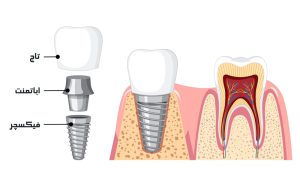
At this stage, the healing is opened and a piece called abutment is installed on the base of the implant. The abutment is the interface between the abutment and the crown and is accurately placed in the correct position to ensure the stability of the final crown. Choosing the right type and angle of abutment depends on the skill and experience of the dentist.
5- Adding a permanent crown
The last step is to place a ceramic or zirconia crown on the abutment. The final crown is made with the same color and shape as the adjacent teeth to create a natural result. After installing the crown, it is recommended to make periodic visits for checkup and care for the dental implant to ensure its durability.
Steps of implant molding

Implant molding is one of the critical and decisive steps in the final success of the treatment. The purpose of this stage is to accurately transfer the position of the tooth fixture and the details of the gums to the laboratory, so that the final crown can be made with high precision and complete matching. Choosing the type of tray, molding material and how to implement this process should be done according to the condition of the patient's mouth and the type of dental implant.
choosing three formatting
A tray is a device used to keep molding materials in the mouth. Choosing a type depends on the number of implants and their location. In single implants, closed trays are usually used, but in multiple cases or front tooth implants, open trays are more useful, because the accuracy of transferring the fixture position is higher.
Selection of molding materials
Molding materials must have proper strength, accuracy and dimensional stability. Additive silicone (A-silicone) is one of the common options that has a very high precision in recording details. In some cases, polyether is also used, which performs better, especially where there is uncontrolled moisture. The dentist chooses the best option according to the type of implant, the desired area and his experience.
Preparation of tooth molding paste
After choosing the right materials, the molding paste is ready and placed inside. The dentist must ensure that the paste is spread evenly around the transfer pins so that no bubbles or voids are created. This directly affects the final accuracy of the prosthesis and is effective in the quality of the dental implant crown.
Remove mold from mouth
After the necessary time for the dough to harden, the mold is slowly removed from the mouth. At this stage, care must be taken so that no deformation occurs in the mold. The mold is then sent to the lab to make the final crown or bridge. Accuracy at this stage is so important that any small mistake can cause the crown to be misaligned with the fixture.

In response to this question, it should be said that the most difficult part of the implant can be different for each patient. From a clinical point of view, the stage of implanting the base or placing the dental fixture is the most sensitive part, because the jaw bone is drilled and the titanium base is placed in the desired location. This work requires high skill and detailed planning by the dentist. However, patients usually find the post-surgery phase more difficult in terms of pain and care.
At this time, it is very important to follow the principles of dental implant care, take prescription drugs and avoid chewing in the treatment area. The dentist usually gives advice on soft nutrition, use of antibacterial mouthwash and good oral hygiene to make the healing process go faster and smoother. If all dental implant steps are done correctly and the patient cooperates fully, even this step will pass without any problems.
Duration of dental implant varies depending on the condition of the mouth, jaw bone and selected treatment method. In general, the treatment process from the time of tooth extraction to the installation of the final crown may take between three and six months. In some special situations, such as the use of an immediate dental implant, the whole process is done in a shorter period of time and even in a few days. However, the final result should be based on bone strength and complete fusion of the fixture; Therefore, the speed of treatment should not replace precision.
In patients with healthy bones and without the need for bone grafting, the implant can be completed in just three main steps and in a few sessions. But in cases where the bone density is low or the restoration after tooth extraction is time-consuming, a longer waiting period may be needed for the base to be properly fixed in the jawbone.
How long does the implant stage last?
The duration of each stage of the implant is different depending on the patient's condition, but the following schedule can be roughly considered:
- Step of tooth extraction: It takes about 30 to 45 minutes, and depending on the conditions, you have to wait 2 to 3 months for the bone to completely heal.
- Dental fixture implantation: This step usually takes less than an hour, and the fusion of the base with the bone takes between 3 and 4 months.
- Final abutment and crown installation: It is done in one to two sessions, and molding and making the crown takes about 1 to 2 weeks.
In immediate dental implant It takes a shorter time, but it requires healthy bone and special conditions that not all patients have.
tests What are the diagnosis for dental implants?

In order to increase the accuracy of the treatment and predict the final result, various diagnostic tests and examinations are performed before the implant implantation procedure. The purpose of these evaluations is to check the general health, the condition of the jaw bone and to diagnose the need for a bone graft.
- CBCT imaging (CBCT): This three-dimensional image determines the volume of the bone, the thickness of the jaw and the distance from vital structures such as nerves.
- Panoramic radiography: It is used to observe the overall condition of the mouth and identify remaining teeth or possible lesions.
- Blood tests: To ensure the general health of the body, check for diabetes and diseases affecting bone repair.
- Gum examination and oral hygiene: The health of the soft tissue of the gums is vital for the success of the dental implant; Therefore, any inflammation or infection must be controlled before starting the treatment.
Based on the results of these tests, the dentist offers a personalized treatment plan so that the dental implant procedures are performed with the least risk and maximum durability.
How long should an implant be placed after tooth extraction?
The right time for implant placement after tooth extraction is one of the important questions of patients. Usually, if the bone and gum tissue are healthy, an immediate dental implant can be done immediately after tooth extraction. This method preserves the natural shape of the gums and prevents bone loss.
But in most cases, the dentist recommends that about 2 to 3 months after tooth extraction, the implant is done so that the bone tissue can be sufficiently repaired. In some cases, if there is an infection or if the bone tissue has degraded, you may need to wait longer. In such cases, there may be a need for bone grafting before implantation.
The important point is that too much delay in implant placement can reduce bone volume and make treatment more difficult. Therefore, timely planning with the consultation of the dentist brings the best result.
What is the stage and how does bone grafting take place?
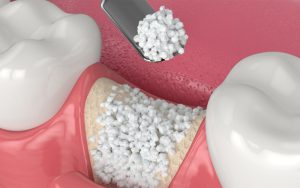
Bone grafting is done when the volume or density of the jaw bone is not enough to support the implant base. This problem is usually caused by bone loss after tooth extraction or gum disease. The purpose of bone grafting is to restore lost bone tissue and create a solid foundation for dental fixtures.
This operation is usually done before the stage of implanting the fixture, and then it takes about three to six months for the bone graft to fuse with the jaw. In some special cases, the dentist can perform a partial bone graft at the same time as the implant. The type of transplant may be from the patient's own bone (autograft) or from synthetic and biocompatible materials.
Bone grafting is one of the important and specialized steps in dental implant treatment and has a direct effect on the final success. If done correctly, the chances of complete abutment fusion and long-term implant durability are significantly increased. Careful post-operative care and oral hygiene also play a key role in quick and uncomplicated recovery.
The molar implant is functionally very important, because the most chewing pressure is applied to these teeth. As a result, the strength of the fixture and the quality of the bone graft are very important in this area. The implantation steps in this area are similar to other implants, but sometimes it requires stronger bases and bone grafting.
Pulling the damaged tooth
If there is decay or fracture, the damaged tooth is first extracted by the dentist. If the condition of the jaw bone is suitable, the immediate dental implant may be done in the same session.
Bone graft if necessary
In cases where the volume or density of the bone in the milling area is insufficient, bone grafting is performed before implanting the base. This work helps to increase the strength and stability of the dental fixture.
Dental implant placement
At this stage, the titanium base is placed inside the jaw bone. Considering the high pressure during chewing, choosing the appropriate length and diameter of the fixture is very important.
Bone growth, fusion of implant to bone and wound healing
This stage takes a few months until the base is completely united with the jawbone. During this time, the patient should avoid excessive pressure and chewing hard foods.
Abutment placement
After the abutment is welded, the abutment piece is installed for the crown to be mounted on. The shape of abutment in molars is usually stronger and longer.
Prosthetic tooth placement
Finally, a ceramic crown or cover is made and installed for the molars to restore full chewing function. It is necessary to take care of the dental implant in this area to increase its lifespan.
Front tooth implant
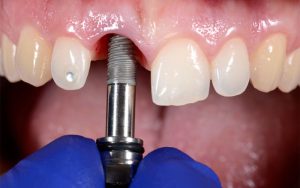
The front tooth implant has a special aesthetic importance, because it has a direct effect on a person's smile and self-confidence. The general steps are similar to other implants, but accuracy in the color, angle and shape of the crown is critical in this area. After the extraction of the front tooth, if the bone condition is suitable, the dentist may use the immediate dental implant method to maintain the shape of the gum. Accurate molding, selection of delicate abutment and matching crown with adjacent teeth are the key points in success Front tooth implant
Steps Immediate implantimmediate dental implant is one of the new methods in dentistry, which is done in order to reduce the treatment time and preserve the natural structure of the gums. In this method, immediately after tooth extraction, the fixture is placed in the same place.
The main condition for the success of this method is the existence of solid bone without infection. After the abutment is implanted, a temporary crown is usually placed over it to maintain the appearance of the smile. After a few months and ensuring that the base fuses, the permanent crown will replace the temporary crown. The main advantage of this method is to reduce treatment sessions and prevent bone loss. However, its precise implementation requires a dentist with high experience and skill.

Choosing the best dentist to perform dental implants in Tehran has a direct effect on the treatment result. In addition to surgical skills, a professional dentist must have a strong aesthetic vision and master the principles of tooth restoration. Experience in implementing a variety of implant methods, including immediate dental implant and front tooth implant, accuracy in molding, correct selection of abutment, and use of high-quality materials are important evaluation criteria. Also, well-equipped clinics that use modern technologies such as 3D CBCT imaging and digital molding systems provide more accurate and natural results. Examining work records, viewing portfolios and consulting before treatment are among the best ways to choose the right doctor.
Conclusion
Dental implant process is a set of precise and scientific steps aimed at restoring the natural function of the mouth and the beauty of the smile. From tooth extraction to crown placement, each step requires planning and precision. Knowing about dental implant steps helps patients make a more informed decision and cooperate better during treatment. To read scientific materials, review new treatment methods and learn about the latest technologies in the oral and dental field, reading Dental Journal can be a valid and practical source for you.
Frequently asked questions1- How many stages does dental implant have?
Implant is usually done in five main steps: tooth extraction, dental fixture placement, healing installation, abutment placement, and final crown installation. In some special cases, the stage of bone grafting is also added to this process.
2- How long does each stage of the implant take?
The duration of each stage is different depending on the condition of the bone, the type of implant and the treatment method. Usually, the whole treatment lasts from three to six months.
3- Which stage of dental implant is more painful?
Most patients find the stage of fixture implantation more sensitive, but no specific pain is felt with local anesthesia. Taking care of the dental implant after surgery will reduce pain and heal faster.