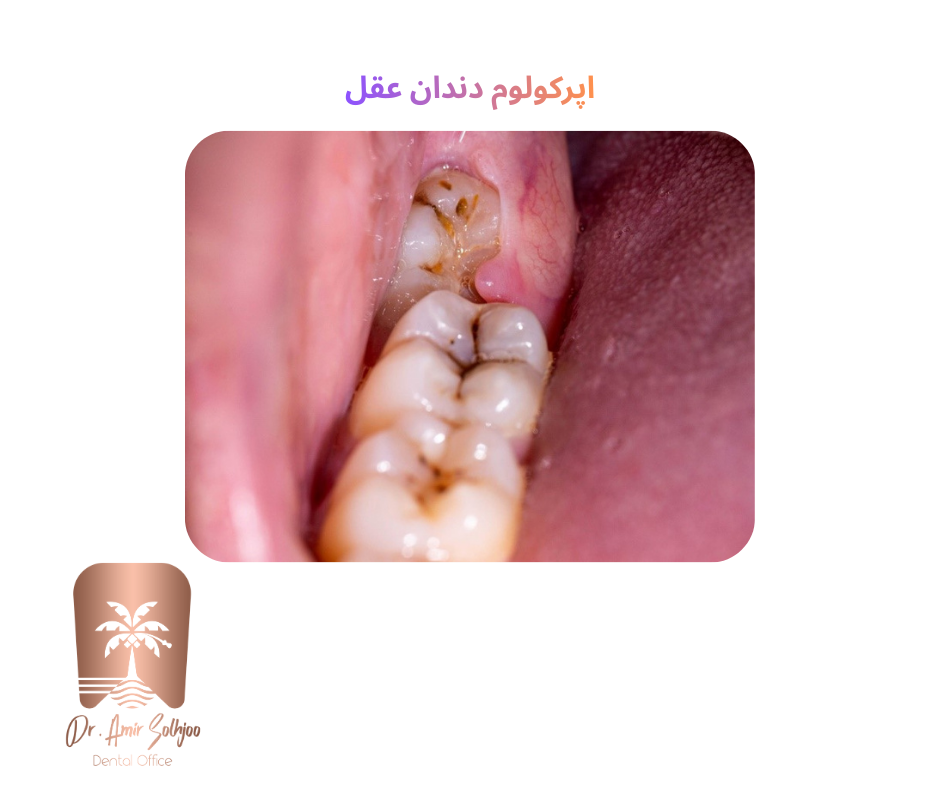
Wisdom tooth operculum refers to the edge of gum tissue that covers part of the crown of a partially erupted or fully erupted wisdom tooth. This excess gum tissue, which sits like an incomplete umbrella over the tooth, can become a prone place for the accumulation of food debris, bacterial plaque, and infection. Wisdom tooth operculum is usually seen in connection with mandibular wisdom teeth, where insufficient space for full eruption results in this phenomenon. The presence of wisdom tooth operculum can not only cause local discomfort, but if not properly managed, it may lead to more serious complications. A proper understanding of the nature of the wisdom tooth operculum, the symptoms associated with it, and the available treatment options will help patients make more informed decisions about their oral health.
Wisdom tooth operculum: from inflammation to specialized treatment

Dr. Amir Salah Jo
تهرانSurgeon, dentist
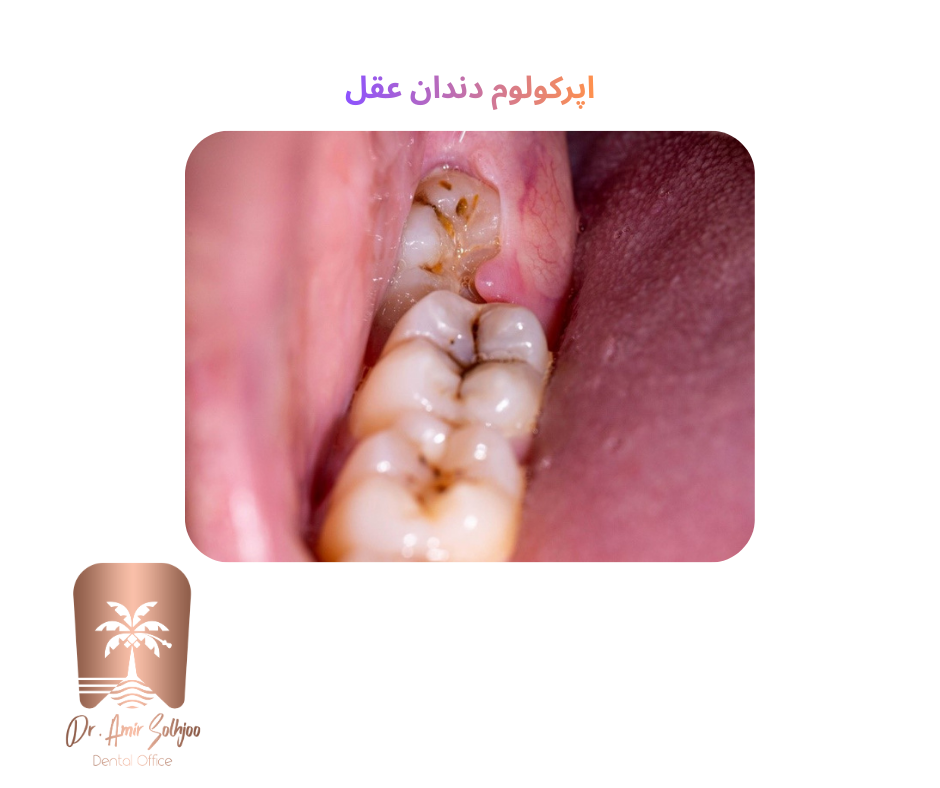
The wisdom tooth operculum is basically a fold or flap of the mucous tissue of the gum, which is formed due to the incomplete eruption of the wisdom tooth. When the wisdom tooth (third molar) tries to grow in the dental arch, but there is not enough space or its growth path is inappropriate, only part of the crown of the tooth comes out of the gum. The gingival tissue that cannot fully recede from the crown remains as an incomplete covering, the so-called wisdom tooth operculum. This structure creates a potential space between itself and the surface of the tooth, which is called "operculum cavity" and acts as a trap for food particles and microorganisms.
pathophysiology problems related to wisdom tooth operculum
The main problem of wisdom tooth operculum is creating a The environment is closed and inaccessible for cleaning. According to the American Dental Association (ADA), this area is rapidly colonized by bacterial plaque. Bacteria multiply in this warm, moist and food-rich space and can cause inflammation of the operculum and surrounding tissues. This inflammation is a condition called "pericoronitis". Pericoronitis can range from a mild local infection to a serious abscess. In severe cases, the infection caused by the wisdom tooth operculum can spread to the deeper spaces of the face and neck, which is considered a medical emergency. id="%D8%B9%D9%84%D8%A7%D8%A6%D9%85_%D9%88_%D9%86%D8%B4%D8%A7%D9%86%D9%87_%D 9%87%D8%A7%DB%8C_%D8%A7%D9%84%D8%AA%D9%87%D8%A7%D8%A8_%D8%A7%D9%BE%D8%B1%DA% A9%D9%88%D9%84%D9%88%D9%85_%D8%AF%D9%86%D8%AF%D8%A7%D9%86_%D8%B9%D9%82%D9%8 Symptoms and symptoms of wisdom tooth operculum inflammation (pericoronitis)
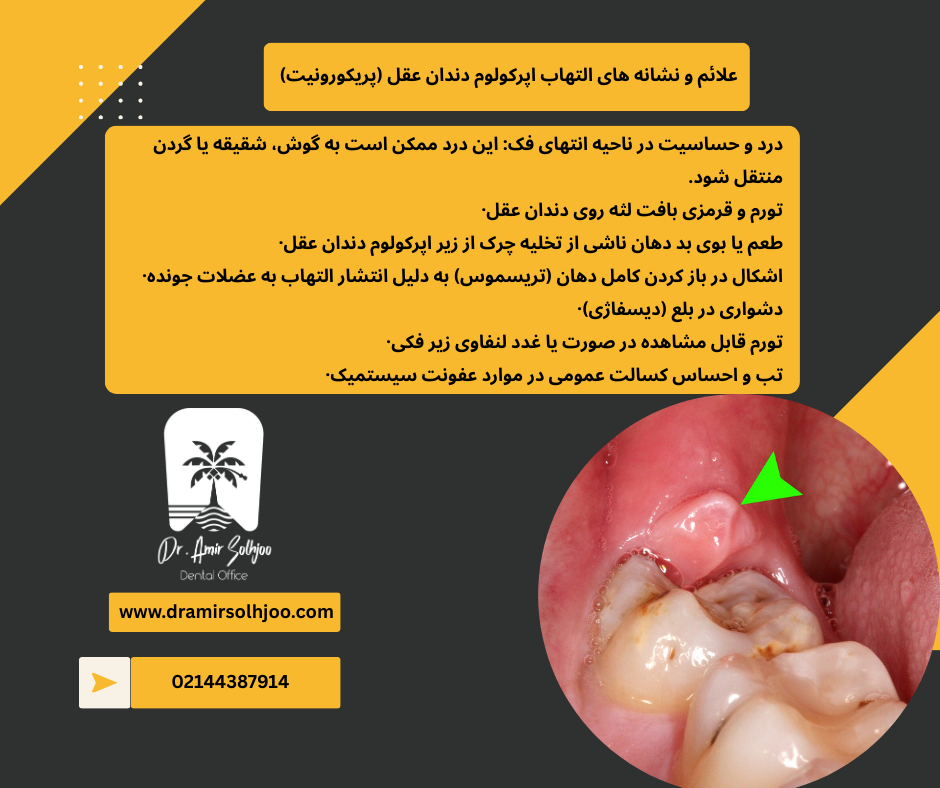
Early diagnosis of wisdom tooth operculum inflammation is important to prevent complications. Patients may experience one or more of the following symptoms:
- Pain and tenderness at the bottom of the jaw: This pain may radiate to the ear, temple, or neck.
- Swelling and redness of the gum tissue on the wisdom tooth.
- Bad taste or smell in the mouth caused by the discharge of pus from under the wisdom tooth operculum.
- Difficulties in fully opening the mouth (trismus) due to the spread of inflammation to the masticatory muscles.
- Difficulty in swallowing (dysphagia).
- Visible swelling in the face or submandibular lymph nodes.
- fever and general malaise in cases of systemic infection.
option Treatment of wisdom tooth operculum
The treatment of wisdom tooth operculum depends on the severity of the symptoms, the condition of the underlying wisdom tooth and the general health of the patient. At Dr. Amir Salahjo's clinic, first a comprehensive evaluation including clinical examination and radiography (often OPG or CBCT) is performed to determine the best solution. class="wp-block-list">
Definitive surgical treatments
In most cases, especially when there is a recurrence of inflammation or the presence of useless wisdom teeth, surgical treatment is recommended:
- Opercolectomy (removal of the operculum): In this procedure, which is usually performed under local anesthesia, the excess gum tissue (operculum of the wisdom tooth) is completely removed so that the crown of the wisdom tooth is fully exposed and its cleaning is possible. This method is suitable when the lower wisdom tooth has an anatomical condition suitable for full growth and is worth preserving.
- Wisdom tooth extraction: The most common and definitive treatment for problems related to the wisdom tooth operculum is to remove the wisdom tooth itself. This not only solves the operculum problem, but also prevents future problems such as wisdom tooth decay or damage to the adjacent tooth (second molar). The decision to extract wisdom teeth is made based on criteria such as the angle of eruption, the amount of impact, the relationship with the lower tooth nerve and the general health of the patient.
| Criteria | washing and medical treatment (conservative) | Opercolectomy (removal Gum tissue) | Wisdom tooth extraction |
| Aim | Control of acute infection and reduction of inflammation | Removal of problematic tissue and the possibility of tooth eruption | Complete removal of the source of the problem (teeth Wisdom) |
| Advantage | Non-invasive, fast | Wisdom preservation, improved access for cleaning | Definitive treatment, prevention of recurrence of the problem |
| Disadvantages | Temporary, high probability of recurrence | Possibility of recurrence of new operculum, may be wisdom tooth May require extraction later | More invasive, longer recovery period |
| Recovery time | Several days | 1-2 weeks | 1-2 weeks for initial healing, several months for complete bone cavity filling |
| Cost Relative | Lowest | Moderate | Highest |
| Prescribing conditions | Acute and limited infection, first time | Wisdom teeth in good position and worth preserving | Embedded/semi-embedded wisdom teeth, recurrent infection, tooth damage Adjacent |
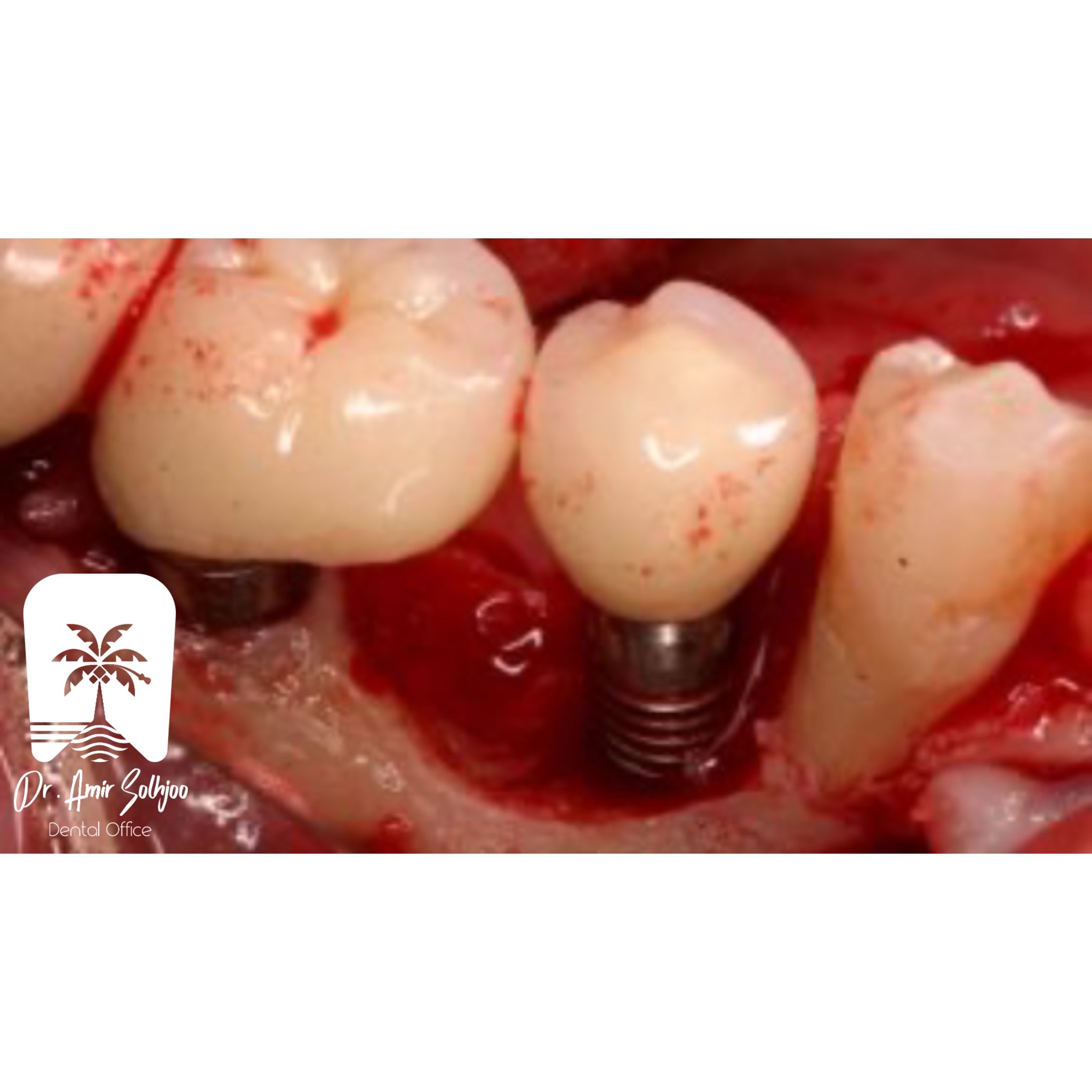
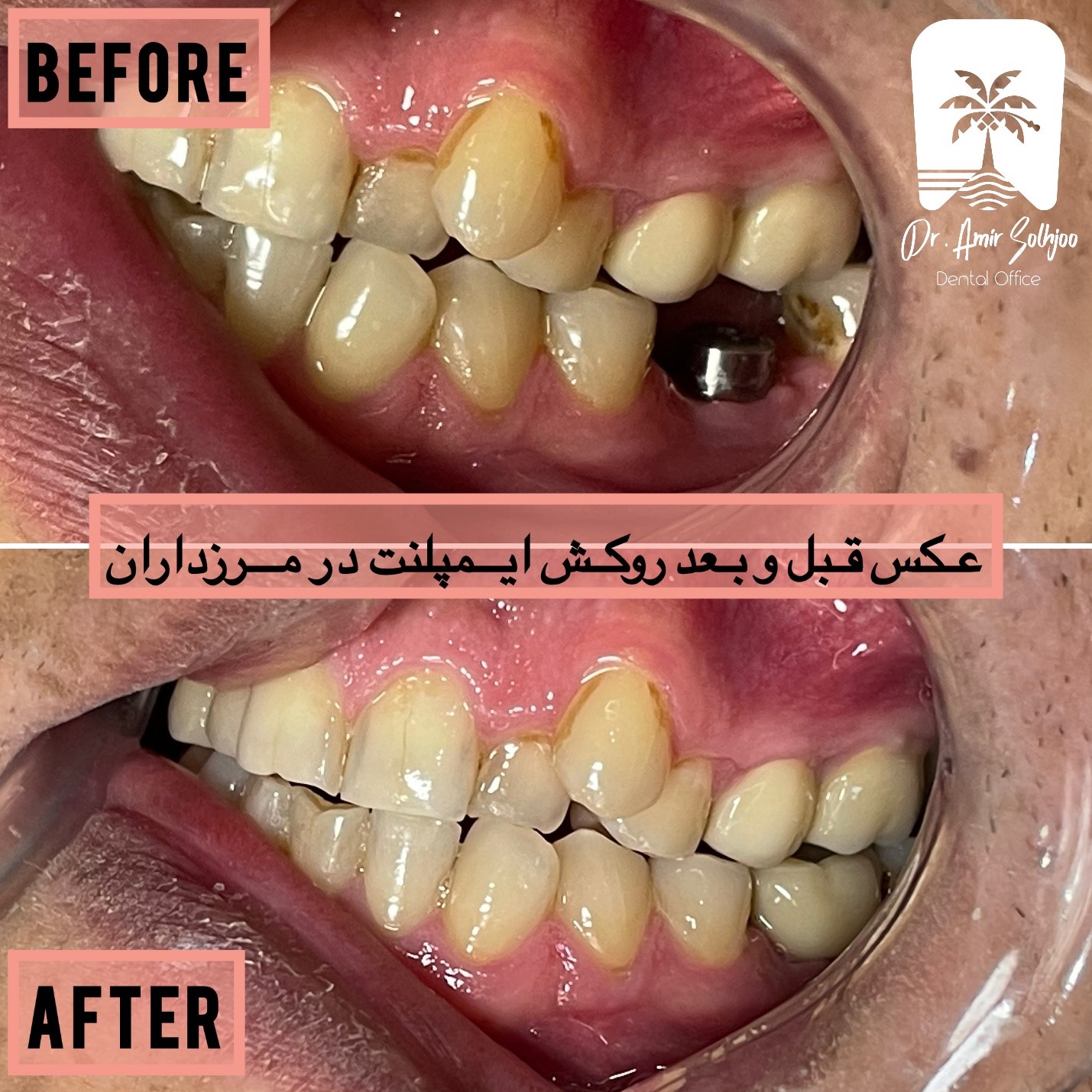
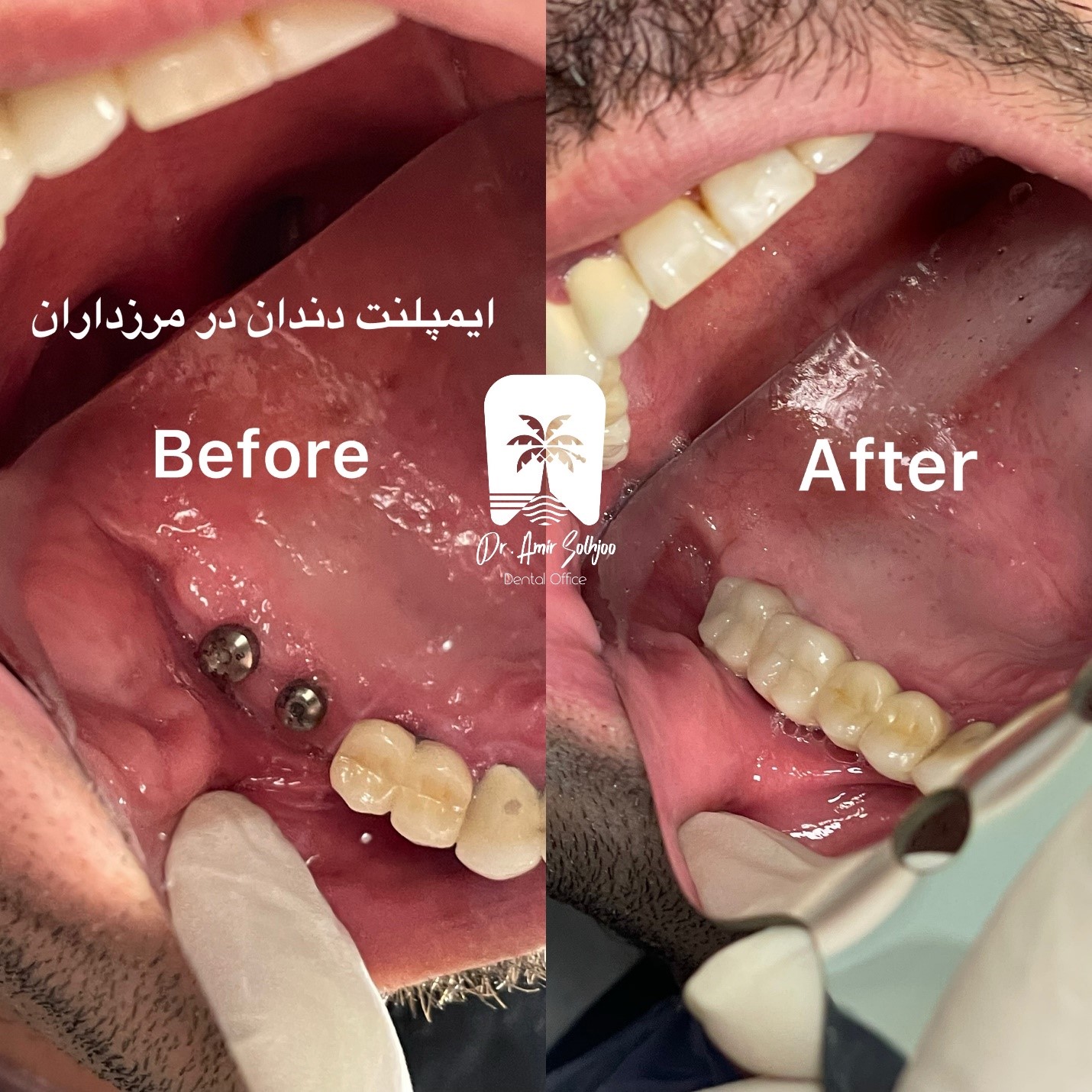
Sometimes after wisdom tooth extraction due to operculum problems, the patient or the dentist think of replacing the empty space. But it should be noted that the wisdom tooth is rarely replaced, because it does not have much function in chewing, and placing the implant in that area (retromolar area) is challenging due to the quality of the bone and difficult access. However, timely extraction of problematic wisdom teeth can prevent bone loss in the posterior region of the jaw, which is necessary for the implantation of more important teeth (such as the first and second molars).
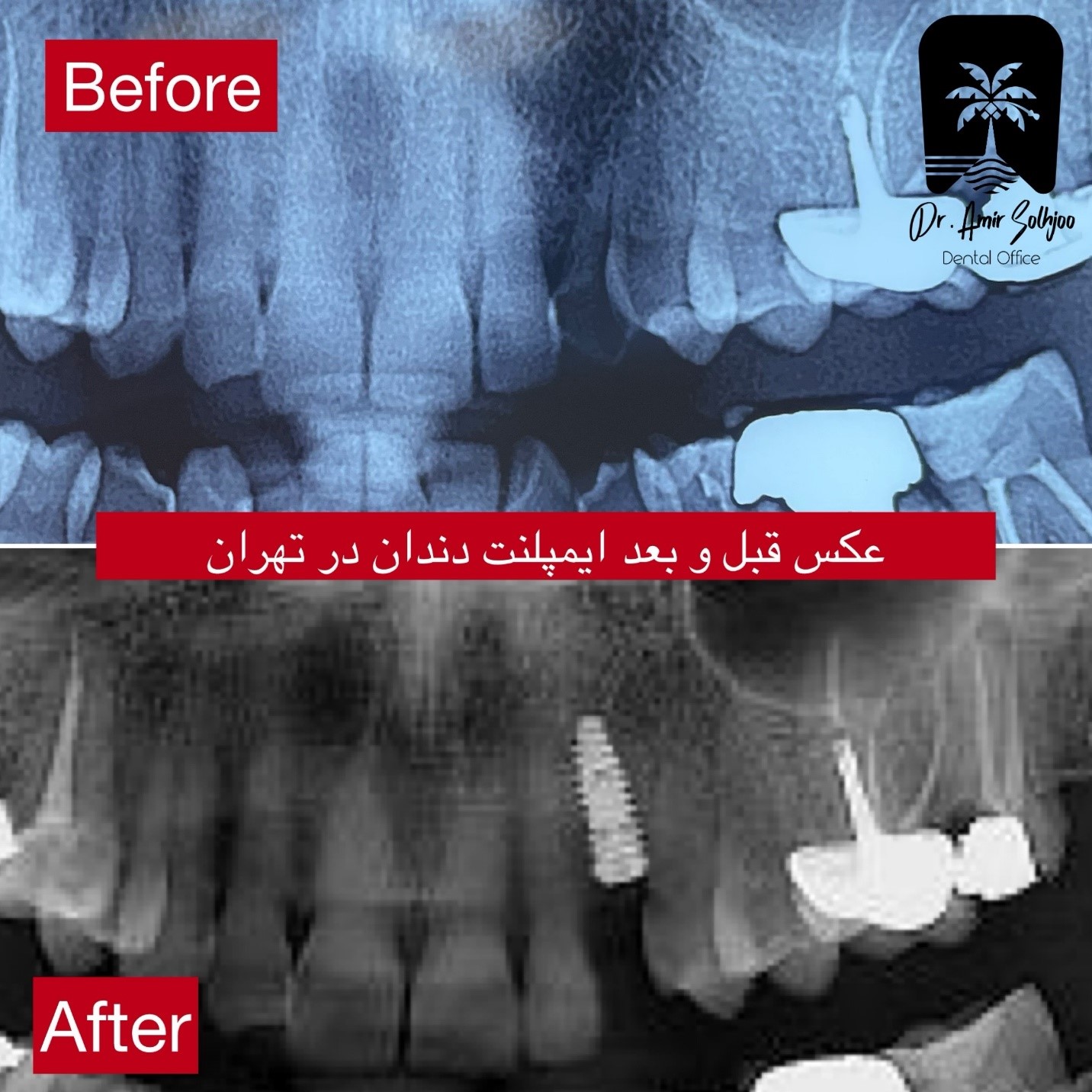
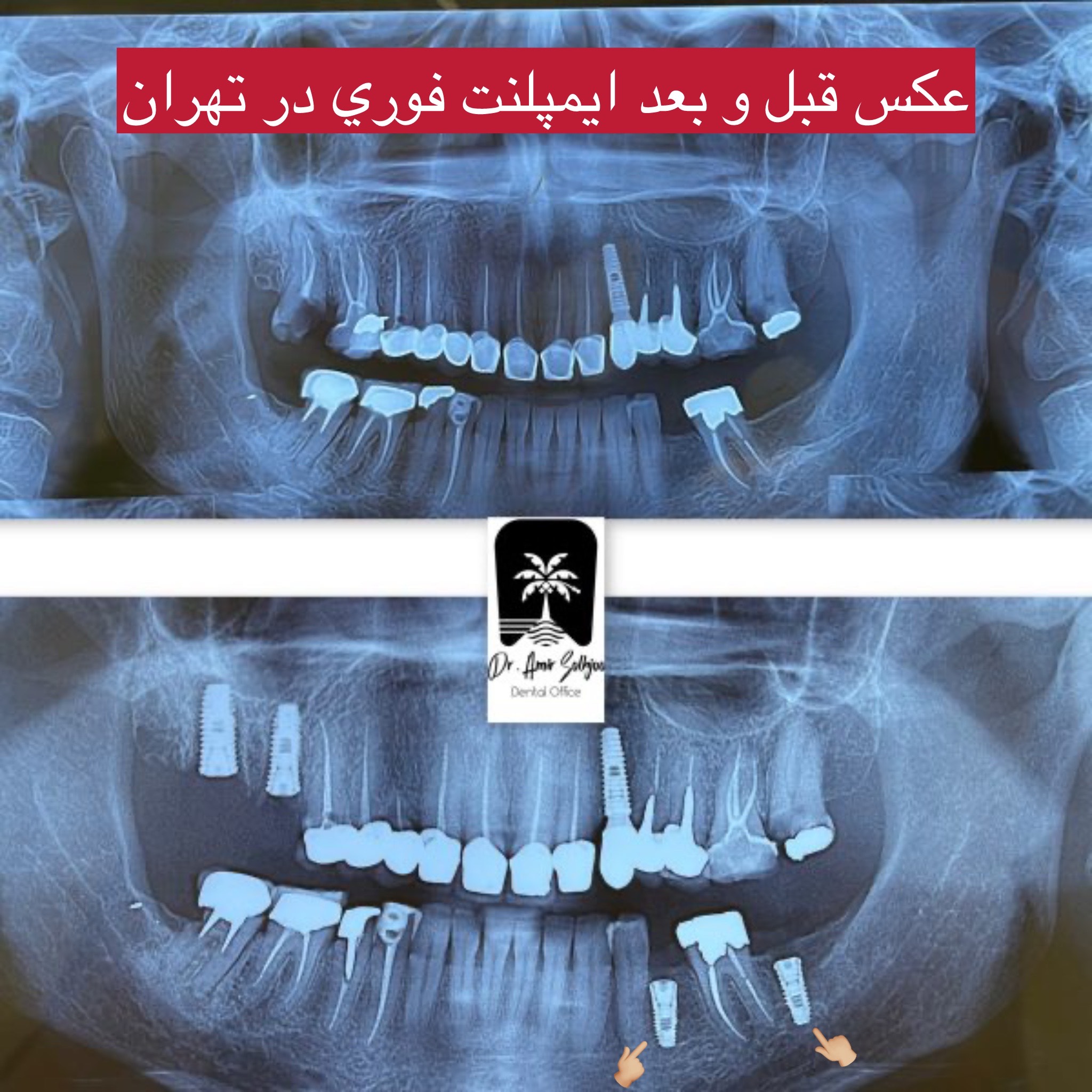
If there is a need for implants in the posterior region of the jaw for other reasons (such as the loss of the second molar), the use of high-quality implant systems is essential for long-term success. In these cases, the American Zimmer implant with advanced surface design and excellent strength or the Korean Maggen implant with AnyRidge technology are the best options for different bone conditions. It should be noted that the method called "digital implant" is not yet recognized as a complete and reliable standard in the global dental scientific community and most experienced specialists do not use it for the main cases.
Does wisdom tooth operculum always need treatment?
No. If the wisdom tooth operculum is small, does not cause frequent inflammation, and the patient can clean the area effectively, it may only require monitoring. However, if pericoronitis (inflammation) occurs even once, there is a high probability of its recurrence and definitive treatment is usually recommended. Protects wisdom teeth. This method is suitable when the wisdom tooth is worth saving. A wisdom tooth extraction removes the tooth itself completely and is a definitive cure for the problem. The choice between the two is made based on the radiographic and clinical examination by the dentist.
What care is needed after operculum surgery or wisdom tooth extraction?
Post-surgery care includes pressure on the wound with sterile gas, use of cold compress To reduce swelling, take prescribed drugs (pain relievers, antibiotics), follow a soft and cold diet in the first days, avoid sucking (such as using straws) and smoking, and gently rinse with chlorhexidine mouthwash after 24 hours. If we don't, what are the risks?
If we don't treat the chronic inflammation caused by the wisdom tooth operculum, it can lead to complications such as wisdom tooth abscess, spread of infection to the deep spaces of the face (cellulitis), jaw bone involvement (osteomyelitis), damage to the root of the adjacent second molar, and even in rare cases, dangerous systemic infection.
When is the best time to refer to the dentist for the operculum problem?
As soon as you feel pain, swelling or discomfort at the end of the jaw, bad breath or difficulty opening the mouth, you should see the dentist. The treatment in the early stages of pericoronitis is simpler and less complicated.
Can the formation of the wisdom tooth operculum be prevented?
The only way to definitively prevent is the early evaluation of the wisdom teeth with radiography at a young age. If the dentist sees that the wisdom tooth does not have enough space to grow properly and may cause operculum and subsequent problems, he may recommend preventive extraction before it causes problems.
Wisdom tooth operculum is a common and often troublesome problem that can easily turn into a serious infection. Timely diagnosis and appropriate treatment under the supervision of a specialist prevent the occurrence of complex complications and maintain the health of the mouth and teeth. In cases where wisdom tooth extraction is necessary, it not only solves the current problem, but also reduces damage to adjacent teeth and the need for more expensive treatments in the future.
If you feel discomfort, swelling or pain in the area of your wisdom tooth, do not self-medicate. The specialized dental clinic of Dr. Amir Salahjo, with the use of advanced diagnostic equipment and experienced staff, is ready to provide accurate advice and carry out the necessary treatments, from simple cleaning to specialized wisdom tooth surgeries, in a calm and hygienic environment. 9th Floor - Unit 26
Telephone:02144387914
Instagram:@DR.SOLHJOODENTALOFFICE
WhatsApp to book an appointment and free consultation:09106520066
Aparat: https://www.aparat.com/dramirsolhjoo
Contact us today to have your wisdom teeth examined and receive expert advice.