
Have you ever had a negative thought repeat over and over in your mind and no matter what you do, you can't stop it? Dwelling on past mistakes, constantly worrying about the future, or dwelling on an upsetting event can be signs of rumination. Rumination is not just "overthinking". This state occurs when the mind gets stuck in a repetitive cycle of ruminating thoughts; Thoughts that are usually negative take away peace and consume a lot of mental energy without reaching a solution. Many people have this experience, especially at times like night and before sleep or when stress increases.
The important point is that rumination can be directly related to problems such as anxiety and depression. For this reason, knowing it correctly and finding a scientific solution to get rid of rumination is very important. In this article, we review in simple and practical language:
- What is rumination and why does the mind enter this cycle?
- What is the difference between rumination and overthinking?
- What is the role of rumination in anxiety and depression?
- And most importantly, how to get rid of rumination and what is the best medicine for rumination?
If you feel that your mind is too busy with negative thoughts and you are looking for rumination therapy or a way to control these thoughts, the continuation of this article can be an accurate and helpful starting point for you.
What is rumination?
Rumination is a state in which the mind is constantly and repeatedly preoccupied with an upsetting, negative, or unresolved thought. In this state, the person feels that his thoughts do not stop, and the more he thinks, the less calm he gets. Unlike healthy thinking, which usually leads to a decision or problem solving, rumination is more like being stuck in a mental cycle; A cycle that often revolves around the past, mistakes, worries or guilt and does not reach a specific result. Many people experience rumination in the form of ruminating thoughts; Thoughts that enter the mind unintentionally and are repeated many times.
This state becomes more intense especially in times such as loneliness, fatigue, mental pressure or before sleep. The important point is that rumination is not just a simple mental habit. Psychological research shows that this thought pattern can be closely related to anxiety and depression, and if it continues, it affects the quality of sleep, concentration, and general mood of the person. For this reason, knowing exactly what rumination is and why it happens is the first step to treating rumination and getting rid of rumination thoughts.
What is the difference between rumination and overthinking?
Many people use terms like rumination and overthinking interchangeably when their mind gets too involved. While these two are close to each other, they are not the same, and recognizing their difference plays an important role in choosing the right rumination treatment method.
Overthinking is a state where a person thinks too much about decisions and the future. The mind gets involved in doubt, possible scenarios and "what ifs", but this process can sometimes lead to a decision. Overthinking is usually future-oriented and accompanied by hesitancy.
In contrast, rumination has a deeper and more consuming state. In this state, the mind clings to recurring negative thoughts, disturbing memories, or unpleasant feelings and goes over them again and again without reaching a conclusion. Rumination is often focused on the past and is accompanied by feelings such as sadness, guilt, or anger; For this reason, these thoughts are called rumination thoughts.
In simple words,
overthinking means thinking too much,
But rumination means getting stuck in repeated negative thoughts.
Every rumination is a form of overthinking, but every overthinking is not necessarily negative rumination.
The important point here is that rumination is closely related to depression and anxiety and can increase the severity of their symptoms. Because of this, many people are looking for answers like "How to get rid of rumination?" are.
Knowing the difference between these two thought patterns helps to use more effective methods such as CBT, ACT and mindfulness to get rid of rumination thoughts and regain mental peace.
Symptoms of rumination
Rumination means analyzing, analyzing and overthinking negative experiences and feelings that may have happened to us in the past. Rumination is one of the symptoms of a large number of mental illnesses, and if its intensity is high, it will become a mental disorder itself. In addition to the mind, the effects of mental rumination disorder also have destructive effects on the human body. Our body wants to create a defense system by rumination to deal with depression and anxiety, while this only increases the distress of the person. will be People with mental rumination only think about the problem itself and will not find any solution to treat that problem, therefore they will only make their problem bigger.
Rumination is a state in which the mind is constantly engaged in repetitive negative thoughts, without reaching a clear solution. This thought pattern is usually activated unconsciously and can reduce mental peace, concentration and quality of life over time.
The symptoms of rumination vary in intensity in different people, but they are often characterized by the following symptoms:
- Repetitive and fruitless thoughts
Constantly grappling with an issue, mistake, or distressing event without reaching a clear answer or decision. These thoughts usually come back to the mind in the form of ruminating thoughts.
- An intense focus on past mistakes
Repeatedly revisiting past conversations, decisions, or behaviors with self-blame; One of the most common symptoms of negative rumination.
- Persistent mental worry
Stuck in the mind between the past and the future and the inability to be present in the present; A state that is often associated with anxiety.
-
- Feeling helpless and mentally stuck
The person feels that he has no control over his thoughts and the more he tries to calm his mind, the more intense the thoughts become.
- Increasing anxiety and depression symptoms
Rumination is closely related to anxiety and depression and can exacerbate symptoms such as sadness, lack of motivation, and hopelessness.
- Sleep disturbance (especially before sleep)
Many people experience intense rumination before sleep; When the mind is not quiet and negative thoughts do not allow rest.
- Continuous doubt in decision making
Inability to choose, fear of making mistakes and overanalyzing options, which causes constant postponement of decisions.
- Mental fatigue and reduced concentration
Long-term engagement with ruminative thoughts consumes a lot of mental energy and causes a drop in concentration, memory and daily performance.
If you're experiencing several of these symptoms consistently, your mind is probably ruminating. Recognizing these signs is the first step to treating rumination and getting rid of rumination thoughts.
Why do we ruminate?
Rumination or mental rumination is basically a wrong attempt by the mind to deal with problems, psychological pressures and unresolved feelings. The mind imagines that it can find the answer by thinking continuously, but if this thought pattern is not replaced with a healthier solution, it will gradually increase anxiety, depression and mental exhaustion.
Various factors can lead to the formation of ruminating thoughts, which are different in people depending on their life conditions.
low self-confidence and self-esteem
People with low self-esteem constantly question their worth. This makes them repeatedly review their past behavior and decisions, blame themselves, and engage in negative rumination.
Traumatic experiences
The history of mental or physical trauma in childhood and adolescence is one of the important factors of rumination; Like:
- Loss of close people
- Separation or divorce of parents
- Experience of an accident or severe accident
- Exposure to violence or abuse
- Deep emotional failures
If these experiences are not processed, they remain in the mind as repetitive thoughts.
Low emotional intelligence
Inability to identify, understand and manage emotions causes a person to fall into the trap of mental rumination instead of dealing with emotions in a healthy way and to review unpleasant emotions in the mind many times.
Extreme perfectionism
Perfectionists are usually obsessed with why things aren't perfect, why something went wrong, or why progress is slow. This thought pattern becomes the basis of chronic rumination.
Uncontrollable stressors
Pressures such as unemployment, job insecurity, economic problems, high prices and social insecurity are among the most important drivers of rumination; Especially when a person feels that he has no control over the situation.
Being in stressful situations
Living in stressful environments, unhealthy relationships, or constantly stressful situations can keep the mind on alert and cause rumination to be constantly activated.
Is rumination a mental disorder?
Mental rumination is not officially recognized in clinical classifications such as DSM-5 as an independent mental disorder, but as an inconsistent and problematic thought pattern in people's lives.

How to stop ruminating? 8 scientific solutions to get rid of ruminating thoughts
Rumination is a state where the mind is constantly involved in negative, repetitive and unresolved thoughts; Thoughts that not only do not solve the problem, but also aggravate anxiety, insomnia and mental fatigue. Fortunately, rumination is a treatable mental pattern. Using the following scientific and practical solutions, you can reduce the intensity of ruminating thoughts and regain control of your mind.
1- Mindfulness practice; Getting out of the cycle of ruminating thoughts
Mindfulness is one of the most effective ways to treat rumination. In this exercise, instead of fighting negative thoughts or trying to stop them, you learn to just observe the thoughts. This mental distancing makes the rumination thoughts gradually lose their power and the mind becomes calmer, especially at times like rumination before sleep.2- Psychotherapy; Root treatment of rumination
If you feel that rumination has disrupted your quality of life, relationships, or concentration, seeing a psychologist is a necessary and effective measure. Therapies like CBT and ACT help you identify unhealthy thought patterns and replace them with healthier ones. Psychotherapy is one of the surest ways to permanently get rid of negative rumination.
3- Specialized podcast for treatment of rumination
If you want to understand rumination more deeply and hear the scientific solutions for its treatment in simple language, the educational podcast of Dr. Hossein Bayat (psychologist and university lecturer) can be useful for you. In these podcasts, the topic of rumination, its relationship with anxiety and depression, and practical methods of treatment have been examined.
The first episode of the rumination podcast
The second part of the rumination podcast
4- Writing thoughts; Emptying the mind and reducing mental pressure
Writing rumination thoughts on paper is one of the simplest and most effective ways to reduce mental rumination. When you write down your thoughts, the mind gets out of repetition mode and gets a chance to analyze logically. This is especially effective when the mind is constantly stuck in the past or the future.
5- creating healthy mental occupation; Breaking the rumination loop
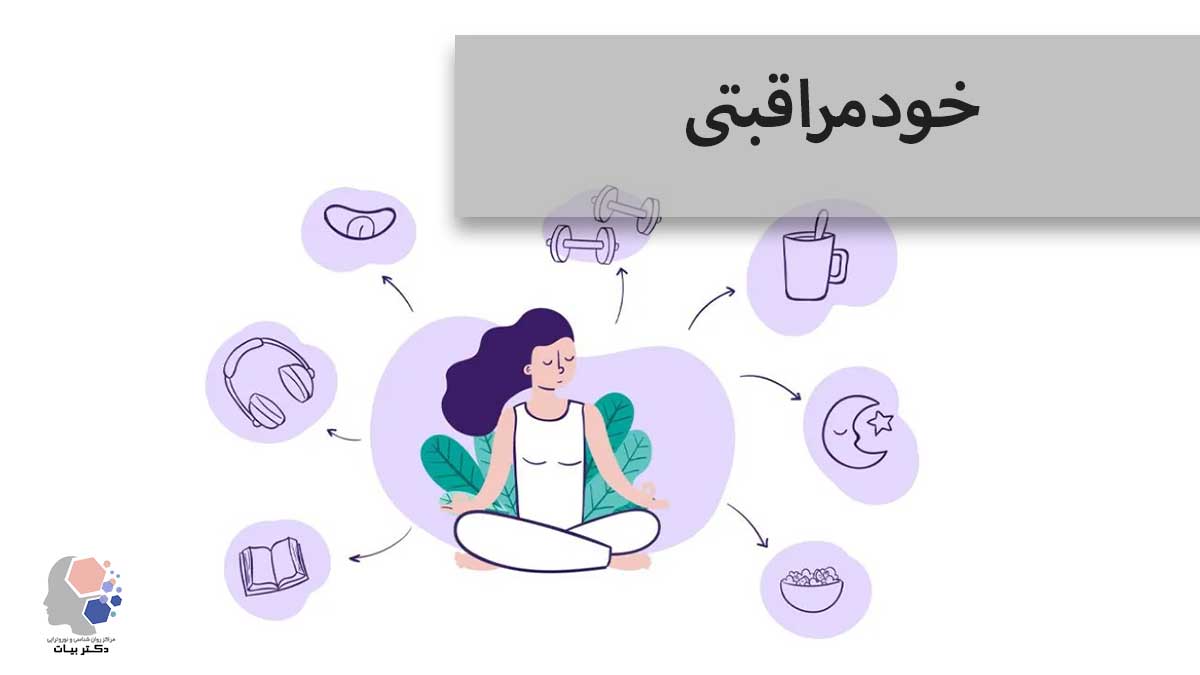
Rumination is usually intensified in times of silence and solitude. Activities such as walking, light exercise, talking with a friend, reading or creative work help the mind to get out of the cycle of repetitive thoughts. Although this method is temporary, it is very useful for immediate cessation of rumination.
6- reduction of perfectionism; Think less, live more realistically
Perfectionism is one of the hidden causes of negative rumination. When you set unrealistic standards for yourself, the mind is constantly blaming and revising. Revising expectations and accepting "being good enough" reduces mental pressure and prevents the formation of ruminating thoughts.
7- strengthening self-esteem; Protector of the mind against rumination
People with lower self-esteem are more likely to ruminate. Taking care of yourself, focusing on your strengths, paying attention to small successes and accepting past mistakes helps to strengthen self-worth and makes the mind more resistant to destructive thoughts.
8- Meditation and deep breathing; Quick relaxation of the mind
Meditation and deep breathing exercises are among the most effective ways to calm the anxious mind. These exercises are especially useful for people who ruminate at night before falling asleep, and can significantly improve the quality of sleep.
9- identification of stimuli; Prevention before the start of rumination
In order to sustainably treat rumination, it is necessary to recognize its triggers. Paying attention to what situations, feelings, or events typically trigger rumination thoughts will help you react more consciously before you enter the rumination cycle.
Rumination in itself is not a sign of weakness, but rather a learned mental habit that can be changed. By practicing the above strategies and using specialized psychotherapy if needed, getting rid of rumination is possible and attainable. If you feel that rumination is interfering with your daily life, getting professional counseling can be the starting point for a serious change.
To get an appointment, call 07136472719 and 09380578025 Take.
How to identify rumination?
Mental rumination is usually a type of thinking that is a symptom of anxiety disorders such as generalized anxiety disorder and depression disorders and has a negative effect on creating obsessional symptoms. People suffering from rumination think that by thinking a lot about an issue, they can prevent it from happening, or they can deal with it when it happens; But this thinking is wrong and they only cause disturbances in the daily and normal life of a person. By knowing the symptoms of rumination, it is possible to identify this disorder.
5 main and important symptoms of people suffering from mental rumination:
- Rumination makes you lose control of the worries inside your mind.
- At times, people suffering from rumination do not have an understanding of the present; And they constantly think about past or future events.
- Types of sleep disorders are one of the signs of rumination.
- These people usually behave like a detective and want to find a hidden meaning in every subject and issue.
- They review their conversations with others many times and look for criticism of themselves or others.

Relation between types of mental disorders and rumination
Although mental rumination is not considered a mental disorder by itself, it is closely related to a wide range of mental disorders and can lead to the aggravation and even occurrence of these disorders. These disorders include depression, anxiety, obsessive-compulsive disorder (OCD), stress, and phobia. In the following, we will examine more closely the relationship between mental rumination and each of these disorders and their effects.Depression and rumination: a vicious cycle
The relationship between depression and mental rumination is a two-way relationship. People who suffer from depression suffer from mental rumination due to the frequent experience of negative thoughts and feelings of hopelessness. This mental rumination itself aggravates the symptoms of depression and traps the person in a vicious cycle of negative thoughts. These constant thoughts about past failures, unfulfilled expectations, and feelings of self-dissatisfaction cause longer periods of depression.
Studies have shown that reducing rumination symptoms can help significantly improve depression symptoms and allow a person to make positive changes in their life instead of focusing on negative thoughts. Though rumination and obsessive compulsive disorder (OCD) have many similarities, they are different in many ways. One of the most important differences is that obsession is recognized as a formal mental disorder, while rumination is more recognized as a maladaptive thought pattern. Obsessions include repetitive and uncontrollable thoughts that are accompanied by certain behaviors. A person with OCD is forced to perform certain behaviors to reduce their anxiety, such as washing hands or constantly checking things, but in rumination, the person is also involved in repetitive thoughts, but these thoughts do not directly lead to a specific behavior. However, rumination can increase the intensity of obsessions, so that people with OCD often return to their negative thoughts and feel unable to get rid of them.
In general, lack of control over intrusive thoughts is the common denominator between rumination and obsession. One effective way to control these thoughts is to use neurofeedback obsessive-compulsive therapy, which helps people to effectively overcome intrusive thoughts. Finally, one of the common questions that arise in people's minds is what is the difference between rumination and obsession? The main difference is that in OCD, repetitive thoughts lead to specific behaviors, while in rumination, these thoughts only persist in the person's mind and no specific behavior results from them.
Stress and anxiety: increasing negative thoughts
Mental rumination is one of the obvious symptoms of disorders related to stress and anxiety. People who struggle with chronic anxiety often engage in worrying and repetitive thoughts about the future and unpleasant possibilities. These thoughts can aggravate anxiety and increase stress. In other words, rumination acts as a trigger that helps perpetuate the cycle of anxiety. This cycle can severely weaken a person's mental health over time.
People who have cognitive behavioral therapy (CBT) or neurofeedback, can cause a person to get stuck in an endless cycle of negative thoughts, which eventually leads to a person's psychological collapse.
Rumination and Phobias: Uncontrollable Fears
Specific phobia is defined as an intense and irrational fear of a specific object, situation or situation. Mental rumination in people with phobias occurs specifically in the form of repetitive and uncontrollable thoughts about fearful factors. For example, a person with a fear of closed spaces (claustrophobia) may constantly think about what would happen if they got stuck in an elevator. These repetitive thoughts can lead to the aggravation of phobia and increase of anxiety.
Destructive effects of rumination on humans
The effects of mental rumination in different stages of this mental disorder may be different. Some people may experience little to no discomfort in chronic rumination, but those who experience the disorder severely may experience dangerous and disturbing effects. In the following, the following effects are examined:
- Increased blood pressure: One of the side effects of rumination is increased blood pressure, which if not given enough importance, may increase the risk of cardiovascular diseases.
- Decreasing the activity level of people: People with rumination have less desire to do daily activities. During this disorder, a lot of thinking and analysis may replace real action and these inevitable effects affect their daily life.
- Observe masochistic or self-destructive thoughts:Rumination is effective in reducing self-confidence and increasing self-destructive thoughts. These two factors can cause masochistic thoughts and self-harm.
- Creating stress in a person: One of the first effects of rumination is an increase in stress in a person, which can lead to a sharp increase in rumination. Also, research shows that stress can be the underlying factor for the occurrence of physical diseases that may be considered as a subset of rumination complications.
Can rumination be treated without medication?
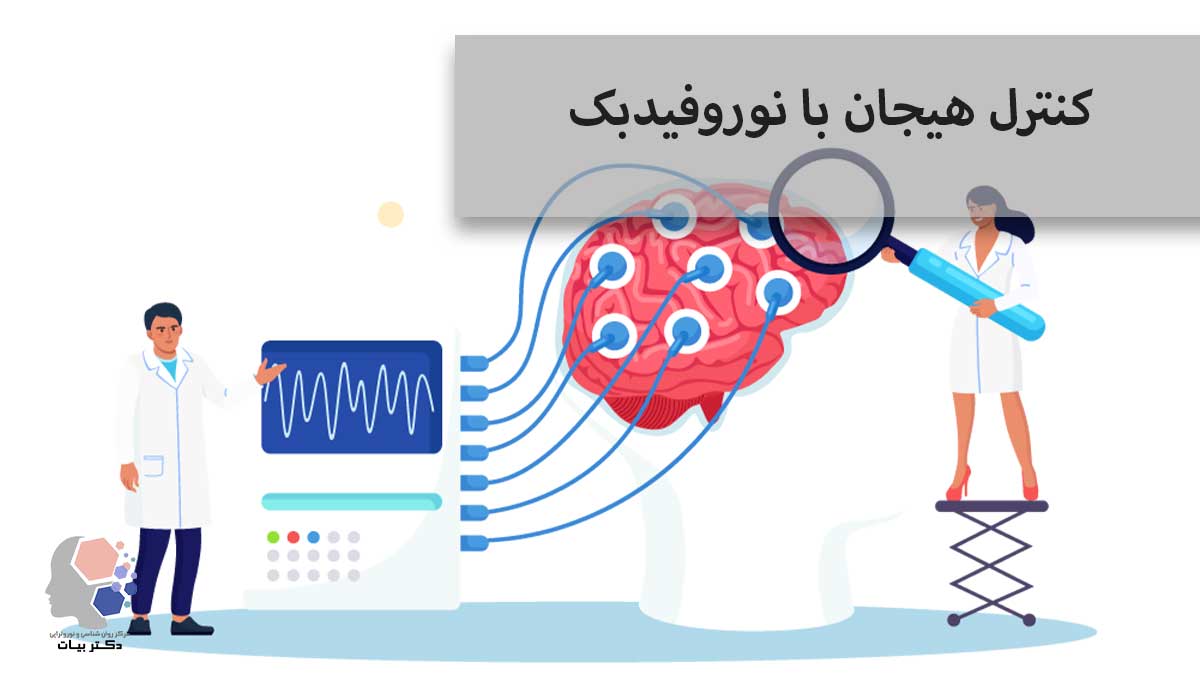
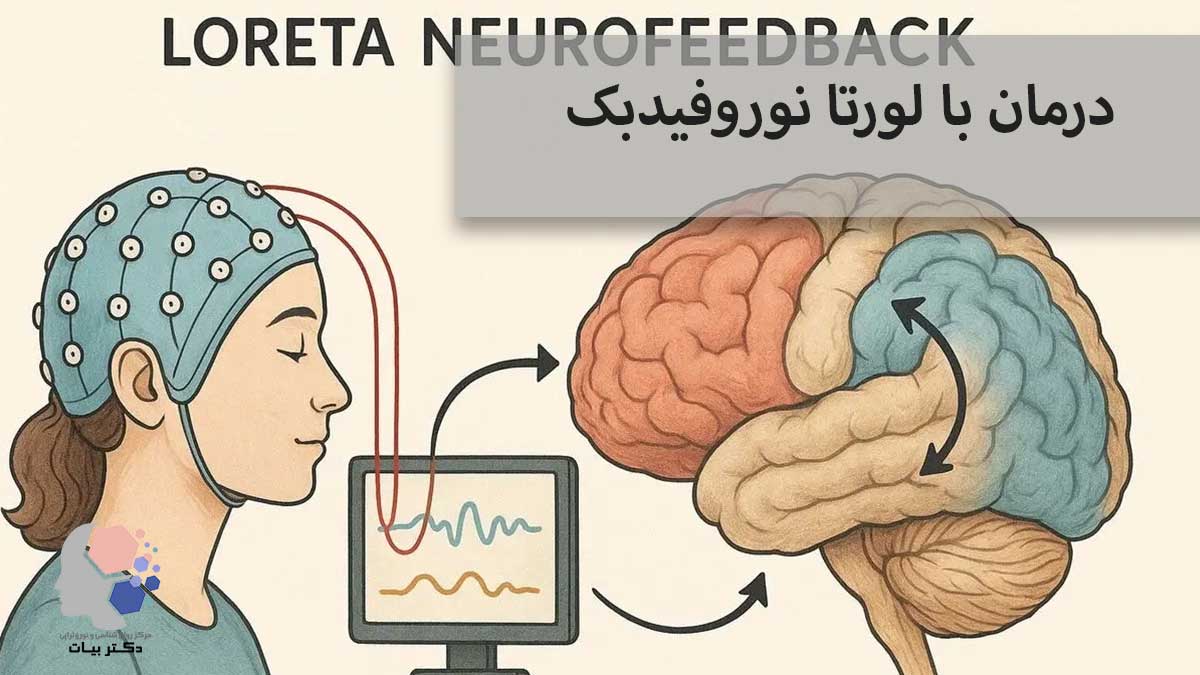
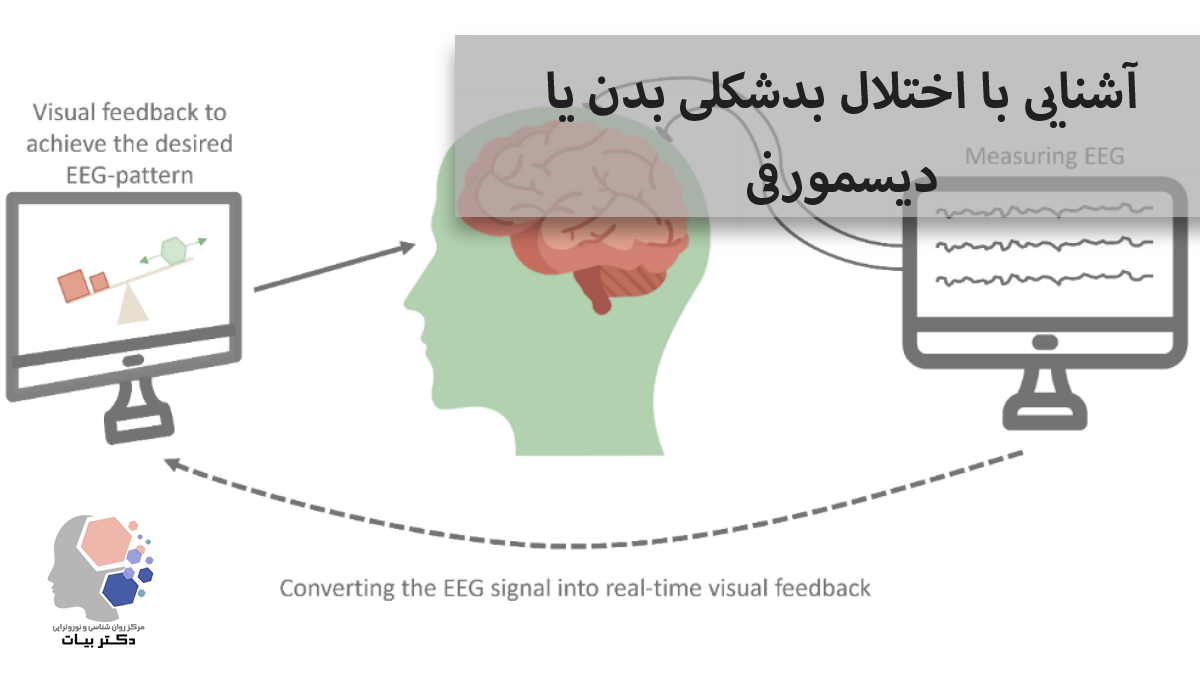
Rumination is one of the common mental problems that can have many negative effects on a person's quality of life. Many people seek non-pharmacological treatments to manage and reduce these intrusive thoughts. One of the new and effective methods in this field is neurofeedback, which is specifically used to reduce rumination. Neurofeedback is a non-pharmacological treatment that helps a person to observe and control their brain activities with the help of advanced technologies. In this method, using electroencephalography (EEG) signals, a person can observe their brain patterns and learn how to change them. These changes can help reduce rumination, as neurofeedback allows a person to actively control their thoughts and mental patterns.
Can rumination be treated without medication? The answer to this question is positive. Using methods such as neurofeedback and Loretta Neurofeedback, people can effectively reduce their rumination without the need for medication. Non-pharmacological treatments such as neurofeedback are a suitable option, especially for those looking for natural methods without side effects. In fact, neurofeedback can help people who suffer from intrusive thoughts to steer their minds in the right direction instead of getting stuck in a cycle of negative thoughts and overcome rumination by becoming more aware and in control of their brain activity. This method is especially useful for people who want to be treated without drugs.
When should you see a doctor for rumination?
If you only review and repeat your thoughts sometimes, you may not need to see a doctor. People who can control their thoughts using strategies such as exercise or mindfulness may not need medical help. However, since this condition may indicate a mental disorder, it is recommended that you investigate this issue as seriously as possible. If you observe the following rumination symptoms, it is better to see a psychiatrist:
Your daily life is affected and you have lost the ability to perform daily tasks. Also, the inability to concentrate and feel happy is also observed.
- To control your thoughts, you have turned to complicated and difficult tasks.
- The symptoms of your mental disorders have greatly increased.
- You experience thoughts related to suicide or harming yourself.

Summary
Rumination is a complex mental pattern that, if not controlled in time, can severely affect a person's mental health. This thought pattern, especially in interaction with disorders such as depression, anxiety, obsession and stress, can cause more problems for a person. Fortunately, psychological treatments such as cognitive-behavioral therapy, neurofeedback and expert counseling help people get out of this negative cycle and achieve healthier and more positive thought patterns. If you too suffer from rumination, it's time to take action to change. Working with an experienced psychologist can put you on the road to recovery and help you gain more control over your mind and emotions.
If you want to break free from rumination and calm your mind, start practicing simple mindfulness today. To get advice and practical solutions that will help you get out of rumination, get Bayat with the best psychological center and Loretta Neurofeedback in Shiraz managed by Dr. Hossein Bayat and join the group of people who have saved their lives from mental pressure.
Source used in this article:
Reflection on Rumination: Consequences, Causes, Mechanisms, and Treatment of Rumination
https://www.health.harvard.edu/mind-and-mood/how-to-stop-ruminating
https://www.nimh.nih.gov/health/topics/depression
Frequently Asked Questions
1_ What is rumination?
This disorder means analyzing, analyzing and thinking too much about negative experiences and feelings that may have happened to us in the past.
2_ There is a two-way relationship between this disease and which mental disorders?
Mental disorders such as severe depression, stress and anxiety, obsession and schizophrenia can be caused by severe mental rumination and can also cause mental rumination.
3_ How can rumination be treated using act psychology?
Mindfulness is one of the stages of act psychology, which makes the mind think about the present and accept and overcome unpleasant thoughts.