
What is drug-induced liver disease? Gastroenterologist in Mashhad Dr. Mehdi Afzal Aghaei
 Types of liver disease
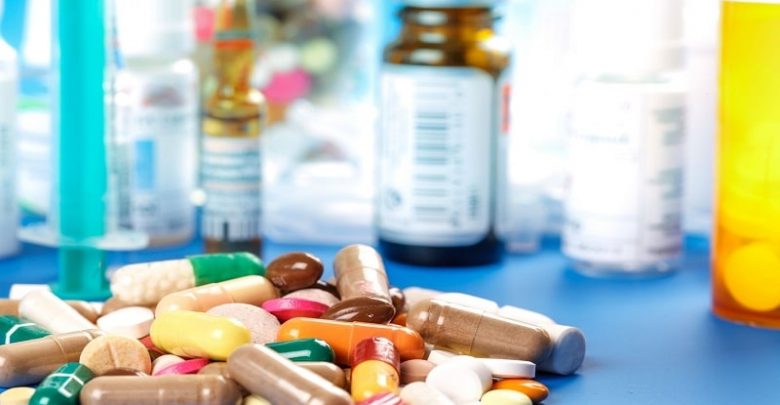
Drug-induced liver diseases are diseases caused by the use of prescription drugs, over-the-counter drugs, vitamins, hormones, herbs, over-the-counter drugs (such as narcotics), and environmental toxins.
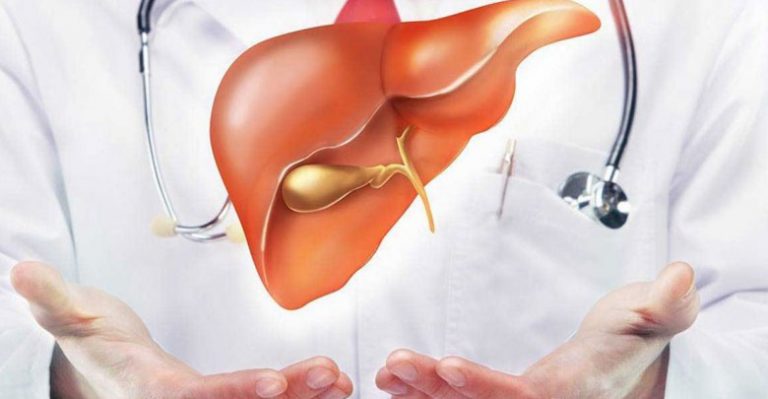
What is the liver?
- The liver is an organ located on the upper right side of the abdomen and more behind the chest.
- The liver produces bile and secretes it into the intestine, where bile helps digest dietary fat.
- The liver helps purify the blood by converting harmful chemicals into harmless substances. The source of these harmful chemicals can be outside the body (for example, drugs or alcohol), or inside the body (for example, ammonia, which is produced from the breakdown of proteins, or bilirubin, which is produced from the breakdown of hemoglobin).
- The liver removes chemicals from the blood (usually turning them into harmless chemicals) and then secretes them into the bile for excretion in the stool, or re-secretes them into the blood, and finally they are removed by the kidneys and excreted in the urine.
- The liver produces many important substances, especially proteins that are necessary for good health. For example, it produces proteins such as albumin (a protein that carries other molecules through the bloodstream) as well as proteins that cause blood to clot.
When medications damage the liver and disrupt its normal function, signs, symptoms, and blood tests show abnormal liver function. Drug-induced liver diseases are similar to liver diseases caused by other factors such as viruses and immunological diseases.
For example, drug-induced hepatitis (inflammation of liver cells) is similar to viral hepatitis. Both diseases can increase the level of enzymes that are secreted from the damaged liver and leak into the blood, as well as cause loss of appetite, fatigue and nausea.
Drug-induced cholestasis (interference with bile flow caused by damage to the bile ducts) can be similar to autoimmune liver disease cholestasis (such as primary biliary cirrhosis) and may lead to increased blood bilirubin levels.
What are the signs and symptoms of liver disease?
Patients with mild liver disease may have few or no signs or symptoms. People with chronic diseases show signs and symptoms that may be non-specific or specific.
Non-specific symptoms (symptoms that are also seen in other disorders) include:
- Fatigue
- weakness
- Vague abdominal pain
- Loss of appetite.
Symptoms and symptoms that are specific to liver diseases are:
- Yellowing of the skin (jaundice) due to the accumulation of bilirubin in the blood
- Itching with liver disease
- Bruising due to reduced production of blood coagulation factors by the patient's liver.
Severe and advanced liver disease with cirrhosis can cause signs and symptoms related to cirrhosis. These symptoms include the following:
Drugs can cause liver disease in different ways. Some drugs directly damage the liver. Others are converted by the liver into chemicals that can directly or indirectly damage the liver. There are three types of hepatotoxicity: Drugs that cause dose-dependent toxicity can cause liver disease in most people if they consume enough of the drug. The most important example is the overdose-related toxicity of acetaminophen (Tylenol), which will be discussed later. Drugs that cause specific toxicity cause disease in only a small number of patients who have inherited specific genes that control the chemical transformation of that specific drug and cause the accumulation of the drug or its products (metabolites) that are harmful to the liver. These specific inherited toxicities are usually rare, occurring in less than 1 to 10 of every 100,000 patients taking that drug, depending on the drug. However, with some drugs the incidence of toxicity is much higher. Although the risk of developing specific drug-induced liver disease is low, specific liver disease is the most common form of drug-induced liver disease because tens of millions of patients are taking drugs and many of them are using multiple drugs. Diagnosis of specific drug toxicity is difficult in early clinical trials, which typically include a few thousand patients at most. Specific toxicity only appears when millions of patients start receiving the drug after it is approved by the FDA.How do drugs cause liver disease?
Drug allergy may also cause liver disease. In drug allergy, liver inflammation and liver damage occurs when the body's immune system attacks drugs with antibodies and immune cells.
What types of liver diseases do drugs cause?
Drugs and chemicals can cause a wide range of liver damage, such as the following:
- Slight increase in the blood level of liver enzymes without symptoms of liver disease
- Hepatitis (inflammation of liver cells)
- Necrosis (death of liver cells), often caused by more severe hepatitis
- Cholestasis (decreased secretion or flow of bile)
- Steatosis (accumulation of fat in the liver)
- cirrhosis (advanced scarring of the liver) as a result of chronic hepatitis, cholestasis or fatty liver
- Mixed disease, for example, both hepatitis and hepatocellular necrosis, hepatitis and fat accumulation, or cholestasis and hepatitis.
- Fulminant hepatitis with severe life-threatening liver failure
- Blood clots in liver veins
- Increasing the level of liver enzymes in the blood
Many drugs cause a slight increase in the level of liver enzymes in the blood without signs or symptoms of hepatitis. AST, ALT and alkaline phosphatase are enzymes that are normally found in liver cells and bile ducts. Some drugs can cause these enzymes to leak from the cells into the blood and thus increase the blood level of the enzymes.
Examples of drugs that increase liver enzymes in the blood include:
- Statins (used to treat high blood cholesterol levels)
- some antibiotics
- Some antidepressants (used to treat depression)
- And some drugs used to treat diabetes, tacrine, aspirin and quinidine.
Because these patients usually experience no signs or symptoms, elevated liver enzymes are usually discovered when a blood test is performed as part of an annual physical examination, as a preoperative screening, or as part of periodic monitoring for drug toxicity.
Usually, these abnormal levels return to normal shortly after stopping the drug, and there is usually no long-term liver damage. With some medications, low levels of liver enzymes are common and do not appear to be related to significant liver disease, and the patient may continue to take the medication.
- Acute and chronic hepatitis
Some drugs can cause acute and chronic hepatitis (inflammation of liver cells) which can lead to necrosis (death) of cells. Acute drug-induced hepatitis is hepatitis that lasts less than 3 months, while chronic hepatitis lasts more than 3 months. Acute drug-induced hepatitis is much more common than chronic drug-induced hepatitis.
Common symptoms of drug-induced hepatitis include:
- Loss of appetite,
- Nausea,
- Vomiting,
- Fever,
- Weakness,
- Fatigue
- Abdominal pain
In more serious cases, patients may have dark urine, fever, light-colored stools, and jaundice (yellowing of the skin and whites of the eyes). Patients with hepatitis usually have high levels of AST, ALT and bilirubin in the blood.
Acute and chronic hepatitis usually resolve after stopping the drug, but sometimes acute hepatitis can be severe enough to cause acute liver failure, and chronic hepatitis can rarely lead to permanent liver damage and cirrhosis.
Examples of drugs that can cause acute hepatitis include:
- Acetaminophen (Tylenol)
- Phenytoin (Dilantin)
- Aspirin Isoniazis
- Diclofenac
- Amoxicillin
- clavulanic acid
Examples of drugs that can cause chronic hepatitis include:
- Minocycline (Minocin)
- Nitrofurantoin (Foradantin, Macrodantin)
- Phenytoin (Dilantin)
- Propyl thiouracil
- Fenofibrate (Tricor)
- Methamphetamine (ecstasy)
- Acute liver failure
Rarely, drugs cause acute liver failure (fulminant hepatitis). These patients are critically ill with symptoms of acute hepatitis and the additional problems of confusion or coma (encephalopathy) and bruising or bleeding (blood clotting). In fact, 40 to 70 percent of people with fulminant hepatitis die, depending on the cause of the disease. In America, acetaminophen (Tylenol) is the most common cause of acute liver failure.
- Cholestasis
Cholestasis is a condition in which the secretion or flow of bile is reduced. Bilirubin and bile acids, which are usually secreted into bile by the liver and excreted from the body through the intestine, accumulate in the body, respectively, which leads to jaundice and itching.
Drugs that cause cholestasis usually interfere with the secretion of bile in liver cells without causing hepatitis or liver cell necrosis (death). Patients with drug-induced cholestasis usually have high blood bilirubin levels, but normal or mildly elevated AST and ALT levels.
Blood levels of alkaline phosphatase (an enzyme made by the bile ducts) increase because the bile duct cells are also dysfunctional and leak the enzyme. Apart from itching and jaundice, patients are usually not as ill as patients with acute hepatitis.
Examples of drugs that have been reported to cause cholestasis include:
- Erythromycin
- Chlorpromazine
- Sulfamethoxazole and trimethoprim
- Amitriptyline
- Carbamazepine (Ampicill; Policillin; Principe)
- Ampicillin/clavulanic acid (Augmentin)
- Rifampin (Rifadin)
- Estradiol (Estras; Calimara; Estraderm; Monostar)
- Captopril (Capoten)
- Contraceptive pills (oral contraceptives)
- Anabolic steroids
- Naproxen
- Amiodarone (Cordarone)
- Haloperidol (Haldol)
- Imipramine (Tofranil)
- Tetracycline (acromycin)
- Phenytoin (Dilantin).
Most patients with drug-induced cholestasis recover completely within a few weeks after stopping the drug, but in some patients, jaundice, itching, and abnormal liver tests can persist for months after stopping the drug. An occasional patient may develop chronic liver disease and liver failure. Jaundice and cholestasis caused by medicine that lasts more than 3 months is called chronic cholestasis.
- Steatosis (fatty liver)
The most common causes of fat accumulation in the liver are alcohol addiction and non-alcoholic fatty liver disease (NAFLD) associated with obesity and diabetes. Medications may cause fatty liver with or without associated hepatitis. Patients with drug-induced fatty liver may have few or no symptoms. They usually have mild to moderate elevations in blood ALT and AST levels and may also develop an enlarged liver. In severe cases, drug-induced fatty liver can lead to cirrhosis and liver failure.
Drugs that cause fatty liver include:
- Methotrexate (Rheumatrex)
- Griseofulvin (grifulvin V)
- Tamoxifen (Nolvadex)
- Steroids
- Valproate
- Amiodarone (Cordarone)
In certain circumstances, fatty liver alone can be life-threatening. For example, Reye's syndrome is a rare liver disease that can cause fatty liver, liver failure, and coma. It is believed to occur in children and adolescents with the flu when taking aspirin. Another example of serious fatty liver is caused by high doses of intravenous tetracycline or amiodarone. Some medicinal plants, for example, the Chinese herb ginseng bohuan, which is used as a pain reliever, can also cause serious fatty liver.
- Cirrhosis
Chronic liver diseases such as hepatitis, fatty liver or cholestasis can lead to necrosis (death) of liver cells. The most common example of drug-induced cirrhosis is alcoholic cirrhosis. Examples of drugs that can cause chronic liver diseases and cirrhosis include:
- Methotrexate (Rheumatrex)
- Amiodarone (Cordarone)
- Methyldopa (Aldomet).
- Hepatic vein thrombosis
Normally, blood from the intestines reaches the liver through the portal vein, and the blood that leaves the liver towards the heart passes through the hepatic veins into the inferior vena cava (a large vein that drains to the heart).
Some drugs can cause the formation of blood clots (thrombosis) in the hepatic veins and inferior vena cava. Thrombosis of the hepatic vein and inferior vena cava can lead to enlarged liver, abdominal pain, accumulation of fluid in the abdomen (ascites), and liver failure. This syndrome is called Boude-Chiari syndrome.
The most important drugs that cause Boude-Chiari syndrome are birth control pills (oral contraceptives). Birth control pills can also cause a related condition called veno-occlusive disease, in which blood clots in only the smallest veins of the liver. Pyrrolizidine alkaloids in certain plants (eg, borage, comfrey) can also cause venous occlusive disease.
Suggested study: What we should know about fatty liver disease
How does a doctor diagnose drug-induced liver disease?
Diagnosis of drug-induced liver diseases is often difficult. Patients may have no symptoms of liver disease or only mild and non-specific symptoms. Patients may take several drugs, in which case it is difficult to identify the drug causing the disease. Also, sick people may show other potential signs of liver diseases such as non-alcoholic fatty liver disease and alcoholism.
Diagnosis of liver disease is based on the patient's symptoms (such as loss of appetite, nausea, fatigue, itching and dark urine), physical examination findings (such as jaundice, liver enlargement) and abnormal laboratory tests (such as blood levels of liver enzymes or bilirubin and blood clotting time). If a patient has abnormal liver signs, symptoms, or tests, doctors try to decide whether the drug(s) are causing the liver disease by doing the following:
- Take a detailed history of alcohol consumption to exclude alcoholic liver disease.
- Perform a blood test to rule out hepatitis B and hepatitis C and to rule out chronic liver diseases such as autoimmune hepatitis and primary biliary cirrhosis.
- Using an abdominal ultrasound or CT scan of the liver to rule out gallbladder disease and liver tumors.
- Take a detailed history of use – especially recent initiation of medications commonly associated with liver disease.
Drug-induced liver disease treatment methods
The most important treatment for drug-induced liver disease is to stop taking the drug that causes the liver disease. In most patients, the signs and symptoms of liver disease resolve, blood tests become normal, and long-term liver damage does not occur. However, there are exceptions.
For example, overdose of Tylenol with oral N-acetylcysteine is suggested to prevent necrosis and acute liver failure. A liver transplant may be necessary for some patients with acute liver failure. Some drugs can also cause irreversible liver damage and cirrhosis. You can contact us for more information and advice. href="http://www.facebook.com/sharer.php?u=https://dr-afzalaghaie.ir/what-is-drug-induced-liver-disease/"> Facebook Twitter LinkedIn Pinterest WhatsApp Telegram Viber Share by email 
content production team
similar articles

constipation What is it and what are its causes?
2019-06-23 
What we should know about fatty liver disease
2021-02-11 
Learn more about upper endoscopy in the doctor's office
2019-01-30 
Hepatitis C Treatment – Part II
2019-02-25 Write your opinion Cancel response
See also
Close






