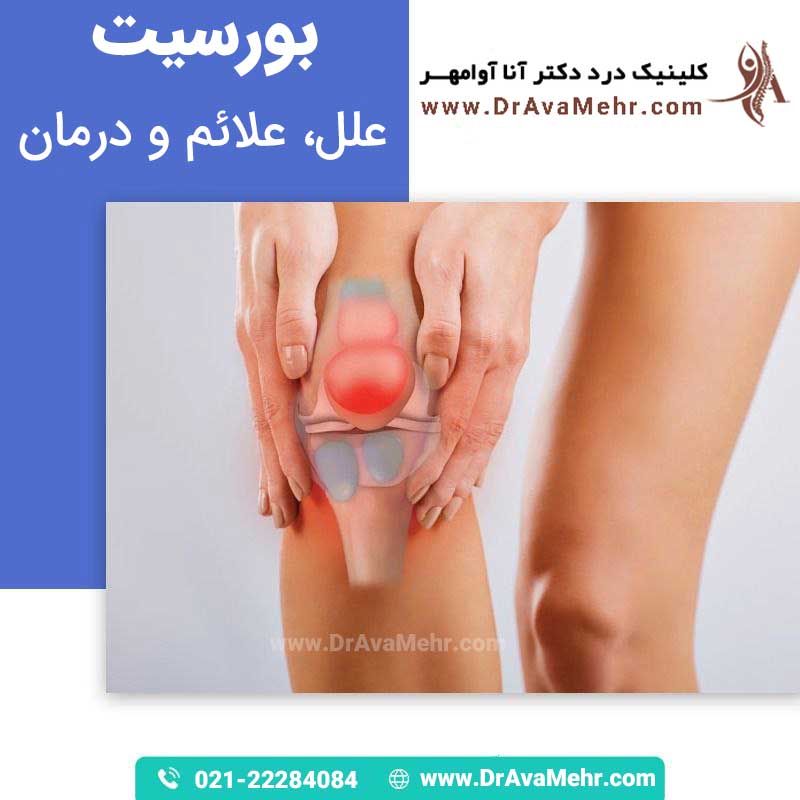

Bursitis is a painful swelling that usually occurs around the joints. It is common in shoulders, elbows, knees and feet. If you have a job or hobby that puts a lot of pressure on your joints, you are more likely to get it.
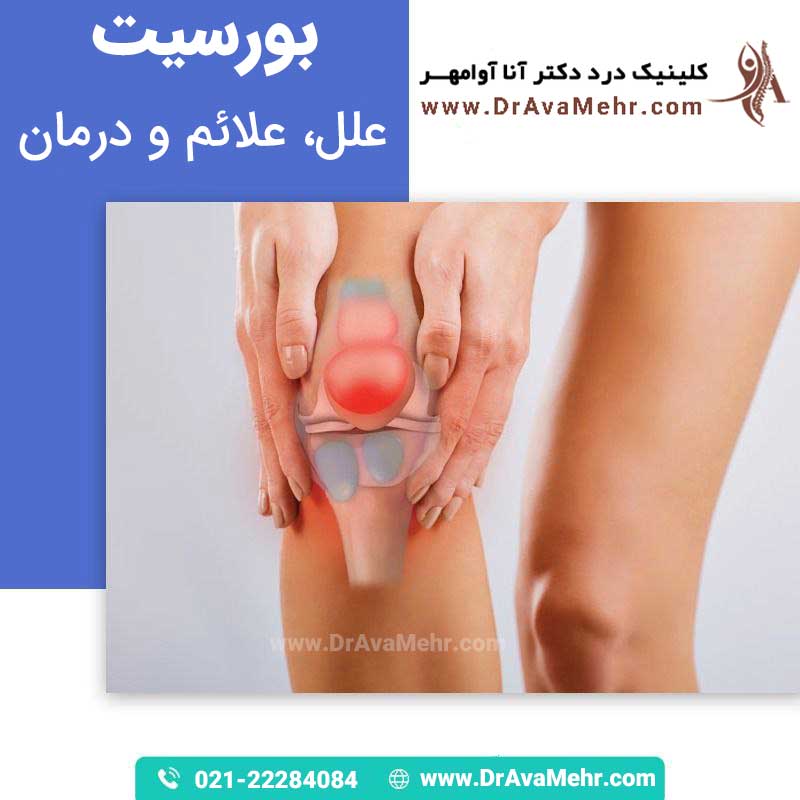
Bursitis is a painful swelling in a small fluid-filled sac called a bursa. Bursae (plural of bursae) create cushioned spaces around bones and other tissues. They are like a bubble wrap that protects structures throughout your body. Bursae maintain the spaces between the bones and the body:
- Muscles
- Tendons
- skin
Bursitis occurs when the bursa becomes irritated and swollen. The most common causes of bursitis are overuse and excessive pressure on the bursa. The pain caused by an inflamed bursa may occur suddenly or develop over time.
Types of bursitis
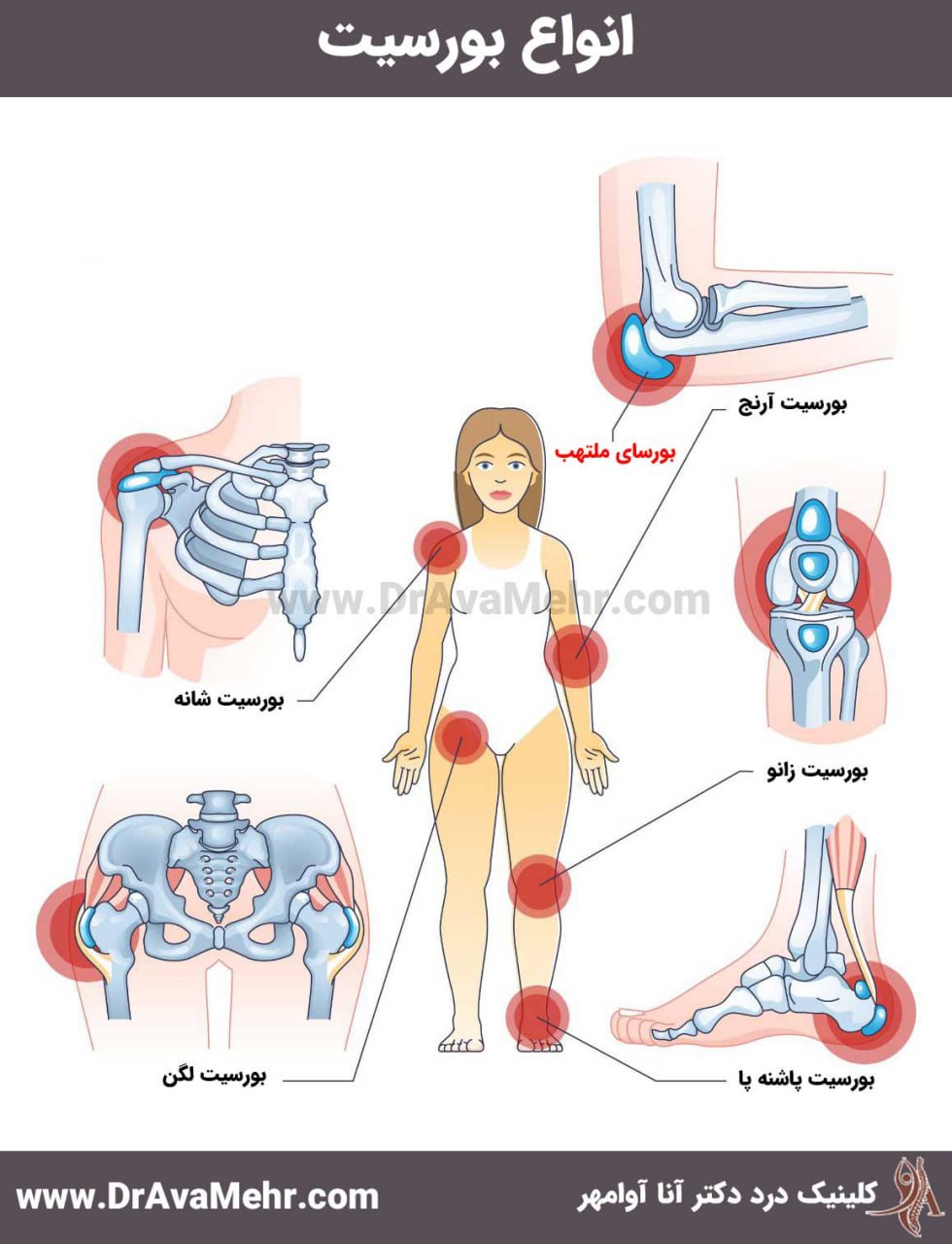
There are more than 150 bursae in your body. Bursitis can affect any of them. You're more likely to develop bursitis in joints you use for repetitive motions or in places where you put a lot of pressure, including:
- Shoulders (subacromial bursitis).
- Elbow (elbow bursitis - sometimes called miner's elbow or barfly's elbow).
- Knees (pre-patellar bursitis - housemaid's knee).
- Feet (especially near the heel, big toe or ball of the foot).
- Kefles (ilioptineal or trochanter bursitis).
- Seat (Ischial bursit or weavers' seat).
Healthcare providers may refer to different types of bursitis by a specific name, but they all have the same problem – swelling in and around the bursa.
The most common symptoms of bursitis are:
- Pain, especially when you move the affected part of your body.
- Limited range of motion (how far you can move a body part).
- Swelling.
If you have an infection that causes bursitis, you may also have other symptoms, including:
- Change in color or redness on the skin.
- Feeling heat or heat.
- Feb.
- Shiver.
Repetitive motions – such as throwing a baseball or lifting heavy boxes at work – commonly cause bursitis. Spending time in positions that put pressure on certain parts of your body (like kneeling) can also cause it.
In rare cases, injuries and infections can also cause bursitisActivities that can lead to bursitis include:
- Carpentry.
- Gardening and sandblasting.
- Painting.
- Improper position or bad condition of the joint or bone (due to different leg lengths, bone spurs or arthritis in the joint).
- to sweep.
- Shoveling.
- Doing sports like tennis, golf and baseball.
- Playing an instrument.
Risk factors of bursitis class="ez-toc-section-end">
Anyone can experience bursitis. People who are more susceptible to it are:- athletes.
- People who do physical work or manual work.
- Musicians.
People with certain medical conditions are at higher risk of bursitis, including:
- Arthritis (especially inflammatory arthritis such as gout and psoriatic arthritis).
- Diabetes.
- Thyroid disease.
A physical medicine specialist diagnoses bursitis with a physical exam. They will ask you about your symptoms and examine the area around the affected body part. Tell your doctor what you were doing before you first started experiencing symptoms and whether your job or hobby requires you to perform a repetitive motion.
What tests are performed to diagnose bursitis?
The doctor may use some tests to diagnose bursitis, including:
- X-rays to detect other problems
- Ultrasound or MRI (magnetic resonance imaging) to detect swollen bursae.
- Blood test to check for infection.
- Aspiration (fluid sampling) of the affected bursa if it is thought to be infected.
What is the way to treat bursitis?
Usually rest is all you need to treat bursitis. Avoid activities or situations that trigger your bursa.
Resting from activities that stress that part of your body gives it time to heal and prevent further injury. Ask your doctor how long you need to rest and avoid physical activities.
The doctor may suggest home remedies to reduce pain and swelling while the bursa heals:
- Elevate the affected area.
- Take over-the-counter (OTC) pain relievers such as ibuprofen, naproxen, or acetaminophen. You should not take painkillers for more than 10 consecutive days without consulting your doctor. Put ice on that part. Apply a cold compress or ice pack wrapped in a thin towel to the area for 15 minutes at a time several times a day.
- Warm the area (for example, use a heating pad or a hot water bottle wrapped in a towel). The doctor may suggest alternating ice and heat.
- Use a splint, strap or brace to hold the injured area.
Most cases of bursitis will improve on their own with rest and home remedies. But your doctor may recommend other treatment options, including:
- If you have an infection, take antibiotics.
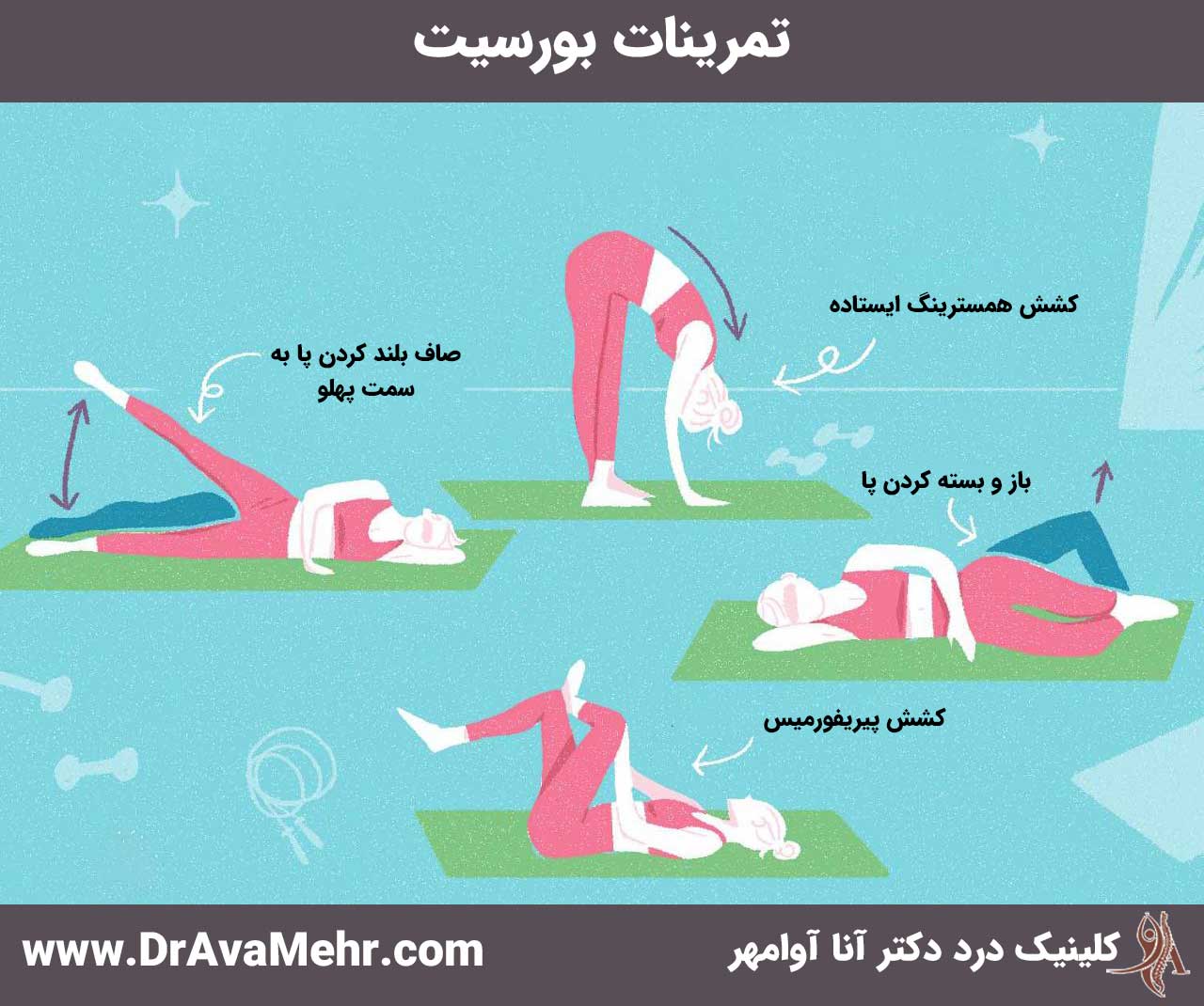
- Physiotherapy to increase range of motion.
- Occupational therapy to learn how to move in a way that does not put pressure on the area.
- Corticosteroid injection to reduce inflammation and pain.
- Surgery to remove the bursa if other treatments have not worked and you continue to have symptoms for six months or more.

How can I prevent bursitis?
The best way to prevent bursitis is to avoid putting too much pressure on the body. To prevent bursitis:
- Learn proper posture or technique for sports or work activities.
- Do new sports or activities to prevent injury.
- Avoid sitting or kneeling too much. These positions put a lot of pressure on your joints.
- Use a pillow and knee brace when knee or lean on your elbow.
- If you are doing a repetitive task, take a break.
How long does bursitis usually last?
Bursitis is usually short-lived. Most people recover within a few weeks. Follow your doctor's advice and do not resume your physical activities until the bursa has healed. Even if your pain improves, putting pressure on your bursa before it's fully healed increases your risk of re-injury.
Should I take a break from work or school while recovering from bursitis?
If a repetitive motion that is part of your job or education causes bursitis, you may need to take time away from work or school while you recover. Tell your doctor about your normal routine and they will explain which parts of it you should change or rest while the injured bursa rests.
What happens if bursitis is not treated?
The longer you put pressure on the injured bursa, the longer it will take to heal. It also increases the risk of chronic bursitis (bursitis that comes and goes in the same area).
Chronic bursitis
You can get bursitis more than once in the same area. When you have repeated episodes of bursitis, it is considered a chronic (long-term) condition. Bursitis may come and go. The same type of irritation that caused the initial inflammation can trigger a new episode. Starting over may damage the bursa and reduce your mobility in that joint.
See a doctor if you have any of the following symptoms:
- Pain that interferes with your daily activities.
- Pain that does not improve within a few days with home treatment.
- Bursitis that recurs (recurs).
- Feb.
- Change in color or redness, swelling or feeling of warmth in the affected area.
What questions should I ask my doctor?
- Which type of bursitis do I have?
- Will I need any tests?
- Which treatments will I need?
- How long do I need to rest?
- When can I resume sports or other physical activities?
Frequently asked questions
What is the difference between bursitis and arthritis?
Arthritis and bursitis both affect your joints. Bursitis is usually a short-term problem caused by overuse or excessive pressure on the bursa surrounding a joint. It won't cause long-term damage unless you apply pressure to the area.
Arthritis occurs when joint cartilage wears down over time. Arthritis is usually a long-term disease that you have to manage for the rest of your life.
What is the difference between bursitis and tendonitis?
Bursitis and tendonitis are both painful conditions that occur when tissue in your body becomes irritated and inflamed. Bursitis is inflammation in one or more bursae.Tendonitis is inflammation or irritation of the tendon. Tendons are pieces of connective tissue between muscles and bones. Tendonitis can be acute (short-term) or chronic (long-term).
Performing a repetitive activity can cause bursitis and tendonitis – such as performing the same movements for a sport or repeatedly using the same body part for physical work.
Bursitis is painful and it can be frustrating to find out that your favorite job or hobby is causing damage to your body. The good news is that bursitis is usually preventable. The first step is to find out which movements are triggering.
Spine and physical medicine specialist Dr. Anna Avamehr will help you find treatments that will help your damaged bursae and find solutions to prevent bursitis in the future. Don't rush your recovery, rest as long as your doctor suggests. It can be annoying to skip exercise or an activity you're used to doing every day, but it's important to give your body all the time it needs to recover.