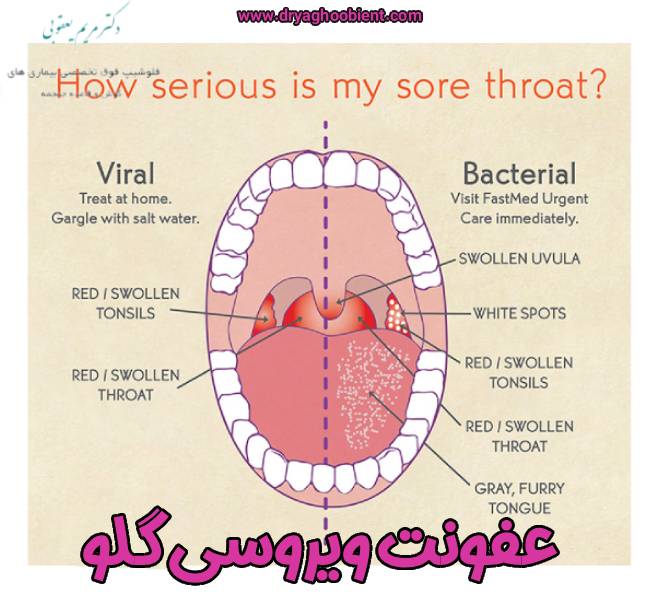
What is a viral throat infection? | The difference between viral and bacterial throat infection

Dr. Maryam Yacoubi
تهرانOtorhinolaryngology and skull base specialist
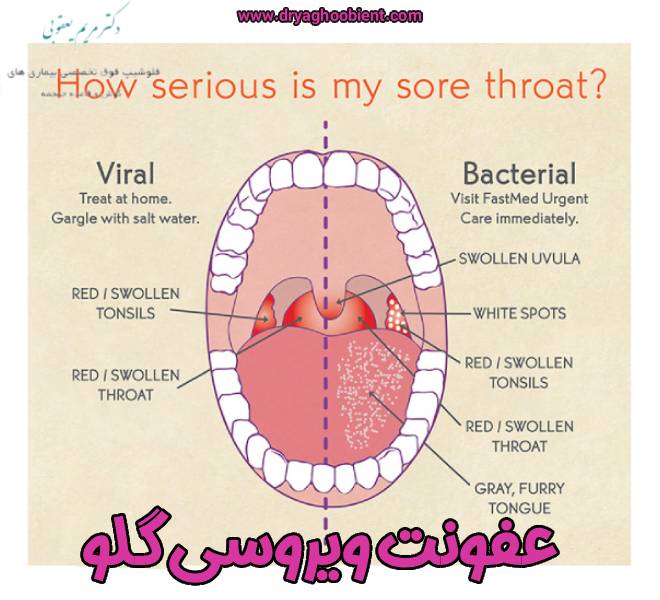
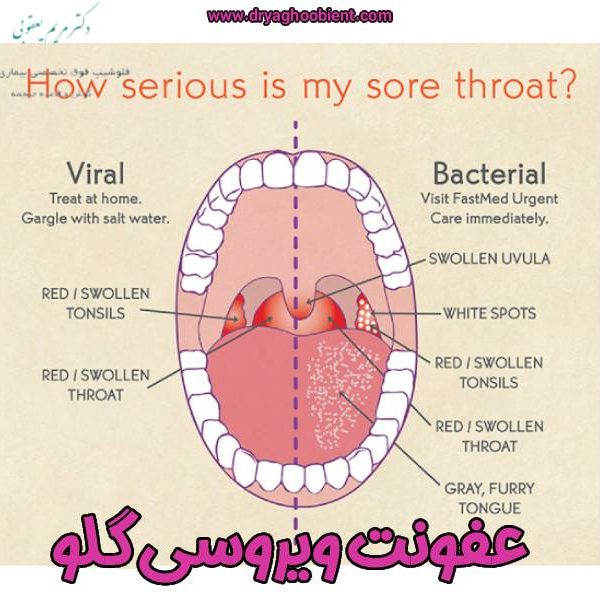
What is a viral infection?
Viruses are very small particles that are hundreds of times smaller. They are bacteria and fungi. By entering the cells of the body, these pathogenic agents disrupt the normal processes of the cell and use it for their reproduction. As a result, the cell loses its normal function and only helps the virus to spread further. Fortunately, most viruses only target certain cells. For example, respiratory viruses usually attack the cells of the mucous membrane of the respiratory tract. The immune system usually produces antibodies against these viruses within 3 to 7 days, and the symptoms of the disease gradually subside. However, the main danger during a viral infection is the formation of a lot of mucus in the mucous membrane, which can be a suitable environment for the growth of bacteria. This increases the possibility of secondary bacterial infections. For this reason, timely diagnosis and treatment of a viral throat infection is very important.
Symptoms of a viral throat infection
The symptoms of this type of infection vary depending on the virus that causes it, but the most common symptoms include:
- a gradual sore throat that usually lasts 2 to 7 days.
- a mild fever that In certain cases, such as Epstein-Barr virus or cytomegalovirus, it may be more severe.
- Fatigue and lethargy that lasts even weeks in some viruses.
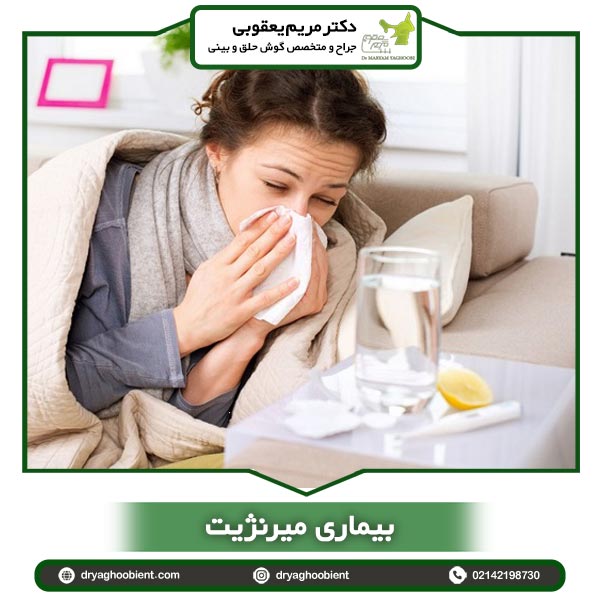
- Respiratory symptoms such as runny nose, nasal congestion, cough and sneezing.
- Eye or skin symptoms such as pinkness around the eyes or skin rashes in some patients.
In children, infection Coxsackie A virus can cause blisters on the hands, feet and inside the mouth. In adults with HIV, there is also a possibility of painful sores in the mouth.
In contrast, in bacterial sore throat, the onset of symptoms is sudden, the fever becomes more severe, and it is usually accompanied by severe pain and swollen tonsils. In this case, it can be a sign of Home remedies for viral throat infection
Most cases of viral sore throat do not require special drug treatment and can be controlled with simple care at home. During this period, adequate rest is very important because the body spends a lot of energy to fight the virus. Some of the best home remedies are:
- Using mild pain relievers to reduce pain and inflammation.
- Drinking warm liquids such as herbal tea, soup, and hot lemon juice.
- Using cool foods such as ice cream to reduce throat inflammation.
- Gargling with lukewarm salt water several times a day to disinfect and reduce inflammation.
- Using incense or moist Air conditioner to prevent dry throat caused by viral throat infection.
- Avoid cigarette smoke and chemical stimulants that irritate the throat membrane.
- Consumption of special candies for sore throat (for children over 4 years old).
Medical treatment of viral throat infection
If the symptoms of the disease are severe or prolonged, it is necessary to see a doctor. Especially in cases where the patient has high fever, chest pain, breathing problems or severe fatigue. After the examination, the doctor may prescribe antiviral drugs or symptom control drugs. In the acute period of the disease, which is usually the first three days, the body fights the virus by producing antibodies. During this period, the following actions should be taken:
- Consumption of antiviral drugs if needed.
- Fever control with antipyretic drugs if the temperature rises above 38.5 degrees.
- Drinking plenty of fluids to prevent dehydration caused by a viral throat infection.
- Light and nutritious nutrition to strengthen the immune system.
- Using topical treatments such as Gargle or nasal drops to relieve symptoms.
A few important points in the treatment of a sore throat should not last more than two to three days slow If the symptoms persist or worsen, you should see a doctor immediately.
Conclusion
Viral throat infection is one of the most common causes of sore throat in children and adults. This disease often recovers without the need for antibiotics and only with rest and home care. However, ignoring symptoms or incorrect treatment can lead to secondary infections and serious complications. Therefore, if severe or long-term symptoms are observed, it is necessary to see a doctor. Knowing the difference between viral and bacterial sore throat, observing personal hygiene and strengthening the body's immune system is the best way to prevent and manage this common disease. elementor-element-72f24028 e-con-full e-flex e-con e-child" data-id="72f24028" data-element_type="container" data-settings='{"background_background":"classic"}'>