The latest dental imaging technologies and their benefits - Dentistry

Dr. Bahare Sepahrian
TehranSurgeon - dentist

 Table of contents
Dental imaging has undergone a great transformation in the last decade. If in the past the only diagnostic tool was simple radiography with film, today digital, 3D and even laser technologies have come to the aid of dentists to make disease diagnosis more accurate, treatments faster and patient experience easier.
These advances have not only caused problems such as caries, bone loss and dental plaque to be identified in the early stages, but also the quality of treatments such as Implants, orthodontics and jaw surgery have also been improved. In this article, we review the latest dental imaging technologies with details and benefits of each.
1. Digital Radiography (Digital Radiography)
Introduction
Digital radiography has replaced traditional film methods. In this method, instead of photographic film, digital sensors are used that transmit the image directly to the computer system.
Advantages
- Radiation reduction up to 80% compared to the traditional method, which is much safer for sensitive patients or children.
- Viewing the image at the same moment, without the need to show the movie.
- Possibility of zooming, changing contrast and color for more detailed examination of decay or fracture.
- Easy storage in the patient file and immediate sending for consultation with other specialists.
Applications
- Diagnosis of interdental caries
- Examination of the condition of the jaw bone before implant placement
- Following root treatments and fillings

2. CBCT (Cone Beam Computed Tomography)
Introduction
CBCT is a special type of CT scan for dentistry that provides three-dimensional images with very high accuracy.
Advantages
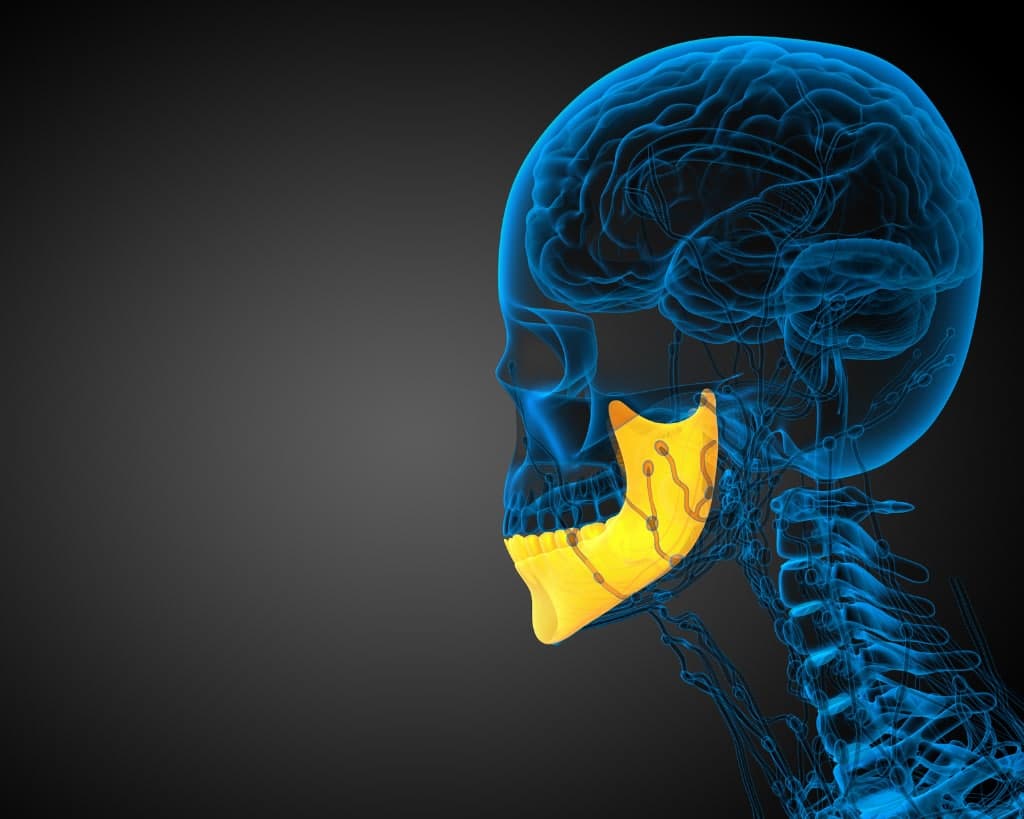
- 3D display of the jaw, teeth, neural canals and sinuses with high resolution
- Helping to accurately design the implant site with millimeter measurement
- Assessment of jaw bone volume and density
- reducing the need for exploratory surgeries
Applications
- Implant and orthognathic surgeries
- Complex root canal treatment with curved canals
- Investigation of complex jaw fractures
3. Intraoral Camera (Intraoral Camera)
Introduction
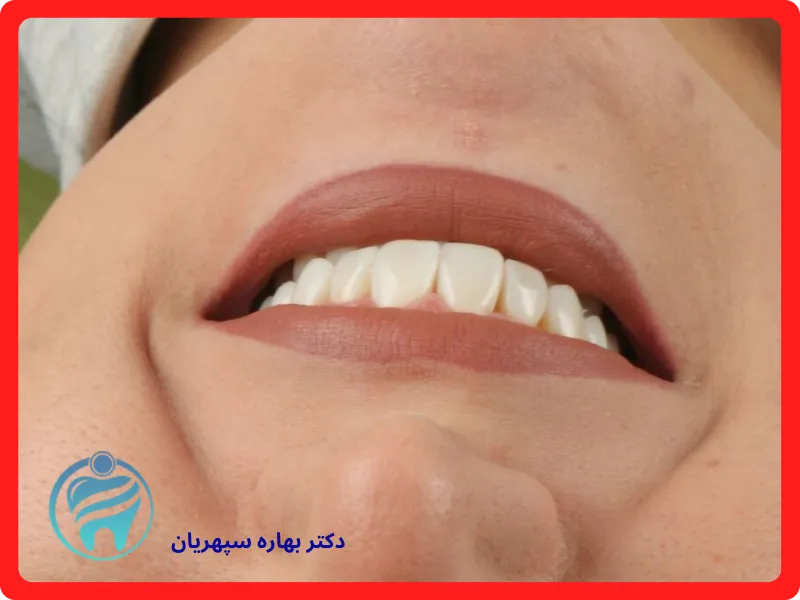
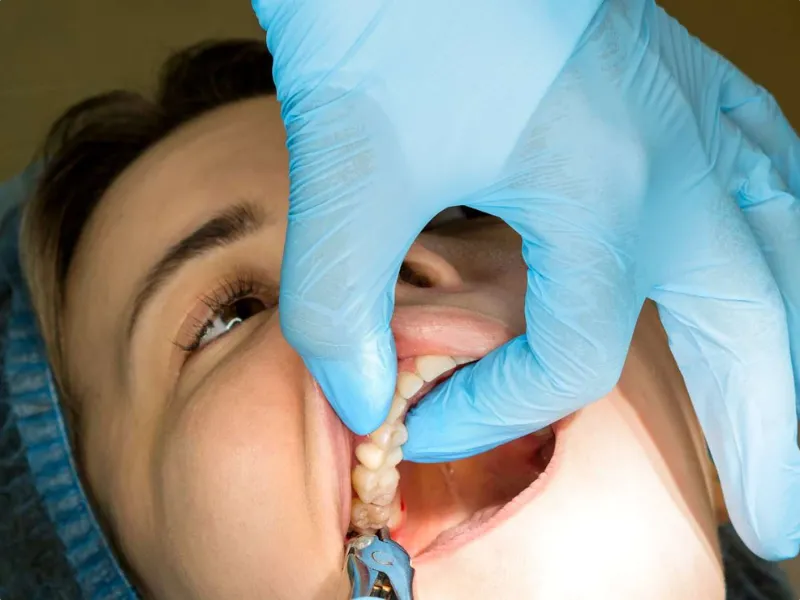
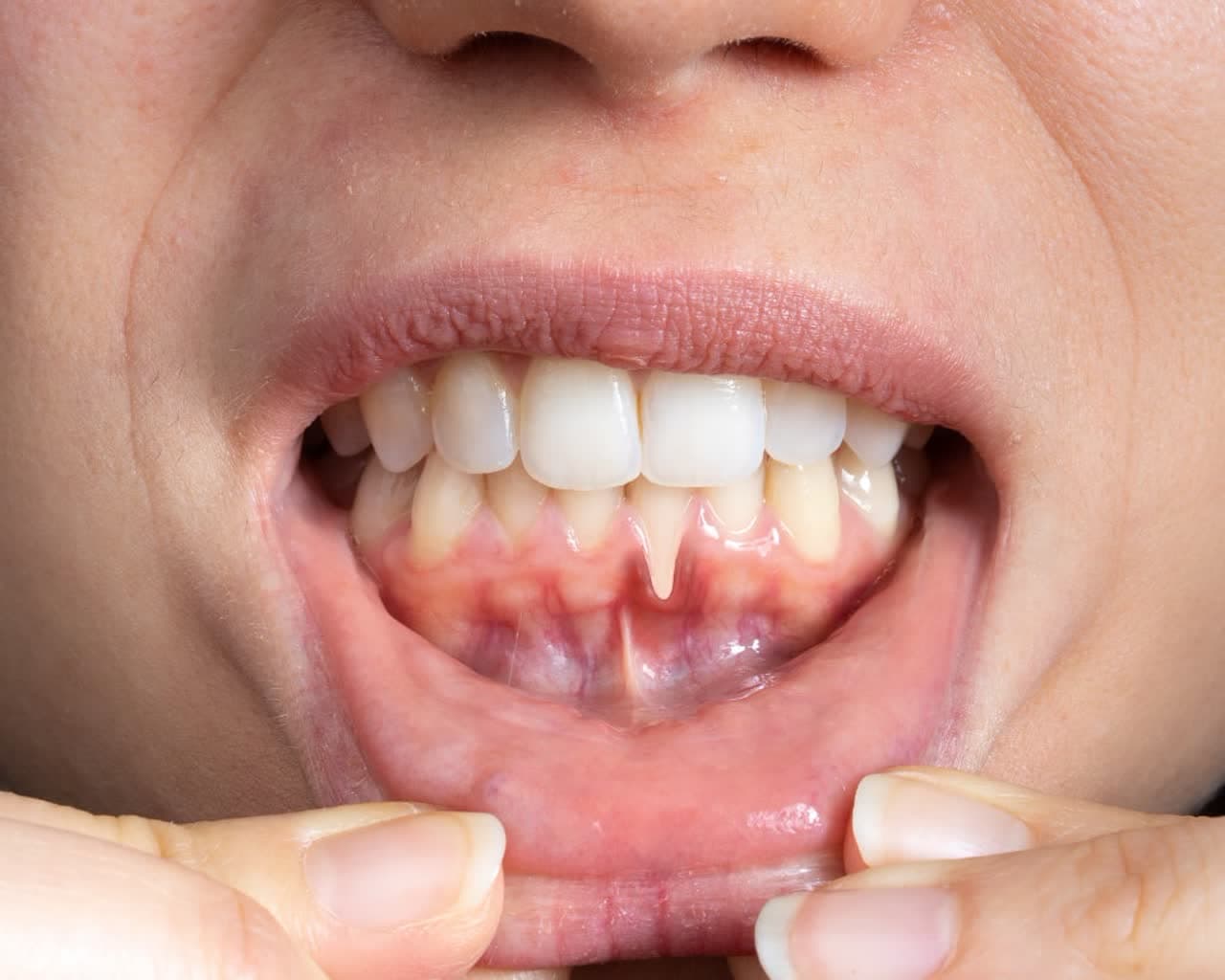
A small and advanced camera that is easily placed inside the mouth and records clear images of teeth and gums.
Advantages
- Possibility of simultaneous viewing of the image by the patient and the dentist on the monitor
- Increasing the patient's awareness of oral problems such as dental plaque, stains or small caries
- Recording and saving images for comparison before and after treatment

Applications
- Monitoring oral hygiene
- documentation of the files of cosmetic and orthodontic patients
- Teaching patients the correct way to brush and floss their teeth
4. Intraoral Scanner and CAD/CAM system
Introduction
Using laser technology or structured light, the intraoral scanner creates a precise 3D model of teeth and gums. This information is used in the CAD/CAM system to design accurate restorations.
Advantages
-
- eliminating the need for traditional molding with paste, which is uncomfortable for some patients.
- Increasing accuracy and reducing errors in the manufacture of cover, laminate and inlay/onlay.
- Possibility of restoration in the same session (Single Visit Dentistry).
Applications
-
- Beauty repairs (laminate, coating, composite veneer)
- Transparent orthodontics (invisible aligners)
Fixed and movable prostheses
5. Laser Fluorescence (Laser Fluorescence Detection)
Introduction
In this technology, laser light is used to detect decay and microbial plaques. This method is non-invasive and painless.
Advantages
-
- Diagnosis of caries in very early stages, even before it can be seen on radiographs.
- reducing the need for tooth grinding and extensive treatments.
- Identifying high-risk areas for the formation of dental plaque and planning better preventive treatment.
Applications
-
Periodic examinations of high-risk patients
- Monitoring the treatment process of gum diseases and caries
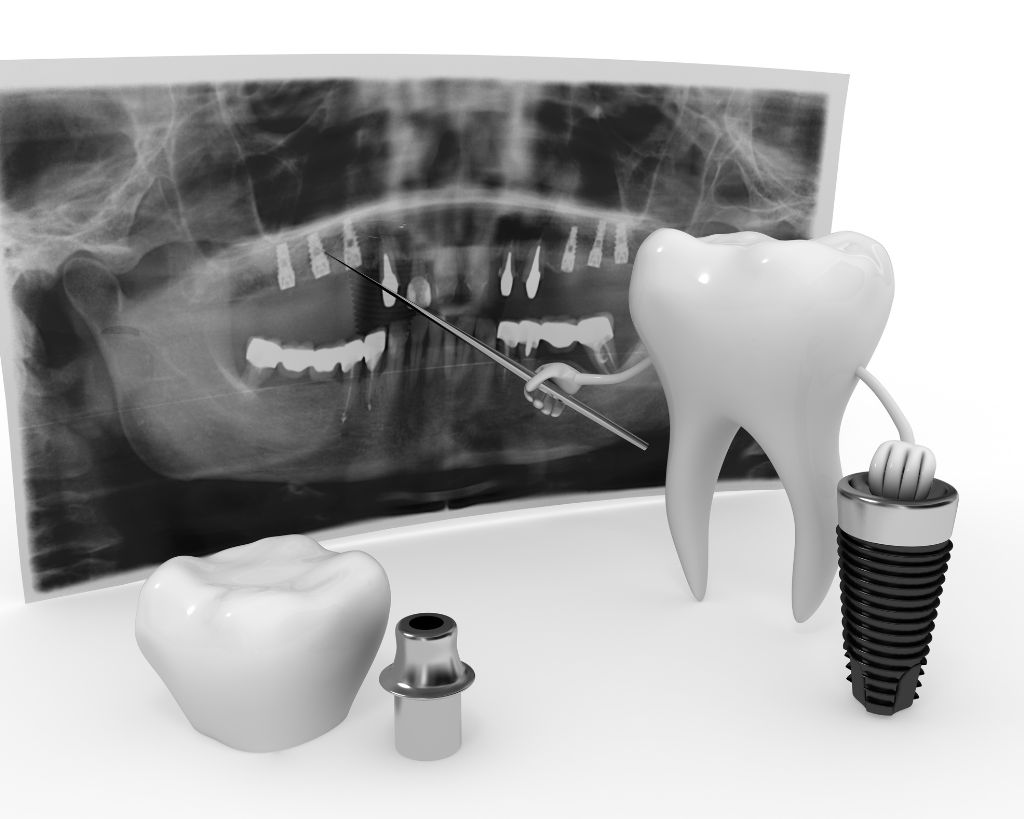
6. Digital panoramic imaging (Digital Panoramic X-ray)
Introduction
Panoramic imaging provides a complete view of the upper jaw, lower jaw, teeth, and temporomandibular joint. In the digital version, the image resolution is higher and the radiation is less.
Advantages
-
Simultaneous examination of both jaws and surrounding structures
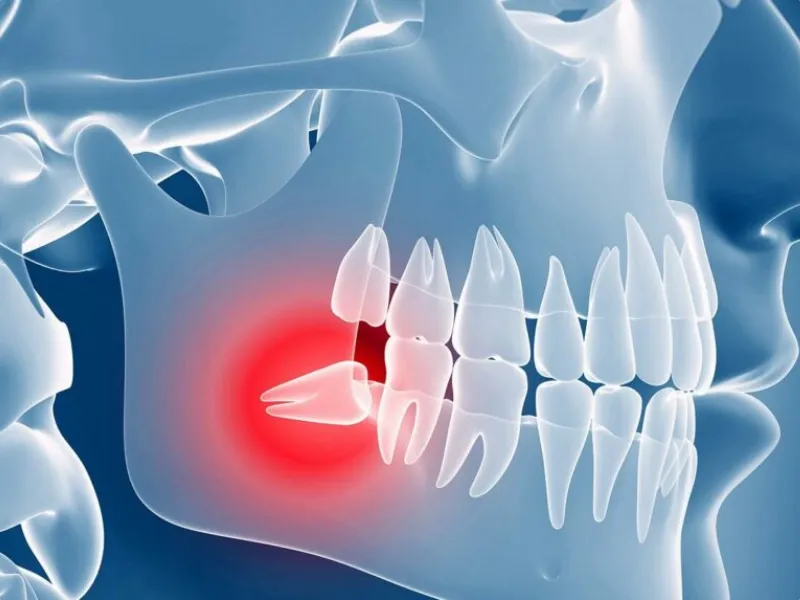
- Diagnosis of hidden problems such as impacted wisdom teeth, cysts or tumors
- Planning orthodontics and jaw surgeries
7. Spectral Imaging (Spectral Imaging)
Introduction
This new technology detects mineral changes and density with high accuracy by analyzing the tissue composition of teeth and bones.
Advantages
-
- Diagnosis of bone loss in the early stages of gum disease
- Evaluation of bone quality before implant placement
- Identifying caries under restorations
General advantages of new imaging technologies
-
Increasing the accuracy of diagnosis
High quality images allow early detection of diseases.
-
Reduction of radiation exposure
Digital technologies have significantly reduced the amount of radiation.
-
Better patient experience
Remove annoying templates and provide instant results.
-
More detailed treatment planning
Especially in implants, orthodontics and jaw surgeries.
-
Better communication with the patient
By seeing the pictures, the patient understands the problem better and cooperates more in the treatment.
The role of these technologies in identifying and preventing dental plaque
Dental plaque is one of the main causes of tooth decay and gum disease. With the help of tools such as intraoral camera, laser fluorescence and digital radiography, plaque formation can be detected earlier and preventive treatment can be carried out. This means that patients can avoid serious problems in the future with a lower cost and simpler treatment.
Summary
The latest dental imaging technologies, from digital radiography to CBCT and laser fluorescence, have not only made diagnosis more accurate, but also improved the patient experience and increased the likelihood of successful treatments. These advances allow early detection of problems such as decay and [dental plaque] and ultimately, help maintain a healthy and beautiful smile.
Last update on 2 Azar 1404
How long does dental implant pain last and how can it be reduced?
Read the article >>
The effect of gum health on the success of dental cosmetic treatments
Read the article >>
The effect of night grinding on tooth veneer and laminate fracture
Read the article >>
New methods of anesthesia in dentistry without injection
Read the article >>
The role of drinking water in preventing tooth decay (fluoride and substitutes).
Read the article >>
Do hormonal changes affect the health of teeth and gums?
Read the article >>
0
0
votes
Scoring the article
Subscribe to
0 comments
the oldest
the most recent
The most votes
Feedback (Feedback) inline
View all comments
Increasing the accuracy of diagnosis
High quality images allow early detection of diseases.
Reduction of radiation exposure
Digital technologies have significantly reduced the amount of radiation.
Better patient experience
Remove annoying templates and provide instant results.
More detailed treatment planning
Especially in implants, orthodontics and jaw surgeries.
Better communication with the patient
By seeing the pictures, the patient understands the problem better and cooperates more in the treatment.