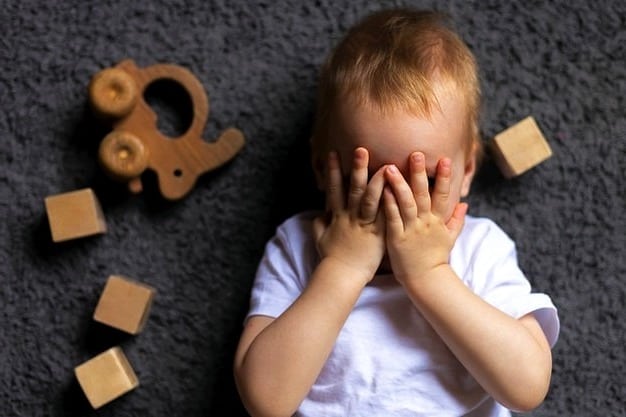

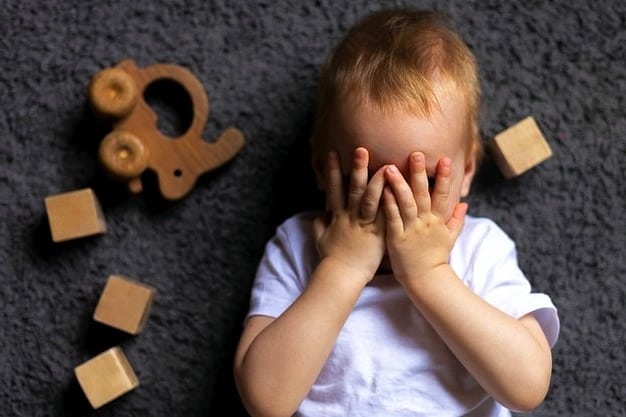
بهترین راهکارها برای رفع مشکل کودکان خجالتی
بهترین راهکارها برای رفع مشکل کودکان خجالتی
خجالت در کودکان عیب و نقص نیست ، بلکه یک خصوصیت اخلاقی است که نیازی به تنبیه والدین و شرمندگی آنها ندارد. This moral trait in children will be improved with the encouragement and support of parents. In some societies, being shy is considered a behavioral privilege and is liked and praised by people, and it is inherited to children through the society's culture.
Shyness is a personality trait that many children and even teenagers and adults are involved in. Many adults were shy when they were children, so this issue should not lead to parental violence in children and cause shame, because this characteristic in children can be corrected with patience, encouragement and support from parents.
Often shy children have problems in daily greetings with others, they hide behind their parents and remain silent when greeting others. With just a little support from parents, shy children can manage their shyness. So, as a parent of a shy child, it is better to find ways to help your child by carefully reading this important section.
Helping shy children communicate with their peers
Cognitive Behavioral Therapy is a treatment for anxiety that involves helping people face fearful situations, so they can confidently control these situations.
However, the subset of shy children identified by Gesell psychology clearly shows that we cannot introduce shy children into social situations. For immature shy and aggressively shy children, their concerns about interacting with peers are well established; Their peers really tend to react negatively with them!
Exposure to more rejection will not help children gain social confidence, shy children need specific guidance on how to interact with peers in positive ways and do such things.

The best solutions to solve the problem of shy children
Solutions to socialize a shy child
Working with them instead of fighting them
Shy kids don't have to magically become extroverts in order to fit in and be loved. There is definitely a place in the world for a quieter style! They need to find ways to interact with who they are and also lead to positive reactions from others.
Follow the child's interests
Children make friends by doing fun things. An activity that the child enjoys can be a step towards friendship. If the child is focused on fun activities, he has something to do and talk about with his peers and is less worried about being alone or rejected.
Teach and practice social cues
Social interaction often doesn't require clever banter, much of what we say to other people is routine. Help your child learn simple social interactions through play. For example, greeting people with eye contact, a clear voice and a friendly smile makes friends and attracts attention.
Focus on engagement
Many shy children feel more comfortable with a person. Relaxing and playing can give a shy child a chance to practice social skills and deepen friendships. Having even one friend who loves them helps children feel happier and less threatened. If necessary, tell the child how to behave before the guest arrives.
style="color: #ff6600;">React when others are friendly
The Gazelle study found that shy children who were able to respond to friendly offers from other children had an easier time socializing. Help the child to observe the loving behavior of other children. This can be a sign of early friendship! Help the child to respond warmly.

The best solutions to solve the problem of shy children
The best way to deal with a timid and shy child
Imagine the vision of others
It may take years for children to develop this idea of how people might feel in a certain situation. To support your point of view, it is very effective to talk to your child about ideas and feelings in everyday life or in books, TV shows, or movies.
Talking about feelings helps children label them and understand inner experience. A mind that puts itself in the shoes of others can guide children on how to proceed. Look outside, focus on helping others feel comfortable, this can help shy children to let go.
Be patient
It can take some time to overcome shyness in children. Peers may not immediately notice that your child has turned a new leaf. Trust the child's ability to grow and learn. With constant guidance and effort, the child can communicate with other children.
helping a shy child
Many children are shy. If you understand what this phrase really means, you may decide that having a shy child is not such a negative quality. Shyness can be a help or a hindrance to a child and it depends on how it is managed.When embarrassment helps a child
Shyness is a personality trait, not a flaw. Some of the best people the world has ever seen are shy. These people tend to be sympathetic listeners and private individuals who exude a pleasant presence without even saying a word.
Many people do not understand shyness and consider shyness as a problem. They believe that a shy child suffers from a poor self-image. More often than not, this label is unfair, many shy children understand the meaning of their behavior.
When shame is a barrier
In some children, shyness is a manifestation of internal problems, not inner peace, this child is too shy and withdraws, avoids eye contact and has many behavioral problems. People do not feel comfortable in his presence. When you dig into this little person, you realize that he operates with anger and fear instead of peace and trust. As you continue to dig deeper, you often find that he is very angry.
The best solutions to solve the problem of shy children

The best solutions to solve the problem of shy children
Shy kids How are they?
Hiding behind a shy child
Some children hide behind the label of a shy child and so they don't have to show themselves to anyone they don't like. It is safer not to show anything, the label "shy" becomes an excuse for not developing social skills and a reason not to use them.
The child can use "shyness" as a defense against trying harder and as an excuse to stay at the same level of skill development. For these children, shyness is a handicap and reinforces their poor self-esteem. To treat shyness, you need to increase his self-esteem, this child needs parents who can trust them.
Teach the child social skills:
You can teach a child many social skills to overcome his shyness. Teach him how to:
- Meet new people
- greet others
- Start conversations
- Participate in the game
- Make eye contact
- Be a good listener
You can use dolls, action figures or puppets to play roles in different situations. Teach him how to use special phrases like "Hi, my name is..." and "Can I play too?" ” to use.
Explain the benefits of being social:
Most likely when you were shy as a child, or you may still be shy in certain situations, the background of shyness (although this trait can be overcome) is genetics.
As mentioned, if this applies to you, explain why this experience was good for you? Explain the good things that come from more social action, such as making new friends, having more fun, and enjoying school.
Help the child to socialize and make friends:
Try to gradually expose the child to new children and settings. For example, you may visit a park where children play regularly, don't force him to interact with unfamiliar children, be sure to spend a lot of time entertaining him.
During the first interactions, teach your child the words he needs to speak with new friends. You can do this in several ways, here are some options:
Get a task from them directly, like “Tell them you'd like to help them,” or “Ask what they're playing.”
Talk to both children to encourage conversation. For example, you might say, "Ella, I know you like to paint." Anna is a great painter."

The best solutions to solve the problem of shy children
Enhancing the skills of shy children
Set goals and reward your progress:
Work with your child to set behavioral goals and track his progress. Start small and build gradually. When your child reaches your goal, mark it on the progress chart.
Praise social behavior:
Strengthen new social skills for the child to learn. When you see him trying to overcome shyness, praise him with affection and warmth. Be careful not to do this in public as the child is likely to be embarrassed. Instead, tell him what he did in private.
style="color: #ff6600;">Build a child's self-esteem:
Children who feel good about themselves are less shy. Identify your child's strengths and build on them. Is he creative? Is exercise work? Promoting these skills allows the child to see himself as a talented and capable person. This sense of trust can help him to be braver in social situations.
Connect with teachers:
If the child is studying in preschool or kindergarten, accompany the teachers. Create a plan to help your child overcome shyness. Talk to the teacher often about the strategies you use at home, work together to determine the child's goals, and with a consistent approach both at home and at school, you can increase the results of your efforts.
The best solutions to solve the problem of shy children