Listen to the summary of this article in this podcast:
Suddenly quitting smoking is a challenging experience for many people, because after years of exposure to nicotine, the body suddenly faces its absence and shows strong reactions. These reactions make many people imagine that they are experiencing unusual or dangerous conditions and seek answers as to why these complications occur and how long they last. The difference in the degree of dependence, consumption pattern and mental state can change the intensity of these symptoms in different people, and this issue creates more confusion. Being aware of the mechanism of these reactions and how the body tries to find a new balance in the early days can give a person a sense of more control and make their expectation of the withdrawal process more realistic. In this article from your doctor, you will learn about the effects of sudden smoking cessation.
What are the consequences of suddenly quitting smoking?
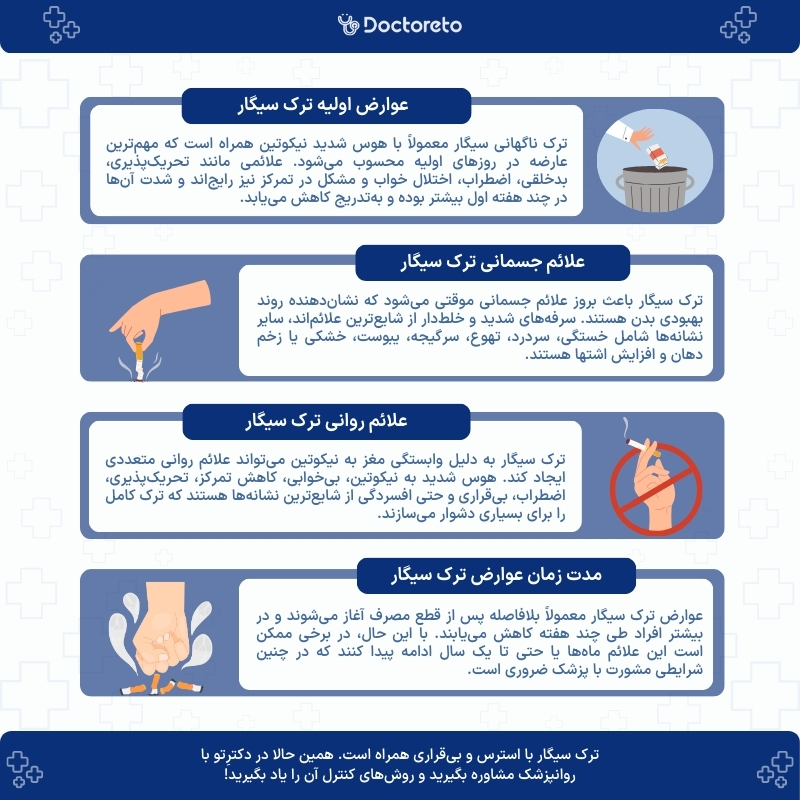
Quit smoking Sudden or (cold stop) although it seems simple, but it can be accompanied by a series of physical and psychological complications that result from the dependence of the body and brain on nicotine. In the early days, the body experiences a kind of shock caused by the cessation of nicotine and withdrawal symptoms appear. These symptoms usually subside within a few days to a few weeks, but their severity varies from person to person.
Effects of smoking cessation may start a few hours after the last cigarette and be more intense during the first days. These complications include physical symptoms such as headache and palpitations and psychological symptoms such as anxiety and irritability. The severity of these symptoms varies in different people and depends on the amount of previous use, the duration of use and the physical condition of the person. Some of the common side effects of sudden smoking cessation are:
Digestive problems of sudden smoking cessation such as constipation, diarrhea, stomach pain and gastric reflux
Effects of smoking cessation on blood pressure
Effects of smoking cessation and heart problems
Sputum after quitting smoking
Shortness of breath after quitting smoking
Effects of quitting smoking and cough and sore throat
Depression after quitting smoking
Insomnia or interrupted sleep
Body itching after suddenly quitting smoking
Sudden smoking cessation and body pain
Lung pain after quitting smoking
Effects of smoking cessation and sperm
Increase in appetite and weight after quitting smoking
Irritability and anxiety after sudden smoking cessation
Fatigue and headache are the first symptoms of sudden smoking cessation.
1. Smoking cessation and digestive problems
Cigarette affects bowel movements and stomach acid secretion. After quitting, the digestive system needs some time to adapt to the new conditions. For this reason, some people experience changes in bowel movements, bloating or stomach pain, which are considered side effects of quitting smoking. These problems are usually temporary and can be improved by modifying the diet, consuming enough fiber and fluids, and physical activity. The effects of quitting smoking on digestion are ultimately positive and reduce the risk of stomach ulcers and digestive cancers.
Does quitting smoking cause constipation?
Constipation after quitting smoking is one of the most common side effects of sudden smoking cessation. Nicotine stimulates bowel movements, and by stopping it, bowel movements may slow down for a while. This condition is usually seen in the first weeks and can be controlled by consuming vegetables, fruits, enough water and regular walking.
quitting smoking and fatty liver
Quitting smoking does not directly cause fatty liver, but changes in the body's metabolism and increased appetite after quitting may cause weight gain in some people. If excess weight is not controlled, it can increase the risk of fatty liver in the long run. On the other hand, the long-term effects of quitting smoking reduce liver inflammation and improve its function.
quitting smoking and stomachache
Some people experience stomach pain or exacerbation of gastric reflux symptoms after quitting smoking. The reason for this is the change in the secretion of stomach acid and the temporary sensitivity of the digestive system. These symptoms are usually transient and get better by avoiding fatty and spicy foods and eating lighter meals.
2. Smoking cessation and blood pressure
Nicotine increases heart rate and blood pressure. After withdrawal, the body enters a reset phase and fluctuations in blood pressure may be experienced. These changes are part of the side effects of quitting smoking and are often temporary. In the long term, the effects of quitting smoking on the cardiovascular system are very positive and reduce the risk of stroke and heart diseases. Therefore, initial fluctuations should not cause serious concern.
Does quitting smoking cause a drop in blood pressure?
In some people, especially in the first days, a slight drop in blood pressure may occur. This state can be accompanied by dizziness or weakness. Drinking enough water and changing body position slowly can help reduce these symptoms.
Does quitting smoking cause an increase in blood pressure?
Sustained increase in blood pressure after smoking cessation is not common. Sometimes withdrawal anxiety can temporarily raise blood pressure. If this situation continues, it is necessary to check with a doctor.
3. Quitting smoking and the heart
Some people worry that suddenly quitting smoking will cause a heart attack. In fact, on the contrary, continued smoking is the main cause of stroke. Side effects of sudden smoking cessation may include palpitations or a feeling of tightness in the chest, but these symptoms are usually caused by anxiety and temporary changes in the nervous system. Over the weeks to months after quitting, the risk of heart attack gradually decreases. Quitting smoking and its side effects may be annoying in the short term, but in the long term, it improves heart health dramatically.
Is it dangerous to quit smoking suddenly? This question is answered in this video.
heartbeat after quitting smoking
Heart palpitations after quitting smoking are usually caused by increased activity of the sympathetic nervous system and anxiety. This condition is often transient and improves with relaxation techniques and light exercise.
4. Smoking cessation and diabetes
Quitting smoking has a positive effect on blood sugar control. However, in the first weeks, fluctuations in blood sugar may be seen due to increased appetite and weight change. People with diabetes should control their blood sugar more regularly during this period. In the long term, the effects of smoking cessation reduce insulin resistance and reduce the complications of diabetes. Therefore, even in diabetic patients, suddenly quitting smoking has significant benefits.
5. Phlegm after quitting smoking
The increase in phlegm after quitting smoking is one of the things that worry many people after quitting smoking. In fact, this is a sign of the beginning of cleansing the lungs. Respiratory cilia, which were previously damaged by cigarette smoke, are reactivated and expel mucus and toxic substances. This may take several weeks. Consuming warm liquids and avoiding air pollution can help reduce discomfort.
English text: As your lungs begin to recover, they attempt to expel all the mucus and other material that has built up in your lungs. Specifically, the cilia which are responsible for removing mucus out of the lungs will work more effectively, and so coughing as a symptom of giving up smoking is a good sign! Text translation: As the lungs begin to recover, they try to throw out all the mucus and other substances that have accumulated in the lungs. In particular, the cilia, which are responsible for removing mucus from the lungs, work more effectively, so a cough is a good sign to quit smoking!
6. Shortness of breath after quitting smoking
Some people have mild shortness of breath in the first days. This condition is usually due to anxiety or frequent coughing. Complications after quitting smoking in the respiratory system are often temporary and decrease with the improvement of lung function. In case of persistence or severity of symptoms, it is necessary to check for underlying diseases such as asthma or chronic lung disease.
7. Why do we cough after quitting smoking?
Sore throat and cough after quitting smoking is a positive sign of starting to clean the lungs. When a person quits smoking, the respiratory cilia that were previously damaged by the smoke are reactivated and try to remove the accumulated toxins and mucus from the airways. This process may cause frequent coughing and an itchy or sore throat. Drinking warm liquids, using incense and avoiding polluted environments help to reduce these symptoms.
Hoarseness after quitting smoking
Hoarseness can be caused by repeated coughing or temporary irritation of the larynx. This condition is often temporary and improves with sound rest and consumption of warm liquids.
8. Quitting smoking and nerves
Anxiety, restlessness and irritability are among the most common side effects of quitting smoking in the short term. Nicotine has an effect on the release of dopamine, and by stopping it, a person experiences mood swings. These symptoms usually subside within two to four weeks. Exercise, deep breathing and the support of those around you play an important role in controlling these symptoms.
Headache and dizziness after quitting smoking are usually caused by the sudden cessation of nicotine and the gradual adaptation of the nervous system and blood circulation to new conditions.
9. Smoking cessation and depression
Mild depression and loss of concentration are other side effects of sudden smoking cessation. Depression after quitting smoking is usually mild and temporary and occurs due to chemical changes in the brain. By stimulating the release of dopamine, nicotine increases feelings of reward and mental focus, but after quitting, the brain needs time to restore its natural production of this substance. This condition may cause feelings of sadness, boredom, or difficulty concentrating. Regular physical activity, adequate sleep and, if necessary, psychological counseling can speed up the recovery process and reduce the risk of returning to smoking.
How long does depression last after quitting smoking?
Symptoms of mild depression usually improve within a few weeks. If it persists for more than a month or is accompanied by severe negative thoughts, a professional evaluation is necessary. If there is a history of depression, it is better to quit smoking under the supervision of a doctor so that supportive treatment can be provided if needed.
10. Does quitting smoking cause insomnia?
Sleep disturbance is one of the common side effects of quitting smoking, which is usually felt more in the first weeks. Nicotine is a strong stimulant, and its withdrawal causes changes in the release of sleep-related hormones such as melatonin. Many people experience insomnia, nightmares, or frequent awakenings during the night after sudden withdrawal. To improve sleep, it is recommended to observe sleep hygiene such as going to bed at a fixed time, avoiding caffeine consumption in the evening and doing light physical activity during the day.
11. Body itching after quitting smoking
Body itching may be caused by improved blood circulation and skin changes. This symptom is usually mild and can be controlled by moisturizing and drinking enough water.
English text: Trying to quit smoking feels different for each person, but almost everyone will have some symptoms of nicotine withdrawal. When you stop, your body and brain have to get used to not having nicotine. This can be uncomfortable, but nicotine withdrawal can't hurt you – unless you give in and have a cigarette! Farsi translation: The experience of quitting smoking is different for each person, but almost everyone experiences nicotine withdrawal symptoms to some extent. By stopping smoking, the body and brain have to get used to the absence of nicotine, and this process can be accompanied by discomfort. However, nicotine withdrawal symptoms are not dangerous in themselves and do not harm the body unless the person gives in and starts smoking again.
12. Does it hurt to quit smoking?
Body pain and bruised feeling can be one of the side effects of quitting smoking. These pains are often mild and occur due to the adaptation of the nervous system to the absence of nicotine. Adequate rest, light relaxation, massage and fluid intake can reduce the severity of these pains. If the pain is severe or prolonged, it is better to consult a doctor to rule out other problems such as vitamin deficiency or muscle inflammation.
quitting smoking and foot pain
Leg pain may be caused by improved blood flow and vascular changes. If the pain is severe or unilateral, it should be investigated for vascular problems. You should see a vascular specialist to check these problems. If the pain is unilateral, severe, or accompanied by swelling and discoloration, it may indicate serious vascular problems such as blood clots and should be investigated immediately.
toothache after quitting smoking
After quitting smoking, some people experience increased sensitivity of teeth and gums. This issue is due to improved blood circulation in the gums and increased sensitivity of the dental nerves, and is usually temporary. Maintaining oral hygiene and using toothpaste for sensitive teeth can help.
English text: Nicotine cravings get easier to handle after the first weeks but they don't go away. Over time, symptoms lessen and the urge to smoke goes down. For some people, the habit of smoking or using nicotine is the craving that lasts the longest. Text translation: The craving for nicotine becomes more controllable after the first few weeks, but it does not disappear completely. Over time, the intensity of the symptoms decreases and the desire to smoke decreases. For some people, the habit of smoking or using nicotine is the craving that remains the most.
Some people have mild chest pain or pressure after quitting smoking. Usually, this pain is caused by coughing, regeneration of lung tissue and cleaning of mucus and toxins. This pain is usually transient and subsides after a few weeks. Light exercise and deep breathing can speed up the healing process.
14. Headache and dizziness after quitting smoking
Headaches and dizziness are very common in the early days of quitting smoking and are usually caused by changes in blood flow and oxygenation to the brain. After stopping nicotine, the constricted blood vessels gradually return to normal, and these changes may cause a feeling of pressure or pain in the head area. Drinking enough water, getting enough sleep and avoiding too much caffeine can help reduce these symptoms. If the headache persists after quitting smoking for more than a few weeks, it is recommended to consult a doctor.
Complication
Explanation
Irritability and anxiety after suddenly quitting smoking
A sudden reduction in nicotine disrupts the balance of brain chemicals and can cause restlessness, anger and anxiety
Insomnia or Sleep disturbance after smoking cessation
Nicotine withdrawal may disrupt the sleep cycle and be accompanied by insomnia, frequent awakenings, or light sleep
Increased appetite and weight after smoking cessation
With nicotine withdrawal, metabolism decreases and appetite increases, which can lead to temporary weight gain
Headaches and Dizziness after quitting smoking
Changing blood flow to the brain and nicotine withdrawal symptoms can cause headaches and dizziness
Cough and sore throat after quitting smoking
As the lungs begin to clear, the cough increases and the throat may become dry or irritated
Depression and loss of concentration after quitting Smoking
Decreased dopamine release after quitting can lead to low mood, feelings of sadness and difficulty concentrating
This table shows the most common side effects of suddenly quitting smoking.
15. Smoking cessation and erection
Quitting smoking improves erectile function and sperm quality in the long term. Although in the first days, mood swings may affect sexual performance, but the effects of quitting smoking are positive in this regard. In the first days, mood swings and anxiety may cause temporary fluctuations in sexual performance, but as the withdrawal continues, the positive effects of smoking on blood flow and hormones become apparent.
16. Side effects of smoking cessation shortness of breath
Slight shortness of breath may occur at the beginning of withdrawal, but lung function improves over time. This is usually due to the adaptation of the lungs to the removal of nicotine and the beginning of the process of cleansing from mucus and pollutants. After a few weeks, the function of the lungs improves and the breathing capacity increases. Breathing exercises and walking can help reduce this problem.
Stress is one of the primary effects of quitting smoking, which is caused by psychological dependence on nicotine.
17. Increase in appetite and weight after quitting smoking
Suddenly quitting smoking can increase appetite and, as a result, gain weight. The main reason for this is the change in the body's metabolism and the brain's tendency to replace the pleasure of nicotine with eating. Nicotine naturally increases metabolism and suppresses appetite, but when it is stopped, the body uses less energy. To control weight, it is very effective to choose healthy snacks such as fruits, vegetables or nuts and to do regular exercise.
18. Irritability and anxiety after sudden smoking cessation
One of the first signs of sudden smoking cessation is irritability and anxiety. This state is caused by a sudden decrease in the level of dopamine and serotonin in the brain; Substances that artificially increase when consuming nicotine and give a feeling of relaxation and concentration. After stopping the use, the brain needs time to readjust these substances and this causes anxiety, restlessness, anger or even mood swings. Using relaxation methods such as deep breathing, regular walks, and meditation can help reduce these symptoms and accelerate the body's adaptation process.
Symptoms of quitting smoking are a set of physical and mental reactions that occur after stopping nicotine use. These symptoms usually start a few hours after the last cigarette and reach their peak during the first week. The most common symptoms of quitting smoking are:
Irritability and anxiety
Headache and dizziness
Increasing appetite
Cough and sputum
Sleep disorder
Decreasing concentration
What are the primary effects of quitting smoking?
The initial effects of smoking cessation usually begin in the first hours after the last cigarette and intensify in the first few days. These reactions are caused by physical and psychological dependence on nicotine and are a sign of the body's attempt to restore its natural balance. During this period, people may feel more tired, anxious and restless. The severity of symptoms varies from person to person, but usually subsides within one to two weeks. Below are some of the most common side effects of quitting smoking:
Decreased concentration: caused by nicotine reduction and brain function changes
Excitability and anxiety: caused by a sudden decrease in dopamine levels in the brain
Headache and dizziness: as a result of changes in blood flow and oxygen supply
Insomnia and interrupted sleep: due to disruption of melatonin secretion
Increased appetite: due to replacing the habit of smoking with eating
Cough and sore throat: a sign of clearing the respiratory tract of toxins
Symptom
Approximate onset time
Usual duration
Useful tip
Irritability and anxiety
First 1 to 2 days
2 to 4 weeks
Light exercise, deep breathing, Meditation and relaxing activities help reduce irritability.
Coughing and phlegm
First week
Several weeks
Indicates the lungs are being cleared of mucus and toxins. Drinking enough fluids and using moist air can make coughing easier.
Increasing appetite and desire to eat
First week
Several months
Choosing healthy foods, dividing meals into small meals and regular physical activity help control weight.
Headache
1 to First 3 days
Several days to a week
Drinking enough water, getting enough rest, reducing caffeine and avoiding stress will help reduce headaches.
Approximate onset time of sudden smoking cessation effects
causes of sudden smoking cessation effects
Suddenly quitting smoking causes complications because the person's body and brain have become physiologically and neurologically dependent on nicotine, and they experience adaptive reactions when it is suddenly stopped. Nicotine creates a feeling of relaxation and focus by stimulating the release of dopamine and other neurotransmitters, and when its use is suddenly stopped, the level of these chemicals in the brain decreases and withdrawal symptoms appear.
These symptoms can include irritability, anxiety, restlessness, headache, sleep disturbance, increased appetite, and decreased concentration, which are usually more severe in the first days. These reactions are not a sign of damage, but they represent the body's attempt to return to a normal balance without nicotine, and they usually decrease gradually over a few weeks.
Headache is one of the common and early side effects of sudden smoking cessation, which occurs due to the sudden cessation of nicotine.
Complications of quitting smoking in old age
Usually, the side effects of suddenly quitting smoking in old age appear as nicotine withdrawal symptoms and can include irritability, anxiety, insomnia, decreased concentration, increased appetite, and depression in some people. Due to the body's natural changes with age and the possibility of underlying diseases such as heart or lung problems, these symptoms may feel more severe or last longer.
Also, cough and increased phlegm after quitting, especially in the elderly, are common, which is a sign of gradual cleansing of the lungs. Despite these temporary side effects, quitting smoking at any age has significant benefits for the health of the heart, lungs and quality of life, and if needed, the use of supportive methods or nicotine replacement therapy under the supervision of a doctor can make the symptoms easier to bear.
Conclusion
Suddenly quitting smoking is a process that is accompanied by significant changes in physical and mental functioning, and various symptoms can be expected in this way. The side effects of sudden smoking cessation are mainly due to the cessation of nicotine intake and the body trying to reach a new balance. Although the severity and type of symptoms are not the same in people, in most cases they are temporary in nature and decrease with time. A correct understanding of these consequences helps clarify the picture of sudden smoking cessation and shows that these reactions are a natural part of the body's adaptation to new conditions. If you have severe or prolonged symptoms, it is best to consult a doctor. By knowing the side effects after quitting smoking, you can follow this path with more confidence.
Your doctor takes care of your health!
Frequently Asked Questions
Suddenly quitting smoking is usually not dangerous, but it can be accompanied by unpleasant physical and psychological effects, which are called nicotine withdrawal symptoms. These symptoms include anxiety, irritability, insomnia, headache, increased appetite, and decreased concentration, which are usually more intense in the first days and gradually decrease over several weeks. In healthy people, these side effects are not life-threatening, but in people with a history of severe depression, anxiety disorders, or certain illnesses, sudden withdrawal may be more difficult to tolerate. However, from a medical point of view, completely quitting smoking even suddenly is beneficial for the health of the body, and if needed, the risks of sudden smoking cessation can be controlled with the help of a doctor or supportive methods.
Nicotine replacement therapy such as gum or patch can reduce the severity of withdrawal symptoms to give Choosing the right method depends on the person's condition and the level of his dependence. Some people are more successful with sudden withdrawal and some with a gradual method. Consultation with a doctor can determine the best option.
Nicotine replacement therapy can be more effective and tolerable in many people. from sudden withdrawal, because by gradually providing nicotine, it reduces the severity of withdrawal symptoms such as anxiety, irritability and strong desire to smoke. Methods such as gum, glue or nicotine spray help the body gradually reduce nicotine dependence without exposure to the toxic substances of cigarette smoke. Abrupt withdrawal, although medically beneficial, increases the likelihood of relapse for some people due to the severity of withdrawal symptoms. Choosing the best method depends on the degree of dependence, physical and mental conditions of the person, and consultation with a doctor can increase the chances of successful quitting.
Quitting smoking may have physical symptoms such as cough, headache and constipation and psychological symptoms such as anxiety and accompanied by irritability. These side effects are caused by nicotine withdrawal. Most of them are temporary and are less important compared to the long-term benefits of quitting smoking.
I am Farzaneh, 30 years old and I love the world of SEO and content writing, and I am curious to learn new things. Regardless of any contract, law and special style. The virtual world and the Internet have provided me with an opportunity to be with the best teams, where I can feel the feeling of getting better and improving my job with all my heart every day without any worries. I am proud to achieve this pure feeling with your good team.