به یاد فرزندان جاویدان این سرزمین

یادشان همواره در قلب این خاک زنده خواهد ماند

PRP Zanu - Dr. Homan Kukbi
مقاله تخصصی

PRP Zanu - Dr. Homan Kukbi

3 weeks ago
711 بازدید
Dr. Mohammad Homan Kukbi

Dr. Mohammad Homan Kukbi

Tehran

Orthopedic specialist (bone and joint surgery)
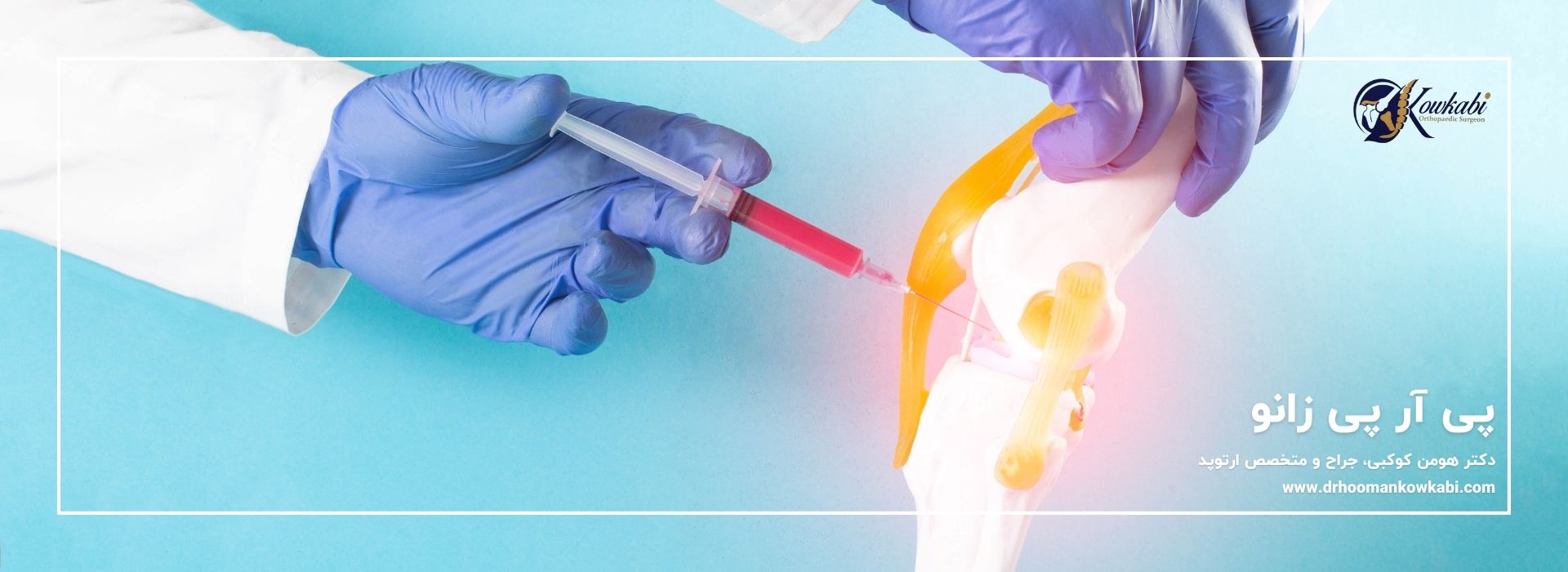
پی‌ آر‌ پی زانو چیست؟

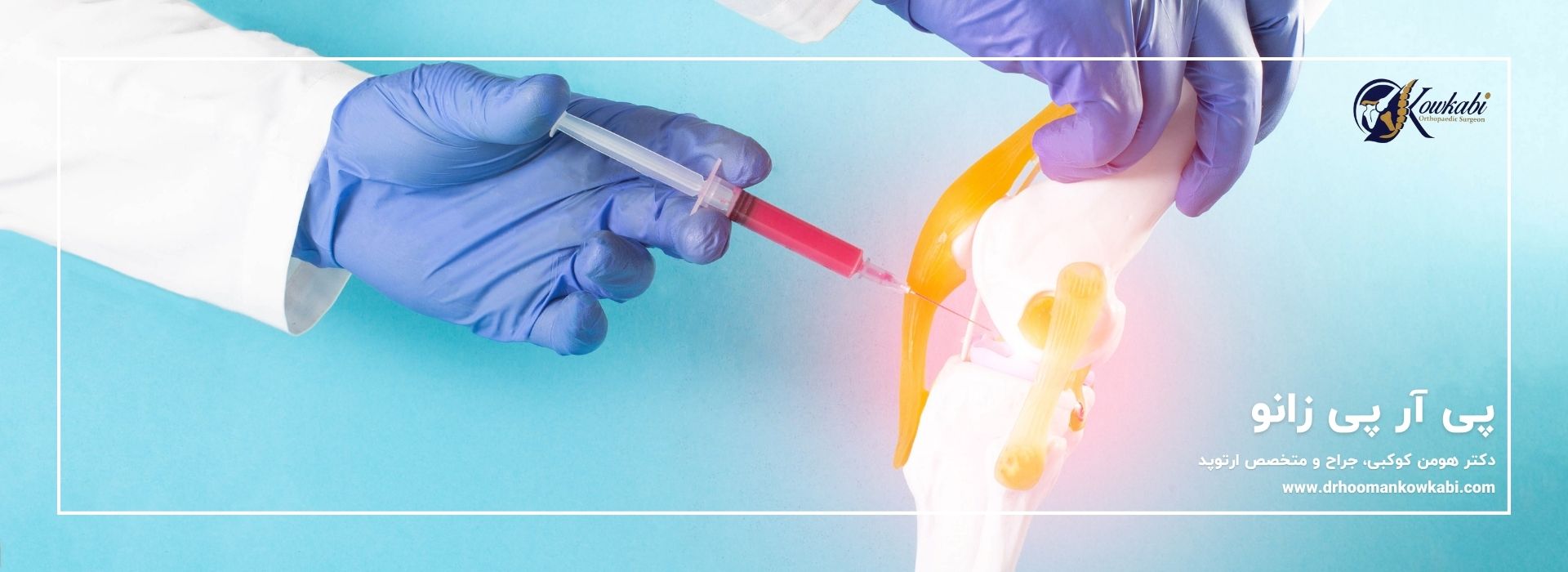
پی‌ آر‌ پی زانو (PRP) به اختصار Platelet-Rich Plasma یا پلاسمای غنی از پلاکت، یک روش پزشکی است. پلاکت‌ها یکی از اجزای خون هستند که نقش مهمی در فرآیندهای ترمیمی و التیامی بدن دارند. آنها حاوی عوامل رشد و پروتئین‌هایی هستند که به ترمیم و نجات بافت‌های آسیب دیده کمک می‌کنند. پی آر پی زانو در تهران یک روش درمانی بسیار پرطرفدار با نتایج فوق العاده می‌باشد.

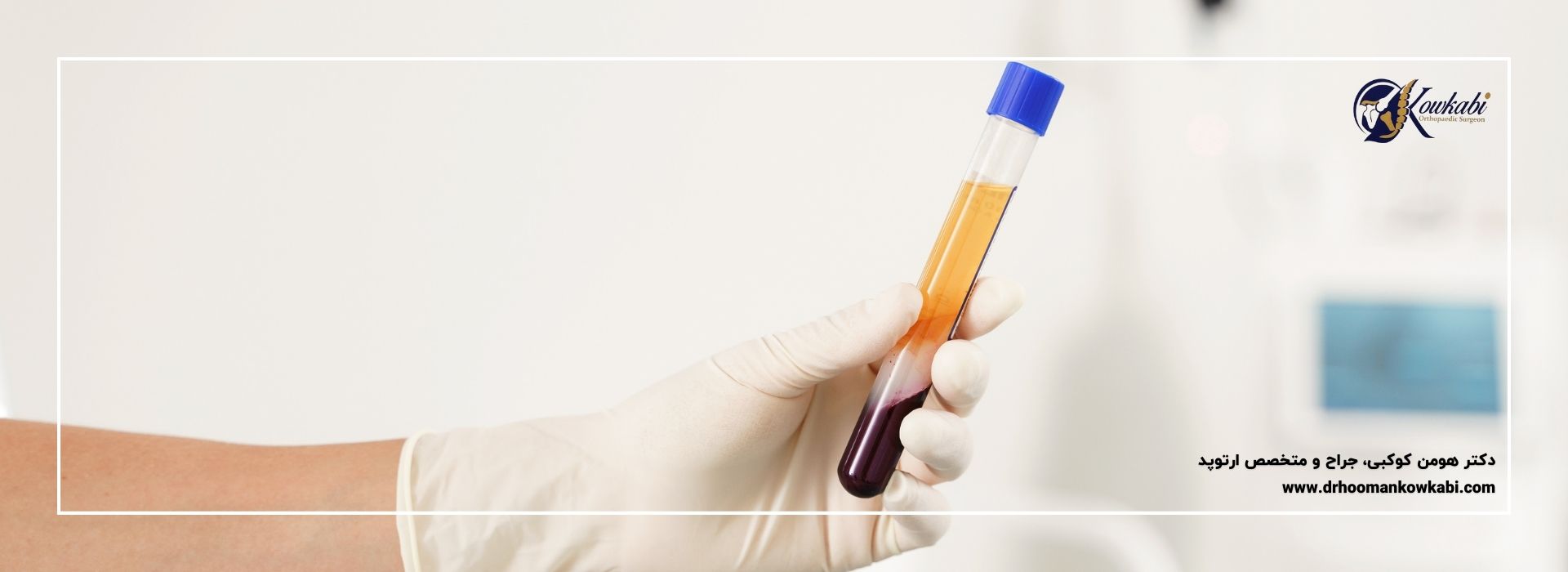
این نوع درمان یک روش در پزشکی است که از ترکیب خون بیمار استفاده می‌کند تا به ترمیم بافت‌های بدن کمک کند. در این روش، یک نمونه از خون بیمار گرفته می‌شود و سپس از آن پلاسما (مایع خونی شفاف) جدا می‌شود. این پلاسما سپس با پلاکت‌های بالاتر از میزان معمول ترکیب می‌شود تا PRP به دست آید.

فرآیند درمان PRP در ترمیم مو، درمان زخم‌ها، درمان مفاصل و برخی مشکلات دیگر پزشکی استفاده می‌شود. این روش به عنوان یک گزینه درمانی طبیعی شناخته می‌شود، زیرا از خون بیمار استفاده می‌کند . با این حال، قبل از استفاده از PRP، باید با پزشک خود مشورت کنید و اطمینان حاصل کنید که این روش مناسب برای شما هست یا خیر.

The best PRP knee doctor in Tehran

فرآیند پی‌ آر‌ پی زانو به شرح زیر انجام می‌شود:

  1. ابتدا نمونه‌ای از خون بیمار گرفته می‌شود.
  2. سپس نمونه خون تصفیه می‌شود تا پلاکت‌ها از سایر اجزای خون جدا شوند.
  3. پلاکت‌های جدا شده به همراه یک کمی از پلاسما به عنوان پی‌ آر‌ پی تصفیه شده جمع آوری می‌شوند.
  4. سپس این پی‌ آر‌ پی به ناحیه مورد درمان تزریق یا معمولاً بر روی زانو، مفصل یا بافت مورد نیاز دیگر تزریق می‌شود.

پی‌ آر‌ پی زانو به عنوان یک روش درمانی به منظور تسریع فرآیند بهبودی و ترمیم بافت‌ها در مواردی مانند آسیب‌های ورزشی، آرتروز مفاصل، زخم‌های جلدی و غیره استفاده می‌شود. In some cases, this method can help relieve pain and improve physical performance.

Items used in PRP knee :

  • Joint instability
  • Injury in the shoulder joint, elbow and other joints
  • Carpal tunnel syndrome
  • Sprains and strains
  • Treatment of arthritis in the joints Miscellaneous
  • Chronic joint pain
  • Treatment of various musculoskeletal diseases
  • Rotator cuff strain and tear
  • Anterior cruciate ligament injuries
  • Injuries and pain in the neck and back area
  • Tendonosis (tennis elbow)
  • Tendonitis and sprains Ligaments
  • Chronic knee pain
  • Muscle strains
PRP knee

What should you do before knee PRP injection?

Before performing knee PRP (Platelet-Rich Plasma) injection, several important steps must be performed so that the injection process is performed correctly and the possibility of complications and problems is reduced. These steps are:

  1. Consultation with a doctor: First, you should consult your doctor and check your problem. Your doctor should check if PRP knee is right for you. He or she will need to determine whether or not this method will be effective in treating your particular problem.
  2. Introduction to the doctor: Give the doctor medical information including your medical history, current medications, allergies, and any other medical problems.
  3. Needed tests and evaluations: The doctor may use tests and evaluations such as diagnostic images (eg, X-rays or MRIs) or blood tests to diagnose the problem. Diagnose you carefully and decide if knee PRP is right for you or not.
  4. Stopping medications: In some cases, your doctor may advise you to temporarily stop certain medications that affect platelets, such as nonsteroidal anti-inflammatory drugs (NSAIDs).
  5. Avoid alcohol and smoking: Information shows that heavy alcohol and smoking can have a negative effect on platelets. Therefore, it is recommended that you avoid drinking a lot of alcohol and quit smoking before performing knee PRP injections.
  6. Previous recommendations: Your doctor may advise you to use medications to control infection or control bleeding before the injection.

In general, knee PRP injection is a medical procedure that requires careful evaluation and medical advice. Following your doctor's orders and post-injection recommendations is also very important to experience a better and faster recovery.

While more research is needed on PRP knee treatment, current research looks promising. Since there is no permanent cure for knee problems and platelet-rich plasma injections carry few risks, some doctors believe that PRP treatment is worth a try. Of course, patients should remember that PRP does not cure all problems and is best used in conjunction with non-surgical treatments and lifestyle changes such as physical therapy, weight loss, knee braces, and NSAID medications.

Benefits of knee PRP injection

Injection of PRP (Platelet-Rich Plasma) can be useful for treating knee problems, especially in some cases, but the final decision on using this method should be made by your doctor. The effectiveness of knee PRP may depend on the type and severity of your knee problem. Some of the cases where PRP can be useful for the knee include:

  1. Chronic knee inflammations: PRP may be used as a palliative method in the treatment of chronic knee inflammations such as knee arthritis (knee arthritis). Quick and return to sports activities.
  2. Knee arthritis: In cases where the knee is damaged due to arthritis (joint destruction), knee PRP may be used as an effective method of pain management and relief of arthritis symptoms.

However, the decision to perform knee PRP for your problem should be made by your doctor. He must carefully examine you and decide on the appropriate treatment based on your medical history, diagnostic evaluations, and the severity of the problem.

What is PRP injection of the knee?

The injection of PRP (Platelet-Rich Plasma) into the knee is performed as follows:

  1. Preparation of PRP: First, a sample of your blood is taken. This blood sample is used to prepare knee PRP. The blood sample must be taken from one of the veins of the hand or arm using a syringe and needle. Sample processing: The blood sample taken is purified. At this stage, platelets are separated from other blood components. This process is carried out with the help of a center that specializes in this task and using special devices.
  2. Received PRP: After purification, the resulting PRP, which is rich in platelets and growth factors, is collected.
  3. Preparation of the knee: Before the injection of PRP knee, the knee area must be carefully prepared.
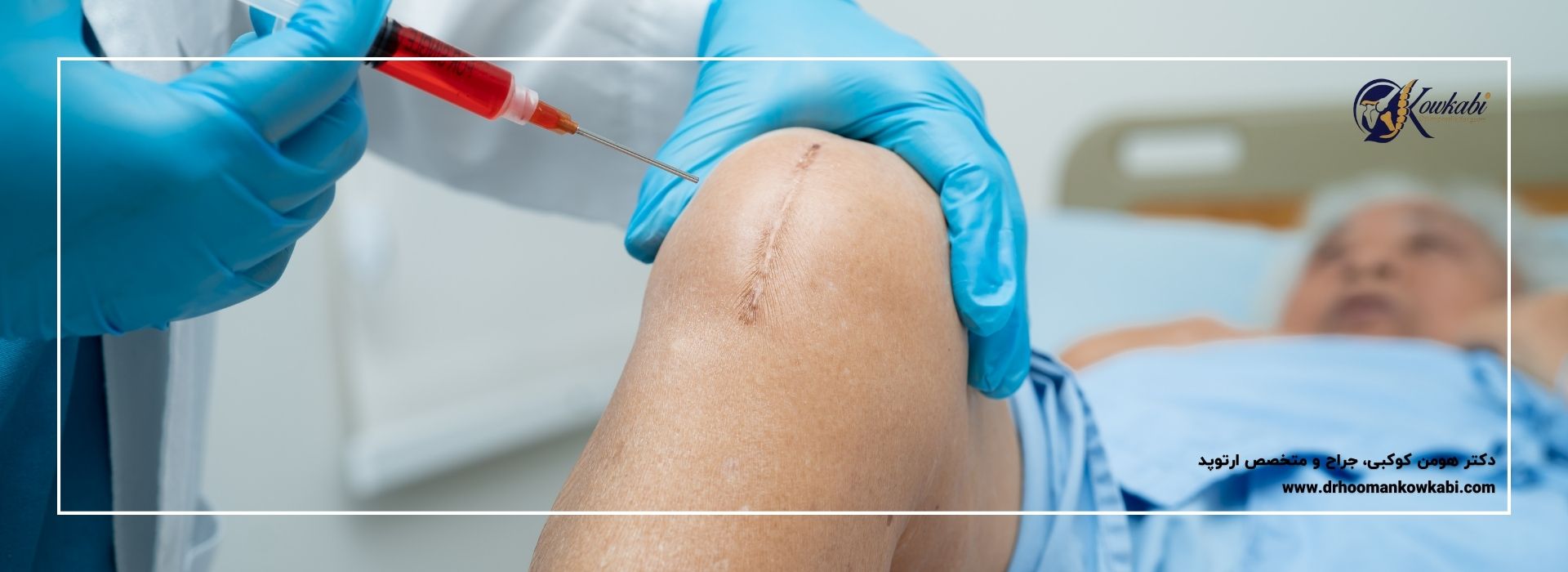
  4. PRP injection: The prepared PRP is injected into the knee area using a syringe and needle. Your doctor usually uses diagnostic imaging such as X-rays or ultrasound to better guide the injection to make sure that the PRP is injected exactly where it is needed.
  5. End of the process: After the injection, the injection area is closed with tape or a special bandage.
  6. After surgery: After the knee PRP injection, you will be given recommendations by the doctor. include rest, use of ice to reduce swelling and pain, and changes in your daily activities.

It is important that PRP injections for knee pain are performed by a skilled and experienced doctor and all procedures are performed carefully and in a hygienic manner. Also, the effects of this procedure may vary from person to person and your doctor can advise you on how to proceed after the injection. PRP knee specialist in Tehran Dr. Kokbi is the best in this type of injection.

The best PRP knee doctor

The effect of knee PRP

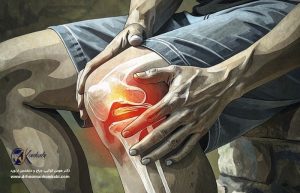
Injecting PRP (Platelet-Rich Plasma) into the knee may be effective in relieving symptoms and improving some knee problems. The effectiveness of this method usually depends on the severity of the knee problem, its cause, and the general condition of the patient. Below, I present the important effects of PRP injection to the knee: Pain relief: One of the important effects of PRP injection to the knee is pain relief. This procedure may help relieve knee pain caused by problems such as inflammation of the knee joint, soft tissue injuries, or arthritis. PRP contains growth factors and proteins that help to repair and heal tissues.

  • Improved performance: People who have knee problems related to sports or daily activities may experience improvement in their performance by injecting PRP knee to knee. This improvement can facilitate the return to sports or daily activities.
  • Tissue improvement: PRP knee contains platelets and growth factors that help repair damaged tissues. This may be effective as a restorative method in the treatment of knee soft tissue injuries and arthritis.
  • Inflammation improvement: If the inflammation of the knee joint has caused problems, knee PRP can help reduce inflammation and improve the condition of the knee.
  • Temporary effect: It should be noted that the effect of knee PRP injection is usually temporary. In other words, this method may provide pain relief and improvement of symptoms for a certain period of time, but its long-term effect may be variable and may require repeated injections.
  • The PRP knee doctor in Tehran can decide on the appropriate treatment based on your medical history, diagnostic evaluations and needs, and give you post-surgery recommendations.

    Pain after knee PRP

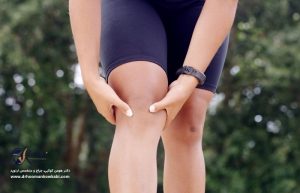
    After PRP injection into the knee, pain and symptoms may occur, which usually decrease over time. These pains and symptoms are usually temporary and usually occur within the first few days after the injection. Some common symptoms and experiences after PRP injections in the knee include the following:

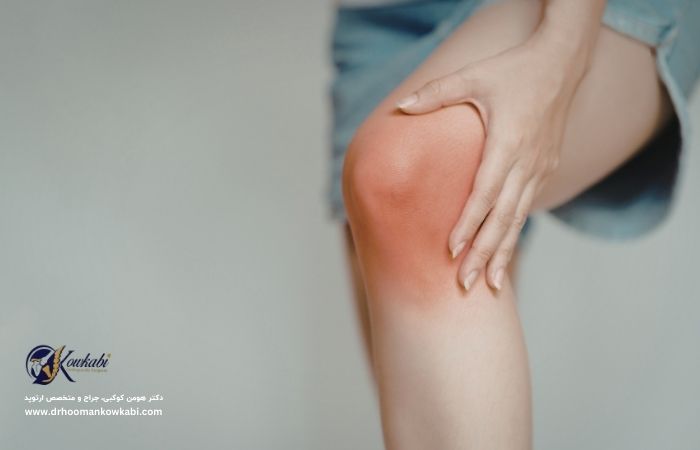
    1. Swelling and Swelling: After the injection, the knee may be swollen and red. This reaction is usually due to inflammatory factors in PRP. This swelling usually goes down in the first few days.
    2. Pain and Discomfort: Pain and discomfort in the injection area may occur. This pain is usually mild to moderate and gets worse in the first few days after the injection. For pain relief, the doctor may prescribe non-steroidal anti-inflammatory drugs (NSAIDs) or other medications.
    3. Limited movement: Some people may experience limited movement of their knee after PRP injection into the knee. This limitation is usually temporary and decreases with the passage of time.
    4. Nausea: Some people may experience nausea after PRP knee injection. These symptoms are usually mild and temporary.

    See a doctor if you have pain after the injection. Your doctor can assess problems and give you advice on post-injection care. Also, if the pain and swelling are very severe and chronic, it is better to contact your doctor to investigate the cause of these symptoms and prescribe the appropriate treatment.

    Who can do knee PRP?

    Injection of PRP (Platelet-Rich Plasma) into the knee is usually considered as a treatment method for some knee problems. But the decision to perform knee PRP should be made by your doctor and depends on your diagnosis and needs. The following section lists the people who need PRP.

    1. Injured people with sports problems: Athletes and people who have knee problems due to sports activities, may use knee PRP as a way to relieve pain and improve performance.
    2. People with knee joint inflammation: If you have knee joint inflammation (knee arthritis), knee PRP may be used as a treatment method to reduce inflammation and relieve pain. be used.
    3. People with knee arthritis: In cases where knee arthritis (joint destruction) has caused pain and uncomfortable symptoms, knee PRP may be considered as a method to manage pain and improve knee function.
    PRP Zanu Tehran

    What are the side effects of knee PRP?

    Injecting knee PRP (Platelet-Rich Plasma) into the knee is generally generally safe. Although many people benefit from this procedure without serious complications, they may have some side effects or uncomfortable experiences. Below are several complications or issues that may occur with knee PRP:

    1. Pain and Swelling: After PRP injection in the knee, pain and swelling may occur in the injection area. These symptoms usually persist for a short period of time in the first few days after injection. Infection: Infection at the injection site may occur if hygienic techniques in injection and equipment use are not followed. It is important to ensure that the injection is performed by a skilled physician and in a sanitary environment.
    2. Formation (Hematoma): In some cases, the formation of a hematoma or blood clot in the injection area may occur. This reaction is usually mild and gradually absorbed.
    3. Limited movement: Some people may experience limited knee movement after the injection. This problem is usually temporary and improves with successive movement exercises.
    4. Composition Deficiency: The quality and composition of PRP may depend on the effectiveness of the treatment and the reactions of the individual's disease. The right combination of PRP requires the right equipment and techniques.

    As a patient of Dr. Cookby, it is important to talk to him about all the possibilities and possible complications after the injection of PRP to the knee and ask all the questions. Dr. Cookby can guide you in making better treatment decisions.

    Who are not eligible for treatment with this method?

    The conditions for PRP (platelet-enriched plasma) treatment may not be suitable for some people. The following people may not be eligible for PRP treatment:

    1. People with blood problems: People who have blood problems such as severe anemia (anemia) or have certain blood disorders, PRP is not suitable for them.
    2. People with infections: If you have an infection in any part of the body, this method may not be suitable. Infection can be dangerous.
    3. People with a history of seizures: PRP makes it difficult to stimulate the nervous system, so people with a history of seizures and neurological disorders should consult their doctor.
    4. People with certain diseases: People with diseases such as hemophilia (a rare blood disorder) or other problems that cause a risk of bleeding may not be suitable for PRP.
    5. People with History of allergy to substances used in PRP: In PRP, substances such as anticoagulants are used to repair tissues. If you are allergic to these substances, PRP may not be suitable for you.

    Before doing any type of PRP treatment, it is better to consult your doctor so that he can evaluate your condition and make a suitable decision. Also, your doctor may ask you specific questions about your health history and medications you are taking to ensure that PRP will be safe and effective for you.

    FAQs about knee PRP

    Is rest necessary after knee PRP?

    Yes, rest is usually necessary after PRP knee injection. Rest and care during the post-surgery period after PRP injection to the knee helps improve performance and proper recovery.

    How much does knee PRP cost?

    Depending on the work done by the doctor, the costs vary.

    How long does PRP injection take?

    About an hour

    اشتراک‌گذاری:

    مقالات مرتبط

    مقالات دیگر از Dr. Mohammad Homan Kukbi

    47 مقاله
    Knee swelling, diagnosis, symptoms and treatment Dr. Homan Cookby
    مطالعه بیشتر

    Knee swelling, diagnosis, symptoms and treatment Dr. Homan Cookby

    Knee swelling is called fluid accumulation in the knee joint. This condition can be caused by injuries...

    2 weeks ago بخوانید
    Bone and joint infections Treatment by Dr. Homan Cookby
    مطالعه بیشتر

    Bone and joint infections Treatment by Dr. Homan Cookby

    Infections Infections are considered one of the most important and serious problems in the field of or...

    3 weeks ago بخوانید
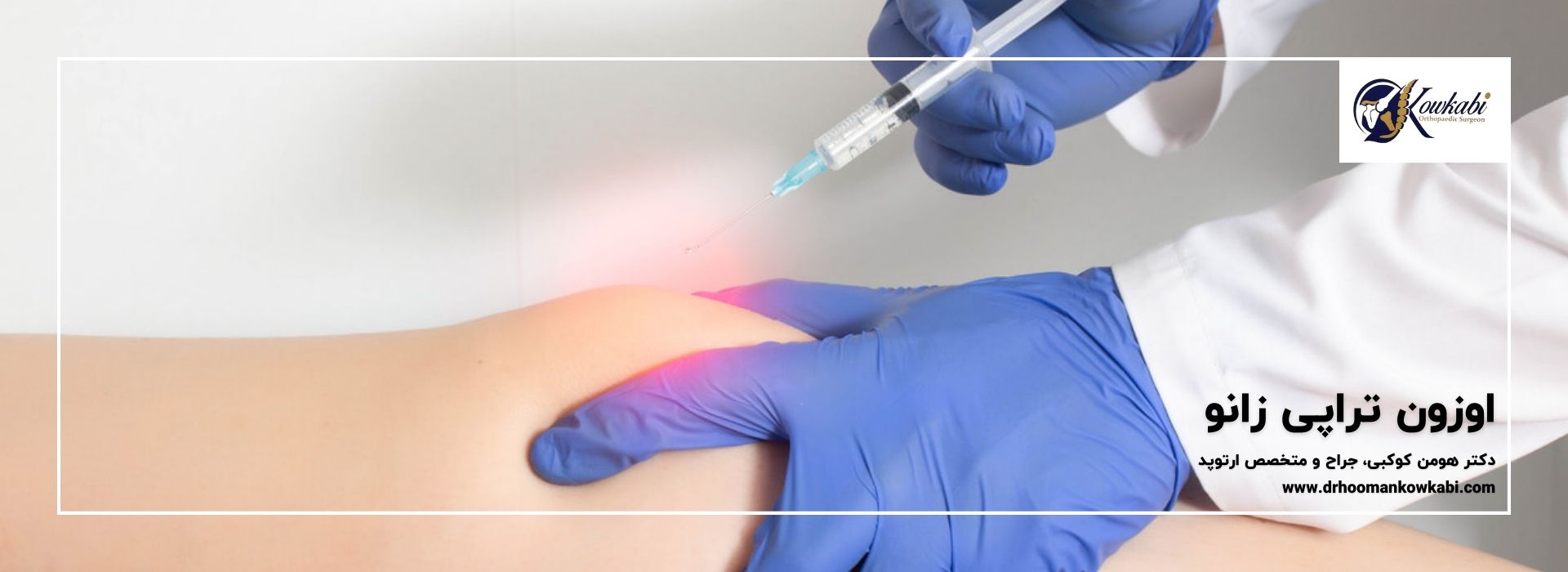
    Ozone therapy of the knee - Dr. Homan Kokbi
    مطالعه بیشتر

    Ozone therapy of the knee - Dr. Homan Kokbi

    پرش به محتوا اوزون تراپی زانو چیست؟...

    3 weeks ago بخوانید
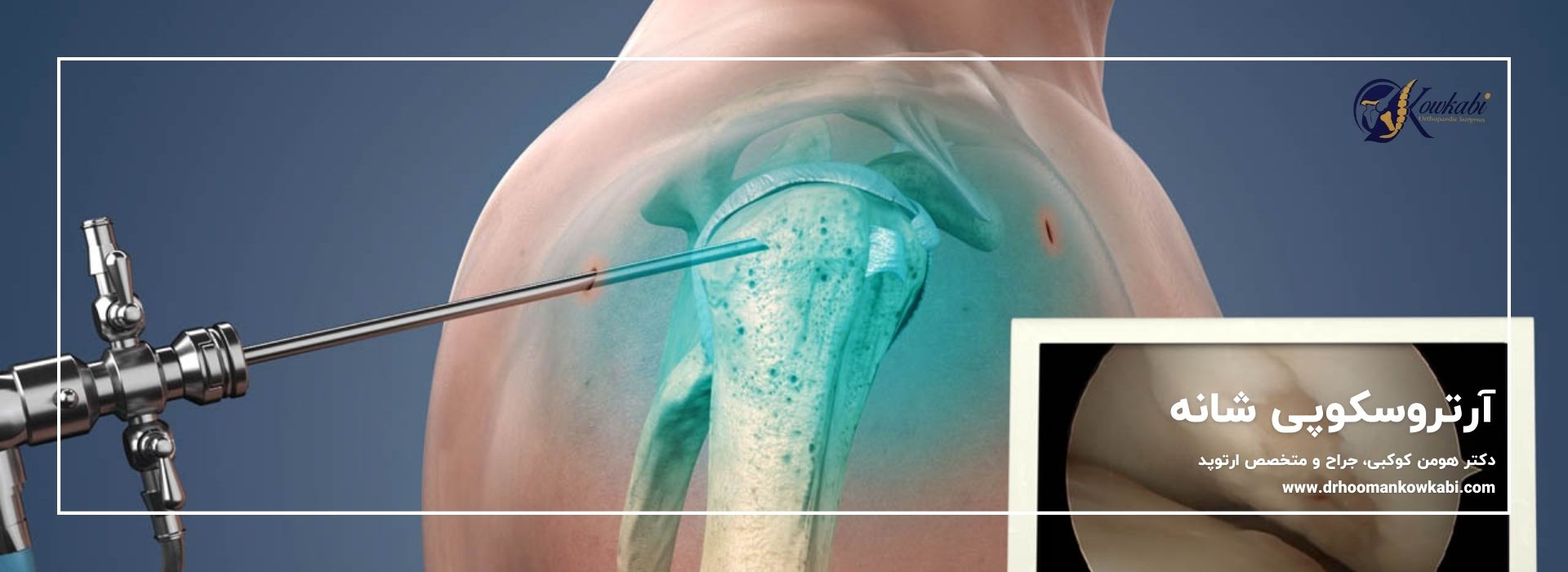
    Shoulder arthroscopy in Tehran | The best orthopedic surgeon Dr. Homan Kokbi
    مطالعه بیشتر

    Shoulder arthroscopy in Tehran | The best orthopedic surgeon Dr. Homan Kokbi

    پرش به محتوا جراحی آرتروسکوپی شانه...

    3 weeks ago بخوانید
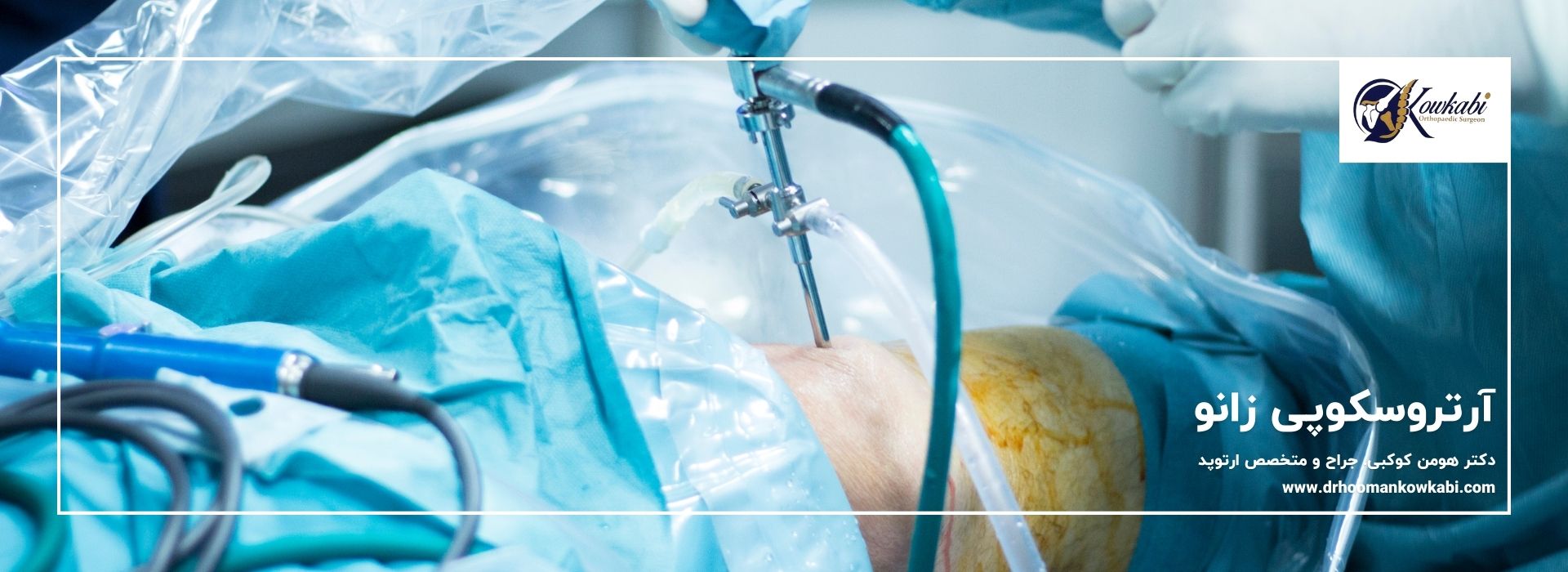
    Knee arthroscopy in Tehran Dr. Homan Kokbi, orthopedic surgeon
    مطالعه بیشتر

    Knee arthroscopy in Tehran Dr. Homan Kokbi, orthopedic surgeon

    پرش به محتوا بهترین جراح آرتروسکوپی زانو...

    3 weeks ago بخوانید
    رباط چیست؟ | همه چیز درباره رباط‌ها، انواع آسیب‌ها و درمان
    مطالعه بیشتر

    رباط چیست؟ | همه چیز درباره رباط‌ها، انواع آسیب‌ها و درمان

    رباط‌ها (Ligaments) از مهم‌ترین ساختارهای بافت همبند در بدن انسان هستند که وظیفه دارند استخوان‌ها را ب...

    1 month ago بخوانید
    کیست بیکر (کیست پوپلیتئال) علت، علائم، تشخیص و درمان
    مطالعه بیشتر

    کیست بیکر (کیست پوپلیتئال) علت، علائم، تشخیص و درمان

    کیست بیکر که با نام کیست پوپلیتئال نیز شناخته می‌شود، یکی از شایع‌ترین مشکلات ناحیه‌ی زانو است. این کی...

    1 month ago بخوانید
    تزریق کورتیزون (تزریق استروئید): راهنمایی جامع برای کاهش التهاب و درد - دکتر هومن کوکبی
    مطالعه بیشتر

    تزریق کورتیزون (تزریق استروئید): راهنمایی جامع برای کاهش التهاب و درد - دکتر هومن کوکبی

    در دنیای پزشکی امروز، روش‌های درمانی پیشرفته‌ای مانند تزریق کورتیزون (تزریق استروئید) نقش مهمی در مدیر...

    2 months ago بخوانید
    شکستگی کشکک زانو: علل، علائم، تشخیص و درمان
    مطالعه بیشتر

    شکستگی کشکک زانو: علل، علائم، تشخیص و درمان

    شکستگی کشکک زانو، شکستگی در پاتلا یا همان کشکک زانو است؛ استخوان کوچکی که در جلوی زانو قرار دارد. کشکک...

    2 months ago بخوانید
    بیماری ازگود شلاتر (درد زانو) - دکتر هومن کوکبی
    مطالعه بیشتر

    بیماری ازگود شلاتر (درد زانو) - دکتر هومن کوکبی

    بیماری ازگود شلاتر (درد زانو) چیست؟ بیماری ازگود-شلاتر یکی از علل شایع درد زانو در نوجوانان در حال رشد...

    2 months ago بخوانید
    تعویض مفصل لگن در تهران | دکتر هومن کوکبی جراح ارتوپد
    مطالعه بیشتر

    تعویض مفصل لگن در تهران | دکتر هومن کوکبی جراح ارتوپد

    تعویض مفصل لگن (آرتروپلاستی هیپ)...

    2 months ago بخوانید
    تعویض مفصل زانو در تهران | دکتر هومن کوکبی جراح ارتوپد
    مطالعه بیشتر

    تعویض مفصل زانو در تهران | دکتر هومن کوکبی جراح ارتوپد

    بهترین جراح تعویض مفصل زانو...

    2 months ago بخوانید
    Osgood Schlatter's disease (knee pain)
    مطالعه بیشتر

    Osgood Schlatter's disease (knee pain)

    What is Osgood-Schlatter's disease (knee pain)? Osgood-Schlatter disease is one of the common causes of **knee** pain in...

    2 months ago بخوانید
    fracture
    مطالعه بیشتر

    fracture

    Knee patella fracture is a fracture in the patella or the patella of the knee; A small bone in front of the knee. The p...

    2 months ago بخوانید
    Cortisone injection (steroid injection): a comprehensive guide to reduce inflammation and pain
    مطالعه بیشتر

    Cortisone injection (steroid injection): a comprehensive guide to reduce inflammation and pain

    In today's medical world, advanced treatment methods such as cortisone injections (steroid injections) play an important...

    2 months ago بخوانید
    All about gout
    مطالعه بیشتر

    All about gout

    Gout Gout is a painful form of arthritis.... When your body has excess uric acid, sharp crystals form in your joints (...

    3 months ago بخوانید
    knee bursitis
    مطالعه بیشتر

    knee bursitis

    Knee bursitis is a condition in which one or more small fluid-filled sacs near the knee joint become inflamed. The sacs...

    3 months ago بخوانید
    Pagedone
    Resources
    Products
    ©GCORP LLC 2026, All rights reserved.