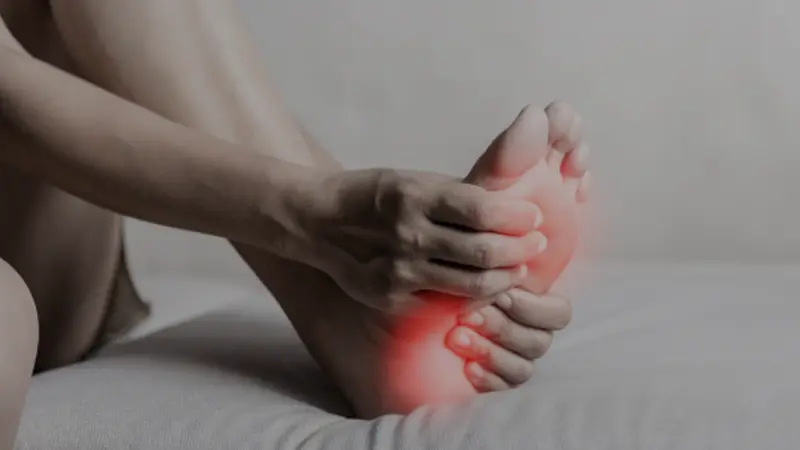

وقتی درد، گزگز یا بیحسی از کمر تا پاها امتداد پیدا میکند، معمولاً نشانهای فراتر از خستگی یا فشار عضلانی ساده است؛ علائم دیسک کمر در پا میتوانند زنگ خطری برای فشردگی عصبهای حیاتی ستون فقرات باشند.
آمارها نشان میدهند بیش از ۸۰ درصد افراد در طول زندگی خود حداقل یکبار دچار کمردرد یا دیسک کمر میشوند. در بسیاری از موارد، این مشکل با احساس درد یا سوزش در پا همراه است. Such conditions can make doing daily tasks such as walking, climbing stairs or even putting on shoes a real challenge.
But here is the important question: why leg pain can be a symptom of lumbar disc? Pressure on the lumbar nerves may affect the nerve pathway leading to the leg. So if it is not diagnosed in time, it leads to the risk of nerve damage and motor weakness. Early diagnosis and basic treatment is the key to preventing these injuries and can pave the way to return to a pain-free life.
In this article from Hoz Roshan Physiotherapy we are going to examine the symptoms of lumbar disc in legs and treatment methods. After reading, you can call 02188686800 to get a free consultation.
lumbar disc; A small but vital structure for pain-free movement
Lumbar Disc is a flexible and fibrous structure that is placed between the vertebrae of the spine and acts as a natural shock absorber. Each disc is composed of two main parts: the hard and ring-shaped outer part (Annulus Fibrosus) and the soft and jelly-like inner part (Nucleus Pulposus). This combination makes the spine absorb and spread the pressure evenly when bending, turning or lifting objects.The role of the lumbar disc is vital in maintaining flexibility and stability of the spine. When these discs are damaged, torn or protruded, the normal function of the spine is disturbed and excessive pressure is applied to the surrounding vertebrae and nerves.
Among the most important reasons for this condition, we can mention long-term sitting, weakness of the central muscles of the body, improperly carrying heavy objects, obesity and inactivity; Factors that are very common in today's lifestyle.When the outer part of the disc ruptures, the inner part may protrude and put pressure on the sciatic nerve. This pressure usually appears in the form of pain, tingling or numbness in the legs and is one of the clearest signs of a lumbar disc injury that requires specialist examination and treatment.
Relationship between lumbar disc and leg pain; When the origin of pain is elsewhere
In many cases, leg pain is not just a superficial symptom, but can also be a sign of pressure on the nerves in the lumbar region. When intervertebral discs bulge or herniate, the gelatinous substance inside them pushes out of its normal place and affects the nerve roots that exit the spinal cord.
These nerves are the communication path between the spine and the lower limbs, and any pressure or inflammation in this area can manifest as pain, numbness or burning in the legs.
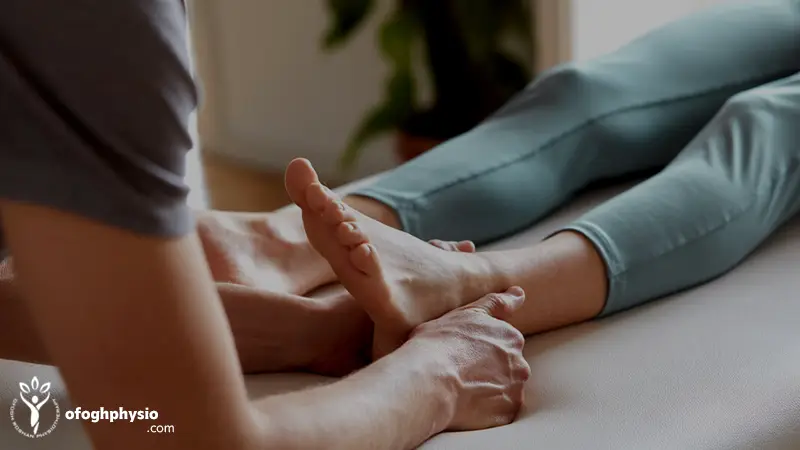
The main difference between low back disc pain and simple muscle pain is that in a disc injury, the pain is usually felt as a shooting pain from the back to the leg and may be accompanied by tingling or muscle weakness. While muscle pain is usually more localized and improves with rest or massage.
In the meantime, the most important route of pain transmission from the lower back to the leg is sciatic nerve; The longest nerve in the body that branches from the lower part of the spine and extends to the toes. When a bulging disc puts pressure on this nerve, symptoms such as shooting pain, numbness, or a tingling sensation in the leg develop. The accurate diagnosis of this type of pain and its differentiation from muscle or joint pain requires a specialized examination by a physiotherapist in order to choose an effective and targeted treatment.
Lumbar disc symptoms in the legs; When the pain starts from the back and reaches the feet
When the intervertebral discs in the lumbar region are protruded or inflamed, the nerves connected to the legs are pressed and certain symptoms appear in the lower limbs. These symptoms can range from mild pain to tingling, numbness or even muscle weakness. Knowing them accurately helps to start specialized treatment before the damage progresses. In the rest of the article, we are going to examine each of the signs with a real example.
| Symptoms | Short description |
| Shooting pain from the lower back to the leg or sole of the foot | Radiating pain caused by disc pressure on the sciatic nerve. |
| Feeling of burning or abnormal coldness in the leg | Feeling of burning or cold due to stimulation Nervous. |
| Numbness or numbness in the leg or fingers | Decreased sensation in a specific area of the leg due to nerve compression. |
| Muscular weakness of the leg | Decreased movement power and feeling of heaviness in the leg. |
| Feeling of electric shock or sudden shooting | Momentary pain with Sneezing, coughing or sudden movement. |
| Increased pain when sitting or standing for a long time | Increased pain in fixed body positions. |
shooting pain from the back to the leg or the sole of the foot
One of the most obvious symptoms of lumbar disc in the legs is a shooting pain that starts from the lower back or hips and continues to the back of the leg or even the sole of the foot. This pain has a specific path and many patients describe it with words like "electric shock" or "sudden shooting". Disc protrusion usually puts pressure on the nerve root and causes the pain to pass to the leg.
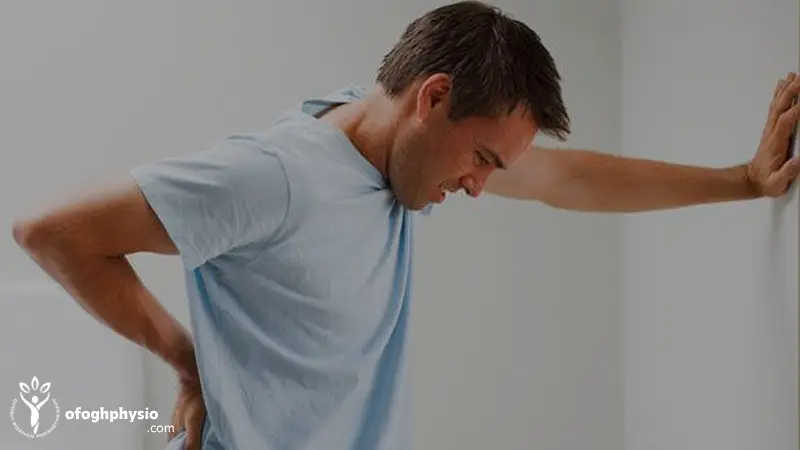
For example, a person who feels severe and persistent pain in the back of the leg when sitting for long periods of time or suddenly bending over, probably has compression of the sciatic nerve due to a lumbar disc. In such situations, early treatment can prevent further pain and damage.
If this pain does not go away with a short rest and is aggravated by sneezing, coughing or sitting for a long time, it is a warning sign that requires a specialized examination of physical therapy or MRI. Ignoring this pain may lead to permanent nerve damage and foot movement weakness in the long run.
Tingling and numbness in thigh, leg or toes
Tingling, humming or numbness in the legs are other important signs of nerve root involvement due to the lumbar disc. This sensation usually occurs along the path of the nerve in the foot, and patients describe it as "feet falling asleep", except that it is repeated continuously and does not improve with a change in body position.
A person who feels numbness in the big toe or sole of the foot while driving for a long time or sitting in a chair may have pressure on one of the lumbar nerve roots. This symptom, especially when accompanied by muscle weakness, is a sign of active nerve damage.
In such a situation, it is necessary to immediately examine the patient by a physiotherapist or doctor to prevent the progression of the injury with non-surgical treatments and inflammation control. Ignoring persistent tingling can lead to loss of sensation or difficulty walking.
leg muscle weakness and decrease of motor power
When the protruding disc puts a lot of pressure on the motor nerves, the function of the muscles controlled by that nerve is disturbed. The result of this condition is weakness in the legs or reduced strength when walking and climbing stairs. This sign is more common in the advanced stages of lumbar disc disease and indicates more serious nerve damage.
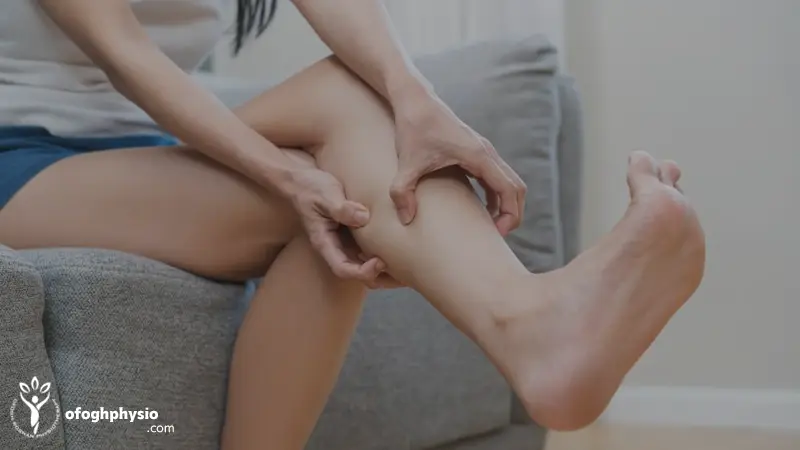
A person who used to climb stairs with ease now notices that their right leg has less strength or feels "empty" when standing for long periods of time. This is not normal and should be checked immediately. Early treatment with specialized physiotherapy can prevent the development of muscle weakness. If the weakness in one leg is more than the other leg or the patient is unable to lift the toe, the so-called (footdrop), it is a sign of significant pressure on the nerve root and it is necessary to see a specialist immediately.
burning-or-electric-shock-in-the-leg
Some patients describe a strange sensation in the leg, similar to electric current or burning along the leg. This sensation usually appears along the path of the sciatic nerve or the smaller nerves of the leg and is caused by irritation or inflammation of the nerve caused by the protrusion of the disc.
For example, a person who feels "hot" or "electrical" in the thighs and calves when lying on their side or sitting for long periods of time is likely to have nerve irritation caused by a lumbar disc. This feeling is not normal and unlike normal muscle pain, it does not go away with massage or changing the position. If this symptom persists, it can lead to chronic nerve damage. Physiotherapy treatments such as laser therapy, electrical stimulation and targeted exercise therapy can be very effective in reducing this burning sensation and restoring nerve function.
pain when sitting or sneezing (increased disc pressure)
If sudden pain is felt in the back or leg when sitting for a long time, bending over or even sneezing and coughing, it is very likely that the pressure inside the disc has increased. This type of pain occurs especially when the damaged disc puts more pressure on the adjacent nerve roots due to pressure changes.
For example, a person who has to sit at a desk for hours at work may feel a sharp pain from the back to the legs when standing up or sneezing. This pain often appears on a specific side of the body (for example, only the left leg) and indicates localized nerve compression. If such pain recurs frequently, it requires immediate evaluation. Performing stretching and corrective exercises under the supervision of a physiotherapist, correcting the sitting position and treating disc inflammation are among the most important measures that can prevent the progression of the disease and the occurrence of nerve damage.
Physiotherapy of back disc and leg pain; Modern treatment without surgery
Treatment of lumbar disc and leg pain in physiotherapy is a scientific and non-invasive approach that aims to reduce pain, relieve nerve pressure and restore normal body function.
Various methods are used in specialized clinics; including electrotherapy to reduce inflammation and muscle stimulation, laser therapy to repair damaged tissues, and traction (spine stretching) to release the nerve root under pressure.One of the most effective parts of physiotherapy is targeted exercise therapy that helps to stabilize the vertebrae by strengthening the central and surrounding muscles of the spine. These exercises help the patient not only get rid of the current pain, but also prevent the recurrence of disc protrusion in the future.

An important point is that even in lumbar disc surgeries, there is usually no focus on muscle strengthening. In surgery, a portion of the disc may be removed or burned, but the supporting structure of the spine is not strengthened; For this reason, in many cases, after some time, the patient will have a new protrusion in the higher or lower area. While lumbar disc physiotherapy stops this cycle from repeating with basic therapeutic exercises and brings the body to a stable movement balance.
Afq Roshan is a good physiotherapy in Saadat Abad, Tehran, using modern equipment and experienced physiotherapists, it is one of the leading centers in non-surgical lumbar disc treatment. In this center, each treatment program is designed based on the specific condition of the patient so that the recovery process is safe, fast and sustainable. You can call 02188686800 for a free consultation.
Home treatment of back disc and leg pain; Simple tips for relaxation at home
In the early stages or in mild cases, home treatment for low back disc and leg pain can help reduce inflammation and control pain, as long as it is done under the supervision of a doctor or physical therapist. Using hot and cold compress alternately reduces muscle spasm and relieves pain.
Observing the correct sitting and standing position during the day and avoiding sudden movements or lifting heavy objects plays an important role in preventing the exacerbation of symptoms. Performing light stretching exercises on the back and legs can also help improve blood flow and reduce pressure on the nerve root.
However, if the pain persists or shoots down the legs, it is necessary to see a physical therapist to prevent further damage and pressure on the sciatic nerve.
preventing back-disc and leg pain by changing lifestyle and healthy habits
Prevention of lower back disc and leg pain depends above all on lifestyle modification and correct movement habits. The first step is to pay attention to the correct sitting and standing position. The spine should be in its natural alignment and the knees should be slightly higher than the hips when sitting. Using an ergonomic chair and avoiding slouching will greatly reduce the pressure on the lumbar discs.
Strengthening the central muscles of the body (Core), including abdominal, back and hip muscles, plays an important role in stabilizing the spine and prevents damage to the discs. You should also avoid lifting heavy objects or sudden rotation of the trunk, because these movements put the most pressure on the intervertebral discs.
Besides these things, regular exercise, maintaining an ideal weight and following an anti-inflammatory diet will help maintain spine health and reduce the risk of disc herniation. By following these simple but key points, you can prevent the return of pain and increase the quality of life significantly.
Hoz-Roshan Physiotherapy; Experience of professional back disc treatment and fast leg rehabilitation Lumbar disc is one of the most common spine problems. Unhealthy lifestyle, incorrect sitting and standing, and inactivity increase the risk of infection. Weakness of the central muscles also increases this possibility. This condition is sometimes associated with specific symptoms in the legs; Such as shooting pain, tingling, numbness, burning and muscle weakness. All of these can be signs of pressure on the sciatic nerve. Timely diagnosis of these symptoms is very important to prevent the development of nerve damage.
In the early stages, home treatment and lifestyle modification can reduce many symptoms. But if there is no improvement, it is necessary to go to physical therapy. Afogh Roshan, a physiotherapy clinic in the west of Tehran, provides services with modern equipment and specialized methods. Our team includes experienced physical therapists who speed up the recovery process safely and effectively. To book an appointment, call 02188686800.
If you have any questions or concerns about lumbar disc or leg pain, ask them. Our experts will respond as soon as possible and provide detailed and practical guidance.





