به یاد فرزندان جاویدان این سرزمین

یادشان همواره در قلب این خاک زنده خواهد ماند

Knee arthroscopy in Tehran Dr. Homan Kokbi, orthopedic surgeon
مقاله تخصصی

Knee arthroscopy in Tehran Dr. Homan Kokbi, orthopedic surgeon

3 weeks ago
712 بازدید
Dr. Mohammad Homan Kukbi

Dr. Mohammad Homan Kukbi

Tehran

Orthopedic specialist (bone and joint surgery)

بهترین جراح آرتروسکوپی زانو

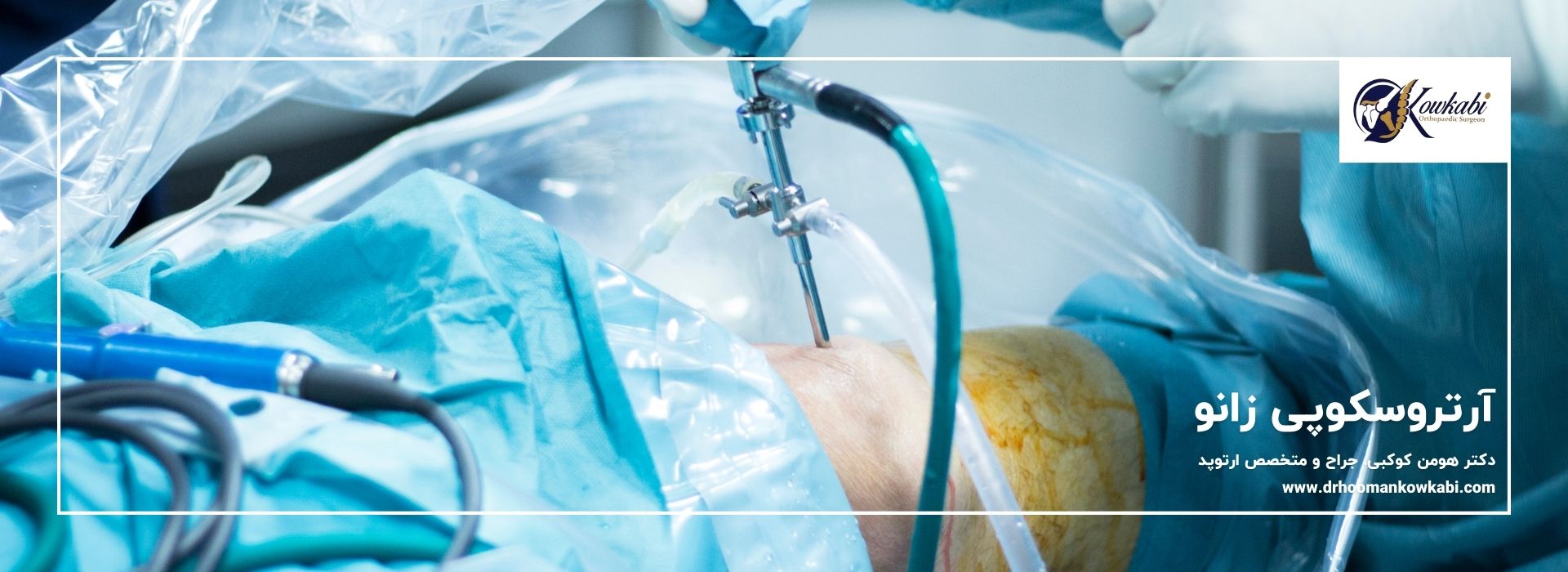
آرتروسکوپی زانو یک روش جراحی مینیمال است که برای تشخیص و درمان مشکلات زانو مورد استفاده قرار می‌گیرد. در این روش، پزشک یک دستگاه به نام آرتروسکوپ (یک لوله باریک با دوربین و نور) را از طریق یک یا چند برش کوچک در پوست و بافت‌های موجود در اطراف زانو وارد می‌کند. این دستگاه به وسیله تصاویر تولید شده توسط دوربین، به پزشک امکان مشاهده دقیق داخل زانو را می‌دهد. Be with the best knee arthroscopy surgeon to learn more about this method.

What is the knee arthroscopy method?

Knee arthroscopy in Tehran is used to diagnose and treat various problems including fractures, knee fractures, inflammations, tears and knee wounds, knee cartilage repair, knee cartilage (cartilage) replacement, performing compensatory surgeries such as anterior or posterior cruciate ligament surgery. is used.

The need for knee arthroscopy and the type of surgery and treatment required depends on the type and severity of the knee problem, and people who have knee problems can contact Dr. Kokbi in this regard.

What are the benefits of knee arthroscopy and why is knee arthroscopy performed?

What is the reason for knee arthroscopy? Arthroscopy is used to accurately diagnose, diagnose, and treat knee problems. This method is minimal surgery and has many advantages and applications as follows:

  1. Precise diagnosis: Arthroscopy allows the doctor to see directly and accurately from inside the knee joint. It helps the doctor to diagnose various problems such as fractures, inflammations, tears, wounds, cartilage repair, condition of ligaments and cartilage.
  2. Minimal surgery: Arthroscopy does not require large incisions and uses small incisions in the skin and tissues around the knee joint. This type of surgery reduces bleeding and pain.
  3. Treatment of knee problems: Using arthroscopy, problems such as cartilage repair, ligament surgery, fracture repair, and wound repair can be done. Traditional.
  4. Less surgical complications: The risk of infection and other surgical complications in arthroscopy is less than in open surgeries.
  5. Arthroscopy is performed as the treatment of choice for many knee problems and is usually recommended by orthopedic surgeons. However, the type and timing of arthroscopy depends on the type and severity of the knee problem and should be determined by a specialist doctor.
Knee Arthroscopy

How to prepare for arthroscopy?

To prepare for knee arthroscopy, you should follow your doctor's instructions and recommendations. The following are recommendations for preparation before knee arthroscopy:

  1. Consultation with a doctor: Consult your doctor first. He will give you detailed information about how to prepare for surgery and any special instructions you may need.
  2. Pre-surgery tests: You may need to have pre-surgery tests. These tests include blood tests, diagnostic imaging such as an MRI scan or CT scan of the knee, and other tests needed to evaluate the condition of your knee.
  3. Medications: If you are taking certain medications, ask your doctor whether you should stop taking them before surgery. Also, if your doctor has prescribed new medications for you, be sure to know how to take them before surgery.
  4. Prohibitions: During the preparation period and before surgery, you should not eat or drink anything. Dr. Kokbi is the best knee arthroscopy surgeon in Tehran that you can contact him from the contacts section.

    What conditions does knee arthroscopy treat?

    You may need knee arthroscopy in the following cases:

    Soft tissue injuries: Soft tissues include ligaments (connecting bones to bones) and tendons (connecting muscles to bones). connect). Some of the most common knee injuries are bursitis, meniscal tears, patellar tendonitis, anterior cruciate ligament tears (ACL tears), and medial collateral ligament tears (MCL tears). In this situation, acl arthroscopy or knee meniscus arthroscopy is performed.

    Fracture: Bones can break inside your knee. Sometimes, pieces of cartilage (the rubbery tissue that helps bones move against each other) can detach when you break a bone.

    Inflammation: The synovium inside a joint can become inflamed (swollen and irritated). Synovium is a soft tissue located inside the joint. Orthopedists call this condition synovitis.

    Who needs knee arthroscopy?

    If you have knee pain that doesn't improve with nonsurgical treatments, your doctor may recommend knee arthroscopy. Non-surgical treatments include rest, ozone knee therapy, knee PRP, and physical therapy (PT). Although arthritis causes knee pain, knee arthroscopic surgery is not always an effective treatment for arthritis.

    Specialists and orthopedic surgeons use knee arthroscopy to better view the cartilage, bones, and soft tissues inside the knee. They use this method to diagnose several types of knee injuries. Most of these injuries affect the ligaments and cartilages of the knee joint.
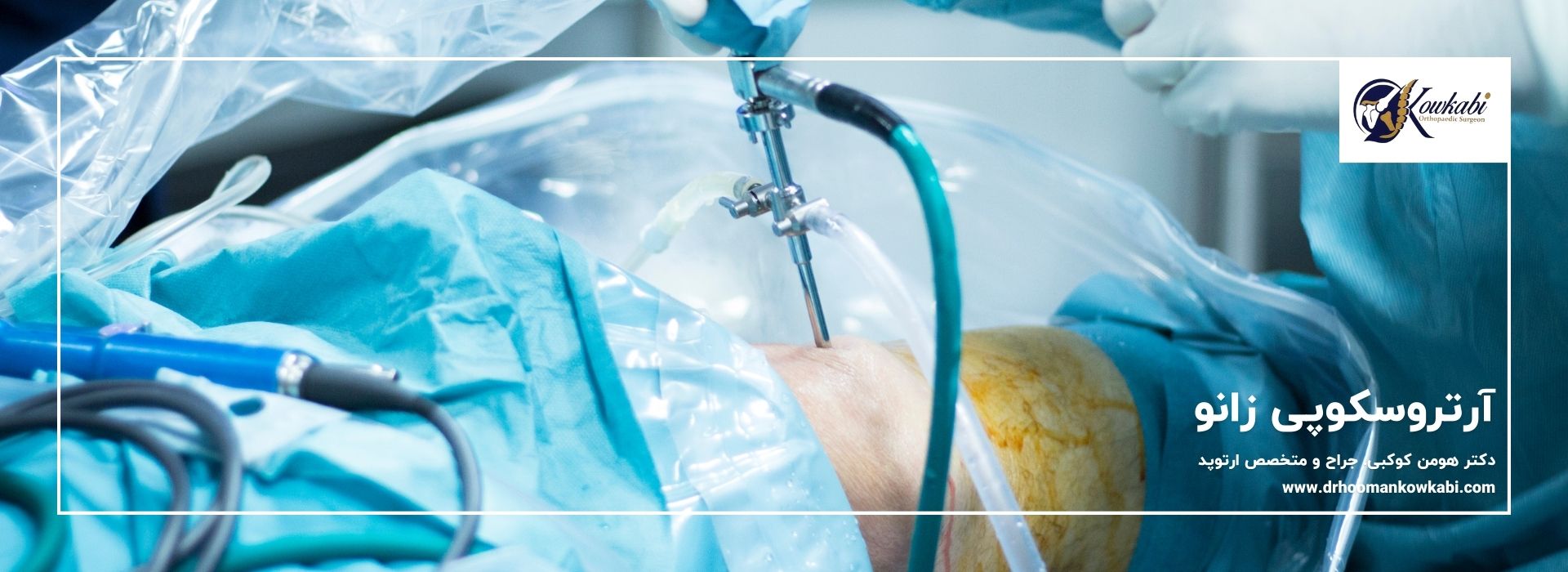
Anesthesia for arthroscopic surgery in Tehran

Arthroscopy of the knee is generally performed under general anesthesia or local anesthesia, but the type of anesthesia may depend on the specific condition of the patient and the type of operation. Below are descriptions of both types of anesthesia:

  1. General anesthesia: In this type of anesthesia, the patient is completely anesthetized. During surgery, the patient is under constant observation by an anesthesia team, and breathing and heart function are controlled by special devices.
  2. Local anesthesia: In some selected cases, the patient can receive local anesthesia or epidural anesthesia. In local anesthesia, only the area required for surgery can be numbed with special anesthetics.

When should arthroscopic surgery be performed?

Arthroscopic surgery is definitely recommended for knee problems including the following:

  • Meniscus tear: The meniscus is the cartilage that protects the space between the knee bones, and this surgery is performed to repair or remove it.
  • Tear or injury of the anterior cruciate ligament (ACL) or posterior cruciate ligament (PCL).
  • Inflammation or damage to the inner lining of the joint, this covering is also called synovium. is, refers to Sometimes this problem occurs when there is swelling and pain due to other reasons such as arthritis.
  • Repair or regeneration of cartilage defects.
  • Some fractures of the knee bone.

How is knee arthroscopy performed?

Knee Arthroscopy is a minimally invasive surgical procedure used to diagnose and treat various knee problems, such as fractures, joint inflammation, cartilage repair, and removal of blocked parts. Here is a general description of how knee arthroscopy is performed:

  1. Patient preparation: First, the patient enters the operating room and is put under anesthesia.
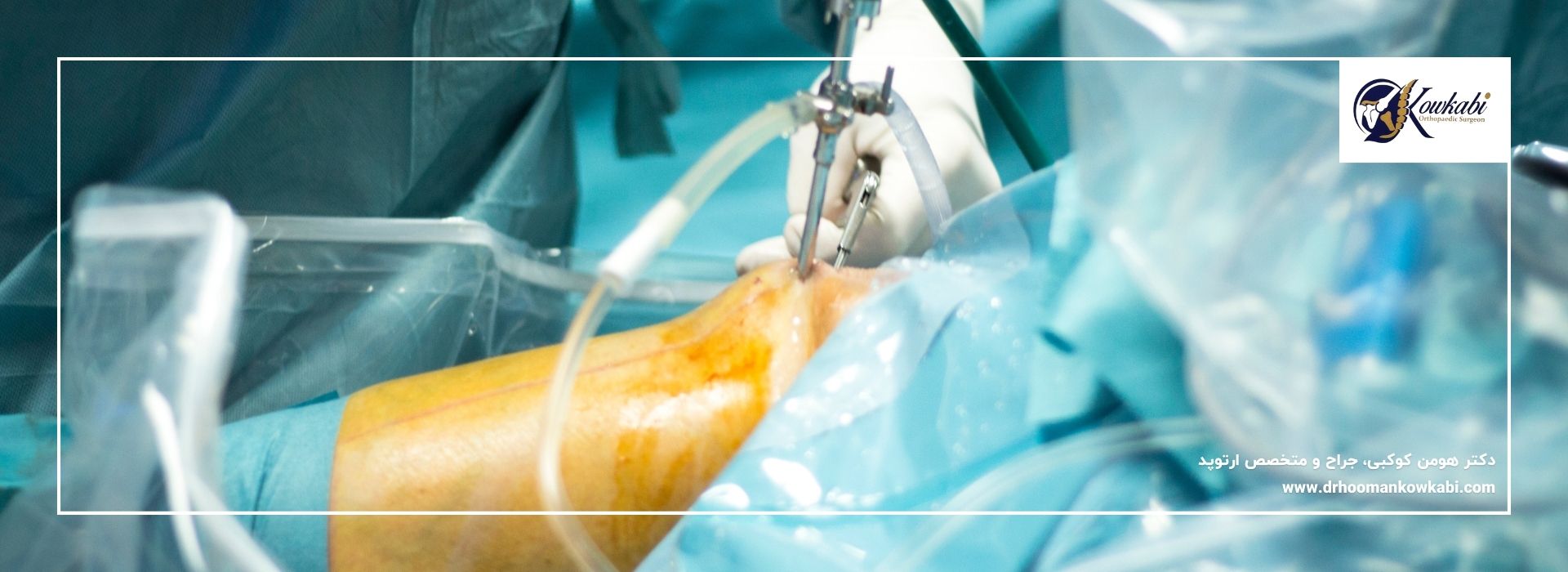
  2. Access phase: The surgeon makes one or more small incisions (about 1 to 2 cm) at various points around the knee. Then, an arthroscope (a tube with a camera and light) and other surgical instruments are inserted into the knee.
  3. Examination inside the joint: The arthroscopic camera allows the surgeon to see all the details inside the knee joint. This camera allows observation and examination to diagnose problems such as joint, inflammation, fractures and cartilage damage.

  4. Surgery: If reconstructive surgery is necessary (such as cartilage removal or repair), surgical instruments are inserted into the joint through small incisions and surgery is performed. The incisions are closed with a few stitches and bandages.
  5. Recovery and recovery: The patient is transferred to the ward, where nurses and physical therapists help the patient strengthen the knee and facilitate recovery.

After surgery, the patient must follow postoperative instructions exactly and follow their recovery period carefully. The time to return to daily activities and sports depends on the type and amount of surgery and the patient's condition and should be determined by the doctor.

Complications of knee arthroscopy

Knee arthroscopy is generally a safe and effective surgical procedure, but it may still have some common complications and problems. These complications include the following:

  1. Pain and inflammation: After knee arthroscopy surgery, pain and inflammation may be seen at the operation site. These complications rarely occur and can be reduced by taking pain relievers and post-surgery care. Bleeding: In some cases, the most bleeding may be seen at the operation site. This problem is usually mild and occurs seriously in less than 1% of cases.
  2. Infection: Also, infection at the surgical site may occur. Doctors take steps to reduce the chance of infection, but you should keep in mind that these complications can still occur. Blood clots: There is a risk of blood clots after knee arthroscopy, but this type of complication is rare for those with certain underlying diseases. Damage to nerves and other structures: During arthroscopy, nerves, muscles, Ligaments and other knee structures are damaged. This complication is rare and usually decreases with the experience of the doctor and the use of appropriate techniques.
  3. Sensory or motor disorder: In some cases, after knee arthroscopy, sensory or motor disorders may occur in the knee. These problems may be temporary or permanent. Recurrence of problems: In some cases, knee problems may recur after arthroscopy and require another surgery or retreatment. Before deciding to perform meniscus knee arthroscopy, the knee arthroscopy doctor will explain all possible complications and help you make the right decision. Also, it is important to follow the post-surgery instructions carefully to ensure a smooth recovery and to minimize complications.
Best knee arthroscopy surgeon

Contraindications for performing arthroscopic surgery

Arthroscopic knee surgery may be prohibited for some people due to certain medical conditions or other factors. Below are the things that may cause contraindications for arthroscopic knee surgery:

  1. Heart diseases: People with severe heart diseases may be contraindicated for arthroscopic surgery, because the surgery may require the most cardiac and metabolic activity of the person.
  2. Blood diseases: People with blood diseases such as hemophilia or chronic bleeding problems may be prohibited from undergoing surgery.
  3. Infection: If you currently have an infection in the knee or other areas of the body, the infection must be cleared before surgery.
  4. Inflammatory diseases: Some inflammatory diseases, such as rheumatoid arthritis (RA), can make surgery difficult.
  5. Anemia: People with low levels of blood (anemia) may be contraindicated for surgery, because It can increase the risk of further bleeding.
  6. Muscle and nerve defects: People with serious muscle and nerve defects may be contraindicated for arthroscopic surgery, as these defects can make postoperative recovery difficult.
  7. Pregnancy: Arthroscopic surgery should not be performed during pregnancy.
  8. History of anesthesia sensitivity: If you have a history of sensitivity or serious complications to anesthesia, your doctor It may prohibit you from having arthroscopic surgery.

The final decision about having arthroscopic surgery should be made by your doctor based on your medical history and condition. If you have doubts or questions, it is better to consult your doctor so that the right decision can be made for you.

Recovery period of knee arthroscopic surgery

The recovery period after arthroscopic knee surgery depends on the type of operation and the severity of the problem. However, in most cases, the recovery period after arthroscopic knee surgery includes the following steps:

  1. In the hospital: After the arthroscopic procedure, you will usually have to stay in the hospital to be cared for after the surgery and your medical condition. The hospital stay may be up to one or two nights.
  2. Pain control: Your doctor will prescribe pain relievers to reduce pain after surgery. You should follow your doctor's advice exactly when it comes to taking medications.
  3. Physiotherapy: After surgery, physical therapy (exercises and physical therapy) is usually recommended to strengthen the knee muscles and improve joint mobility. These exercises will help you heal your knee and quickly return to your daily activities.
  4. Care for signs of infection: You should keep the operation site as well as wounds and adhesives clean and dry, and inform your doctor of signs of infection such as excessive swelling and redness of the skin.
  5. Medical consultations: After surgery, you should have frequent consultations with your doctor to monitor the condition of your knee and the progress of treatment. Evaluate.

The recovery period after arthroscopic knee surgery may take several weeks or even months and depends on the type of surgery and your condition. Many patients recover well after arthroscopic surgery and return to their daily activities, but they must follow their doctor's recommendations carefully to ensure a smooth recovery.

Frequently asked questions about knee arthroscopy in Tehran

Is knee arthroscopy covered by insurance?

It depends on the selected clinic.

What type of anesthesia is used for knee arthroscopy surgery?

General anesthesia is used, but it also depends on the patient's condition.

How much does knee arthroscopy cost?

The cost depends on the doctor and the clinic. has the desired Costs vary. جهت اطلاعات بیشتر با ما تماس بگیرید.

اشتراک‌گذاری:

مقالات مرتبط

مقالات دیگر از Dr. Mohammad Homan Kukbi

47 مقاله
Osteonecrosis of the hip: causes, symptoms and options
مطالعه بیشتر

Osteonecrosis of the hip: causes, symptoms and options

**Osteonecrosis of the hip** is a painful disease that occurs when blood flow to the head of the femur (femur) is cut o...

3 months ago بخوانید
Osteonecrosis of the knee: causes, symptoms and methods
مطالعه بیشتر

Osteonecrosis of the knee: causes, symptoms and methods

Osteonecrosis of the knee (also known as avascular necrosis) is a painful condition that occurs when blood flow to part...

3 months ago بخوانید
Anterior cruciate ligament (ACL) tear of the knee
مطالعه بیشتر

Anterior cruciate ligament (ACL) tear of the knee

cruciate ligament (ACL) tear is one of the most common **knee** injuries that can affect the normal function of the knee...

3 months ago بخوانید
Prevention and treatment of osteoporosis
مطالعه بیشتر

Prevention and treatment of osteoporosis

This article provides comprehensive information on the prevention and treatment of osteoporosis... This article does no...

3 months ago بخوانید
The best (and worst) foods for gout
مطالعه بیشتر

The best (and worst) foods for gout

Gout is a painful disease caused by the increase of uric acid in the body.. Diet and knowledge of gout foods play an imp...

3 months ago بخوانید
Treatment of anterior cruciate ligament injury
مطالعه بیشتر

Treatment of anterior cruciate ligament injury

This article provides comprehensive information about ACL injury treatment options....This article does not address **kn...

3 months ago بخوانید
Front knee pain in teenagers
مطالعه بیشتر

Front knee pain in teenagers

This article is from **Dr.. knee, usually below the kneecap... knee, experience.... This condition, known as **anterior...

3 months ago بخوانید
Achilles Tendonitis: Causes, Symptoms and Treatments
مطالعه بیشتر

Achilles Tendonitis: Causes, Symptoms and Treatments

If you are the type of person who loves to run, hike or even take long walks, you must have heard of the Achilles tendon...

3 months ago بخوانید
Deep vein thrombosis (DVT): causes, symptoms and treatment
مطالعه بیشتر

Deep vein thrombosis (DVT): causes, symptoms and treatment

Hello friends!.. If you are looking for detailed and practical information about orthopedic problems, welcome to the we...

3 months ago بخوانید
Fractures after knee replacement: causes, symptoms, diagnosis and comprehensive treatment
مطالعه بیشتر

Fractures after knee replacement: causes, symptoms, diagnosis and comprehensive treatment

If you or a loved one has recently had a **total knee replacement**, you probably know that this surgery can dramaticall...

3 months ago بخوانید
Fracture after hip replacement: causes, symptoms and treatment
مطالعه بیشتر

Fracture after hip replacement: causes, symptoms and treatment

If you or a loved one has recently undergone a total hip replacement, you may be concerned about possible complications...

3 months ago بخوانید
Prevention of blood clots after orthopedic surgery
مطالعه بیشتر

Prevention of blood clots after orthopedic surgery

If you or one of your loved ones is planning an orthopedic surgery such as ** knee replacement **, you are probably worr...

3 months ago بخوانید
Prevention of infection after joint replacement surgery
مطالعه بیشتر

Prevention of infection after joint replacement surgery

In the modern medical world, joint replacement surgery such as **joint replacement** is one of the most successful ways...

3 months ago بخوانید
Pagedone
Resources
Products
©GCORP LLC 2026, All rights reserved.