Table of Contents
When conflict or war becomes the headlines of the day, it can bring with it a wave of emotions such as fear, sadness, anger and anxiety. In such a situation, even adults cannot easily manage their conflicting emotions. But children may be more traumatized than other people in such situations. Since children look to their parents in times of crisis to feel safe and calm and ask them questions, it is better to know how to talk to children about war.
How to talk to children about war
The occurrence of war creates a stressful situation for all people. The news about this incident is published in all media and usually everyone talks about it. In such a situation, it is natural to talk about war in the family. Children, regardless of their age, become anxious and worried when they hear these news, especially from close people or in their familiar and safe environments or see related pictures. For parents, talking about war can be a complicated and uncomfortable topic. But children and teenagers should not be left alone with their fears. So spending time listening and talking to children about their concerns can help them feel more relaxed and in control.
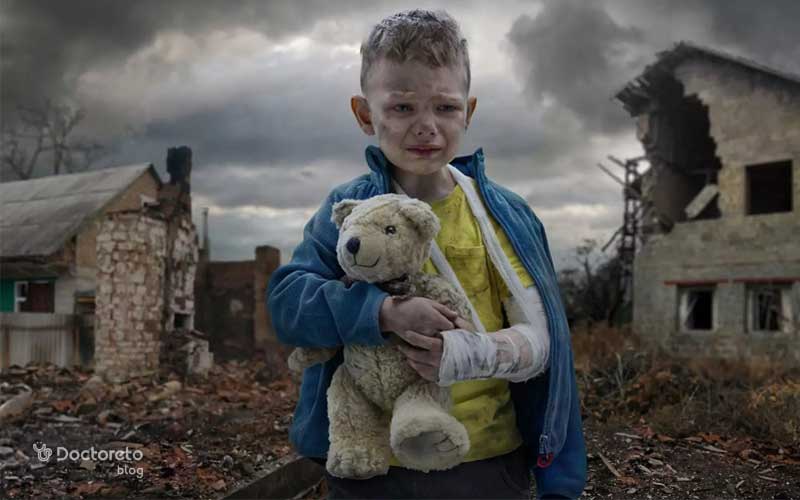
1. Recognize children's thoughts and feelings
For this, choose a time and a place where your children can easily ask their questions and feel safe, for example, during meals can be a good time. Try to avoid talking about it right before bed.
A good starting point is to ask your child what he knows about the war and how he feels about it. Some children may know little about what's going on and not be interested in talking about it, but others may worry in silence. For younger children, drawings, stories, and other activities can help start the discussion.
Children can hear news in different ways. Therefore, it is important to check what they see and hear. This is an opportunity to reassure them and possibly correct any misinformation they may have received online, on TV, at school or from friends.
Continuous flow of disturbing images and headlines can make children feel that there is a crisis in their close circle. Younger children may not distinguish between their images and their personal reality and may believe that they are in immediate danger, even if the conflict is taking place in the distance. Older children may have seen disturbing things on social media and fear how things could escalate. It is important not to belittle or ignore their concerns. If they ask a question that might seem extreme to you, like "Are we all going to die?", reassure them that it won't happen. But also try to understand what they have heard and why they are concerned. If you can understand where the worry is coming from, you are more likely to be able to reassure them.
Be sure to understand their feelings and reassure them that whatever they are feeling is normal. Show them you are listening by giving them your full attention and remind them they can talk to you or another trusted adult whenever they want.
2. Speak according to the child's age
Children have a right to know what is going on in the world, but adults also have a responsibility to keep them safe from distress. You know your child better than anyone, so use age-appropriate language. Watch their reactions and be sensitive to their anxiety level.
If you feel sad or worried about what is happening, it is normal. But remember that children take their emotional cues from adults, so try not to overshare any fear with your child. Speak calmly and pay attention to your body language, such as facial expressions.
As much as you can, reassure your children that they are safe from any danger. Remind them that many people around the world are working hard to stop conflict and find peace.Remember, as a parent, it's okay not to have the answers to every question. You can say that you have to look it up or use it as an opportunity to find answers with older children. Use reputable websites or international organizations such as UNICEF and the United Nations. Explain that some online information is not accurate and state the importance of finding reliable sources.
3. Promote Kindness
Conflict can often lead to prejudice and discrimination, whether against a nation or a country. When talking to your children, avoid labels like "bad people" or "evil" and instead use it as an opportunity to encourage compassion, such as for families who have been forced to flee their homes.
Remind your children that everyone deserves to be safe. Bullying and discrimination are always wrong and each of us should do our part to spread kindness and support each other.
4. Teaching empathy and helping others
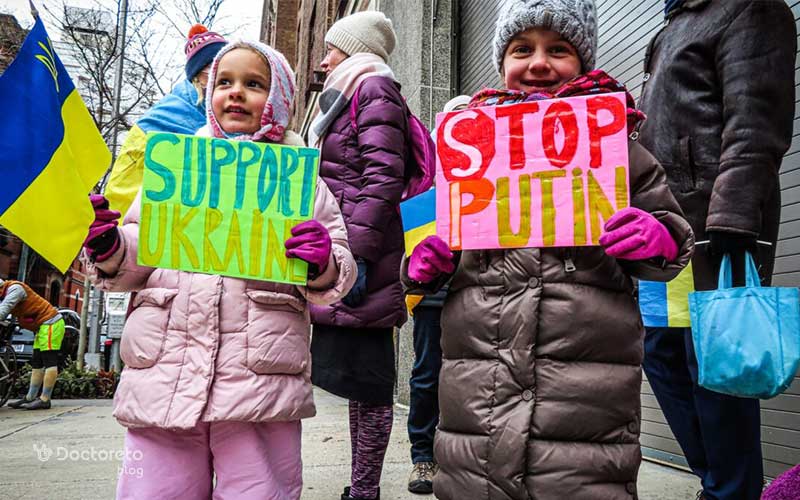
It is important for children to know that people help each other through acts of bravery and kindness. The sense of doing something, no matter how small, can often bring great relief. See if your child likes to participate in positive activities. Maybe they could draw a picture or write a poem for peace, or maybe you could attend a local fundraiser or join a march. The feeling of doing something, no matter how small, can often bring a lot of relief.
5. Intimate conversations with care
Note that it is not always easy for a child to talk about feelings. The child may not have access to the concepts and words that describe his concerns. A child cannot analyze or process what it hears or sees in the same way as an adult. Give the child time and space to talk about their experience in their own words and be ready to listen. When ending the conversation, it's important to make sure you don't leave your child in distress. Try to gauge their anxiety level by observing their body language, whether they are using their usual tone of voice, and also by paying attention to their breathing.
English text:
unicef
Remind them that you care and that you're there to listen and support whenever they're feeling worried.
Text translation:
Remind them that their existence is important to you and whenever they feel worried, you are there to listen and support them.
6. Observe the mental state of the child
As news of the war continues, you should continue to check on your child's mental state. Be careful not to over-explain the situation or go into too much detail as this can make children unnecessarily anxious. Younger children may be content with just understanding that sometimes countries fight each other.
Children react differently to adverse events, and some signs of distress may not be so obvious. Young children may become more dependent on their parents than usual, while teenagers may show extreme sadness or anger. Many of these reactions only last for a short time and are normal responses to stressful events. If these reactions continue for a long time, your child may need the support of a specialist or psychologist.
You can help them reduce stress by doing activities like belly breathing together: take 5 deep breaths, inhale for 5 seconds and exhale for 5 seconds, inhale through your nose and exhale through your mouth.
If your child brings up the subject of war, be prepared to talk to him. If it's right before bed, help them fall asleep by doing something positive like reading them a favorite story.
English text:
unicef
If your child seems worried or anxious about what’s happening, keep an eye out for any changes in how they behave or feel, such as stomachaches, headaches, nightmares or difficulties sleeping. heartache, headache, nightmares or sleep problems.
7. Limit listening to news
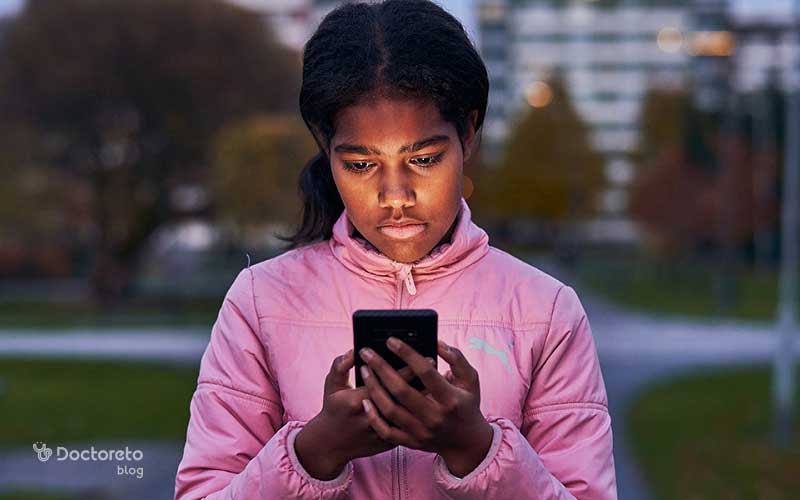
While the news is full of alarming headlines and disturbing images, be aware of how much your children are exposed to the news. Consider turning off news media around younger children. But if the children are older, you can use it as an opportunity to discuss how much time they spend reading the news and what news sources they trust. As much as possible, try to create positive distractions such as playing games or going for a walk together.
How to manage news for kids
Although managing the content that children are exposed to in today's world and digital age is not an easy task, but especially in war conditions, it is better to take care of the news that children are exposed to. In the table below, you can read the necessary measures to manage watching war news for children.
| Method | Description |
|---|---|
| Keeping Children Alone During News Broadcasts | Try to be with your children when watching media coverage of war. This way, you can talk to them about their fears and answer any questions they may have. |
| Speaking in their own language and setting limits | Talk to children about the war in a language they understand and set limits on how long they can watch TV or Internet news coverage. Explain why you are doing this, you don't want them to worry unnecessarily. |
| Create alternative activities | Take them away from media coverage in some way, watching a different TV show or play a helpful game. |
| Reassure them they are safe | Give your children information and help them understand what is going on. it happened, why it happened, how likely it is to happen to you and your family. |
| Reminder the positives | Remind your children that although the events of war are sad, there are many good things happening in the world, although these events do not always receive the same amount of attention. |
Conclusion and guide to see a doctor
If you can deal with the issue of war yourself, you can help your children better. Consider how to talk to children about war. Children will pick up on your reaction to the news, so it helps them know you're calm and in control. If you feel anxious or upset, take time for yourself and reach out to other family members, friends, and people you trust. Try to identify key times during the day to check what's going on, rather than being online all the time. As much as you can, spend time doing things that help you relax and restore your strength.
Your doctor takes care of your health!