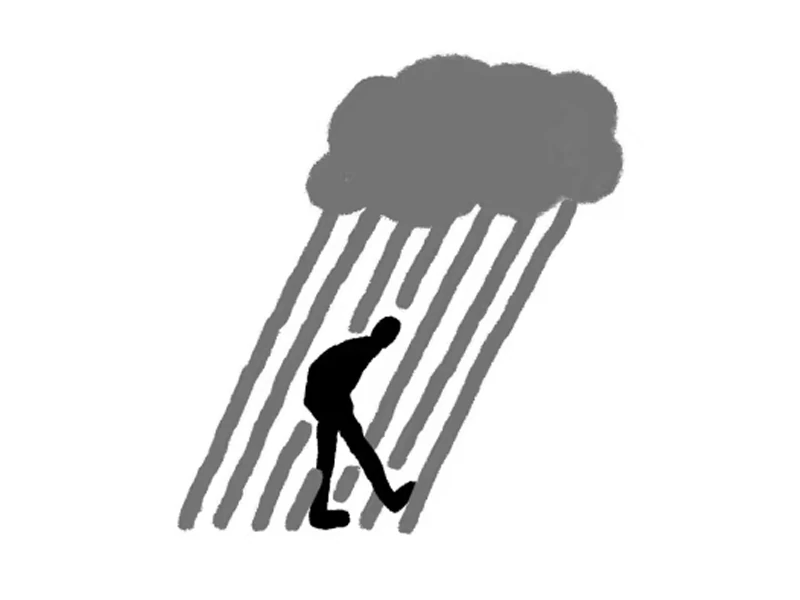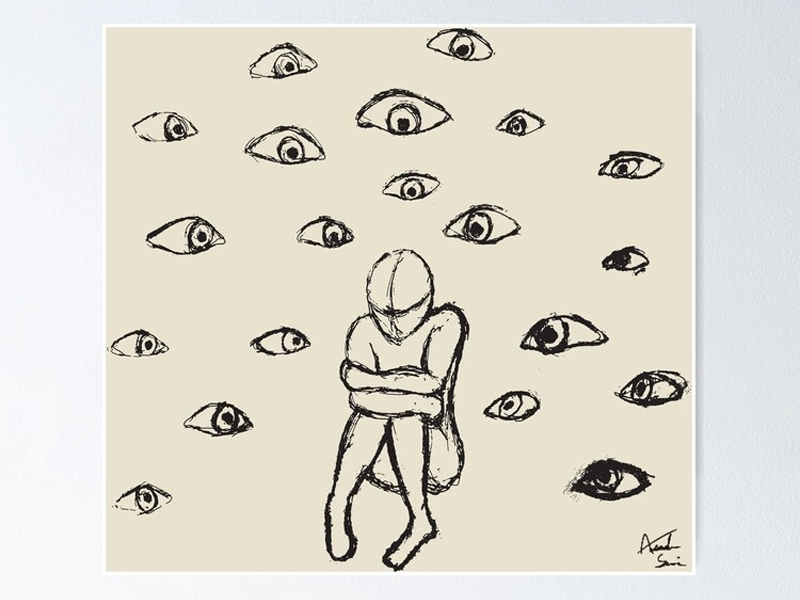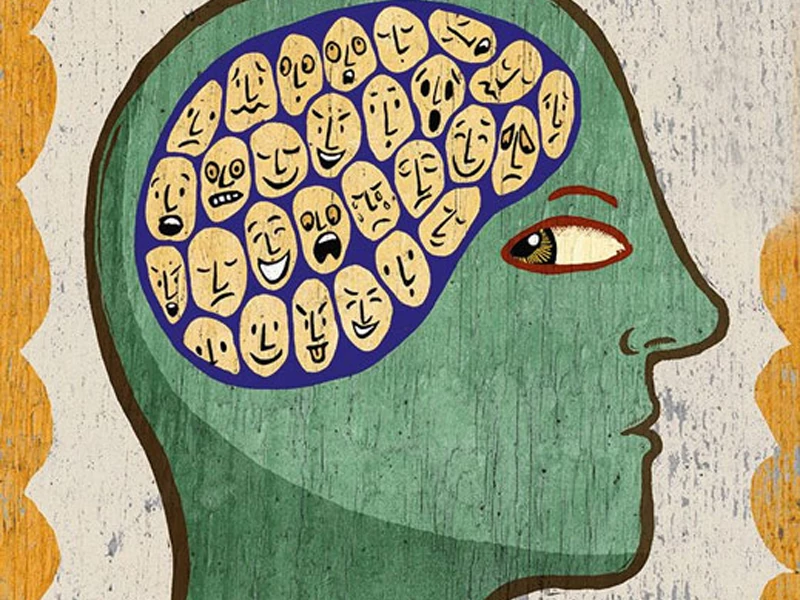

گفتگوی درونی به طور کلی به صحبتهایی اشاره دارد که انسان با خود انجام میدهد، بدون اینکه این گفتوگوها لزوماً به صورت واضح و قابل شنیدن باشند. These mental conversations can appear in the form of thoughts, feelings, or inner judgments and have a great impact on how a person behaves and reacts in everyday life. Inner dialogue can be both positive and negative, and this feature has profound effects on a person's mental health and quality of life.

What is internal?
Internal dialogue refers to thoughts, feelings, and personal criticisms or affirmations that are going on in a person's mind. These internal conversations can be formed consciously or unconsciously and affect the individual's experiences, motivations and behaviors. Internal dialogue may intensify in various situations, such as facing challenges or emotional experiences. For advice on internal dialogue, you can refer to Mehrbod Psychology and Psychiatry Group.
Types Internal dialogue
- Positive self-talk: This type of self-talk includes thoughts and words that encourage, support, and guide a person towards growth.
- Negative inner dialogue: This type of inner dialogue includes self-critical, negative and self-reducing thoughts that reduce self-confidence It can lead to a decrease in motivation and a feeling of helplessness.
- Neutral internal dialogue: in this state, a person may simply analyze and process his thoughts and experiences without making specific judgments.
Causes of negative mental internal dialogue
One of the main causes of internal dialogue is negative and humiliating experiences in the past. People who have been neglected, ignored or humiliated in childhood or in certain situations by people around them or society, often unconsciously develop negative thoughts in their minds. These experiences can make a person feel less than others and face negative internal conversations such as "I can't" or "I'm not valuable".
Psychological factors such as anxiety and stress can also cause the formation of negative internal dialogue. When a person is under the pressures of life, such as financial problems, complicated relationships or job stress, the mind is constantly trying to solve problems and think about the future. In this situation, a person may think too much about his flaws and mistakes and enter a circle of negative thoughts that he does not consider himself capable of changing the situation.
In addition to past experiences and everyday stress, social pressures and unrealistic expectations can also be the cause of negative internal conversations. In today's society, expectations such as career success, a well-groomed appearance, or having ideal relationships can force a person to constantly compare themselves with others. These comparisons usually lead to negative thoughts and self-criticism, because the person sees himself as inferior to others and feels that he cannot meet social expectations.
Read more: pessimism
Symptoms of negative mental internal dialogue
- Negative and self-critical thoughts: such as “I can't do this” or “I'm always wrong.”
- Frequent worries: repeating anxious thoughts and worrying about the future.
- Feeling of incompetence: feeling weak and unable to face challenges.
- Poor decisions: Due to negative thoughts, a person may not be able to make appropriate decisions.
Methods to correct internal mental dialogue
- Awareness and recognition of thoughts: The first step in correcting the internal dialogue is identifying negative thoughts and being aware of them.
- Challenge with negative thoughts: When negative thoughts arise in the mind, they should be answered and challenged.
- Changing inner language: changing from negative language to positive and supportive language can help a person to have a better view of himself and situations.
- Mental exercises and meditation: meditation exercises can help reduce anxiety and improve inner dialogue.
- Cognitive-behavioral therapy techniques (CBT): This method helps a person to analyze his thoughts and direct them towards positive and rational thoughts.

Prevention of negative internal dialogue
To prevent negative self-talk, the first step is to be aware of your thoughts and feelings. People need to learn how to identify their thoughts and examine them from a more realistic perspective. Mental exercises such as meditation, yoga, and deep breathing techniques can help reduce stress and anxiety, thereby reducing negative thoughts. Also, creating a supportive and positive environment, both in the family and at work, can help a person to find a better perspective on himself and different situations when facing challenges.
Which doctor should we refer to for the treatment of mental rumination?
If a person suffers from rumination (repetitive and involuntary thoughts that focus on certain issues or problems) and this situation negatively affects his quality of life, seeing a psychologist or psychiatrist can be very helpful. In the Mehrbad psychology and psychiatry group, skilled specialists in various fields of psychology and psychiatry are ready to help a person manage and control intrusive thoughts and mental rumination by using various treatment methods, including cognitive-behavioral therapy (CBT) and drug therapy if necessary.
This group can help people to find better coping skills to manage their thoughts and get rid of ruminations that may be caused by anxiety, depression or stress through counseling and therapy sessions. If rumination has turned into more serious mental problems, kind psychiatrists can advise on drug treatment and various treatment options.
treatment methods of mental rumination
- Cognitive-behavioral psychotherapy (CBT): helping to change negative and unrealistic thoughts.
- Analytical psychotherapy: examining the roots of thoughts and feelings and correcting them.
- Drug therapy: In some cases, taking drugs such as antidepressants can help a person control thoughts and feelings.
- Mind-body interventions: such as yoga or meditation that can help correct internal dialogue.
Conclusion
Internal dialogue is a powerful tool that can affect a person's life in a positive or negative way. Recognizing and correcting negative internal dialogue can help improve quality of life and mental health. The use of different treatment and care methods can help people reach a positive and constructive internal dialogue.