How to manage stress with psychological solutions?

Dr. Ahmed Akbari
ArakNeurologist and psychiatrist
- November 14, 2018
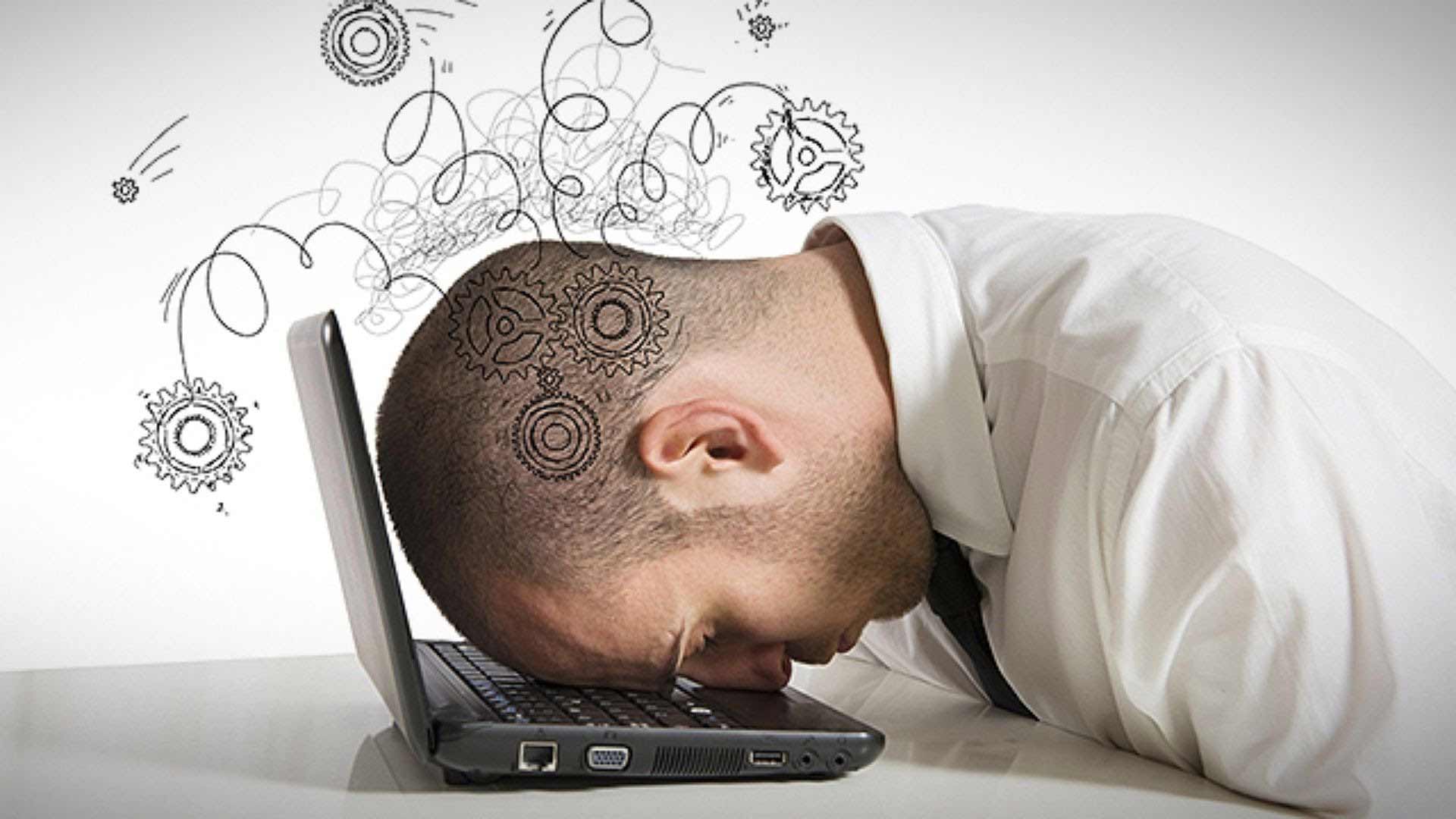
The response or reaction of an organism to any change in the environment is expected by disrupting the life routine of stress. In the past, it was believed that only negative events and major unpleasant changes are stressful, while today it is believed that any change can be stressful, even positive changes can cause stress if it disrupts the normal schedule and routine of a person's daily life. Currently, it can be said that minor but persistent everyday problems are also considered stressful, because the chronicity of minor daily problems can eventually cause the collapse of a person's psychological balance.
What are the signs of stress?
When a person is faced with stressful factors, his eyes and mind will be affected, and digestive problems, insomnia, muscle tension, loss of appetite, overeating, headaches, feeling tired, etc. are all physical signs of stress. Aggression, anxiety, depression, irritability, avoidance of gatherings, drop in academic and job performance, reduced attention and concentration, mental preoccupation with a problem or stressful event are psychological signs of stress. For more complete information, contact Family Counseling Center Phone.
What are the sources of stress?
Various factors inside the person and outside can contribute to the occurrence of mental pressure as a source of stress. which we will refer to in the following for you to get to know them more.
Internal factors:
Biological or biological factors and psychological factors are considered as internal ester-forming factors.
Biological factors:
Hormonal changes and hyperactivity of the sympathetic nervous system can lead to an increase in mental pressure. Of course, it goes without saying that the sympathetic nervous system is stimulated in response to the threats received by the person. Stimulation of this device causes the release of adrenaline and no-adrenaline hormones, which are called stress hormones. The release of blood sugar following the release of adrenal hormones enables the fight-flight and rest response. In response to the threat, the organism usually shows one of these reactions. Humans are faced with many stressful factors in the long run, some of these factors can cause the activity of the sympathetic system and the release of stress hormones, but in many cases, there is no possibility of a fight-or-flight reaction and stillness. Like someone who has to spend a long time in traffic and endure polluted air every day, and these pressures always cause continuous stimulation of the sympathetic nerves and the release of stress hormones. People who are under stress often have a weakened immune system and therefore are prone to illness. In addition, cardiovascular problems, ulcers and cancer are often seen in people who face severe stress or mild but chronic stress.
Psychological factors:
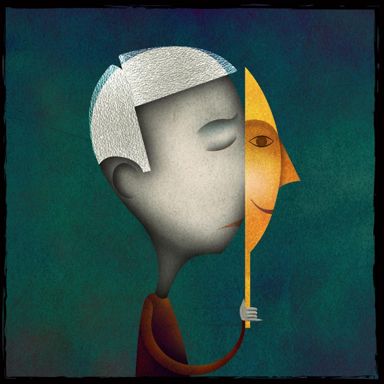
Personality traits such as perfectionism, being in a hurry, etc. Self-centered thoughts and beliefs, life problems and feelings of helplessness, lack of control, lack or weakness of coping skills are among the psychological factors that make a person vulnerable to stressful factors.
External factors:
External and environmental factors such as economic pressures, unemployment, interpersonal problems, economic poverty, job competition, etc. Among the environmental factors that are considered to be stress triggers. Meanwhile, positive environmental factors such as marriage, pregnancy, migration and job promotion can also be stressful. Of course, the role of cognitive factors cannot be ignored. Visit Marriage Counseling Address and professionals to get enough information. People's perceptions of a particular event can be stressful. Ellis stated that a person's interpretation of a specific event can contribute to his emotional and behavioral response.How to manage stress?
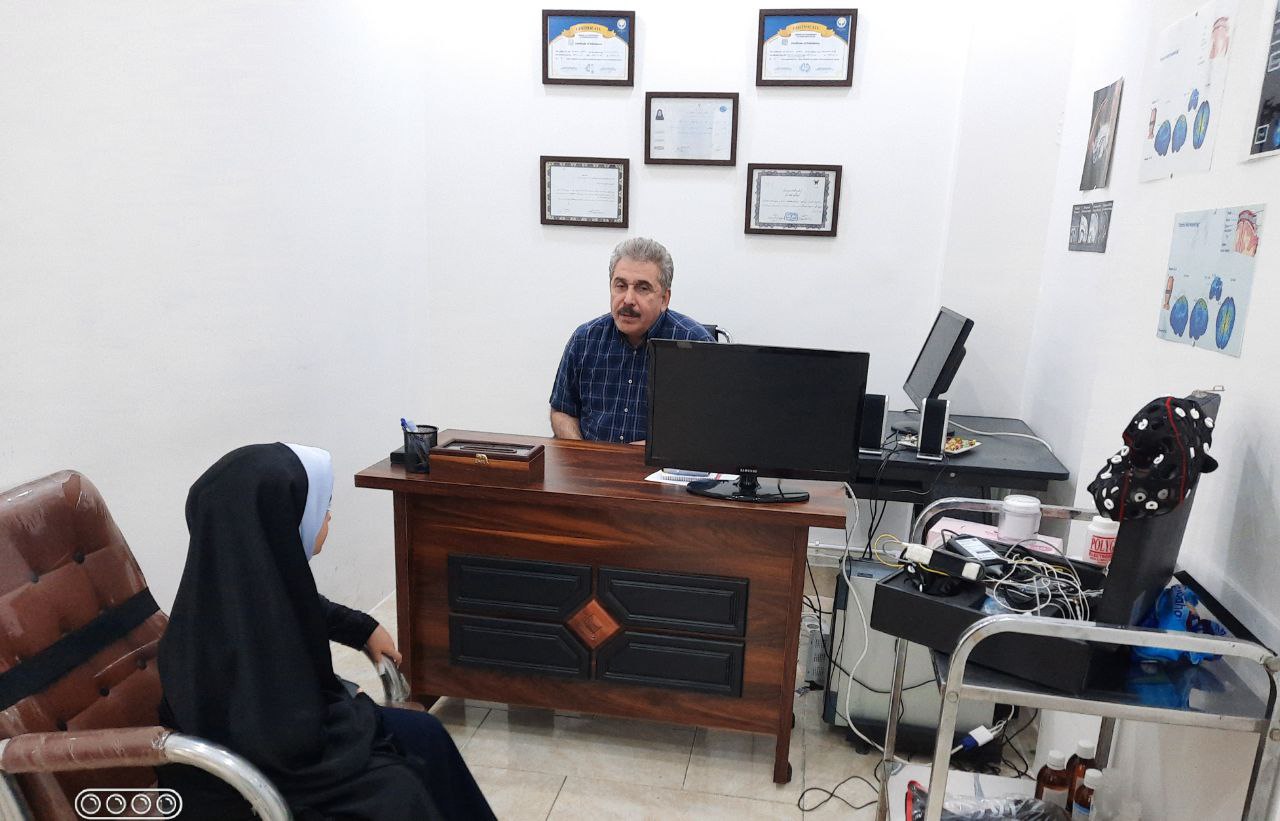
In stress control and management, skills are taught to the person so that the person can deal with the symptoms of stress. In the following, we briefly mention each of them, and to get better results, you can contact an expert.
Coping with physical signs of stress:
Breathing techniques, relaxation, aerobic sports such as walking and running, cycling, swimming, and healthy lifestyles are beneficial for controlling the physical symptoms of stress. In relation to a healthy lifestyle, it emphasizes adequate rest, exercise and movement, avoiding smoking, alcohol and caffeine.
Coping with the psychological symptoms of stress:
Many techniques can be used to control psychological signs of stress such as poor attention and concentration, mental preoccupation, mental rumination, anxiety and depression. We will mention some of these techniques in the following.
Cognitive reconstruction:
In this technique, a person is asked to identify negative and ineffective thoughts that contribute to stress and correct them with the help of other techniques.
Positive visualization:
In this technique, a person is asked to give positive messages to himself when faced with stressful factors and make himself hopeful that he has enough power and strength to deal with stressful factors.
Meditation based on mindfulness:
This technique is very useful and effective for reducing stress in normal people and patients with mental disorders. In this technique, a person is asked to focus on his breathing and pay attention to it. And instead of paying attention to the future and the past, be here and now. And there are different types, each of which can be relaxing for a person and play a role in stress management.
 Next post
What is obsessive-compulsive disorder + its treatment
Next post
What is obsessive-compulsive disorder + its treatment