Diabetic foot ulcer is one of the most important complications of diabetes, which usually starts with small and painless problems and if not diagnosed in time, it can lead to infection and even amputation. Fortunately, most cases can be prevented with a few simple habits; Such as checking the feet daily, choosing the right shoes and regular blood sugar control. Taking care of your feet isn't supposed to be hard or complicated, it just requires persistence and attention. In this article, we are with you from your doctor to discuss in detail the topic of diabetic foot ulcer prevention.
Doing simple daily foot care can play a major role in preventing diabetic foot ulcer; Including daily foot check, proper washing and drying and some skin care. This short checklist is the most basic and important defense against early stage diabetic foot ulcer. Next, we will explain each step in more detail and step by step.
regular examination and observation of feet
Washing and drying feet properly
Foot skin care
Appropriate shoes and socks
Management of corns, corns and nail problems
Preventing burns and minor injuries
blood sugar control
control of blood pressure and fat and smoking cessation
periodic foot examinations
A simple 5-minute routine can play a major role in preventing diabetic foot ulcers; Including daily foot check, proper washing and drying and a little skin care.
1. Looking carefully at the foot and touching it
The first and most important step in preventing diabetic foot ulcers is to see and touch your feet. Many diabetics do not feel pain or heat and cold very well because of diabetic neuropathy. The same issue makes a small cut or blister remain unnoticed for days.
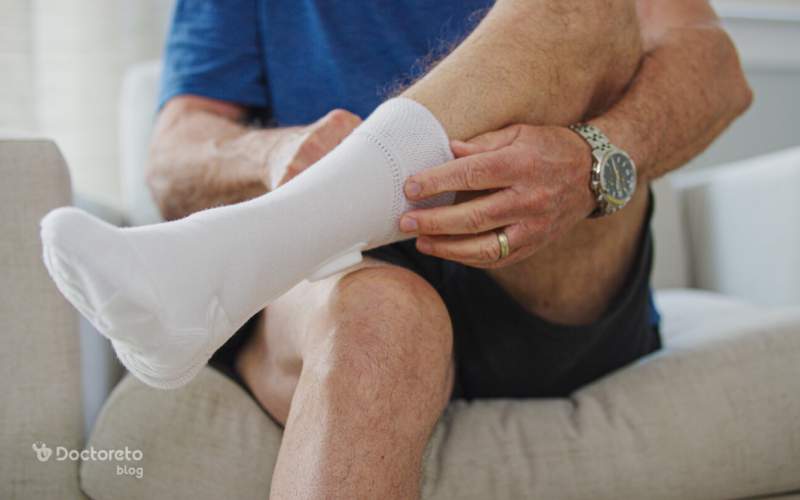
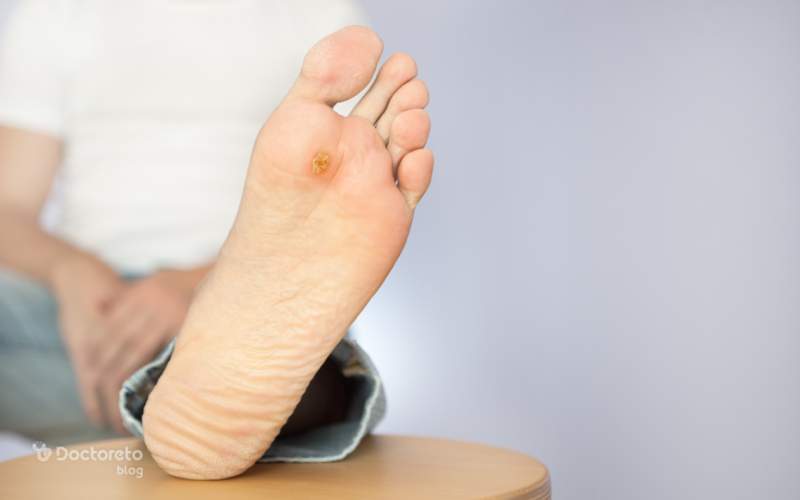
Every day, preferably at night before going to sleep, carefully look at the soles, between the toes, heels and sides. If bending over is difficult, use a mirror or ask a family member to help you. Look for redness, cracking, blistering, discoloration, or discharge. After looking, touch the foot. Unusually cold, excessive heat or stiffness in some places can be a sign of a problem. This simple call is one of the most effective ways to prevent diabetic foot ulcers.
2. Wash and dry your feet properly
Washing your feet should be part of your daily routine, but not excessively or improperly. Wash your feet with lukewarm water and a mild detergent. Hot water can cause burns, especially if the sensation in your feet is reduced. The washing time should be short and avoid soaking the feet for a long time, because it weakens the skin.
After washing, gently dry the foot with a soft towel, especially between the toes. The remaining moisture between the fingers creates a suitable environment for infection. Remember that the prevention of diabetic foot ulcers is not only related to cleanliness, but also depends on doing these simple things correctly.
3. Foot skin care
Dry and cracked skin is one of the main gateways for infection. Regular use of moisturizing foot cream plays an important role in preventing diabetic foot ulcers. The best time to use the cream is after washing and drying the feet. Apply the cream on the soles, heels and toes, but do not apply the cream between the toes.
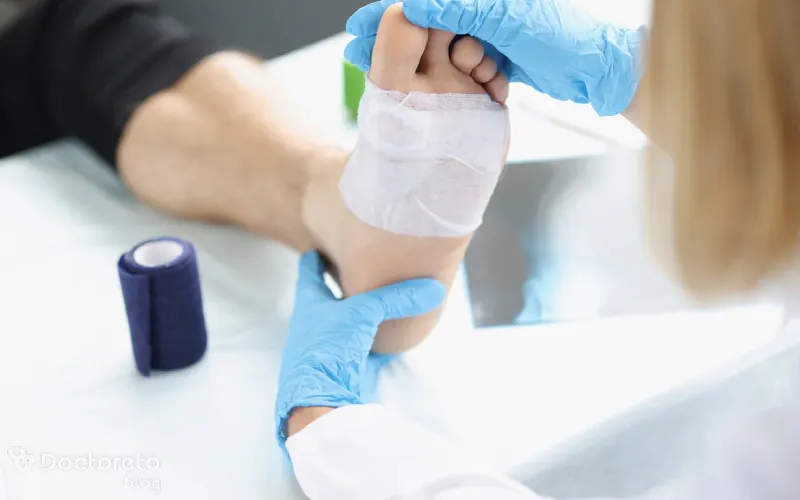
Moisture in this area can increase the risk of fungus and infection. If you have deep or painful cracks, be sure to consult a doctor or wound nurse. Diabetic Foot Ulcer Care or the skin of the foot before it gets damaged may seem simple, but this little thing can make a big difference in preventing diabetic foot ulcers.
English text: To protect their feet, a person with diabetes should therefore not walk barefoot, not walk in socks without shoes, and not walk in thin-soled slippers, either at home or outside. This also includes any other open type of footwear that increases the risk for direct skin damage by a foreign object. Farsi translation: To protect the feet, a diabetic person should never walk barefoot, walk with socks without shoes, and wear thin slippers; Whether indoors or outdoors. Any type of open-toed shoe or anything that allows a foreign object to come into direct contact with the skin increases the risk of injury and scarring and should be avoided. noopener">iwgdfguidelines
Shoes and socks suitable for preventing diabetic foot ulcers
Choosing the wrong shoes is one of the most common causes of diabetic foot ulcers. Tight, narrow or stiff shoes can cause pressure and sores without people realizing it. The right shoe should be the exact size of the foot, have a wide toe and a soft sole. Check the inside of the shoe before putting it on.
The presence of pebbles, folding soles or foreign objects can cause serious damage. This simple habit is an important part of preventing diabetic foot ulcers. Socks are also not important. Cotton or diabetic socks, seamless and tight, are the best choice. Change socks every day and avoid wearing wet socks.
English text: Podiatrists recommend wearing clean, dry socks that don't have tight elastic bands, which may restrict blood flow to the foot. Doctors advise people with diabetes to avoid walking barefoot and wearing sandals, which expose your feet to splinters, concrete, or sand, which may scrape or irritate the foot. Also, it is better not to walk barefoot and not to wear open sandals, because the foot becomes vulnerable in contact with small objects, sand or hard surfaces and may be scratched or irritated.
Management of corns, corns and nail problems
Calluses and corns Although they seem harmless at first glance, they can be the starting point for ulcers in diabetics. Never remove a callus or corn with a razor, scissors or chemicals. This increases the risk of wound and infection. Keep the nails straight and not too short. Do not round the corners of the nail so that it does not sink into the skin.
If your vision or hand is not accurate enough, it is better to have this work done by an expert. Proper care of nails and calluses is an important part of preventing diabetic foot ulcers, which is usually underestimated.
prevention of burns and minor injuries
Diabetic people are more susceptible to burns due to reduced sensation. Using a hot water bottle, heater, heater or even walking with bare feet on the hot floor can be dangerous and increase the possibility of diabetic foot ulcer infection. Use socks to warm your feet, not a direct heat source. Always wear proper shoes or slippers at home and outside to avoid minor injuries. Remember that no injury is small in diabetes. Prevention of diabetic foot ulcers means taking these details seriously.
Medical control to prevent diabetic foot ulcers
The most basic part of diabetic foot ulcer prevention is regular medical control; This means taking care of blood sugar, blood pressure, fat and periodic foot examinations. These may seem simple, but they directly affect vascular health, wound healing, and infection prevention. In the following, we will explain each part separately and in more detail so that you can easily use it in your daily life.
1. Blood sugar control
High blood sugar disrupts the wound healing process and increases the risk of infection. Regular blood sugar control is the mainstay of preventing diabetic foot ulcers. Adhering to the diet, taking medications regularly and checking blood sugar as recommended by the doctor have a direct role in the health of the feet. The more stable the blood sugar, the better the condition of the skin and blood vessels of the feet. Many ulcers do not start from the feet, but from uncontrolled sugar.
2. Blood pressure and fat control and smoking cessation
high blood pressure and blood fat reduce blood flow to the leg. Poor blood supply means harder healing and more chance of scarring. Controlling these factors is an important part of preventing diabetic foot ulcers. Smoking is one of the most damaging factors for arteries. Quitting smoking, even after years of smoking, can have a positive effect on foot health. Foot care is not limited to the foot itself; The whole body plays a role in this path.
Doctors stress that diabetic foot ulcer care should be done on a daily basis.
3. Periodic foot examination
Even if you have no symptoms, periodic foot examinations by a doctor or trained nurse are essential. These examinations can detect hidden problems early. In diabetic people, a complete foot examination is recommended at least once a year, and in high-risk people, more often is necessary. Early diagnosis is the main key to prevent diabetic foot ulcers.
Preventive action
Short description of the follow-up procedure
Daily examination of the feet
Check the feet (soles, between the toes, heels) every day for redness, cracks, blisters or discharge; If needed, use a mirror or the help of others.
Washing and drying feet correctly
Wash with lukewarm water and mild detergent, without soaking for a long time; gentle drying, especially between the toes
moisturize healthy foot skin
daily use of moisturizing cream on the soles and feet; Avoid putting the cream between the toes.
Wearing suitable shoes
Shoes of size, wide toe, soft sole; Check the inside of the shoe for pebbles or foreign objects before wearing it.
Using suitable socks
Cotton or special diabetic socks, without seams and tight elastic; Changing daily and avoiding wet socks
Avoiding walking barefoot
Even at home, slippers or suitable shoes should be used; Walking barefoot is prohibited
Regular blood sugar control
Measurement according to the schedule, regular use of medications and following a diet to maintain stable blood sugar
Management of nails, calluses and corns
Nails should be kept straight and not too short; Corns and calluses should only be removed by a specialist.
Prevention of burns and damage
Not using a hot water bag, heater or hot water; Warming the feet only with socks
Periodic visit to the doctor
Examination of the feet according to the doctor's opinion (at least once a year or more in high-risk people)
Controlling blood pressure and blood fat
Following tests, taking medications and modifying lifestyle to improve blood supply to the feet
Leave Smoking
Stop smoking to reduce vascular damage and improve tissue repair
In this table, the methods of managing and preventing diabetic foot ulcers are reviewed.
Prevention of diabetic foot ulcer in high risk people
People who have a history of wounds, amputations, severe neuropathy or vascular disease are in the high-risk group. These people should have more careful care. Some types of diabetic foot ulcers are more dangerous. The use of medical shoes, more regular examinations and specialized foot care training are necessary for this group. The slightest change in the foot should be taken seriously. In high-risk people, prevention of diabetic foot ulcers is not a recommendation, but a daily necessity.
Conclusion
Preventing diabetic foot ulcers is a series of simple but consistent habits. Looking, washing, moisturizing, choosing the right shoes and medical control make sense together. Most ulcers do not develop suddenly; They are the result of small and repeated inattentions. With awareness and care, this complication can be prevented to a great extent. Feet need more attention in diabetes; Attention that can maintain the quality of life.
Your doctor takes care of your health!
Frequently Asked Questions
In many cases, yes. With regular care, blood sugar control and compliance with the mentioned principles, the probability of wound occurrence is significantly reduced, but it is not absolute zero.
At night before going to bed is the best time, because the foot bears the most pressure during the day and to check it It is done more precisely.
No, using foot cream is not necessary to prevent diabetic foot ulcers, but it is highly recommended and an important part of Daily foot care is considered; Dry skin is common in people with diabetes (due to neuropathy and impaired circulation) and can lead to cracking, thickening calluses and infection, which are precursors to ulcers, so keeping the skin of the feet (especially the soles and heels) moist reduces the risk of ulcers.