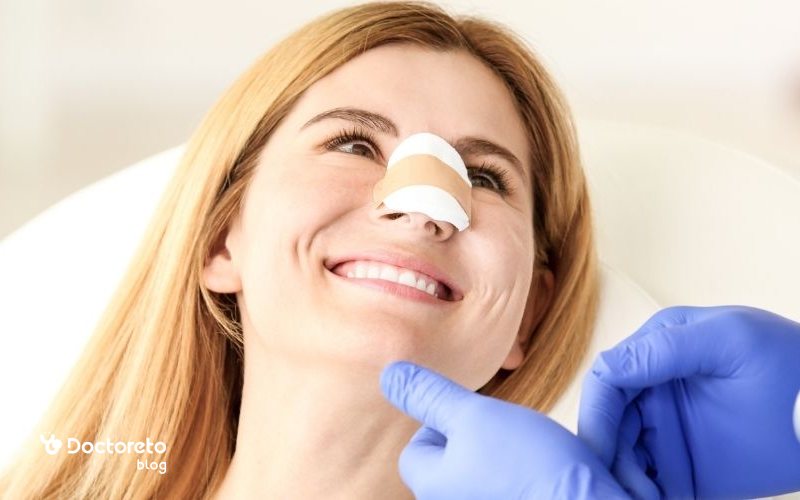
Nose surgery is one of the most common cosmetic procedures that, despite the favorable results, can be associated with temporary complications. One of these complications is dry mouth after nose surgery, which many patients experience in the first days after surgery. This problem usually occurs due to the swelling of the nasal tissues, the presence of a bandage or tampon, and the difficulty of breathing through the nose, which increases mouth breathing. Knowing the causes of this condition and being aware of its temporary nature can help to reduce patients' worries and better manage the recovery period. This awareness plays an important role in the formation of realistic expectations of the recovery process after surgery. In the rest of this article, we will discuss with your doctor the causes, symptoms and solutions to reduce dry mouth after nose surgery.
What is dry mouth after nose surgery?
Dry mouth after nose surgery is a condition in which a person is forced to breathe through the mouth due to the limitation of breathing through the nose, and as a result, saliva evaporates faster. This condition usually occurs in the first days after surgery due to swelling, inner nasal dressing or airway obstruction. Dry mouth In this condition, it can cause a burning sensation, tongue sticking to the roof of the mouth, and even bad breath. This complication is often temporary and is reduced by improving nasal breathing.
Symptoms such as feeling sticky in the mouth, difficulty in swallowing or speaking, cracked lips and dry tongue are signs of decreased saliva secretion.
symptoms of dry mouth after nose job
Dry mouth after rhinoplasty can be accompanied by a series of annoying symptoms, which are often caused by long-term mouth breathing, taking medications and decreased saliva secretion, and are usually felt more in the first days after surgery. Although these symptoms are often temporary, if they persist, they can cause mouth discomfort and difficulty swallowing and speaking. Some of the symptoms of dry mouth after nose surgery are:
Difficulty swallowing food or speaking, especially in the first days after surgery
The feeling of dryness and stickiness of the mouth and tongue, which is usually worse after waking up
Constant thirst even despite drinking enough fluids
Cracked lips and corners of the mouth due to a decrease in natural moisture
Burning, roughness or sensitivity of the tongue and oral mucosa
Bad breath caused by decreased saliva and accumulation of bacteria
English text: It is not uncommon to experience a dry mouth or sore throat initially after surgery. This may be due to the nasal packs (if applicable) which prevents bleeding post operatively, therefore vaseline and/or lozenges should be at hand. Text translation: It is not uncommon to experience dry mouth or sore throat immediately after surgery. This problem may be due to nasal tampons (if used) used to prevent post-operative bleeding. Therefore, the use of petroleum jelly or lollipops can be helpful.
The cause of dry mouth after nose surgery
The main cause of dry mouth after nose surgery is usually due to mouth breathing that occurs after surgery and due to swelling, internal dressing or nasal congestion. When the nasal passages are blocked, a person is forced to breathe through the mouth to supply oxygen to the body. This type of breathing causes faster evaporation of saliva and as a result dry mouth. Also, the use of anesthetics, decongestants or antihistamines during or after the operation can reduce saliva secretion and lead to dry mouth.
How to diagnose dry mouth after nose surgery
Diagnosis of dry mouth after rhinoplasty is usually based on clinical symptoms and examination of the patient's condition. Symptoms such as a sticky feeling in the mouth, difficulty in swallowing or speaking, chapped lips and dry tongue are signs of decreased saliva secretion. A doctor or dentist can confirm this condition by physical examination, surgery history, medication intake and mouth moisture level. In some cases, special tests are also performed to measure the amount of saliva secretion.
Treatment of dry mouth after nose surgery
Dry mouth after nose surgery is often caused by breathing through the mouth in the first days after surgery, the presence of a tampon or intranasal splint, reducing fluid intake, and taking medications such as pain relievers or antihistamines. It is usually temporary, but if neglected, it can cause bad breath, sore throat, and increase the risk of tooth decay, so its proper management plays an important role in improving the quality of the recovery period. Treatment methods for dry mouth after nose surgery include:
Frequent drinking of water during the day: helping to keep the mouth moist and reduce the feeling of dryness
Using artificial saliva or oral moisturizing spray: replacing the natural moisture of saliva
Chewing sugar-free gum or sucking sugar-free candy: Stimulation of saliva secretion
Using a cold humidifier in the bedroom: preventing the air from drying out
Avoidance of caffeine, smoking and alcohol: prevent aggravation of dry mouth
English text: During the first week after surgery, breathing might be primarily through the mouth, which can lead to dry mouth and discomfort. As the internal swelling decreases and the dressings are removed, nasal breathing will gradually return to normal. Text translation: During the first week after surgery, breathing may be mainly through the mouth, which can lead to dry mouth and discomfort. As the internal swelling decreases and the dressings are removed, breathing through the nose gradually returns to normal.
Complications of dry mouth after nose surgery
Dry mouth after rhinoplasty can cause many complications if left untreated. One of the most important of them is the increased risk of tooth decay and gum disease due to the decrease in saliva secretion and its protective effect. A person may also have bad breath, a burning sensation or sores in the mouth, and difficulty in swallowing and speaking. In some cases, cracked lips and throat discomfort are caused due to excessive dryness. Complications after rhinoplasty If dry mouth becomes chronic, they affect the quality of life.
mouth-breathing after nose job
Breathing through the mouth after nose surgery is a common and usually temporary condition that often occurs due to intranasal swelling, the presence of tampons or splints, and the accumulation of secretions. After the surgery, the nasal mucosa becomes inflamed and the air passage is temporarily narrowed, so the patient has to breathe through the mouth to provide the required air. This condition usually resolves within a few days to a few weeks with the reduction of swelling, removal of tampons, and gradual improvement of the inner tissues of the nose. In most cases, mouth breathing is normal after surgery and is nothing to worry about, unless it is accompanied by symptoms such as severe shortness of breath, unusual pain, or foul-smelling discharge, in which case it requires medical examination.
Correcting breathing (for example, using a humidifier at night or practicing breathing through the nose after recovery) also plays an important role in reducing dry mouth.
prevention of dry mouth after nose surgery
To prevent dry mouth, it is very important to follow some simple but effective tips. One of the most important actions is to breathe through the nose as soon as the airway opens to avoid long-term mouth breathing. Drinking enough water during the day and keeping the environment moist by using a humidifier also helps a lot to prevent dry mouth. Using sugar-free gum or saliva-stimulating candies can also be helpful. It is also recommended to avoid drinking alcoholic and caffeinated drinks after surgery, because these substances aggravate dry mouth.
Conclusion
Dry mouth after nose surgery is usually a temporary complication and depends on the conditions of the recovery period. This condition is mostly caused by mouth breathing, temporary decrease in saliva secretion and the effect of post-surgery drugs, and it is reduced by improving the swelling and opening of the nasal airway. The severity of this condition is not the same in different people and depends on individual factors and surgical conditions. Knowing the causes and natural process of this condition helps patients to spend the recovery period more calmly. In most cases, with the gradual return of breathing through the nose, the feeling of dryness in the mouth is also removed and the condition of the mouth returns to its normal state.
Your doctor takes care of your health!
Frequently Asked Questions
Yes, in most cases dry mouth after nose job is a temporary condition. This is usually caused by mouth breathing during recovery, the use of anesthetics, painkillers, or reduced fluid intake. By improving the respiratory tract, reducing swelling and returning to breathing through the nose, dry mouth is usually resolved. If this situation lasts for a long time, it is better to consult a doctor.
I have started my activity in the field of content production and management since 1995 and I am always eager to face new job opportunities. Getting to know a different world in different fields such as medicine and health also encourages me to follow a healthy lifestyle. That's why I started working with your doctor.