
درصورتیکه ادرار به مدت طولانی در مثانه باقی بماند، مواد شیمیایی موجود در آن به هم میچسبند و کریستالهایی را تشکیل میدهند. Over time, these crystals harden and form gallstones. In addition to the problems of bladder stone treatment, there is also the risk of urinary tract infection, abdominal pain, etc. In the following, we will mention more details about the complications of urine retention and why urine retention causes bladder stones.
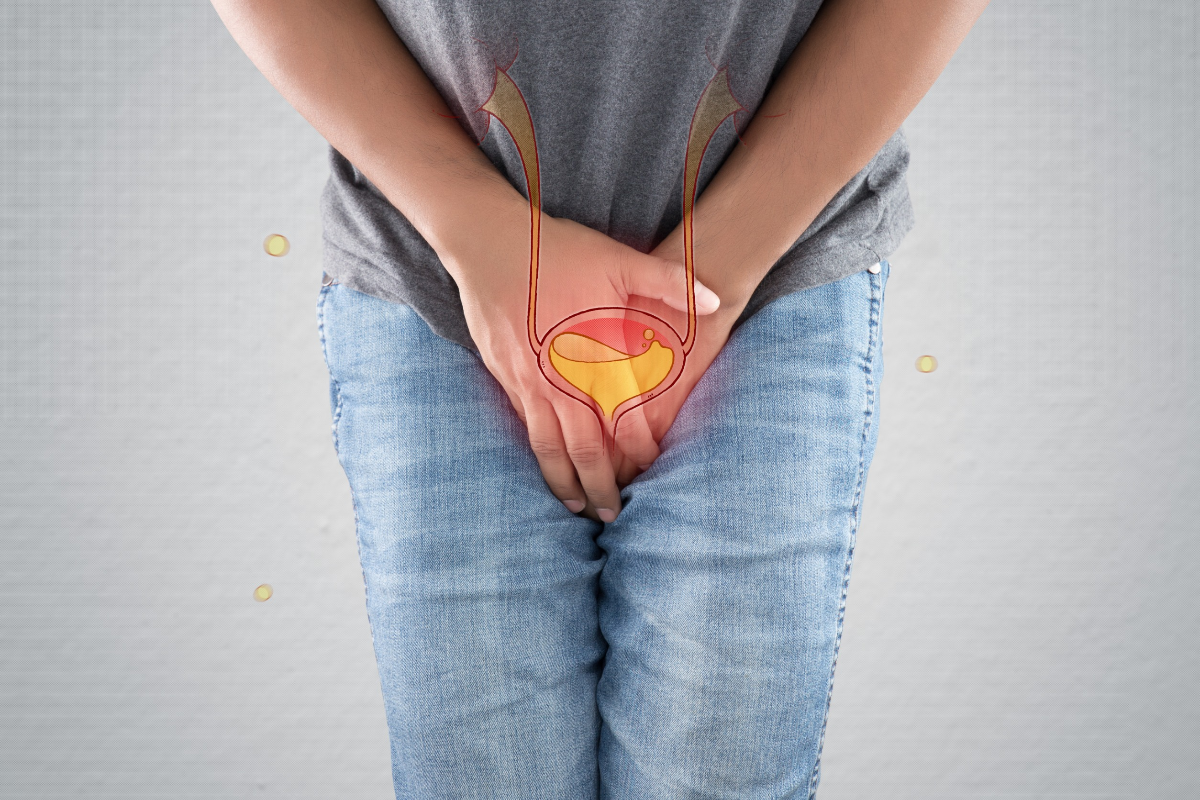
The bladder is a hollow and pear-shaped organ of the urinary system. Its main role is to store urine until the person is ready to use the toilet. The capacity of an adult's bladder is approximately 300 to 400 ml. Of course, during the night, the bladder can hold up to 800 ml of urine. Children have smaller bladders because their bodies are still growing.
When the bladder is about half full, it sends a signal to the brain that it's time to urinate. The brain creates the urge to urinate while instructing the bladder to hold back. If, in this situation, a person repeatedly retains urine instead of emptying it, it threatens him with dangers.
Why does retention of urine cause bladder stones?
In an adult and healthy person, occasional retention of urine, for example, if there is no access to the toilet, does not cause a problem. But if this becomes a habit, it will lead to unwanted complications such as bladder stones.
Because urine often contains minerals such as uric acid and calcium oxalate. If the urine remains in the bladder and becomes concentrated, there is a risk of the accumulation of these substances and the appearance of urinary crystals. Usually, urinary crystals gradually absorb other elements such as cystine, xanthine and phosphate and join together. Finally, a hard object is formed as a stone. In rare cases, this stone can become so large that it gets stuck in the opening of the urine exit from the bladder and prevents its natural excretion.
In the video below, you can see the cause of urinary incontinence in women and men from the words of Dr. Natiq, a kidney surgeon...
Complications of urinary retention
Among the most common complications of urinary retention, the following can be mentioned:
1_ Feeling of pain
People who regularly ignore the body's natural need to urinate may eventually experience bladder Kidneys or pelvis feel pain or discomfort. Because in these conditions, the muscles have to overwork and contract to prevent urine from coming out.
2_ Increased risk of bladder infection
In some cases, holding urine for a long time can cause the proliferation of bacteria and infection of the bladder and other parts of the urinary system. Especially if the person does not drink enough fluids during the day or has a history of urinary tract infection. Bladder infection symptoms include:
- pain in the lower abdomen
- burning sensation when urinating
- turbid, dark, smelly or even bloody urine
3_ Increasing the possibility of forming bladder stones and kidney stones
Urine retention may cause the formation of bladder stones, kidney stones or both. Especially in people who have a history of these diseases.
4_ Bladder wall stretching
In the long run, regular retention of urine can cause bladder stretching. This may make it difficult or impossible for the bladder to contract the muscles and release urine. Usually, in this situation, it is necessary to use a catheter to drain urine.
5_ Increasing the chance of urinary incontinence
Also, holding urine for a long time can weaken the pelvic floor muscles and lead to incontinence. Urinary incontinence usually not only increases a person's desire to go to the bathroom, but also leads to a small leakage of urine when sneezing or coughing. Performing pelvic floor exercises, such as Kegel exercises, may help strengthen its muscles and improve incontinence. If the bladder bursts, the urine fills the abdomen and may require surgery to fix it.
In the video below, you can see the cause of frequent urination in young women from Dr. Natiq, a urological surgeon...
People at risk of urinary retention
Although there are no clear rules for how and for how long urine retention is safe. But some people may be more prone to this issue than others. Because some medical conditions such as prostate enlargement, bladder muscle weakness or urinary system nerve damage can lead to urinary retention. Urinary retention in these conditions is usually involuntary and is not noticed. But it can cause side effects. People with kidney disorders may also want to refrain from urinating sometimes to avoid symptoms such as heartburn.
Tips for holding urine until you empty it
However, it is better to urinate whenever your bladder is full and your brain tells you to. But sometimes you may not have access to the toilet. In this situation, we recommend that you pay attention to the following points for temporary retention of urine:
- In a standing position, put your legs together and press. This may compress the urethra and help prevent rapid urination.
- If you have gas, expel it. Because the accumulation of gas may put more pressure on the bladder.
Also, it is better to pay attention to the following points in order to empty urine daily properly:
- Each morning immediately after waking up, go to the bathroom to urinate. This daily habit helps to quickly empty the large volume of urine that is produced during sleep and accumulates in the bladder.
- Plan to urinate regularly. We suggest going to the bathroom every 2 to 3 hours. Whether your bladder sends a signal or not! You can even set an alarm for this. Surely, such a program helps to empty urine regularly, reduce bladder pressure and prevent emergency urine emptying.
As important as drinking enough water, frequent urination is also important to maintain a healthy urinary system. Certainly, consultation with a urologist (kidney, urinary tract and reproductive system specialist) will provide you with more detailed information in this field.