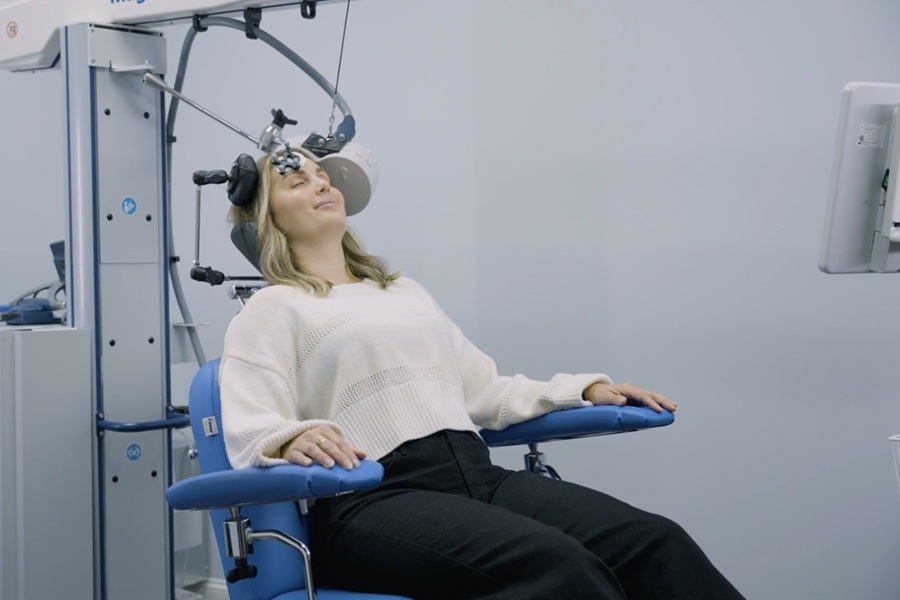
A look at the performance of the rTMS device and the brain magnetic stimulation method

Dr. Melika Akbari Mehr
تهرانNeurologist and neurologist
Treatment of complex neurological disorders has always been one of the main challenges of medical science. In the meantime, new and non-invasive approaches have been able to open new horizons in the path of patients' recovery. As one of the most advanced technologies in the field of neuroscience, the rTMS device helps regulate the activity of certain areas of the brain using magnetic pulses. Correct understanding of the function of this advanced technology is the first step to benefit from its therapeutic benefits and has made the rTMS device a promising option for many patients.
What is the RTMS device and how does it work?
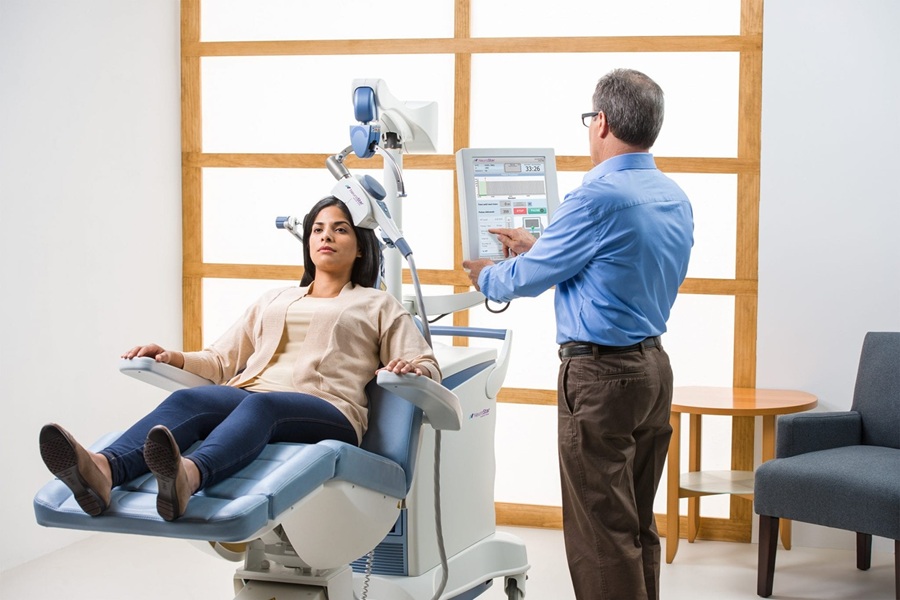
Magnetic brain stimulation or rTMS (Repetitive Transcranial Magnetic Stimulation) is an advanced treatment method that affects the electrical activity of nerve cells without the need for surgery or anesthesia. The basis of this technology is to produce concentrated magnetic fields and send them to specific areas of the brain cortex. This process helps to improve or modulate the function of neural networks involved in various diseases such as depression, anxiety and obsession. In the following, we will examine the various aspects of this technology in more detail.
Mechanism of brain magnetic stimulation
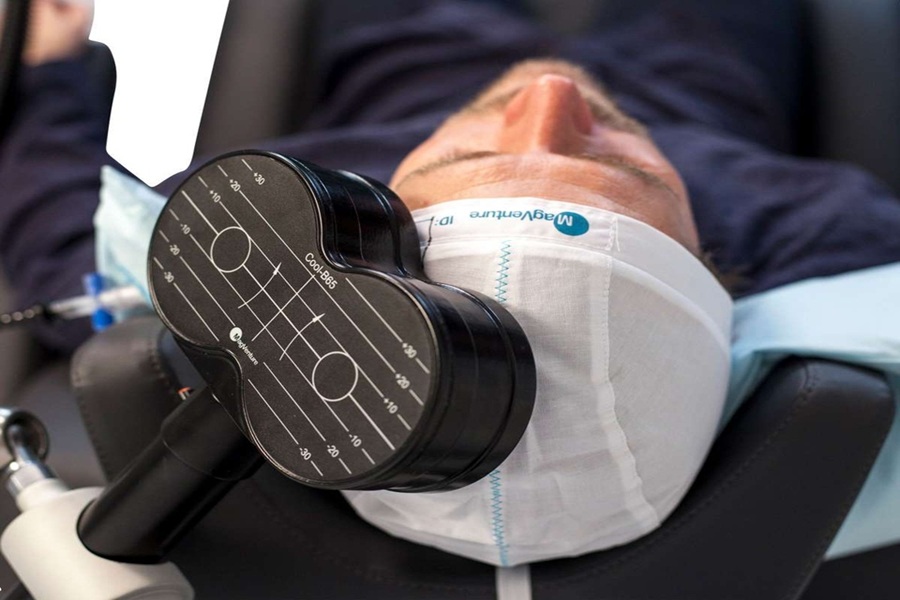
The operation of this technology is based on Faraday's law of electromagnetic induction. In this method, a coil is placed on the patient's head and produces short magnetic pulses. These pulses pass through the skull unimpeded and induce a weak electrical current in the nerve cells (neurons) in the target area. This electric current causes depolarization or hyperpolarization of neurons and as a result, increases or decreases their activity, which is called neuromodulation.
The difference between rTMS and other treatment methods
Unlike methods such as electroconvulsive therapy (ECT), which requires general anesthesia and affects the entire brain, the rTMS device is completely non-invasive and targets only a specific area of the brain in a centralized manner. Also, compared to drug therapy, this method does not have systemic side effects such as digestive problems or weight gain. The patient is fully awake during the treatment session and can return to his daily activities immediately after the session.The main applications of the RTMS device
This new and non-invasive technology, by precisely targeting brain circuits, has been approved and used to treat a wide range of neurological and psychiatric disorders, especially in cases that have not responded well to conventional drug treatments.
Its most important therapeutic uses include the following:
- Treatment of major depression: especially in patients who are resistant to antidepressants
- Symptom control of obsessive-compulsive disorder (OCD): by targeting related brain circuits
- Rehabilitation after stroke: to improve motor function and reduce muscle spasm
Safety and contraindications of rTMS treatment
The safety of the method is high, but RTMS is not suitable for all people. The presence of any non-removable metal parts in the head or neck, such as aneurysm clips or cochlear implants, is a definite contraindication. Also, people with a history of seizures or epilepsy must inform their doctor about this issue. A detailed evaluation by a specialist before starting the treatment ensures the complete health and safety of the patient during the process.
How is the treatment process with RTMS?
The treatment process with this method is fully structured and designed based on the needs of each person. This process starts from the initial evaluations and continues until the end of the treatment sessions under the strict supervision of the specialist. The success of the treatment is highly dependent on the correct diagnosis, precise determination of the target area, and the setting of the appropriate treatment protocol. In the following, we will review the different stages of this treatment process to get a clearer picture of it.
Steps before starting treatment
The first step is to see a neurologist for a detailed clinical evaluation. During this session, your doctor will review your medical history and, if necessary, order functional imaging such as an electroencephalogram (QEEG). A brain map helps the specialist to analyze the electrical activity pattern of your brain and pinpoint the exact area of the brain that needs to be stimulated with high accuracy. After that, your specific treatment protocol will be designed.
The experience of a therapy session with RTMS
During the session, you sit in a comfortable chair and the specialist places the coil of the device on a specific area of your head. As the treatment begins, magnetic pulses are sent and you may feel a gentle, rhythmic pulsing or clicking sound on your scalp. Each session usually lasts between 20 and 40 minutes, and during this time, you are fully awake and alert. RTMS treatment is not painful and is well tolerated by patients.
Important points after treatment sessions
To achieve the best treatment result and guarantee safety, it is necessary to observe some points after each session. Regular follow-up and cooperation with the treatment team in a Center rtms in Tehran that is valid, plays a key role in the success of the treatment.
These important points are:
- Report any side effects: Side effects are usually mild and temporary but should be reported to a specialist
- Adherence to the treatment plan: Regular attendance at all scheduled sessions is required to complete the treatment course
- Continuation of other treatments: Not stopping drugs or other treatment methods without consulting the attending physician
number and intervals of treatment sessions
Treatment with this method is usually a periodic process and is not summarized in one session. A standard course often consists of daily sessions (five days a week) lasting between four and six weeks. Of course, the exact number of sessions and their intervals depend on the type of disorder, the severity of the disease and the patient's individual response to the treatment. After initial evaluations, the specialist doctor designs a completely personalized treatment plan for each patient.
Neural Neurology Clinic; The final step on the road to recovery with rTMS
The rTMS device is a powerful and accurate tool for modulating brain activity and treating resistant disorders, which can significantly improve the quality of life without the severe side effects of drugs. However, the effectiveness of this treatment depends on the expertise of the treatment team and the quality of the equipment. Nourali neurology clinic is ready to provide diagnostic and therapeutic services based on rTMS, brain mapping and neurofeedback by using experienced specialists in the departments of neuroscience, neurology and psychology, as well as using the latest devices.
FAQ
Is treatment with RTMS painful?
No, this procedure is not painful. Patients only feel a gentle tap on their scalp, which they quickly get used to.
What is the cost of each RTMS treatment session?
The cost depends on the treatment protocol and the number of sessions required. It is better to contact the clinic for detailed information on the costs.
Does rTMS treatment have side effects?
The most common complication is a mild and temporary headache after the session. More serious complications such as convulsions are very rare and can be prevented with careful initial evaluation.





