Comprehensive and key tips about jaw locking Dr. Najmeh Tadredaranjad
�t.
Treatment solutions for jaw locking
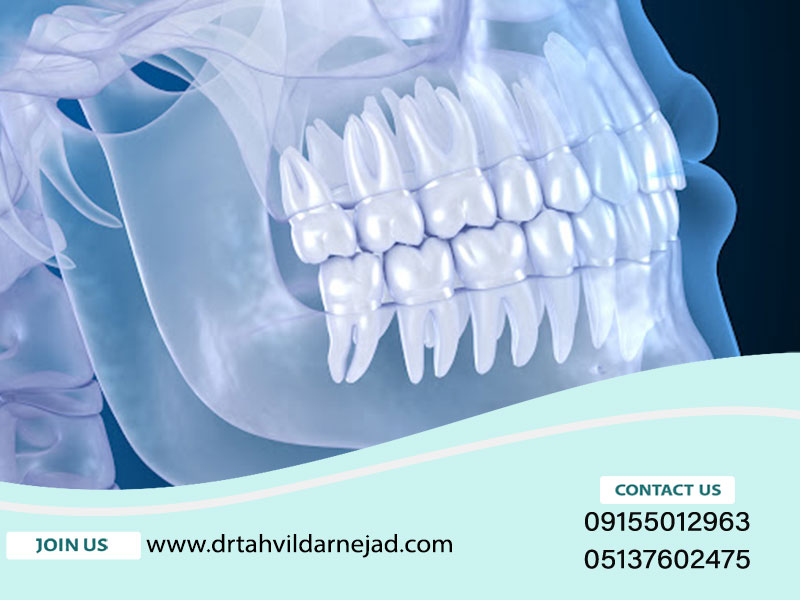
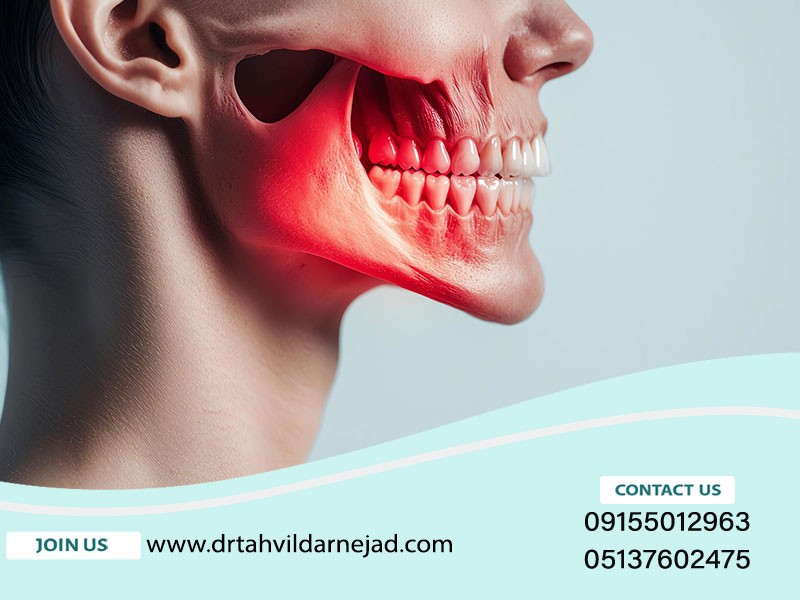
Trismus or jaw locking is a rare disorder that causes many problems in jaw movement. This condition is usually accompanied by pain in the lower jaw, difficulty in eating, pain in the ear, and difficulty speaking. Trismus may occur for various reasons, including muscle tension, dental surgeries, and psychological stress.Signs of jaw locking

Locking of the jaw will appear with a set of specific symptoms that have a significant impact on a person's quality of life. This disorder is usually accompanied by severe pain in the lower jaw area that is felt when opening the mouth. This pain is so intense that it makes it difficult to do simple activities such as talking and eating.
Read more» Treatment of small mandible with orthodontics
In addition to pain in the jaw, the limitation of its movement also causes problems in eating. The person may not be able to eat easily or have to use softer foods. These restrictions are usually accompanied by pain in the ear area. Limitation in jaw movement severely limits a person's ability to express thoughts and feelings through speech. Due to the limitation and discomfort in the movement of the jaw, the person will have difficulty in speaking and this will affect social interactions and daily activities. These symptoms not only reduce the quality of life, but also become more serious problems over time.
The main causes of jaw locking
Several factors cause this to happen, including the following:
- Muscle spasms
- Wisdom tooth surgery
- Dental denervation
- injection of anesthesia
- Psychological tensions
These factors show that jaw locking is caused by a combination of physical and psychological reasons, and doctors consider it effective to pay attention to each of these aspects for treatment.
Read more' in order to learn about missing tooth and its treatment methods, click on the given link.
Complications and effects of jaw clenching
jaw congestion causes many problems. One of the common complications of this disorder is the difficulty in opening the mouth, which occurs due to the limitation in jaw movement. This complication will lead to a disturbance in the eating process and disrupts the proper functioning of the jaw. In addition, the pain in the jaw may also be transferred to the ear area, and this transfer will lead to more discomfort.
How to prevent jaw locking?

In order to prevent jaw locking, the following measures can be taken:
- Maintaining oral and dental health
- Care of jaw muscles
- Avoidance of harmful factors
- therapeutic care
- Stress Management
If symptoms of jaw locking occur, it is very important to see a doctor to get effective solutions for jaw locking treatment.
Read more' Click on the given link to familiar with palate expander and its pros and cons.
Methods to treat jaw locking
Also, jaw locking can be managed with the help of various methods at home or through medical and traditional treatments, each of which we will discuss below:
Home remedies for jaw locking
In order to relieve pain and treat locked jaw at home, simple techniques can be used. Applying ice or heat helps reduce inflammation and pain. Jaw relaxation exercises help improve movement and reduce tension. Also, adequate rest and avoiding excess movements for the jaw is essential.
In general, the main and best home remedies for jaw locking are:
1. use of hot compress
Heat helps increase the blood flow in the jaw area and relaxes the contracted muscles. For this purpose, moisten a clean towel with warm water and place it on the jaw area for 15 to 20 minutes. Repeat this 2 to 3 times a day.
2. gentle mouth opening and closing exercises
Controlled and gentle movements of the jaw can restore its range of motion over time. To start, open and close the mouth slowly and then make lateral movements to the left and right. Be careful not to apply pressure and stop the exercises if there is severe pain.
3. jaw muscle massage
Gently massaging the jaw and temple area with fingertips can help relax muscles and reduce cramps. Use circular movements and massage each area for about 5 minutes.
4. reducing stress and mental tension
Stress is one of the aggravating factors of jaw locking. Performing deep breathing exercises, meditation or yoga can help reduce muscle tension caused by anxiety.
5. soft diet
During the period when the jaw is involved, avoid eating hard and chewy foods such as grilled meat, nuts or chewing gum. Consuming soft foods such as soup, puree, yogurt and half-boiled eggs can prevent more pressure on the jaw muscles.
6. Sufficient sleep and proper head position
Lack of sleep can increase muscle tension. On the other hand, sleeping with a suitable pillow and avoiding clenching the jaw during sleep helps to speed up recovery. Therefore, make sure you have enough sleep and put your head in the right position.
Methods of medical treatment
In more severe cases, medical treatment should be done. The doctor may prescribe anti-inflammatory and soothing drugs. Also, sometimes Physiotherapy comes to help the unemployed. In some cases, injecting anesthesia into the muscles will reduce the seizures and return the jaw to its normal position.
Treatment of jaw locking in traditional medicine
In traditional medicine, the treatment of jaw locking (which is usually caused by muscle spasms, stress or inflammation of the temporomandibular joint) is done with the aim of eliminating the root cause and restoring the body's balance. In this method, the person's temperament is first examined to determine the cause of this condition; Because the prevailing coldness and dryness in the muscles or the accumulation of waste materials in the jaw area are usually the main factors.
For treatment, massage with warm oils such as sesame oil, bitter almond oil or chamomile oil is recommended to reduce muscle spasms and make jaw movement easier. Using chamomile, lavender or mint incense can also help relax muscles and improve blood circulation.
In general, traditional medicine offers a gentle and natural approach to the treatment of jaw locking, and if the symptoms persist, it is better to consult a traditional medicine specialist so that the treatment can be adjusted according to your temperament and physical condition.
Summary
Timely treatment of jaw locking is very important; Because this problem has negative effects on the quality of life. Considering that various factors such as muscle tension, dental problems and mental stress can cause jaw locking, there are several methods to treat jaw locking. From home exercises to medical treatments and traditional medicine, each of these methods can help relieve pain and improve jaw movement.
FAQ
1- How is jaw locking treated?
Depending on the cause, treatment may include jaw stretching exercises, anti-inflammatory medications, physical therapy, or dental treatment.
2- What factors cause jaw locking?
The most common factors include temporomandibular joint (TMJ) disorders, physical injury, tooth wear, stress, and grinding.
3- Does grinding teeth cause jaw locking?
Yes, constant pressure on the jaw joint and muscles causes stiffness, inflammation and sometimes jaw locking.
4- Are massages and compresses effective for locking the jaw?
Yes, gentle massage of the jaw muscles and hot or cold compresses can help reduce spasm and jaw opening.
5- When should you see a doctor for a locked jaw?
If the jaw locks for more than a few hours or frequently, you should see a dentist or maxillofacial surgeon immediately.
6- Is there a home remedy for jaw lock?
Yes, gentle jaw opening and closing exercises, avoiding hard foods and stress management can help in mild cases.