


تصور کنید ناگهان، بدون هیچ هشدار قبلی، قلبتان چنان میتپد که گویی میخواهد از قفسه سینه بیرون بزند، نفس کشیدن غیرممکن میشود و موجی از وحشت تمام وجودتان را فرا میگیرد. انگار مرگ در یک قدمی شماست. این تجربه ترسناک، توصیف دقیق حمله پانیک (Panic Attack) است. اگر این لحظات را تجربه کردهاید، تنها نیستید و مهمتر از آن، راهی برای خروج از این چرخه وحشت وجود دارد. در سالهای اخیر، روشهای درمانی نوینی پا به عرصه گذاشتهاند که بدون نیاز به داروهای سنگین، مستقیماً بر عملکرد مغز تمرکز دارند. نوروتراپی برای پانیک، یکی از پیشرفتهترین و موثرترین این روشهاست که دریچهای تازه به سوی آرامش برای حل مشکل گشوده است.
در این مقاله قصد داریم با نگاهی علمی و در عین حال زبانی ساده، به بررسی عمیق نوروتراپی برای پانیک بپردازیم. آیا واقعاً میتوان مغز را آموزش داد تا نترسد؟ فرآیند درمان چگونه است و چه تفاوتی با روشهای سنتی دارد؟ اگر به دنبال راهکاری ریشهای برای بازپسگیری کنترل زندگی خود هستید، این راهنما برای شما نوشته شده. با ما همراه باشید تا علم نوین مغز را به خدمت آرامش روان درآوریم.
«فرق نوروتراپی با نوروفیدبک؛ راهنمای انتخاب بهترین روش درمان»
حمله پانیک چیست و در مغز چه میگذرد؟
قبل از اینکه به مبحث نوروتراپی برای پانیک بپردازیم، باید بدانیم دشمن ما دقیقاً چیست. حمله پانیک، فعال شدن ناگهانی و شدید سیستم «جنگ یا گریز» بدن است، آن هم در زمانی که هیچ خطر واقعی وجود ندارد. In this case, a part of the brain called the amygdala (fear processing center) mistakenly announces the red state.
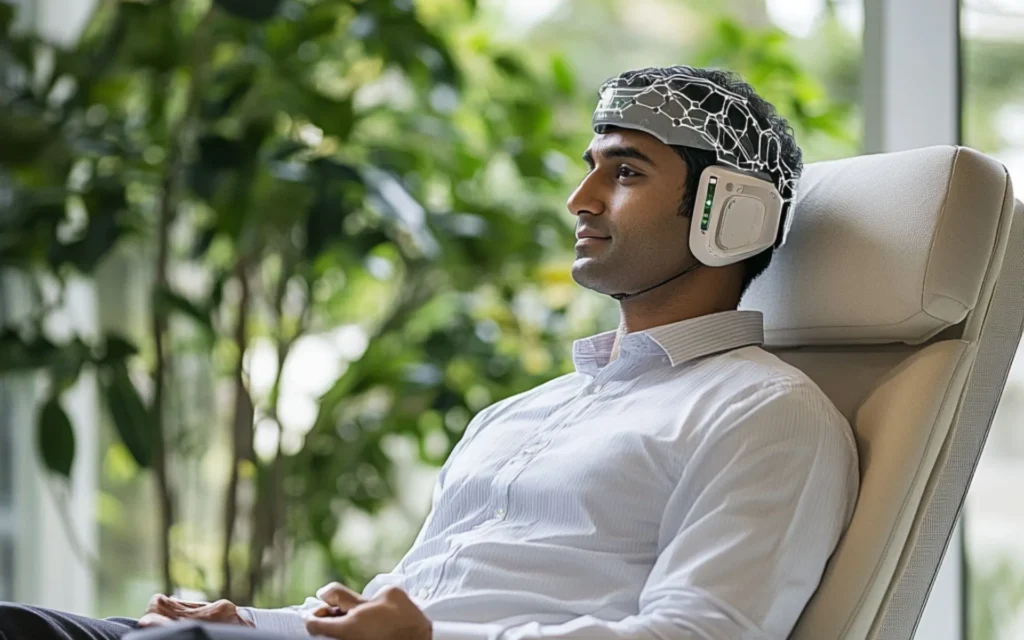
In the brain of people with panic disorder, abnormalities in brain wave patterns are often observed. Research shows that in these people, beta waves, which are responsible for alertness and anxiety, are extremely hyperactive, and alpha waves, which are responsible for relaxation and calmness, are suppressed. Neurotherapy for Panic targets exactly this electrical imbalance to restore calm to the nervous system.
Effects of panic attacks: why should we take treatment seriously?
Ignoring panic and not treating it has heavy costs. The consequences of panic attacks go beyond the moments of the attack and can paralyze all aspects of a person's life. One of the most common complications is the formation of agoraphobia (fear of open or crowded places); A person locks himself at home for fear of an attack.
In addition to social isolation, chronic stress caused by waiting for the next attack weakens the immune system and increases the risk of heart and digestive diseases. Also, many people turn to substance abuse or alcohol to escape this suffering. Secondary depression is also untreated from other panic attacks. For this reason, quick action for treatment through effective methods such as neurotherapy for panic, is necessary not only to stop the attacks, but also to prevent the collapse of the quality of life.
What is neurotherapy for panic?
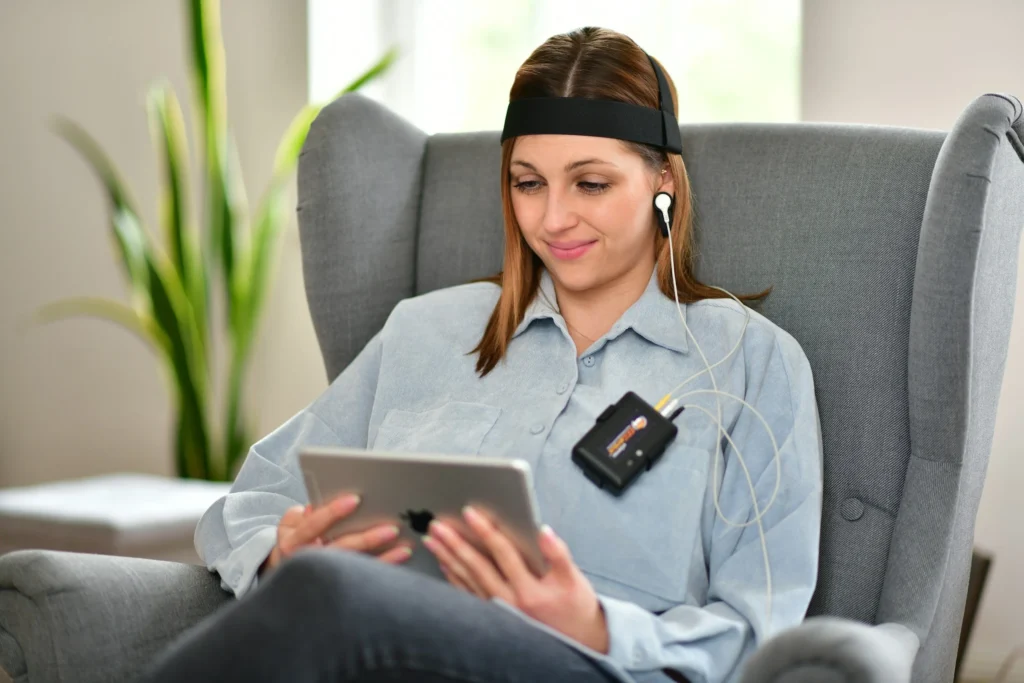
Neurotherapy, often known as neurofeedback, is a non-invasive, drug-free and learning-based treatment method. In neurotherapy for panic, we teach the brain how to learn to self-regulate.
Imagine your brain is a musical orchestra. In a panic state, loud instruments (anxiety waves) play with full intensity and soft instruments (relaxation waves) are not heard. Neurotherapy for Panic Acts like an orchestra conductor who teaches the instruments when to be quiet and when to play to create a beautiful harmony (relaxation).
How is neurotherapy for panic done?
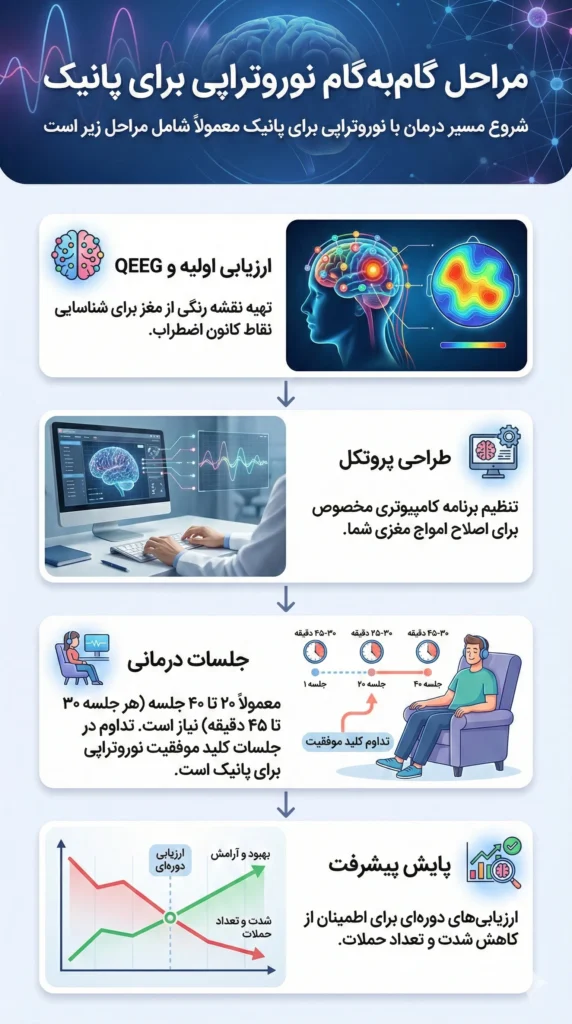
- Connection of sensors: The client sits in an armchair and sensors are placed on his head to record brain waves (no current enters the brain).
- Instant feedback: The brain wave information is transferred to a computer and shown to clients in the form of a game or movie.
- Conditioning: Whenever the client's brain can reduce the anxiety waves and increase the relaxation waves, the video becomes clear or the game is scored.
- Sustainable learning: With repeated neurotherapy sessions, the brain learns to maintain this state of relaxation even without the device and in everyday life.
Benefits of Neurotherapy for Panic
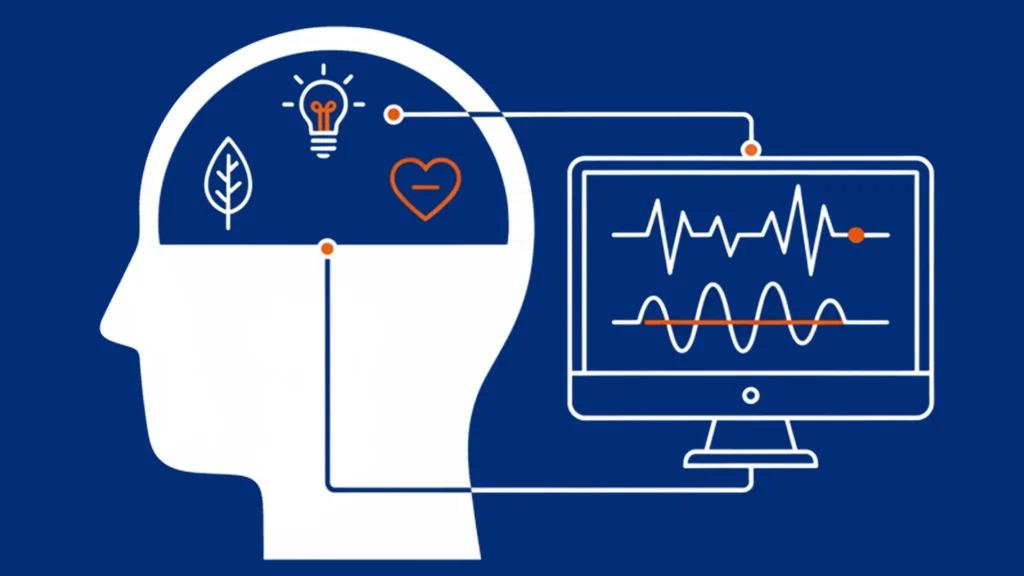
Many people are afraid of taking anti-anxiety drugs because of side effects such as drowsiness, dependence or digestive problems. The great advantage of neurotherapy for panic is that it does not introduce any chemicals into the body. This method relies on the "neural flexibility" of the brain; It means the ability of the brain to change and create new neural pathways.
Pharmaceutical treatments usually suppress symptoms, but neurotherapy for panic seeks to correct the physiological root of anxiety in the brain. For this reason, the results of neurotherapy for panic are usually more permanent than drugs, and after completing the treatment period, the person will have the skills to control anxiety.
Definitive Panic Treatment; Reality or dream?
In psychology and medicine, the term "definitive cure" is used cautiously, but new approaches have brought us very close to this goal. Traditional treatments often focus on symptom management, but combining methods such as cognitive-behavioral psychotherapy (CBT) with brain-tuning technologies can produce results similar to complete treatment.
Neurotherapy for Panic Raises the brain's tolerance threshold by modifying brain wave patterns. When the brain learns to enter a phase of calm alertness instead of a panic phase when faced with stress, panic attacks fade over time. Therefore, although a person's genetic susceptibility may remain, with the use of careful neurotherapy for panic protocols, a person can reach a level of recovery where they no longer experience any attacks and are considered virtually cured.
Comparison of drug therapy with neurotherapy for panic
To better understand the place of neurotherapy for panic, a clear comparison with the common pharmaceutical method is presented in the table below:
| attribute | medicine | Neurotherapy |
|---|---|---|
| effect mechanism | temporary brain chemical change | learning and correcting the pattern of brain waves |
| Side Effects | drowsiness, weight gain, decreased libido | Very slight (sometimes temporary fatigue) |
| Consistency of results | Symptoms often return after stopping the drug | long term (due to brain learning) |
| The role of the patient | passive (consumer) | active (learner in the treatment process) |
Is neurotherapy suitable for everyone?
Neurotherapy for panic is a very safe and effective method, but the diagnosis of a person's eligibility for this treatment requires a specialized evaluation. The first step is to perform an EEG or QEEG. This map shows whether your anxiety is rooted in malfunctioning brain waves or not.
Typically people who:
- have not responded to medications,
- suffered severe drug side effects,
- are pregnant and cannot take medicine,
- or looking for natural and sustainable methods;
are considered the best candidates for neurotherapy for panic.
Living in the shadow of fear of the next panic attack greatly reduces the quality of life. But today's science has proven that our brain is not a prisoner of old habits and patterns. Neurotherapy for Panic is a powerful tool that empowers you to take back control of your brain and emotions. If you are looking to break free from the cage of anxiety, taking the first step to a brain evaluation and professional consultation is the beginning of a calm and fear-free life. Remember, relaxation is not a dream, but a brain skill that you can relearn. No. This method is completely non-invasive. The sensors only read brain activity and do not deliver any electric shocks or pain to the head. You just sit in front of the monitor and watch a game or a movie. Neurotherapy is a learning process, like learning to drive. Usually, initial changes (such as improved sleep and reduced general anxiety) are felt after 10 to 15 sessions. But to fully control panic attacks and stabilize the results, it is necessary to complete the course of treatment. Yes. As neurotherapy advances and the brain adjusts, it is often possible to gradually reduce the dosage of drugs and finally stop them under the supervision of a psychiatrist. You should never stop the medicine arbitrarily.Step by step neurotherapy for panic
Return to peace is your right
FAQ
1. Is neurotherapy for panic painful?
2. How long does it take to see results from neurotherapy for panic?
3. Can I do neurotherapy for panic along with medication?





