Table of Contents
- What is the best ointment for vaginal itching?
- Ointment for vaginal itching
- Antibacterial ointments to treat vaginal itching
- Anti-inflammatory ointments or steroid creams
- Moisturizers to treat vaginal itching
- Combined ointments to treat vaginal itching
- The best ointment for vaginal itching
- How to use cream or ointment for vaginal itching
- Vaginal itching ointment in children
- vaginal itching ointment for girls
- vaginal itching ointment in pregnancy
- vaginal itching ointment for menopause
- side effects of using itching ointment Vagina
- Conclusion
Listen to the summary of this article in this podcast:
Vaginal itching is usually a symptom and not an independent disease, so the best vaginal itching ointment is an ointment that can treat the cause of vaginal itching. Sometimes itching is due to fungal infection or bacterial vaginosis, and sometimes it occurs due to skin sensitivity, vaginal dryness, eczema or skin diseases such as lichen sclerosis. For this reason, before choosing a cream for vaginal itching, you should pay attention to accompanying symptoms such as the type of discharge, odor, burning sensation in urination, pelvic pain, sores, or recurrence of the problem. If the itching is severe, prolonged, or accompanied by unusual bleeding and pain, self-treatment can delay the diagnosis, and it is better to undergo an examination. In the rest of this article, your doctor will help you choose the best ointment to treat your problem by reviewing the types of vaginal itch ointment.
What is the best ointment for vaginal itching?
For vaginal itching treatment, different types of vaginal itching ointments have been designed, each effective to address a specific cause. The choice of special ointment for vaginal itching depends on its cause. If the itching is accompanied by a thick white and red discharge, an anti-fungal vaginal anti-itch cream is usually prescribed. If there is a bad smell and thin gray or white discharge, vaginal antibacterial treatments are more relevant. If the itching is more on the outer skin and worsens with pads, detergent or tight clothing, the possibility of contact dermatitis is higher and the treatment has a different approach.
Generally, the types of topical ointments for vaginal itching are divided into several main groups. The first group is vaginal antifungal drugs that are used for itching caused by candidiasis. The second group is vaginal antibacterial creams or gels, which are mostly used in bacterial vaginosis. The third category is anti-inflammatory or steroid creams, which are used only in specific conditions such as some skin diseases and with the doctor's opinion, because their arbitrary use can make the problem worse. The fourth group are moisturizers and skin protectors that help with dryness and surface irritation.
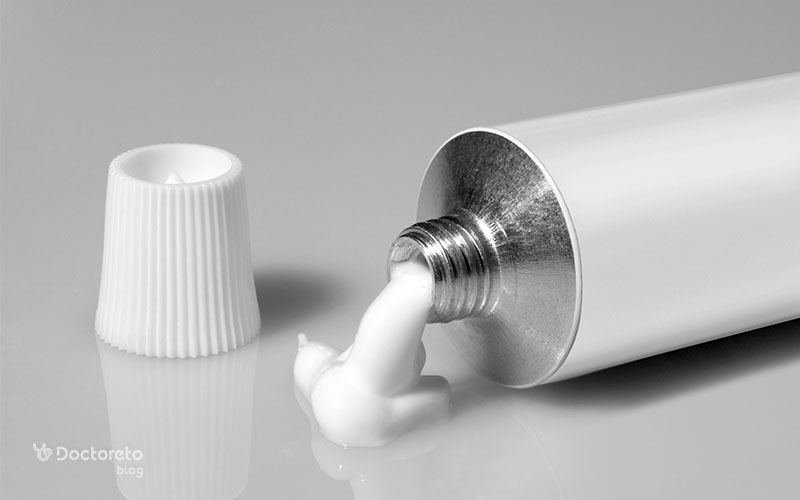
photo of vaginal itching ointment
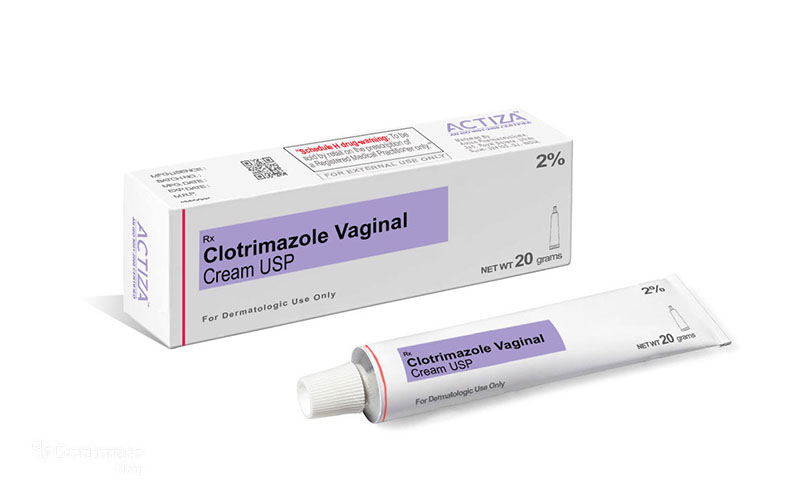
In many searches, the user is looking for a picture of vaginal itching ointment so as not to buy the wrong medicine, but it is more important than the picture to read the name of the active substance and the route of administration on the box. Many creams are similar and you may confuse a skin cream with a vaginal cream, while the place of use and the applicator are different. It is better to pay attention to the word vaginal, vaginal cream or vaginal gel on the packaging and the presence of the applicator and read the brochure completely. If the medicine is not for inside the vagina, using it inside the vagina can cause irritation and burning.
Ointment for fungal vaginal itching
Fungal infections (vaginal candidiasis) are a type of vaginal infection caused by the overgrowth of Candida yeasts such as Candida albicans. This infection is usually accompanied by symptoms such as severe itching, burning, redness, pain, and a cheesy white discharge. In the following, we will introduce various antifungal ointments for the treatment of vaginal itching.
1. Clotrimazole ointment is effective in vaginal itching?
Clotrimazole is one of the most widely used ointments for mild to moderate yeast infections. This ointment is an ideal option for people who get vaginal candidiasis for the first time. Clotrimazole is used intravaginally using an applicator, preferably before bedtime. Clotrimazole ointment is consumed without a prescription in the following two concentrations.-
Clotrimazole 1%: once a day for 7 to 14 days
Clotrimazole 2%: once a day for 3 days

2. Miconazole for vaginal itching
By inhibiting the production of ergosterol, miconazole ointment causes cell death of fungi and helps to treat mild to moderate fungal infections and vaginal itching. This drug is used topically externally (to reduce itching of the external part of the vagina) and intravaginally (to treat fungal infection) and is available without a prescription in two doses:- Miconazole 2%: to be used with an applicator for 7 consecutive days.
- Miconazole 4%: to be used for 3 consecutive days.
Warning: complete the course of use and consult a doctor before use in the first trimester of pregnancy.
3. Tioconazole ointment for vaginal itching
Due to the need to take only one dose, tioconazole ointment is a suitable drug for people who have itching and mild fungal infection and are looking for quick treatment. Tioconazole is available in pharmacies without a prescription at a dose of 6.5%. If vaginal itching persists after 3 days of using this ointment, consult a doctor. If the symptoms are very severe, or you are pregnant, or you have a history of recurrence, it is better to choose the drug and the duration of treatment with the doctor's opinion.4. Nystatin ointment for vaginal itching
Nystatin or mycostatin ointment is used to treat vaginal fungal infections. This drug is used at a dose of 100,000 units/gram intravaginally, twice a day for two consecutive weeks. However, for the treatment of itching and fungal infections of the vagina, it is recommended to use nystatin vaginal tablets instead of ointment.| Ointment name | Medicinal category | How to use | Duration of use |
|---|---|---|---|
| Clotrimazole | Antifungal | with applicator/one to 2 times a day | 7 day |
| miconazole | antifungal | with applicator or topical/once a day | 3 to 7 days |
| metronidazole | antibacterial | topical/once to 2 times a day | 7 to 10 day |
| clindamycin | antibacterial | with applicator/once a day | 7 to 10 days |
| hydrocortisone | anti-inflammatory | local/2 to 3 times a day | 3 to 7 day |
| Zinc oxide | moisturizer | topical/depending on the intensity of itching up to several times a day | 7 days |
5. Ketoconazole ointment for vaginal itching
Topicalketoconazole is mostly used for some fungal skin problems and is not a common choice for treating vaginal yeast infections. If the itching is in the external area and on the skin and the doctor diagnoses skin fungus, it may be used for vaginal itching, but for vaginal treatment, more specific drugs such as Clotrimazole or Miconazole are usually recommended. The important thing is that using the wrong medicine can cause continued itching and cause skin sensitivity.
6. Benafin ointment for vaginal itching
Binafine is usually mentioned in the category of skin antifungals and is mostly used for superficial skin fungi, not for vaginal infections. If the itching of the vagina is from the outside and on the surrounding skin and the doctor diagnoses skin fungus, it may be used. But if you have vaginal itching, abnormal discharge, or bad odor, you should go for vaginitis and standard vaginal treatment. The difference in the location of the disease causes an apparently similar cream to have a completely different effect.
antibacterial ointments to treat vaginal itching
Bacterial infection of the vagina, especially bacterial vaginosis, is one of the main causes of vaginal itching, which is caused by the imbalance of beneficial bacteria and the growth of harmful bacteria. This infection is associated with symptoms such as itching, burning, redness, fishy smell and thin and white secretions. Antibacterial ointments help reduce these symptoms and treat the infection by targeting the harmful bacteria. In the following, we introduce antibacterial ointments suitable for the treatment of vaginal itching.1. Metronidazole ointment to treat vaginal itching
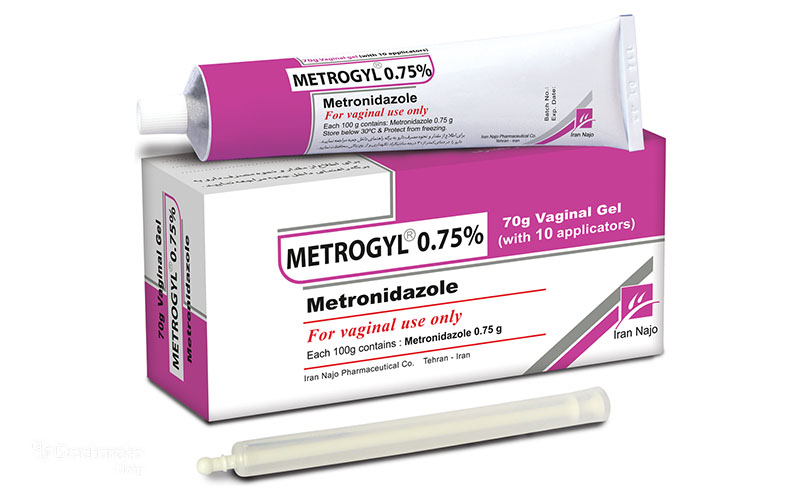
Metronidazole Ointment Metronidazole is a topical antibiotic used to treat itching and inflammation caused by superficial bacterial infections in the external vaginal area. Apply metronidazole 0.75% on the outer part of the vagina once or twice a day for 7 to 10 days. By inhibiting the growth of anaerobic bacteria, metronidazole helps to quickly reduce symptoms such as itching, burning and redness. Complete the course of treatment even if symptoms improve.
2. Clindamycin ointment for vaginal itching
Ointment Clindamycin is an antibiotic that helps treat bacterial vaginosis and reduce vaginal itching by inhibiting the synthesis of proteins necessary for bacterial growth. To use, use an applicator full of ointment inside the vagina before going to bed for 3 to 7 consecutive days. Do not use latex condoms or contraceptive diaphragms while taking this medicine, as clindamycin increases the risk of their tearing.
English text:
drugs
Avoid having sexual intercourse or using other vaginal products such as tampons, lubricants, or douches while you are using clindamycin vaginal.
3. Mupirocin ointment for vaginal itching
Mupirocin Ointment 2% helps treat superficial bacterial infections by inhibiting the synthesis of essential bacterial proteins. This ointment is not recommended for the treatment of internal vaginal infection and should be used under the supervision of a doctor. Mupirocin is a topical skin antibiotic and is mostly used for superficial skin infections such as jaundice or hair follicle infection. If itching outside the vagina is due to inflammation of the hair follicle after shaving or a skin infection, the doctor may suggest it. A4. Tetracycline ointment for vaginal itching
Topical tetracycline is mainly used on the skin and is not recommended for intravaginal treatment. This drug stops the growth of bacteria by inhibiting protein synthesis, but its use is not common for internal vaginal infections. Long-term use of this ointment may cause the growth of fungi or the development of bacterial resistance, so it should be used under the supervision of a doctor. Some people turn to topical antibiotic ointments for severe vaginal itching, but this can increase inflammation or mask symptoms.
5. Triple sulfa ointment for vaginal itching
Triple Sulfa is mostly included in the category of skin antibiotic ointments and is used for some superficial skin infections. This ointment is not designed for vaginal use, and vaginal use can cause burning and irritation. If the itching of the external genital area is due to a superficial wound or skin infection, the doctor may choose the appropriate treatment. But for vaginal itching with discharge or bad smell, the cause of vaginitis should be investigated and targeted treatment should be given.
Anti-inflammatory ointments or steroid creams
If vaginal itching is caused by skin dermatitis, eczema, allergic reactions or other skin irritations, anti-inflammatory ointments are recommended. By reducing the level of substances such as histamine, these ointments suppress the body's inflammatory responses and help reduce itching, redness and swelling. One of the benefits of these creams is the quick relief of itching and repair of damaged skin caused by severe itching.
Note that these creams are only suitable for the outer part of the vagina. The use of steroid creams should be under the supervision of a doctor and for a limited period of time to avoid side effects such as thinning of the skin and increased risk of infection. If you have vaginal discharge, do not use anti-inflammatory ointments without consulting your doctor. Self-use of steroids on the genital area can thin the skin or worsen a yeast infection, so it should not be used as the first choice for any type of itching.1. Clobetazol ointment for vaginal itching
To treat severe vaginal itching, Clobetasol Ointment propionate 0.5% can be used once or twice a day with the doctor's advice. This ointment should be applied in a thin layer on the outer part of the vagina. Also, long-term use of clobetasol can be associated with side effects such as skin thinning, skin color change in the application area, etc. This ointment is very effective in treating cases that have not responded to ointments such as hydrocortisone or betamethasone.
If the cause of your vaginal itching is skin changes such as whitening, cracking or sores, this medication may be prescribed. Arbitrary use without diagnosis can be dangerous and it is better to use it with the advice of a doctor.

2. Hydrocortisone ointment for vaginal itching
Hydrocortisone ointment is a milder and more effective steroid for non-infectious vaginal itching that quickly reduces inflammation and itching. In children, if the doctor diagnoses dermatitis or skin irritation, it may be recommended for a short period of time and a limited amount, because the child's skin is more sensitive. The important thing is that hydrocortisone does not treat the cause of the infection, and if the itching is caused by a fungus or infection, it may worsen the symptoms. If the symptoms do not improve after a week, be sure to consult your doctor.
3. Betamethasone ointment for vaginal itching
Betamethasone Ointment is a strong steroid medication for the rapid treatment of itching and inflammation of the external part of the vagina. This ointment should be used twice a day, morning and night, for 5 to 7 days. Betamethasone should not be used inside the vagina, on wounds and burns. The use of this drug is recommended only with a doctor's diagnosis, because if there is an infection, the symptoms may worsen. In some cases, the doctor prescribes betamethasone ointment along with ointments such as clotrimazole. Many people go to steroids for severe vaginal itching and get better temporarily, but after stopping the medication, the symptoms return again because the root cause is not treated.
English text:
mayoclinic
Use in children 12 years of age and younger is not recommended.
Text translation:
The use of betamethasone ointment is not recommended for children 12 years of age and younger.
4. Triamcinolone N ointment for vaginal itching
Triamcinolone For vaginal itching, it is a combination of a strong corticosteroid and a topical antibiotic that is prescribed to treat inflammation and surface infections of the vagina and should not be used internally. This ointment helps reduce itching, burning and abnormal vaginal secretions. This drug is usually used 2 to 3 times a day on the external part of the vagina and should be taken according to the doctor's order to avoid side effects such as thinning of the skin.
5. Calendula ointment for vaginal itching
Calendula is best known as a herbal product for soothing skin irritations and helping to repair the surface of the skin. If the itching on the outside of the vagina is due to mild irritation, friction, or dry skin, some people use calendula to ease the discomfort. However, this type of ointment is not a treatment for a yeast infection or bacterial vaginosis, and should not replace standard treatment if you have symptoms of an infection. Also, any herbal product can cause allergies in some people, so you should be careful when using it for the first time.
6. Betacortal ointment for vaginal itching
Betacortal is usually included in the category of steroid creams and is used to control skin inflammation. If the external itching of the vagina is due to contact dermatitis or eczema, the doctor may recommend it for a short time to reduce the inflammation. The point is that steroids are not suitable for the treatment of vaginal itching and should not be used arbitrarily and long-term. If itching is accompanied by abnormal discharge or bad smell, it is better to check the possibility of vaginitis first.
7. Mometasone ointment for vaginal itching
Mometasone is also a topical steroid and is mostly used for inflammatory skin problems such as eczema. In the genital area, its use should be done more carefully because the skin is sensitive and long-term use can cause complications. Mometasone may help for a short time if the doctor determines that the itching is caused by external skin inflammation. But if the cause of itching is a fungal or bacterial infection, mometasone does not treat the cause and may make the symptoms misleading.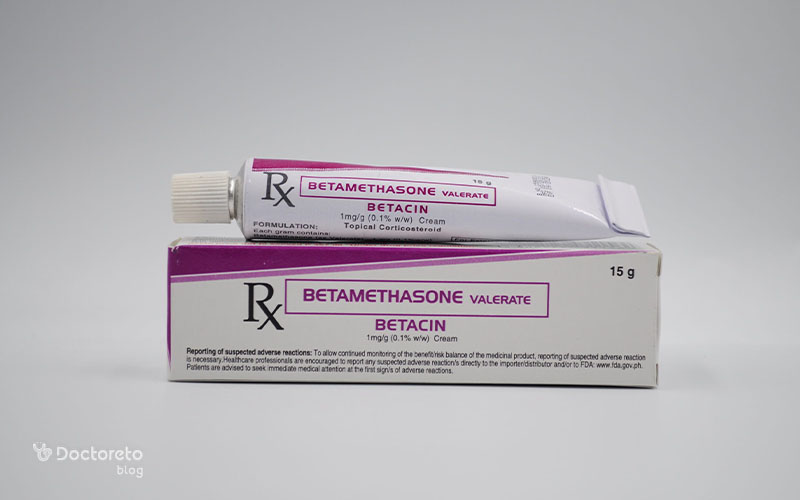
Moisturizing creams to treat vaginal itching
Sometimes, hormonal changes such as a decrease in estrogen can lead to vaginal dryness. Vaginal dryness is one of the main causes of itching, burning and pain in the vagina. Moisturizers help relieve dryness, irritation, and discomfort; But they do not cure the infection and should not be introduced as a definitive method of infection prevention. In case of signs of infection, evaluation and targeted treatment are necessary. There are different types of moisturizing creams, which we will discuss below.
1. Dexpanthenol ointment for vaginal itching
Dexpanthenol 5% ointment is one of the derivatives of vitamin B, which turns into vitamin B5 in the body after absorption. With its moisturizing, healing and anti-inflammatory properties, this substance not only reduces itching and inflammation, but also prevents vaginal dryness and additional irritation. To use, apply a small amount of dexpanthenol ointment 2 to 3 times a day on the outer part of the vagina.
2. Vitamin A D ointment for vaginal itching
Vitamin A D ointment is a topical moisturizer that helps reduce vaginal dryness and itching by hydrating and strengthening the tissues of the genital area. Vitamin D is mostly used as a protector and softener of the outer skin and can help with dryness and mild irritation. Some people use it as a cream for vaginal itching, but it should be noted that this product does not cure the infection. To use, apply a small amount of ointment (about a fingertip) to the external area of the vagina 2 to 3 times a day. If the symptoms do not improve after a week, be sure to consult a doctor.
3. Zinc oxide ointment for vaginal itching
Zinc oxide is a known skin protectant and can help with inflammation caused by moisture, friction, or surface irritation of the external genitalia. Zinc oxide ointment with protective and anti-inflammatory properties is an effective option for relieving itching and irritation in the vaginal area. If itching outside the vagina is due to prolonged contact with pads or tight clothing, this ointment can create a protective layer and reduce irritation. But zinc oxide is not a treatment for fungal or bacterial infection and it is not suitable for vaginal itching. If your symptoms are more internal or accompanied by foul-smelling discharge, the exact cause should be investigated.
| Pattern of symptoms | Probable cause | Proposed treatment group | Note |
|---|---|---|---|
| Itching with thick white discharge (cheesy), redness, burning | Fungal infection (candidiasis) vaginal) | Vaginal antifungals (azoles such as clotrimazole and miconazole) | According to the text, they are usually used with an applicator and preferably before bedtime. |
| Itching with a foul smell (like fish) and thin gray or white discharge | Bacterial vaginosis and infection Bacterial | Vaginal antibacterials (such as metronidazole and clindamycin) | Antifungals are not effective in BV. |
| Itching more on outer skin, worse with pads, detergent, tight clothing | Skin irritation and contact dermatitis | Different approach: skin protectors and moisturizers and sometimes anti-inflammatories Short-term with doctor's advice | Steroids only in specific circumstances and with doctor's advice. |
| Itching with dryness (especially with hormonal changes and menopause, postpartum and breastfeeding) | Vaginal dryness | Vaginal moisturizers and lubricants | If symptoms are moderate to severe, doctor may prescribe estrogen suggest vaginal. |
| Intravaginal itching | Need to distinguish fungus vs BV | Standard vaginal products (antifungal or antibacterial based on diagnosis) | If you are not sure what the cause is, get help from testing and examination before use. |
combined ointments to treat vaginal itching
Sometimes vaginal itching is caused by various factors such as fungal, bacterial or inflammation. In this situation, the use of combined ointments that have compounds such as antifungal, antibacterial, and anti-inflammatory agents can help reduce various symptoms, including itching, inflammation, and redness. In the following, we will learn about the most common combined ointments for the treatment of vaginal itching.
1. Recobizol ointment for vaginal itching
Recubizul Ointment is a combination of a potent antifungal and a potent corticosteroid. This ointment is designed to treat severe fungal infections with itching, burning and abnormal secretions or skin inflammations caused by eczema or allergies. This ointment is usually used twice a day for 2 to 4 weeks under the supervision of a doctor.
2. Megacort ointment for vaginal itching
Megacort 0.1% ointment is a topical corticosteroid that is effective for reducing itching caused by non-infectious inflammations such as allergies, dermatitis or skin irritations. The use of this ointment should be according to the doctor's prescription, but it is usually applied once a day on the external area of the vagina.3. Xylogel ointment for vaginal itching
Xilogel usually contains lidocaine and has the role of local anesthesia, which means it temporarily reduces burning and pain. This gel does not treat the cause of the infection or inflammation and only relieves the symptom temporarily, so it should not replace the main treatment. If itching is accompanied by sores, blisters, or severe pain, the use of anesthetic may delay the visit. In special and short-term cases, the doctor may take help from it to reduce pain.
4. Fluocinolone ointment for vaginal itching
Fluocinolone is a topical steroid and, like other steroids, is used to control skin inflammation. It should be used with caution in the genital area because the skin is sensitive and prolonged use can cause complications. If external vaginal itching is confirmed to be due to a skin condition, the doctor may recommend this medication for a limited time. But for itching inside the vagina or itching with discharge and odor, the appropriate treatment is usually antifungal or antibacterial, not steroids.
| Categories of ointments | Names of ointments |
|---|---|
| Antifungal ointment to treat vaginal itching | Clotrimazole ointment, clobestazole ointment, miconazole, tioconazole ointment, Nystatin ointment, Dermatin cream |
| Antibacterial ointments to treat vaginal itching | Tetracycline ointment, mupirocin ointment, metronidazole ointment, clindamycin ointment |
| Anti-inflammatory ointments or steroid creams | Hydrocortisone ointment, betamethasone ointment, triamcinolone ointment NN |
| Moisturizing creams for treating vaginal itching | Dexpanthenol ointment, vitamin D ointment (vitamin A+D ointment), zinc oxide ointment |
| Other ointments for treating vaginal itching | Recobisol ointment, Megacort ointment |
The best ointment for vaginal itching
According to the cause of vaginal itching, the doctor can prescribe the best ointment for vaginal itching. If the itching is accompanied by a thick white discharge, redness and burning, the fungal vaginal itching ointment from the azole group is usually the first choice. If the itching is accompanied by a bad smell and thin discharge, vaginal antibacterial treatments such as metronidazole or clindamycin are suggested more. If the itching is more external and associated with pads, soap, or tight clothing, it is likely to be skin irritation, and short-term protective or anti-inflammatory creams can help with the doctor's opinion.If you have severe vaginal itching that lasts more than a few days, or sores and blisters, pelvic pain, fever, unusual bleeding, or frequent recurrences, it is best to get checked before using any topical ointment for vaginal itching. This both speeds up the treatment and prevents the unnecessary use of antibiotics or steroids.
best ointment for vaginal dryness and itching
When vaginal dryness is the underlying cause, the best vaginal dryness cream are usually vaginal moisturizers and lubricants, and are recommended as a first-line option in many sources. These products can reduce itching and burning by increasing moisture and reducing friction, especially during menopause or after childbirth and breastfeeding. In fact, this drug can be the best ointment for vaginal burning. If the symptoms are moderate to severe or are accompanied by frequent urinary infections, the doctor may suggest topical hormonal treatments such as vaginal estrogen.
best ointment for vaginal itching
Itching inside the vagina is more related to vaginitis, and in this case, you should go for standard vaginal products, not skin creams. If the diagnosis is fungal, vaginal azoles such as clotrimazole or miconazole are common choices and, according to the guidelines, are effective in many simple cases. If the diagnosis is bacterial vaginosis, metronidazole gel or clindamycin cream is recommended, and antifungals do not work. If you are not sure what the cause is, it is better to get the help of a test and examination before using vaginal ointment for vaginal itching.
External-vaginal-itching ointment
Itching outside the vagina is more related to the skin and its common causes are irritation with pads and detergents, burning sweat, shaving, contact dermatitis or skin diseases. In this case, the ointment for itching of the external vagina can include protective creams such as zinc oxide or restorative creams such as dexpanthenol, and sometimes a mild steroid for a short period of time with the doctor's opinion.
If the external itching is accompanied by a change in skin color, cracks, sores or long itching, diseases such as lichen sclerosis arise and require specialized treatment. So, the best ointment for itching outside the vagina is the one that matches the cause of your skin and without diagnosis, it is better not to go for strong steroids.
What is the best ointment for vaginal infection and itching?
Choosing the best ointment for vaginal infection and itching depends on the cause of the infection; If it is a fungal infection, usually antifungal ointments such as clotrimazole or miconazole are the most effective options, but if it is a bacterial infection, drugs such as metronidazole or clindamycin are prescribed, and in cases where itching and inflammation are only in the external area, anti-inflammatory ointments such as hydrocortisone or betamethasone are used only with the doctor's opinion; Therefore, since the treatment of each type of infection is different, it is necessary to consult a doctor for an accurate diagnosis and to choose the right medicine in order to avoid incorrect treatment and possible complications.
How to use cream or ointment for vaginal itching
As you can see in the table above, the type of ointment is selected according to the type of infection. After you have been prescribed the best ointment according to your doctor's discretion, follow the steps below to use vaginal itching ointments:- hand washing
- Washing the vaginal area with a mild, fragrance-free detergent
- Drying the vaginal area
- hand washing again
- Check the expiration date and read the drug brochure to make sure how to use the ointment correctly
For external use, take the recommended amount with a clean hand and gently apply it on the external area of the vagina, and for internal use, take the desired amount with a special applicator. While you are lying down, gently insert the applicator into the vagina and release the medication with gentle pressure. Don't forget that hygiene is very important in the treatment of vaginal complications. When using ointments for vaginal itching, there are important points that you should keep in mind:
- Use internal vaginal ointments before going to bed
- Avoid sexual intercourse during treatment
- Do not use tampons or menstrual cups during treatment
- Even if symptoms improve, complete the course of treatment
Ointment for vaginal itching in children
The use of vaginal itching ointments in children should be done very cautiously and under the supervision of a doctor, because there is not enough information about the safety of many of these drugs in children under 12 years of age. Vaginal itching in children, especially in prepubescent girls, may occur for reasons such as infection, environmental irritations, or hygiene factors. Zinc oxide, dexpanthenol, clotrimazole, hydrocortisone 1% and mupirocin are among the ointments that may be prescribed for children with a doctor's diagnosis.

Ointment for vaginal itch for girls
One of the common concerns among young and virgin girls is the use of intravaginal ointments due to the possibility of damage to the hymen. In general, intravaginal ointments that are used with an applicator do not harm the hymen if the instructions are followed and used correctly. But this group of people can use alternative methods such as external topical ointments or oral medications determined by the doctor.
vaginal itching ointment during pregnancy
Vaginal itching during pregnancy is one of the common problems that many women experience for several reasons. Before taking any medicine during pregnancy, it is better to check the list of permitted and prohibited medicines during pregnancy. Clotrimazole, zinc oxide, metronidazole, and clindamycin ointments are among the ointments that may be prescribed to pregnant women with a doctor's diagnosis.
In general, it is better to avoid arbitrary use of strong steroids or combined creams during pregnancy. If the itching is severe and accompanied by an abnormal discharge or odor, the doctor may perform tests to differentiate between fungus and BV, as the two treatments are different. This is where the vaginal anti-itch cream should be chosen purposefully so that both the mother is more comfortable and the treatment remains safe.
vaginal itching ointment for menopause
Menopause is a period that causes problems such as itching, dryness and atrophy of the vagina due to the decrease in estrogen production. To relieve vaginal itching during menopause, anti-inflammatory and moisturizing ointments are suitable options. One of the non-hormonal products specifically designed to relieve vaginal itching and dryness caused by menopause is Xylo Gel. If the symptoms are moderate to severe or accompanied by frequent urinary infections, topical treatments such as vaginal estrogen can be effective with the doctor's opinion. Therefore, in menopause, the focus of treatment is on tissue regeneration and reducing dryness.
Side effects of using vaginal itching ointment
Usually, the side effects of using vaginal itching ointment depend on the type of medicine, the place of use and the duration of use, and if it is chosen without correct diagnosis, the probability of the problem increases. The most common complications include burning and irritation of the skin or inside the vagina, redness, more dryness, more intense itching, contact inflammation, and allergic reactions such as hives or swelling, especially when perfumed or inappropriate creams are used.
Antifungal ointments sometimes cause temporary burning and vaginal antibiotics may disturb the balance of vaginal flora and provide the basis for fungus. Steroid creams, if used arbitrarily or for a long time, can thin the skin of the genital area, cause cracks and discoloration, worsen a yeast infection, and mask the symptoms of more serious diseases. If the symptoms do not improve or worsen after using the ointment for vaginal itching within 3 to 5 days, or if you have pelvic pain, fever, strong odor, sores and blisters, or abnormal bleeding, it is better to stop the medication and see a doctor for a detailed evaluation.
What is the itching of vaginal fungal infection ointment?
The cause of itching when using vaginal fungal infection ointment can be different. The most common cause of irritation and sensitivity of the vaginal mucosa is the antifungal drug itself or the side ingredients in the ointment, especially in the first days of use when the mucosa is inflamed and sensitive. Also, the severity of the fungal infection itself can cause the itching to continue or intensify, and the person thinks that the ointment is the cause. In some cases, incorrect or excessive use of medication, simultaneous use of strong detergents, or misdiagnosis of the type of infection also cause itching.
Conclusion
Vaginal itching is one of the common problems among women, which fortunately, can be managed well by knowing the main causes of this condition and choosing the right vaginal itching ointment. Vaginal itching ointments include antifungal, antibacterial, anti-inflammatory, moisturizing, and combination ointments, each of which is used to relieve specific symptoms. The correct selection of these ointments not only provides immediate relief of symptoms, but can also prevent vaginal itching from returning or worsening. Vaginal itch ointments fall into several main groups, each designed for a specific condition: antifungals for candidiasis, antibacterials for bacterial vaginosis, protective and moisturizing creams for dryness and superficial irritation, and steroids for some well-diagnosed skin inflammations.
Your doctor takes care of your health!