
مقایسه روشهای تنگی واژن: جراحی و غیرجراحی
با گذر زمان یا پس از زایمان، دیوارههای واژن شل میشوند و عضلات کف لگن توانایی سابق را از دست میدهند، که باعث میشود حس تنگی واژن کاهش یابد و واژن نسبت به قبل گشادتر شود. این وضعیت میتواند بر کیفیت رابطه جنسی، اعتمادبهنفس و سلامت روانی فرد تأثیر بگذارد. روشهای درمانی تنگی واژن به دو دسته اصلی تقسیم میشوند: روشهای جراحی و روشهای غیرجراحی. هر کدام از این روشها مزایا، معایب و محدودیتهای خاص خود را دارند. انتخاب روش مناسب بستگی به عواملی مانند تشخیص پزشک و شرایط فیزیکی فرد دارد.
روشهای جراحی معمولاً نتایج سریع و طولانیمدت ارائه میدهند، اما نیاز به بیهوشی، دوران نقاهت و احتمال عوارض دارند. On the other hand, non-surgical methods include laser, radio frequency and pelvic floor exercises, which are non-invasive and have less risk, but may require multiple sessions and continuous compliance to achieve the desired result.
Further, this article examines each method in detail, compares effectiveness, complications and costs so that users can make an informed decision to choose the right method.
Table of Contents
- Reasons and causes of vaginal dilation
- vaginal stricture surgery methods
- Non-surgical methods of vaginal stricture
- General comparison of surgical and non-surgical methods
- Frequently Asked Questions
- summary and conclusion
- Resources
Reasons and causes of vaginal dilation
Vaginal stenosis means rigidity and the ability of strong muscles and walls of the vagina to create a feeling and support is. By reducing this ability, the vagina becomes wider and looser, which may reduce the quality of sex and self-confidence. Factors affecting vaginal changes are:
1. Natural childbirth:
One of the reasons for stretching the muscles and tissues of the vagina is natural childbirth. Multiple births or long births can weaken the pelvic floor muscles and reduce the feeling of vaginal tightness.
2. Increasing age and hormonal changes:
With increasing age and decreasing estrogen hormone, the elasticity of the vaginal walls decreases and the muscles become weaker, which leads to a decrease in the stiffness and tightness of the vagina.
3. Genetic factors:
Some women naturally have weaker connective tissue, which can reduce the stiffness and tightness of the vagina.
4. Changes in weight and lifestyle:
Obesity, reduced physical activity and weakness of the pelvic floor muscles can reduce control and loosen the vagina.
5. Pelvic diseases or surgeries:
Some diseases such as uterine prolapse or pelvic surgeries may affect the structure of the muscles and walls of the vagina and cause a decrease in vaginal tightness.

Vaginal Stenosis Surgical Procedures
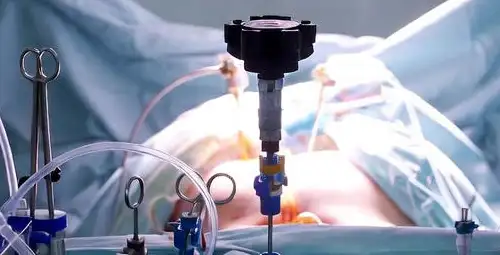
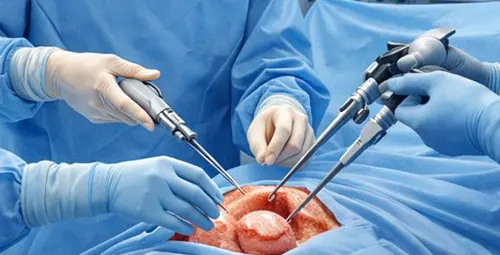
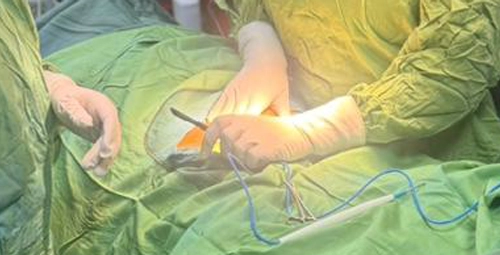
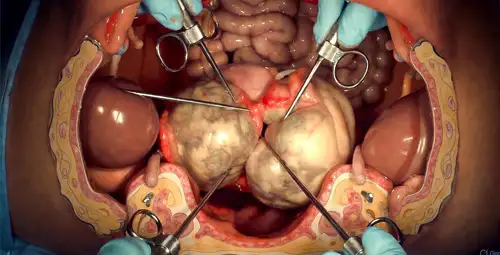
Vaginal Stenosis Surgical Procedures are usually recommended for women who are looking for fast results and They are persistent or non-surgical methods have not been effective for them. These methods are performed with the aim of restoring and tightening the muscles and tissues of the vagina and each has its own advantages and limitations.
Vaginoplasty
Vaginoplasty is a surgery that is performed with the purpose of tightening the walls of the vagina and reducing the diameter of the vaginal canal. This procedure usually involves excess tissue removal and pelvic floor muscle reconstruction to improve tightness and muscle control. Vaginoplasty can help increase sexual satisfaction and improve the quality of intercourse.
Perineoplasty
Perineoplasty focuses on reconstruction of the perineal area (between the vagina and anus). This method is especially suitable for women who have laxing or damage to the perineum after childbirth. The operation includes strengthening of the perineal muscles and reconstruction of damaged tissues and helps to increase the firmness and support of the vagina.
Pros and cons of surgical methods
Advantages:
Fast and visible results
Longer durability than non-surgical methods
Possibility to correct severe structural problems
Disadvantages:
need for anesthesia and recovery period
possibility of complications such as bleeding, infection or scarring
higher cost than non-surgical methods
Non-surgical methods of vaginal stricture
Non-surgical methods of vaginal stricture are suitable for women who are looking for non-invasive methods, with less risk and without anesthesia. These methods are performed with the aim of strengthening the muscles and reconstruction of vaginal tissues and usually require repeating sessions or following specific instructions.
Laser treatments
Laser treatments include the use of Co₂ or Er:YAG laser is used to stimulate vaginal tissues. This method causes production of new collagen and reconstruction of the internal tissues of the vagina, which results in an increase in the stiffness and tightness of the vagina. Laser is usually done painlessly and without the need for surgery and has a short recovery period.
RF (Radiofrequency)
RF method using radio frequency energy, controlled heat to Inserts vaginal tissues. This heat causes collagen fibers to contract and strengthen vaginal muscles. The effect of RF is usually gradual and requires several treatment sessions to achieve the best results. For more information, read the article Vaginal RF operation.
Kegel exercises and pelvic floor physiotherapy
Kegel exercises include contraction and release of the pelvic floor muscles, which helps strengthen the vaginal muscles. Physiotherapy of the pelvic floor with manual methods and special devices improves muscle tone, control and stiffness of the vagina. These methods are completely non-invasive and in addition to improving vaginal tightness, they also reduce urinary problems and pelvic floor muscle weakness. data-end="1325">Advantages:
Non-invasive and without anesthesia
low risk and limited complications
short recovery period or no recovery
Suitable for those who do not want surgery
Disadvantages:
The need for multiple sessions and continued treatment
The effect may be less and gradual
Results may be shorter lasting than surgery
General comparison of surgical and non-surgical methods
Choosing the right method for vaginal stricture depends on the severity of the problem, It has individual expectations and physical conditions. In this section, we will make a general comparison of the two methods.
The degree of effectiveness and durability
Surgical methods: Vaginoplasty and perineoplasty usually have quick and long-lasting results and the effect of tightening and tightening the vagina is significantly long-lasting. These methods are especially recommended for severe structural problems.
Non-surgical methods: laser treatments, RF and pelvic floor exercises Results gradual and less permanent. To maintain the effect, repeated sessions or continuous exercises may be necessary.
Dangers and complications
Surgical procedures: include risks of anesthesia, bleeding, infection, scarring, or temporary pain. Recovery may also take several weeks.
Non-surgical methods: are low risk and have limited complications, but may involve temporary tissue irritation or inflammation. be mild. These procedures rarely require a recovery period.
Cost and Access
Surgical methods: are usually more expensive and require specialized centers and skilled surgeons. data-end="1072">Non-surgical methods: They cost less and are easier to access, but the gradual effects and the need to repeat the treatment can increase the overall cost.
Choosing the right method depends on the severity of the problem, physical condition, risk tolerance and budget. Surgery is suitable for quick and permanent results, while non-surgical methods are a better option for those looking for a minimally invasive and low-risk approach.


Frequently asked questions
Does it last longer?
Are non-surgical methods of vaginal stricture really effective?
Summary
Vaginal stricture methods include surgical and non-surgical options, each of which has specific uses, advantages, and limitations. Surgical procedures usually produce faster and longer-lasting results and are better suited for people with severe laxity or structural problems. On the other hand, non-surgical methods are the right choice for people who are looking for a gradual and low-risk improvement due to their non-invasiveness, lower risk and short recovery period.
Choosing the best method depends on factors such as the severity of reduction of vaginal stiffness, the person's health status, expectations of the treatment result and the level of risk acceptance. Informed and realistic decision-making can lead to the choice of a method that brings the greatest satisfaction to the individual both in terms of safety and effectiveness.
Dr. Zahra Sabekrou - surgeon and obstetrics and gynecology specialist
source
Comprehensive review of surgical and non-surgical methods of vaginal stricture

Comparison of vaginal tightening methods: surgical and non-surgical With the passage of time or after childbirth, the walls of the vagina relax and the muscles...