Post-operative care of endometriosis Dr. Narges Mehrabi
3 weeks ago
855 بازدید
Dr. Narges Mehrabi
تهران
Surgeon and gynecology and infertility specialist
Endometriosis post-operative care
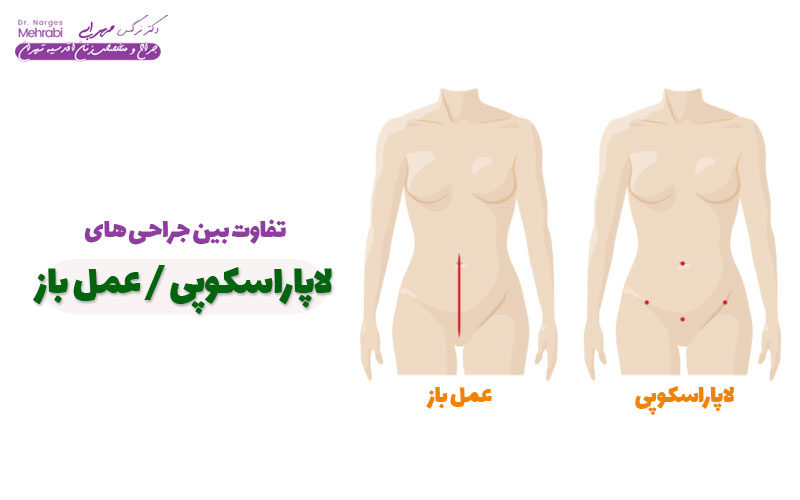
The decision to undergo surgery to treat endometriosis is often the last stop in the long path of fighting chronic and annoying pains of this disease. While surgery, whether laparoscopic or open surgery, removes the misplaced endometriosis tissues and adhesions caused by it, but the crucial and crucial part of the treatment actually begins after leaving the operating room.
The recovery period after surgery is the time when the body begins to repair itself, and the patient's commitment to medical instructions plays a decisive role in reducing the risk of complications, preventing early recurrence of the disease. and guarantee a complete and problem-free recovery. Much of the long-term success of surgery lies not in the skill of the surgeon, but in the careful and regular follow-up of the patient at home.
Therefore, our focus in this article is to provide a comprehensive and practical guide for the post-surgery period. The goal is to help you, fully aware of the details and nuances of post-operative endometriosis care, pass this critical period calmly and preserve the results of the surgery in the best possible way. href="#%D9%85%D8%AF%DB%8C%D8%B1%DB%8C%D8%AA-%D8%AF%D8%B1%D8%AF-%D9%88-%D9%86%D8%A7%D8%B1%D8%A7%D8%AD%D8%AA%DB%8C-%D8%AF%D8%B1-%D8 %B1%D9%88%D8%B2%D9%87%D8%A7%DB%8C-%D8%A7%D9%88%D9%84%DB%8C%D9%87 Management Pain and discomfort in the early days after surgery
Remember to avoid pulling or manipulating the wounds during endometriosis post-operative care. In some surgeries, the sutures are absorbable, and in others, they need to be pulled, which will be done by the doctor. Observing hand hygiene before any contact with the wound is the easiest and most effective way to prevent infection.
Proper and vital nutrition in post-operative care Endometriosis
Nutrition plays a double and vital role during the recovery period after endometriosis surgery: first, providing the necessary materials to repair damaged tissues and second, helping the proper functioning of the digestive system, which is often affected after anesthesia and abdominal surgery. Your diet should be nutritious and light.
In the early days after surgery, it is often recommended to start with liquid and soft foods and gradually move to solid foods. The most important thing is to ensure adequate protein intake, because proteins are the building blocks needed for faster healing of wounds and internal tissues. Low-fat protein sources such as chicken, fish, eggs, and beans should be a priority.
High consumption of fiber and fluids is also an important part of aftercare for endometriosis. Medications and prolonged rest after surgery can lead to constipation, which puts a lot of pressure on the surgical site. Drinking plenty of water and including fruits, vegetables and whole grains in your diet is essential to prevent constipation.
Aftercare Endometriosis
Avoid foods that cause bloating (such as certain raw vegetables or carbonated drinks) or processed and high-fat foods that are difficult to digest. The purpose of nutrition after surgery is to create a calm and nutritious internal environment so that the body can focus on full recovery without getting involved in digestive problems. Controlled is a critical aspect of endometriosis postoperative care. While your body needs rest to heal, being completely immobile can greatly increase your risk of developing a blood clot (deep vein thrombosis, or DVT). Frequent short walks around the house or yard not only help circulation and reduce the risk of blood clots, but can also help to release residual gas from the laparoscopic procedure more quickly and thus relieve shoulder pain. It puts pressure on the abdominal muscles, it should be completely avoided. These restrictions are necessary to protect internal and external sutures and prevent tears or hernias.
When resting, try to choose positions that put the least pressure on the abdomen. Timely and quality rest allows the body to devote its energy resources to the recovery process. Gradually and with the doctor's advice, you can increase the intensity of your physical activity during after careAction Endometriosis and return to normal routine.
Gradual return to the normal routine of life is an important part of the process of psychological recovery and It is considered an object in post-operative care of endometriosis. Light daily activities, such as driving, shopping, and office work, can usually be resumed after 1 to 2 weeks with the doctor's advice, but excessive pressure should still be avoided.
Restrictions on sexual activity are also among the most frequent questions after surgery. In general, doctors recommend avoiding sexual activity for at least 4 to 6 weeks after surgery. This ban is to ensure that the incisions and internal tissues (especially in the vaginal and uterine area) have enough time to fully heal and the risk of bleeding or infection is reduced. style="border-width:15px">
Another common problem that occurs especially in laparoscopy is discomfort caused by residual carbon dioxide gas in the abdomen. This gas can cause bloating, a feeling of fullness, and pain in the shoulder or chest. Moving and walking are the best ways to help pass this gas faster.
Sometimes, due to manipulation of the bowel during surgery, it may take some time for normal bowel movements (peristalsis) to fully return. During endometriosis post-operative care, if you have severe and persistent bloating or nausea, or are unable to pass gas or have a bowel movement, you should contact your doctor immediately.
Warning symptoms and the time of immediate visit to the doctor in endometriosis post-operative care
One of the most important parts of endometriosis post-operative care is knowing the warning signs that indicate a serious problem. or complications after surgery and need to see a doctor or emergency room immediately. Failure to pay attention to these symptoms can lead to more serious and dangerous complications.
Symptoms of a serious infection include: a persistent high fever (more than $38^circ C$) that does not go down with antipyretic drugs, severe increase in redness, swelling, or pain at the incision site, or purulent, foul-smelling discharge from the wound. These symptoms can indicate an internal or external infection.
Other warning signs include sudden, severe abdominal pain that does not respond to pain relievers, heavy vaginal bleeding (more than a normal period), persistent nausea and vomiting that prevents you from eating or drinking, and difficulty urinating or having a bowel movement
Also, symptoms that may indicate a blood clot, such as pain, swelling, or redness in one leg (especially the leg) or sudden, severe shortness of breath and chest pain, should be reported to the emergency room immediately. Any concerns during endometriosis postoperative care should be taken seriously. The period of endometriosis postoperative care is a crucial and decisive chapter in your recovery story. The success of an endometriosis surgery boils down not only to the precise removal of active lesions, but also to your ability to effectively manage pain, prevent infection and complications, and return to daily activities intelligently and gradually. A delicate balance between adequate rest for recovery and gentle physical activity to prevent blood clots is the guiding principle of this course.
Beyond the physical aspects, endometriosis postoperative care includes planning for the future. Regular follow-ups with the surgeon, along with the possible initiation of postoperative hormonal treatments, play a key role in reducing the risk of disease recurrence and maintaining favorable surgical results. This step is the bridge that leads you from chronic pain to a higher quality of life. Finally, by fully understanding the warning signs, paying attention to supportive nutrition, and maintaining effective communication with your treatment team, you can take control of the healing process. Your patience and commitment to these endometriosis post-surgery care instructions are your investment in a pain-free future and achieving full health.
endometriosis post-surgery care endometriosis post-surgery care endometriosis post-surgery care endometriosis post-surgery care
When can I drive after endometriosis postoperative care?
In general, driving is usually allowed after 1 to 2 weeks after endometriosis laparoscopy. But before you drive, you should make sure you're off narcotic pain relievers, as they can reduce your alertness and slow your reaction time. Also, you should be able to apply the emergency brake and turn the steering wheel without experiencing severe pain.
How long does it take for endometriosis laparoscopic scars to heal completely?
Scars Laparoscopy-induced endometriosis usually closes within 7 to 10 days, and the sutures are either absorbed or pulled. However, complete healing of internal tissues and fading of external scars may take several months to a year. At first, the scars may be red or pink, but over time they will fade and become thin, small lines.
Can I bathe or go to the pool after surgery?
What can I do to prevent recurrence of endometriosis after surgery?
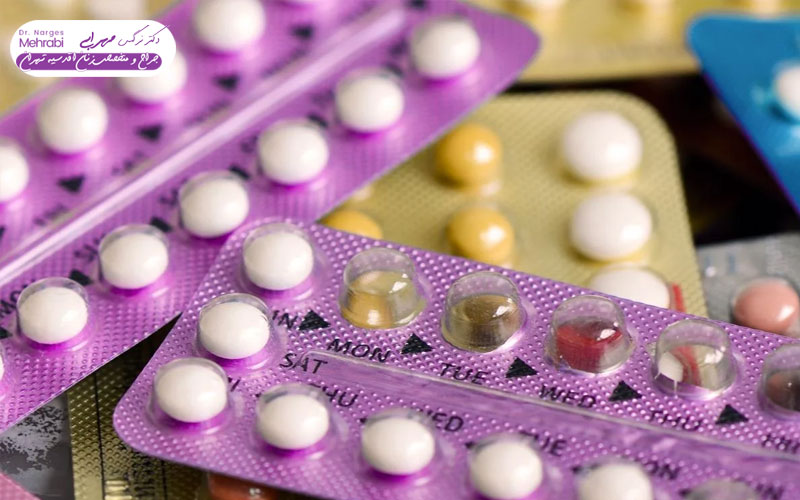
The most important aspect of preventing recurrence of endometriosis after surgery is follow-up. Drug treatment. Many doctors prescribe a hormonal regimen (such as long-term birth control pills or progestins) immediately after surgery to suppress the menstrual cycle and prevent the growth of new lesions. In addition, maintaining a healthy lifestyle, managing stress, and eating an anti-inflammatory diet can also help.
When can I exercise after endometriosis postoperative care?
Why do I feel bloated after endometriosis laparoscopy?
Feeling of bloating and abdominal fullness after endometriosis laparoscopy to There are two main reasons. First, injection of carbon dioxide gas into the abdomen to create a sufficient field of vision for the surgeon. This gas is not completely removed and it takes some time to be absorbed by the body. The second is the effect of anesthesia and surgery on normal bowel movements, which can cause gas accumulation and slow bowel movements. Walking and drinking warm liquids help to reduce this bloating.
Endometriosis postoperative care.
This article is being updated and expanded to meet the SEO standard.