به یاد فرزندان جاویدان این سرزمین

یادشان همواره در قلب این خاک زنده خواهد ماند

A comprehensive review of all types of ovarian cysts Dr. Narges Mehrabi
مقاله تخصصی

A comprehensive review of all types of ovarian cysts Dr. Narges Mehrabi

3 weeks ago
388 بازدید
Dr. Narges Mehrabi

Dr. Narges Mehrabi

تهران

Surgeon and gynecology and infertility specialist

Comprehensive review of ovarian cyst types

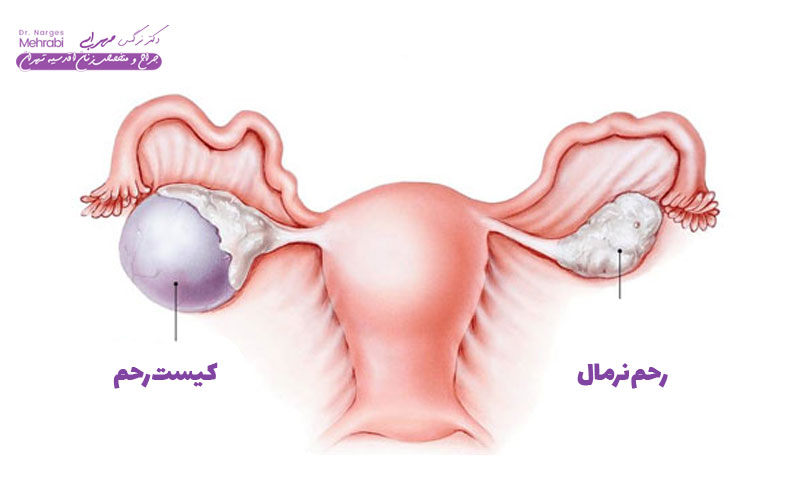
The female reproductive system is a complex and dynamic system that is affected by continuous hormonal fluctuations. At the center of this system, the ovaries as sex gonads play a vital role in the production of gametes (eggs) and the secretion of steroid hormones. One of the most common pathologies faced by women of reproductive age and even after menopause is the formation of ovarian cysts. The word "cyst" often causes concern for patients, but from a scientific point of view, many of these structures are a normal part of the menstrual cycle. However, accurate knowledge of ovarian cysts is essential to distinguish physiological cases from pathological and dangerous cases.

Understanding the difference between a simple functional cyst and more complex masses defines the line between simple medical monitoring and the need for urgent surgery. Types of ovarian cysts in women include a wide range of benign fluid-filled lesions to neoplastic solid masses. Some of these cysts can affect fertility, while others may rupture suddenly and lead to internal bleeding. Statistics show that the vast majority of ovarian cysts are benign, but accurate differential diagnosis by a gynecologist is critical to rule out malignancy. From the cellular mechanisms of follicular cyst formation to the investigation of dangerous ovarian cyst types, we will put all aspects under the microscope. Our goal is to provide a complete scientific reference to help you better understand the nature of your body and make informed decisions when faced with medical diagnoses. To start and understand the basic concepts, we suggest first the article What is ovarian cyst to get familiar with basic definitions.


Ovarian physiology and functional cyst formation mechanism

To understand the types of ovarian cyst, one must first understand the natural process Let's review ovulation. During each menstrual cycle, sac-like structures called follicles grow in the ovary. These follicles contain eggs and are responsible for the production of estrogen and progesterone. Functional cysts are the most common types of cysts that result directly from this natural process and are usually not dangerous.

1. Follicular cyst (Follicular Cyst)

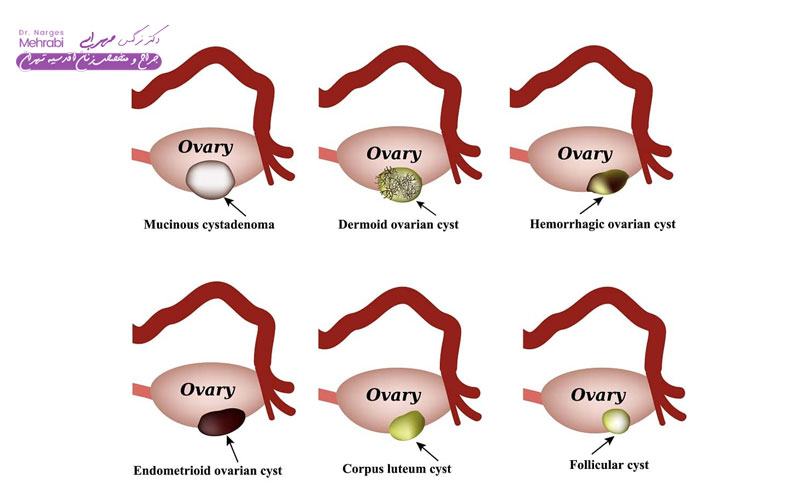
In the middle of the menstrual cycle, a hormonal surge (LH surge) causes the follicle to rupture and release the egg. If for any reason this follicle does not rupture and continues to grow, it becomes a follicular cyst. These cysts usually contain clear fluid and have a thin wall. Follicular cysts rarely cause symptoms and often resolve on their own within two to three menstrual cycles.

Follicular Cyst
Follicular cyst (Follicular Cyst)

2. Corpus Luteum Cyst

After the egg is released, the follicle changes its nature and becomes a structure called "corpus luteum" which is responsible for the production of progesterone to prepare the uterus for pregnancy. If the opening of this structure is blocked, fluid accumulates inside it and forms a corpus luteum cyst. This type of types of ovarian cyst in women can get a little bigger and sometimes cause local pain or bleeding, but it usually disappears within a few weeks. Sometimes these cysts are also seen in early pregnancy, which play a supportive role.


Pathological and neoplastic cysts: when cells change nature They give

Unlike functional cysts, which are caused by a disruption in the normal functioning of the cycle, pathological cysts are caused by abnormal cell growth. It is very important to know this group because some of them are classified as dangerous ovarian cysts or require surgical interventions. 1. Dermoid cyst or teratoma Dermoid cysts are one of the strangest and most complex types of cysts. These masses originate from germ cells that have the ability to transform into any type of tissue. For this reason, tissues such as hair, teeth, skin, cartilage and even nerve tissue may be found in the autopsy of these cysts. Although dermoids are often benign, they can grow to very large sizes and increase the risk of ovarian torsion. The treatment of these types of cysts is usually surgery. To learn about the methods of removing these lumps, the article Ovarian cyst operation provides you complete information.

2. Cystadenoma (Cystadenoma)

These cysts originate from the cells lining the outer surface of the ovary. Cyst adenomas can be divided into two types: serous (contains thin liquid) and mucinous (contains thick and gelatinous liquid). The remarkable thing about cystadenomas is that they can grow to a very large size and cause abdominal distension, without necessarily being malignant. However, due to pressure on internal organs, Remove cyst Ovary of cystadenoma type is often essential.


Endometrioma cyst or chocolate cyst: the silent enemy of fertility

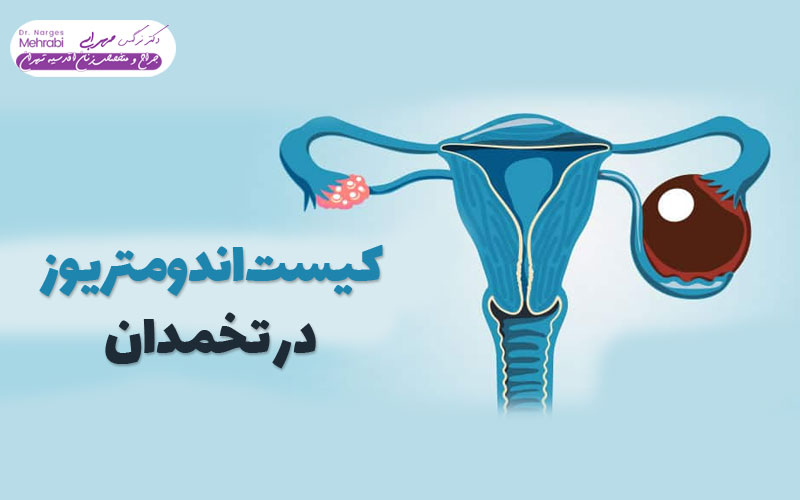
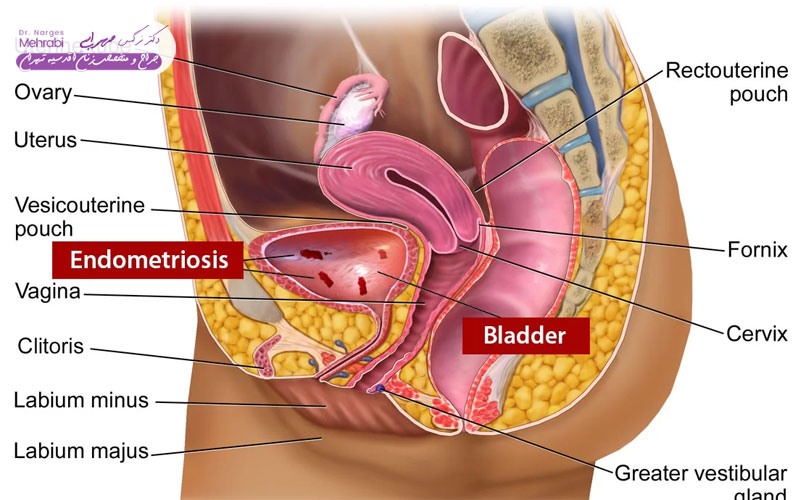
One of the most challenging diagnoses in the field of women, endometriosis is When tissue similar to the inner wall of the uterus (endometrium) grows outside the uterus and on the ovaries, it bleeds with each menstrual cycle but has no outlet. The accumulation of this old and thick blood causes cysts with dark brown contents, which are known as "chocolate cysts" or endometriomas.

Endometrioma cyst or chocolate cyst

Endometrioma is not just a simple cyst; Rather, it is a sign of a systemic inflammatory disease. The presence of these cysts can be associated with severe pelvic adhesions and chronic pain, and is considered one of the main causes of infertility in women. Unlike functional cysts, endometriomas do not go away on their own. Management of these cysts requires a careful approach to preserve ovarian reserve. For a deeper understanding of the effect of this disease on the ovaries, read the specialized article .


Hemorrhagic cysts: check the risks of rupture and internal bleeding

Sometimes during the ovulation process or inside an existing cyst, One of the small blood vessels ruptures and bleeding into the cyst occurs. This condition is called hemorrhagic cyst. This type of cyst is usually accompanied by sudden and severe pain on one side of the lower abdomen.

On ultrasound, these cysts have a mesh (spider web) appearance, which is caused by blood clots inside the cyst cavity. Although most hemorrhagic cysts resolve on their own, the situation can become an emergency if the cyst ruptures and leaks blood into the abdominal cavity (hemoperitoneum). It is important to distinguish between pain caused by a hemorrhagic cyst and appendicitis or ectopic pregnancy. More details about the symptoms and ways to manage this condition can be found on

Polycystic ovary syndrome (PCOS): difference between single cyst and metabolic syndrome

many people The term "ovarian cyst" is confused with "polycystic ovary". While an ovarian cyst usually refers to one or more specific masses, polycystic ovary syndrome (PCOS) is a complex endocrine and metabolic disorder. In this syndrome, the ovaries are enlarged and contain a large number of tiny, immature follicles (not true large cysts) located in a pearl-like setting at the periphery of the ovary.

Polycystic ovary syndrome

PCOS with symptoms like Menstrual irregularity, increased androgen level (male hormone), hirsutism and insulin resistance are associated. This condition affects not only the ovaries but the entire metabolic system of the body and increases the risk of diabetes and heart diseases. Therefore, its treatment is not solely focused on the ovary. For additional information on the management of this common syndrome, see Polycystic ovary see.


Clinical symptoms, diagnosis methods and danger warnings

Often types of ovarian cysts are "silent" or asymptomatic and They are only discovered incidentally during a routine pelvic exam or ultrasound. However, when the cyst enlarges, ruptures, or undergoes torsion, symptoms appear:

  • Pelvic pain: A dull or shooting pain in the lower abdomen that may radiate to the lower back and thighs.
  • Feeling of heaviness and fullness: Pressure in the abdomen and bladder that leads to frequent urination.
  • Dysparony: Deep pain during sex.
  • Menstrual changes: Irregular bleeding, spotting or severe menstrual pain (dysmenorrhea).

Advanced diagnostic methods

An accurate diagnosis of the type of cyst is crucial to determine the treatment strategy:

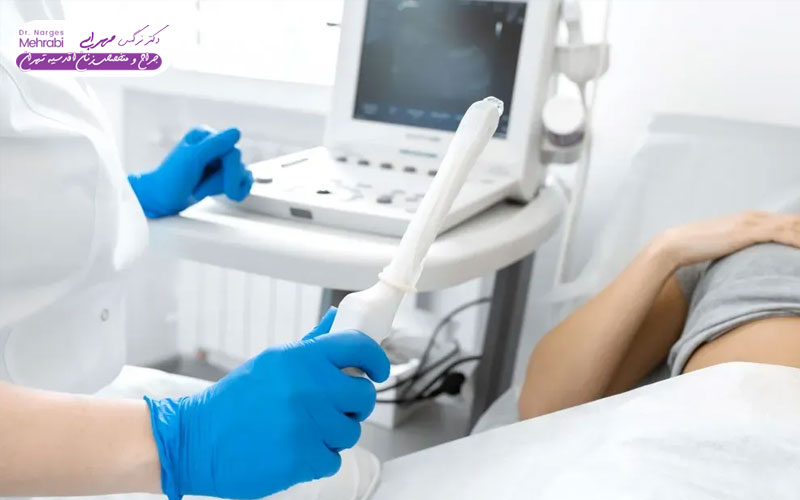
  1. Transvaginal ultrasound: The gold standard for imaging the ovaries to determine the nature of the cyst (liquid, solid, or mixed).
  2. CA-125 blood test: A protein whose levels are elevated in some cases of ovarian cancer. Of course, this marker can also be elevated in benign conditions such as endometriosis and fibroids, so its interpretation should be done by a specialist.
  3. Pelvic MRI: In cases where ultrasound results are ambiguous or a more detailed examination of soft tissues is needed. Sometimes the symptoms overlap and uterine cyst treatment (which It usually means the same fibroid or myoma) requires a different path. id="therapeutic-strategies-from-close-monitoring-to-advanced-surgeries">therapeutic strategies: from close monitoring to advanced surgeries

    Choosing the treatment method is completely dependent on the age of the patient, the type and size of the cyst, clinical symptoms and the individual's desire for fertility in the future.

    1. Watchful Waiting

    For simple and small functional cysts, the doctor usually chooses a conservative approach. Repeat ultrasound after 6 to 8 weeks to check the size change or disappearance of the cyst.

    2. Drug treatment

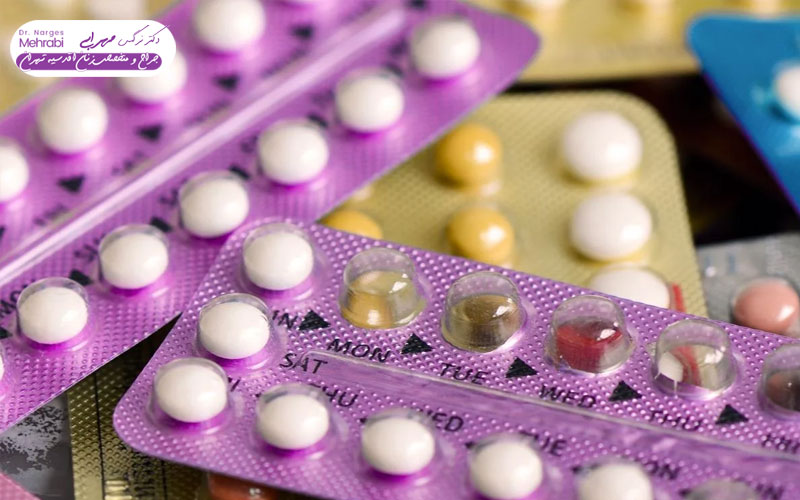
    Hormonal contraceptive pills (OCP) cannot eliminate the existing cyst, but they prevent the formation of new cysts by inhibiting ovulation. This method is especially useful for people who are prone to frequent recurrence of functional cysts.

    3. Surgical intervention

    Surgery is recommended when:

    • The cyst is large and stable.
    • A suspicious appearance of malignancy is seen on ultrasound (the presence of solid parts or abnormal blood vessels).
    • It causes severe pain.
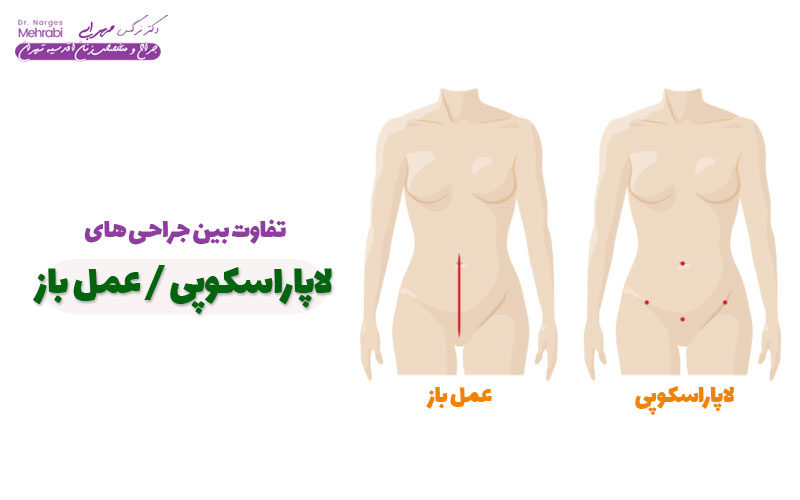
    • There is a risk of twisting or tearing. Laparoscopy (minimally invasive surgery with small incisions) and Laparotomy (open surgery for very large or suspected cancerous cysts). The surgeon's goal is always to preserve the healthy tissue of the ovary (cystectomy), except in special circumstances where it is necessary to remove the entire ovary (oophorectomy). It is a broad and multifaceted topic. As we discussed in this article, the word cyst can refer to a wide range of situations; From a simple follicle that forgot to rupture, to a complex dermoid mass or painful endometrioma. The key point in managing these complications is early and accurate diagnosis.

Most ovarian cysts are benign and resolve with time or simple drug treatments. However, ignoring symptoms such as sudden abdominal pain, menstrual cycle changes, or persistent bloating can lead to complications such as cyst rupture or ovarian torsion, which are considered medical emergencies. Also, distinguishing between simple cysts and syndromes such as PCOS or diseases such as endometriosis will change the course of treatment and preservation of fertility.

Dr. Narges Mehrabi, surgeon and gynecologist in Tehran

WhatsApp

09056911016

office phone

02126140124

FAQ

1. Can all types of ovarian cysts turn into cancer?

The vast majority of ovarian cysts (more than 90%) are benign and do not become cancerous. However, some complex cysts or masses that develop after menopause have a higher potential for malignancy and require more detailed investigation and additional tests. Does an ovarian cyst cause infertility?

Not all cysts cause infertility. Functional cysts usually do not affect fertility. But cysts caused by endometriosis (chocolate) and polycystic ovary syndrome (PCOS) can lead to fertility problems by disrupting ovulation or changing the quality of eggs and the pelvic environment, which of course can be managed with treatment. Is a dermoid cyst dangerous and must be operated?

Dermoid cysts are usually benign, but due to their heavy weight, they can cause torsion of the ovary, which cuts off blood supply to the ovary. Also, these cysts do not disappear with medicine. Therefore, if their size is large, surgery is recommended to prevent complications.

4. When does ovarian cyst pain need to go to the emergency room?

If you feel a sudden, very severe and sharp pain in the lower abdomen accompanied by nausea, vomiting, fever or weakness and dizziness, you should go to the emergency room immediately. These symptoms can be a sign of cyst rupture or ovarian torsion, which requires immediate medical intervention. Does diet affect the treatment of ovarian cysts?

Diet alone will not cure existing cysts (such as dermoids or cystadenomas), but in the case of polycystic ovary syndrome (PCOS), a low-carb diet and lifestyle modifications are critical to reducing insulin resistance and can help regulate menstruation and prevent new microcysts from forming. A comprehensive review of ovarian cyst types. href="https://drmehraabi.com/category/%d8%a8%db%8c%d9%85%d8%a7%d8%b1%db%8c%d9%87%d8%a7%db%8c-%d8%b2%d9%86%d8%a7%d9%86/">Diseases of women

62
اشتراک‌گذاری:

مقالات مرتبط

مقالات دیگر از Dr. Narges Mehrabi

31 مقاله
Laparoscopy of the uterus for infertility Dr. Narges Mehrabi
مطالعه بیشتر

Laparoscopy of the uterus for infertility Dr. Narges Mehrabi

Uterine laparoscopy for infertilityInfertility is one of the complex challenges that many couples around the world face....

3 weeks ago بخوانید
Uterine cyst treatment Dr. Narges Mehrabi
مطالعه بیشتر

Uterine cyst treatment Dr. Narges Mehrabi

Uterine cyst treatmentThe uterus, this complex and vital organ in the female reproductive system, sometimes hosts small...

3 weeks ago بخوانید
Laparoscopy of the uterus for endometriosis Dr. Narges Mehrabi
مطالعه بیشتر

Laparoscopy of the uterus for endometriosis Dr. Narges Mehrabi

Uterine laparoscopy for endometriosisEndometriosis is a chronic and often painful disease that affects the lives of mill...

3 weeks ago بخوانید
The difference between laparoscopy and hysterectomy Dr. Narges Mehrabi
مطالعه بیشتر

The difference between laparoscopy and hysterectomy Dr. Narges Mehrabi

The difference between laparoscopy and open hysterectomyChoosing the right surgical method for the treatment of uterine...

3 weeks ago بخوانید
The best pill for uterine infection Dr. Narges Mehrabi
مطالعه بیشتر

The best pill for uterine infection Dr. Narges Mehrabi

best pill for uterine infectionGynecological diseases and infections of the reproductive system, especially uterine infe...

3 weeks ago بخوانید
What is an ovarian cyst? Dr. Narges Mehrabi
مطالعه بیشتر

What is an ovarian cyst? Dr. Narges Mehrabi

What is an ovarian cystThe female reproductive organs, especially the ovaries, are the focus of complex and precise horm...

3 weeks ago بخوانید
Endometriosis laparoscopy Dr. Narges Mehrabi
مطالعه بیشتر

Endometriosis laparoscopy Dr. Narges Mehrabi

Endometriosis laparoscopyEndometriosis disease, which is characterized by the growth of tissue similar to the inner lini...

3 weeks ago بخوانید
The best time for uterine and ovarian ultrasound Dr. Narges Mehrabi
مطالعه بیشتر

The best time for uterine and ovarian ultrasound Dr. Narges Mehrabi

The best time for uterine and ovarian ultrasoundUltrasound, as one of the non-invasive and highly efficient diagnostic t...

3 weeks ago بخوانید
Complications of uterine laparoscopy Dr. Narges Mehrabi
مطالعه بیشتر

Complications of uterine laparoscopy Dr. Narges Mehrabi

complications of uterine laparoscopyUterine laparoscopy, as a minimally invasive surgical method, has revolutionized the...

3 weeks ago بخوانید
Kiton tablets Dr. Narges Mehrabi
مطالعه بیشتر

Kiton tablets Dr. Narges Mehrabi

kiton pillIn recent decades, increasing attention has been paid to the role of nutrients and food supplements in improvi...

3 weeks ago بخوانید
Endometriosis cyst in the ovary Dr. Narges Mehrabi
مطالعه بیشتر

Endometriosis cyst in the ovary Dr. Narges Mehrabi

Endometriosis cyst in the ovaryThe female body is an amazing network of hormones and cyclical processes in which the ute...

3 weeks ago بخوانید
Laparoscopic uterine prolapse surgery Dr. Narges Mehrabi
مطالعه بیشتر

Laparoscopic uterine prolapse surgery Dr. Narges Mehrabi

Laparoscopy uterine prolapse surgeryIn today's fast-paced world, women's health issues have become especially important....

3 weeks ago بخوانید
Pain after uterine laparoscopy Dr. Narges Mehrabi
مطالعه بیشتر

Pain after uterine laparoscopy Dr. Narges Mehrabi

Pain after laparoscopy of the uterusLaparoscopy surgery of the uterus, as a minimally invasive method, has made a big ch...

3 weeks ago بخوانید
Bladder endometriosis symptoms Dr. Narges Mehrabi
مطالعه بیشتر

Bladder endometriosis symptoms Dr. Narges Mehrabi

Bladder endometriosis is one of the lesser-known subcategories of endometriosis, which is usually diagnosed with a delay...

3 weeks ago بخوانید
The best pill for ovarian laziness Dr. Narges Mehrabi
مطالعه بیشتر

The best pill for ovarian laziness Dr. Narges Mehrabi

The best pill for ovarian lazinessPolycystic ovary syndrome (PCOS) or ovarian laziness, is one of the most challenging a...

3 weeks ago بخوانید
The cost of hysteroscopy in 1404 Dr. Narges Mehrabi
مطالعه بیشتر

The cost of hysteroscopy in 1404 Dr. Narges Mehrabi

The cost of hysteroscopy operation in 1404Hysteroscopy, as a minimally invasive diagnostic and therapeutic tool in the f...

3 weeks ago بخوانید
Post-operative care of endometriosis Dr. Narges Mehrabi
مطالعه بیشتر

Post-operative care of endometriosis Dr. Narges Mehrabi

Endometriosis post-operative careThe decision to undergo surgery to treat endometriosis is often the last stop in the lo...

3 weeks ago بخوانید
Pagedone
Resources
Products
©GCORP LLC 2026, All rights reserved.